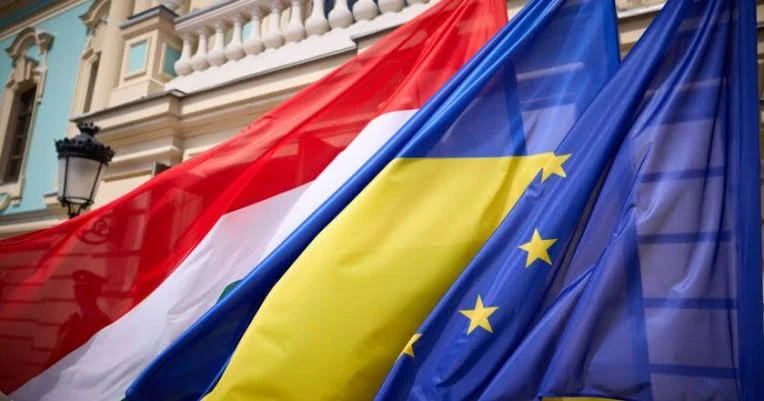



















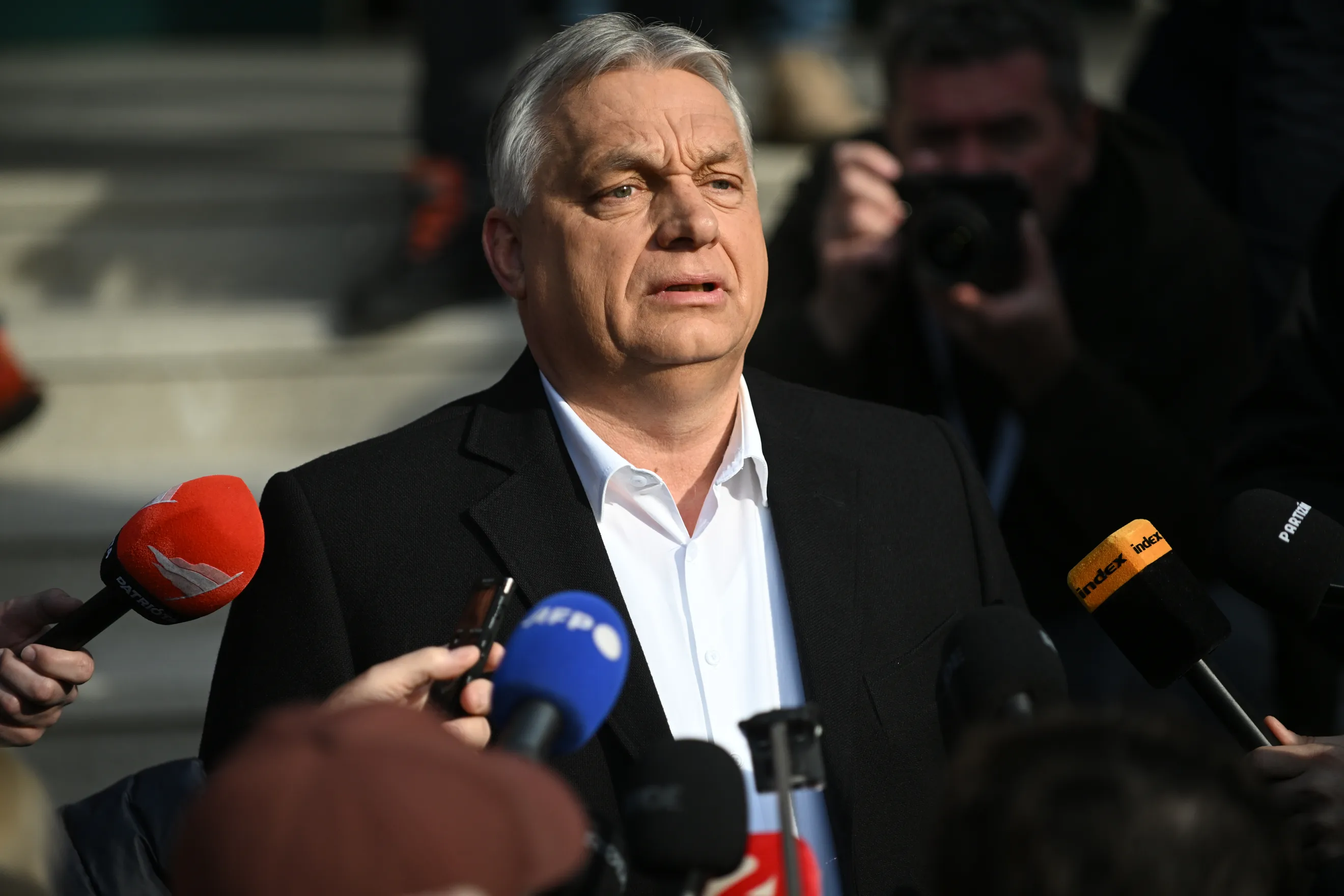
Viktor Orbán’s electoral defeat reaches far beyond Hungary’s domestic politics. For Ukraine, it is not merely a смена власти in a neighboring country, but the potential removal of one of the most persistent obstacles in its relationship with the European Union. In recent years, Budapest systematically slowed or blocked decisions critical for Kyiv.
Hungary occupied a distinct position in European politics: maintaining close ties with Moscow while simultaneously obstructing financial aid to Ukraine and delaying its EU integration. This dual posture turned the country into a постоянный источник напряжения—not only for Kyiv, but for the EU’s decision-making system itself.
The change in leadership raises expectations of a turning point. According to Daycom’s earlier analysis, the real significance of the election lies less in rhetorical shifts than in the possible unblocking of concrete decisions that had long been held hostage by political veto.
The most immediate impact is financial. At stake is a support package of roughly €90 billion, previously frozen and posing a risk of budgetary strain for Ukraine in the near term. The incoming Hungarian leadership signals readiness to lift this blockade, a move that could stabilize Ukraine’s finances and sustain its defense spending.
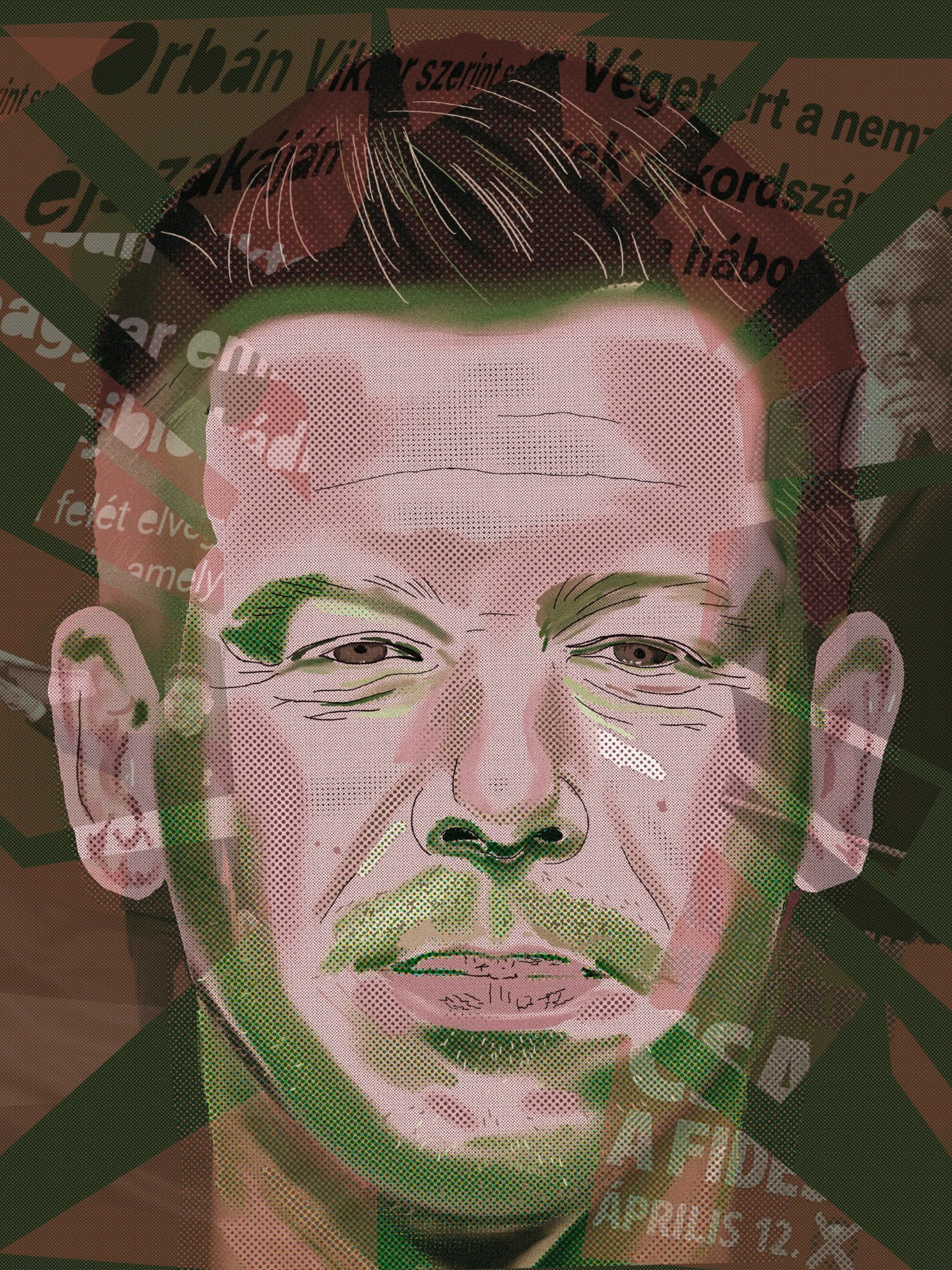
Yet short-term relief does not automatically translate into a long-term alliance. Péter Magyar, the election’s victor, clearly distanced himself from his predecessor’s pro-Russian stance, but stopped short of offering unconditional support for Ukraine. His позиция appears pragmatic: engagement is possible, but strictly within Hungary’s national interests.
This caution is most visible in the question of Ukraine’s EU membership. Even after the political shift, Budapest is unlikely to endorse accelerated accession without full compliance with established criteria. In practice, this means that while one political barrier may disappear, structural constraints will remain.
Another enduring source of friction is the issue of the Hungarian minority in Ukraine’s Zakarpattia region. It has long shaped bilateral tensions and is unlikely to fade from the agenda. If anything, the new government may emphasize it further as part of consolidating domestic legitimacy.
Energy dependence adds another layer of complexity. Hungary remains heavily reliant on Russian oil, a dependence that has deepened during the war. Even with political intent to diversify, any meaningful shift will take time. Budapest will therefore continue to balance geopolitical positioning with economic necessity.
This is where a new point of tension may emerge: the transit of Russian oil through Ukraine. For Kyiv, it represents revenue for Moscow; for Budapest, it is a critical supply route. The contradiction is structural and will not disappear with a change in leadership.
Hungary’s election opens a window of opportunity for Ukraine, but does not erase the underlying geopolitical constraints. Budapest may cease to act as a blocker, yet it is not destined to become an unconditional ally. The new government’s course will be defined прежде всего its own national priorities.
In that sense, the key shift is not the disappearance of the problem, but its transformation. Instead of rigid political resistance, Ukraine faces a more complex but negotiable partner. And that alone begins to alter the balance of power within Europe.