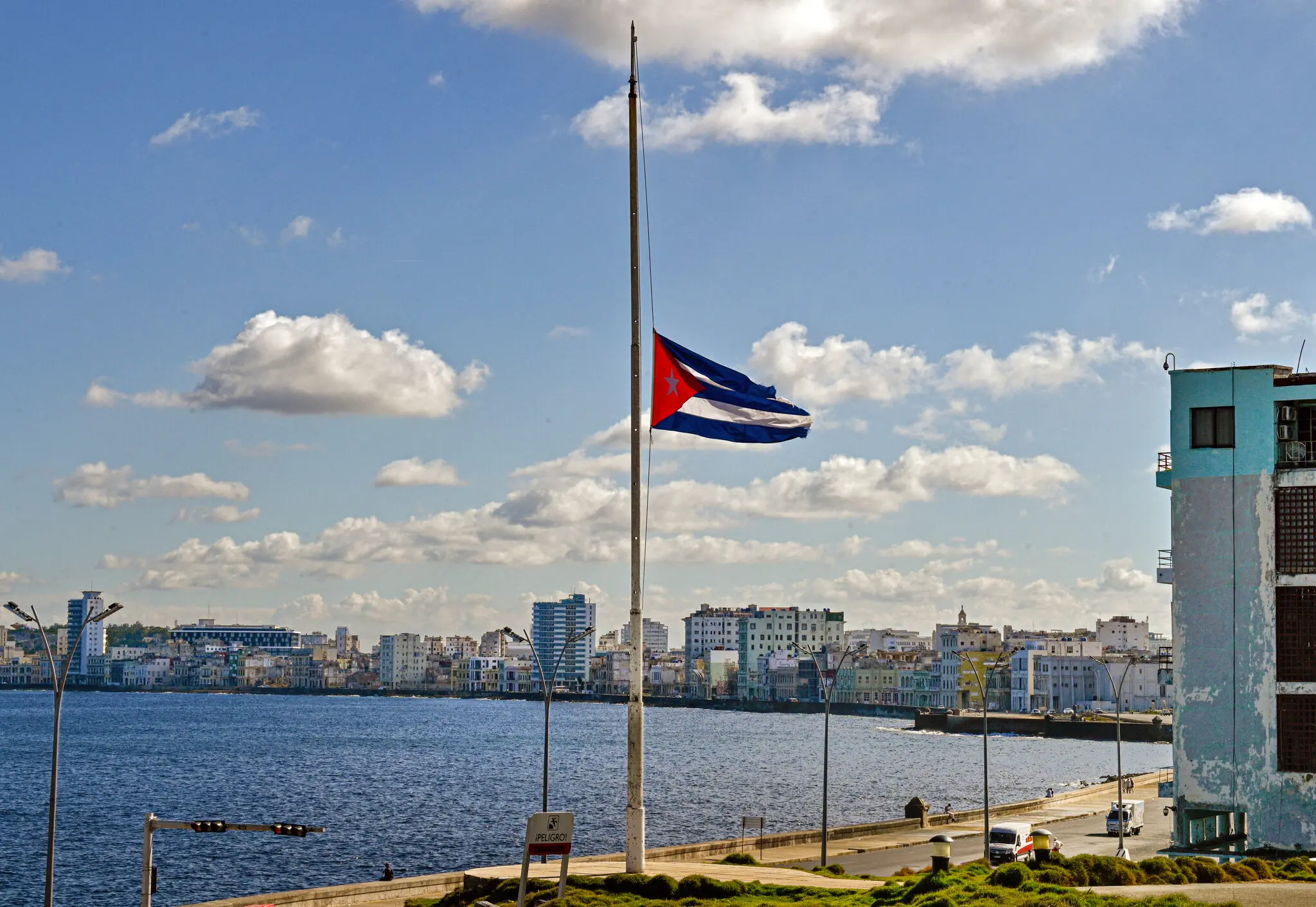

















The visit by Pramila Jayapal and Jonathan Jackson mattered less because of its size than because of its timing. The Trump administration has sharply intensified pressure on Cuba this year, including through emergency measures that frame the Cuban government as a threat to U.S. national security and foreign policy. In that context, even a small congressional trip to Havana no longer reads as routine diplomacy. It reads as a sign of growing dissent inside Washington over where the current strategy is leading.
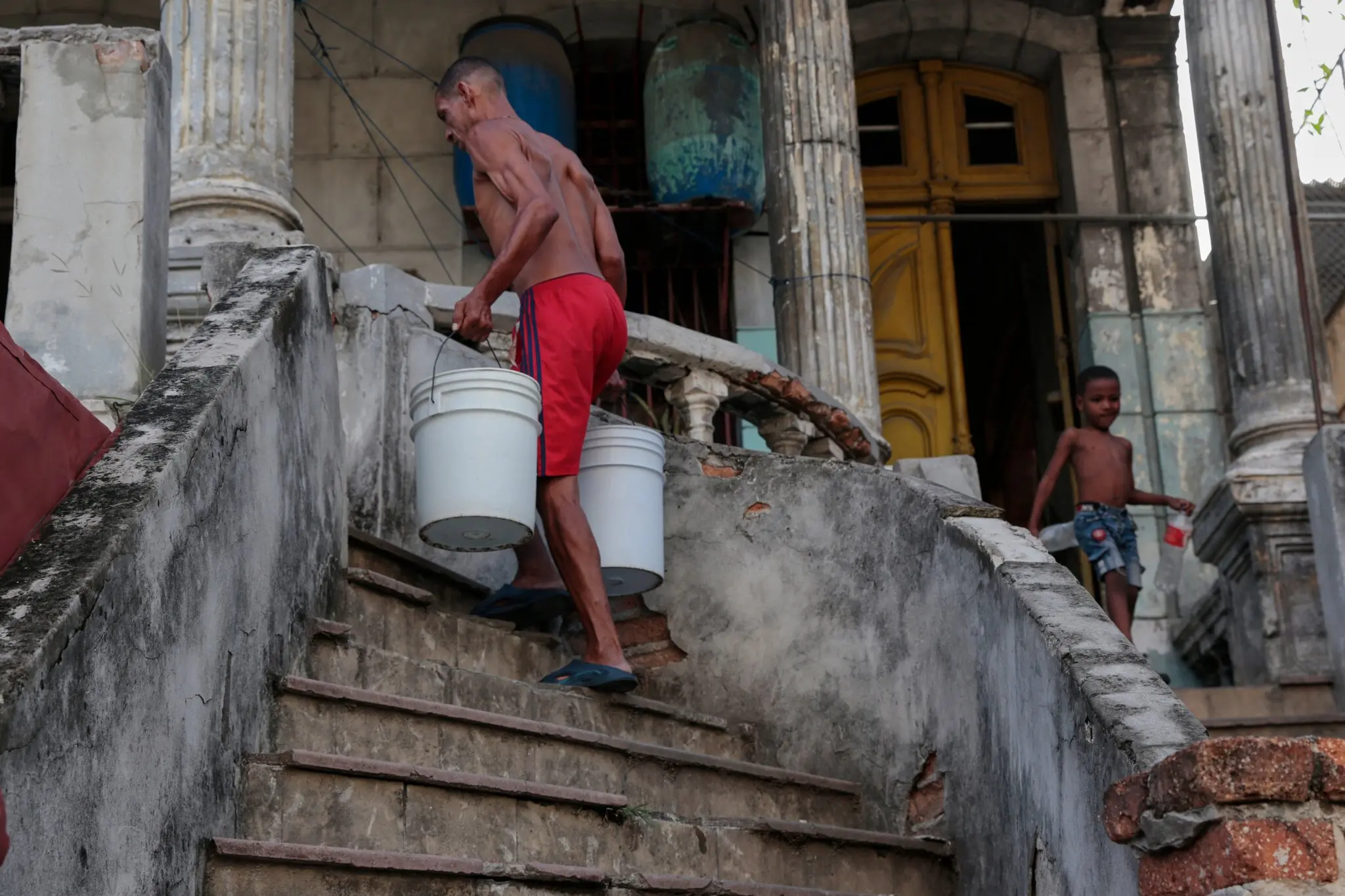
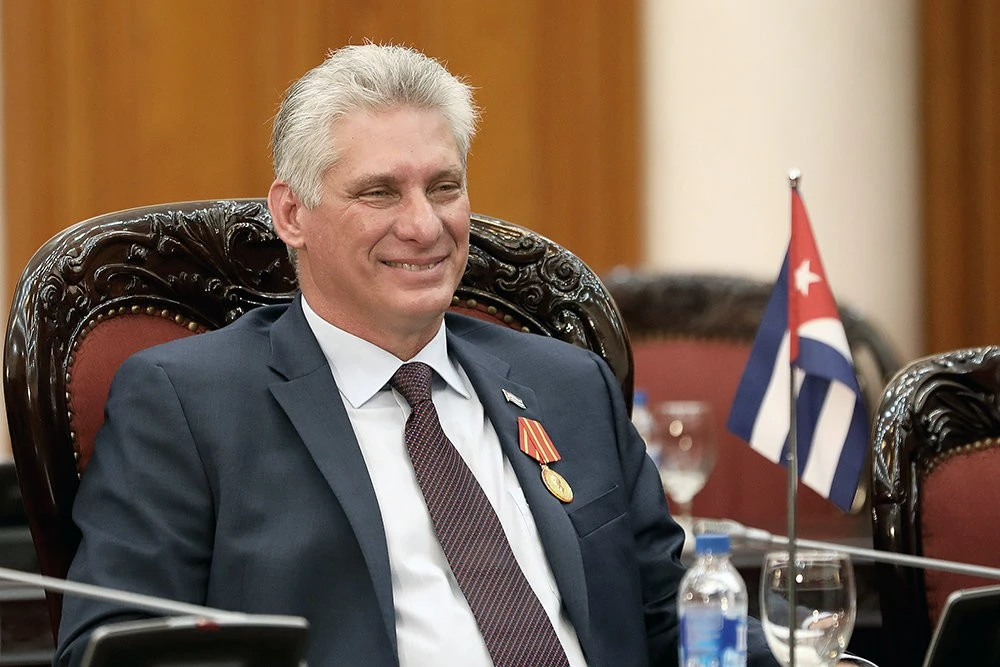
What made the trip politically important was its attempt to shift the Cuba conversation out of Cold War symbolism and into humanitarian reality. After a five-day visit that included meetings with President Miguel Díaz-Canel and other officials, the lawmakers described an island where fuel shortages, transport disruption and hospital deterioration are no longer abstract consequences of sanctions but the texture of daily life. That change in emphasis is dangerous for the White House because it weakens the familiar argument that civilian suffering is an acceptable cost of strategic pressure.
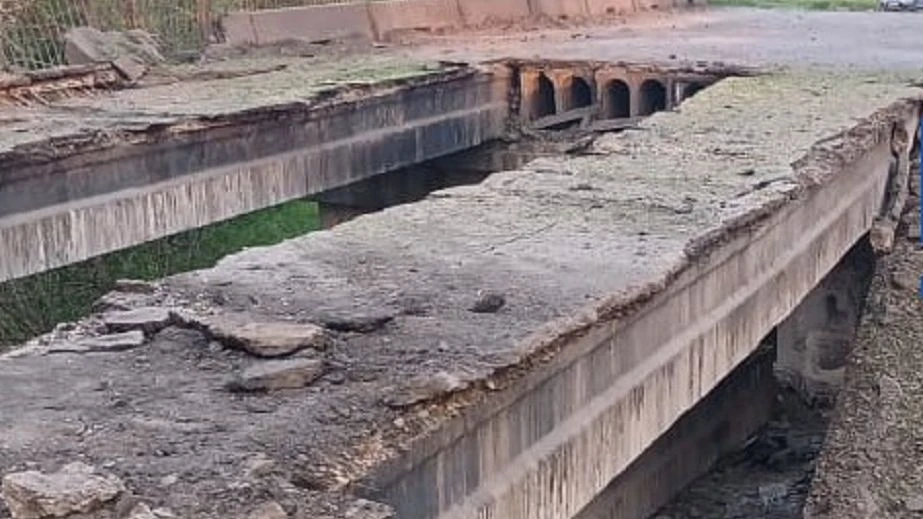
This is the point at which the logic of sanctions begins to fray. A blockade looks strongest when it can still be sold as a plausible instrument of political change. It begins to look weaker when its clearest effects are blackouts, decaying wards and deepening scarcity just ninety miles from Florida. The problem for Washington is no longer only whether pressure on Havana is morally defensible. It is whether the strategy still produces anything beyond social exhaustion.
As Daycom has argued in earlier analysis of sanctions policy, the most fragile point in a long blockade arrives when it stops looking like a tool for changing a regime and starts looking like a system for grinding down a population. That is where U.S.-Cuba policy now appears to be drifting. The language of toughness remains intact, but the practical results increasingly resemble strategic stagnation rather than leverage.
That does not mean a rapid normalization is at hand. The White House remains firmly committed to coercive pressure, and congressional Democrats do not control the executive instruments that define the policy. But the visit revealed a widening split between an administration that still speaks the language of force and a growing current in Congress that sees the present approach as a dead end. In March, Democrats introduced legislation aimed at preventing Trump from using federal funds for military action against Cuba without congressional authorization, underscoring how seriously some in Washington now take the risk of escalation.
That split matters because Cuba has long served the American right as more than a foreign-policy file. It is a domestic political symbol, a familiar theater for anti-communist rhetoric and a stage on which displays of hardness still play well in parts of U.S. politics. For Democrats, however, the evidence is becoming harder to ignore: decades of pressure have not produced democratic transformation or regional stability, but they have helped generate humanitarian deterioration, migration pressure and a political reflex in Havana to seek survival through outside patrons.
Cuba, for its part, appears to be signaling cautious readiness for transactional movement. In recent weeks Havana has opened the door to investment by Cubans living abroad and announced the release of 2,010 prisoners as a humanitarian gesture. None of these moves transforms the system. But together they form a message: the government wants Washington to see not only the old confrontation, but the possibility of negotiated exchange.
The Russian oil story makes the strategic paradox even sharper. In late March, a Russian tanker delivered 730,000 barrels of oil to Cuba, the first such delivery in three months, and Moscow then announced plans to send a second tanker. Here the contradiction in U.S. policy becomes especially visible. The tighter Washington squeezes Cuba’s access to essential fuel, the more strongly it pushes the island toward deeper reliance on Russia and other external actors. A strategy intended to isolate the regime ends up furnishing it with a new geopolitical insurance policy.
That is why the lawmakers’ appeal to “bring the rhetoric down” matters as more than a humanitarian plea. It is an argument for reframing the problem itself. If Washington continues to treat Cuba primarily as a target for energy strangulation, it will almost certainly face two outcomes at once: worsening humanitarian decline on the island and stronger migration pressure toward the United States. That is not a side effect. It is increasingly the logic of the policy itself.
Still, this should not be romanticized. The trip did not create a breakthrough. It opened only a small window in which the old sanctions consensus looks less monolithic than before. Democrats can amplify the issue, introduce legislation and argue for negotiations, but the main levers remain in the hands of an administration that still sees Cuba chiefly as an arena for pressure rather than a problem requiring a durable settlement. That is why the “beginnings of dialogue” noted during the visit still look tentative rather than structural.
The central conclusion is stark. The congressional visit did not overturn U.S. policy toward Cuba, but it exposed the crisis inside that policy. What Washington has long presented as pressure on the government is increasingly visible as a mechanism for degrading everyday life without delivering a clear strategic result. If that contradiction continues to widen, the real turning point will not begin in Havana. It will begin in Washington, at the moment when U.S. politics finally admits that the old sanctions machine no longer produces resolution. It produces only a prolonged impasse.