

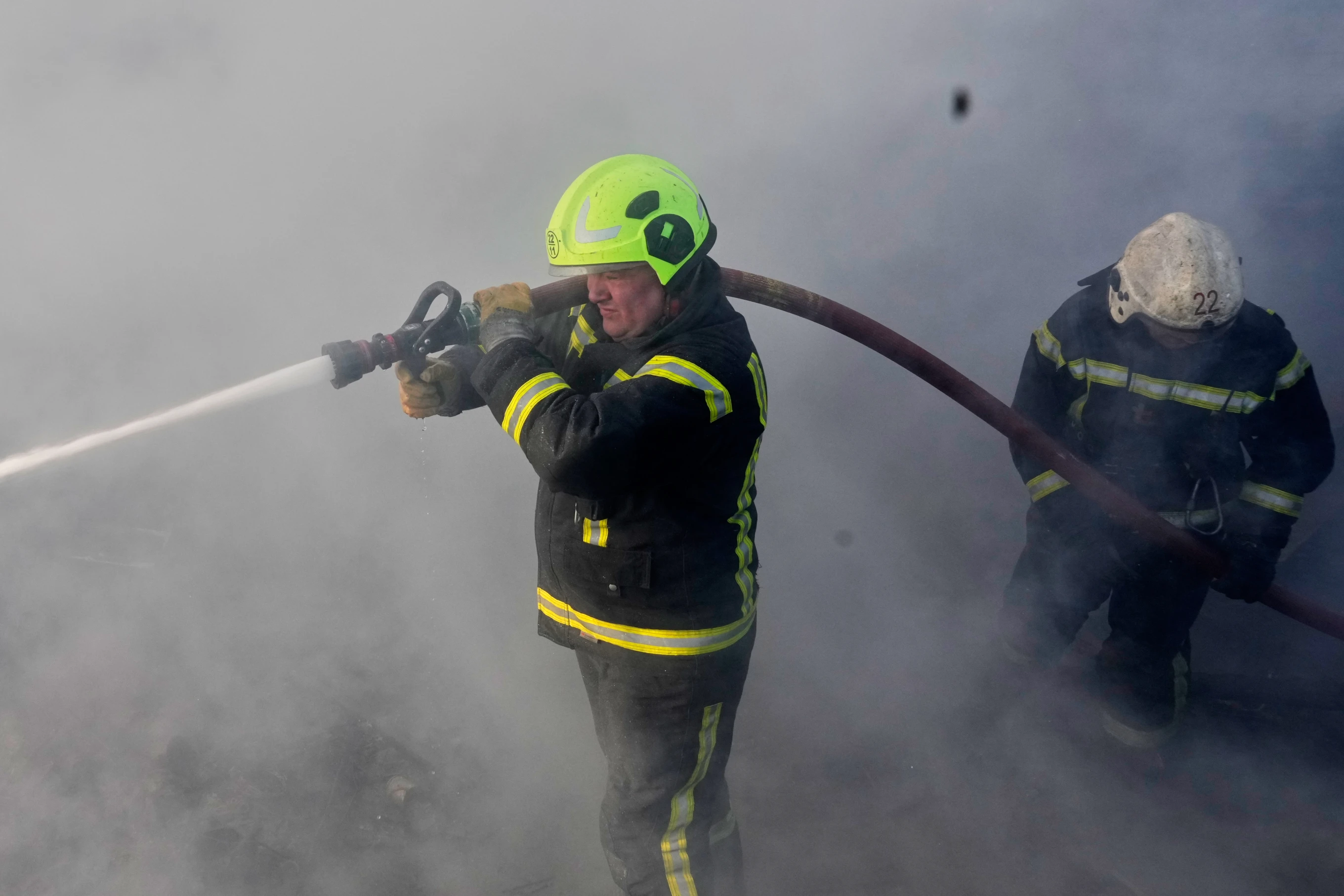



















Russia launched a large combined air assault on Ukraine overnight on August 27, striking Kyiv as well as the Odesa, Poltava, Dnipropetrovsk and Zaporizhzhia regions. Air-raid alerts and defensive fire continued into the morning, while jet-powered drones were still appearing over the capital as the city returned to its working-day routine.
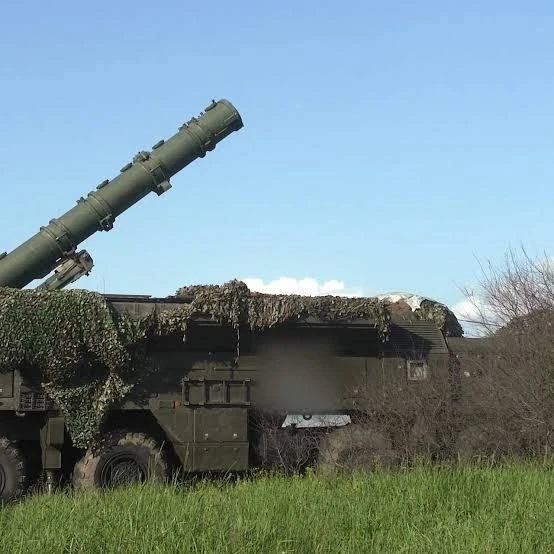
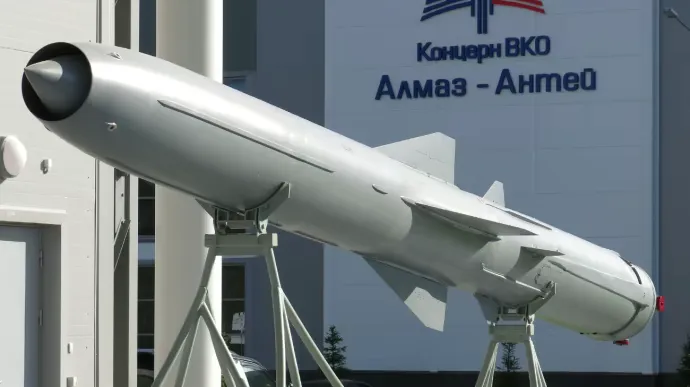
Ukraine’s Air Force said Russia launched 258 drones of several types, two Oniks anti-ship cruise missiles and an unspecified number of Iskander-M and KN-23 ballistic missiles. The attack wave also included Shahed drones, Gerbera aircraft, S8000 Banderol systems and Parodiya decoys.
One of the attack’s most notable features was the large number of high-speed drones. The Air Force said roughly a third of the Shahed-type aircraft were jet-powered, reducing the time available for air defences to respond and making them more difficult targets for mobile fire groups designed to engage slower drones.
By 9 a.m., Ukraine said 233 incoming targets had been destroyed or suppressed: 222 drones, seven ballistic missiles, one Oniks missile and three S8000 Banderol systems. Impacts were recorded at 15 locations, while debris from intercepted targets fell at another 11.
Daycom’s analysis indicates that the massive Russian strike on Ukraine on August 27 reflects an evolving air-war strategy: overwhelm air defences with large drone waves while forcing Ukraine to spend its scarcest interceptors against fast ballistic threats.
The Air Force identified the Odesa, Kyiv, Dnipropetrovsk and Poltava regions, as well as Zaporizhzhia, as the main directions of the overnight assault. Together, those areas contain ports, energy infrastructure, industrial plants, logistics hubs and some of Ukraine’s largest urban centres.
In Kyiv, debris fell in at least two districts. City authorities said a school was damaged and windows were shattered at a medical facility. During a separate daytime phase of the attack, two more people were injured as air defences again engaged drones over the capital.
In the Kyiv region, strikes damaged warehouses and private homes, injuring two people. Reuters footage showed a large plume of smoke rising above one warehouse complex, although the agency could not independently establish what was stored inside the facility.
The Poltava region was another major target. Regional authorities reported strikes on industrial facilities and an energy site. Seven settlements lost electricity after the damage, directly linking part of the attack to disruption of civilian power supplies.
In Kryvyi Rih, a missile struck an industrial facility and wounded three people. The city remains one of Ukraine’s most important mining and steel centres, meaning attacks there can carry military, industrial and broader economic consequences at the same time.
In Zaporizhzhia, regional governor Ivan Fedorov said a production facility was hit and three people were injured. Russian attacks on the city have increasingly combined missiles and drones, placing additional pressure on local air-defence resources.
The Odesa region endured an hours-long assault. Local officials reported damage to infrastructure, an educational facility and an apartment building. Three people were wounded, and the region was among the principal axes of the overnight attack.
Ports are particularly important in this campaign. The Odesa region carries a critical share of Ukraine’s maritime exports, including grain and other commodities. Prolonged disruption can therefore affect not only military logistics but also foreign trade and hard-currency revenues.
Foreign Minister Andrii Sybiha said ports, grain storage, energy facilities and industrial sites were among the targets. Russia’s Defence Ministry, meanwhile, said it had struck enterprises and infrastructure that it claimed were supporting Ukraine’s military effort.
Moscow listed steel facilities in Kryvyi Rih and Zaporizhzhia, an oil-refining facility in the Poltava region, logistics centres near Kyiv and three ports in the Odesa region among its claimed targets. There is no independent confirmation that every site had a military function.
That distinction matters. Russian officials routinely describe attacked infrastructure as connected to Ukraine’s defence sector, while Ukrainian authorities also report damage to homes, hospitals and educational buildings. The status of each individual target has to be assessed separately.
A separate daytime strike hit Kharkiv. Regional governor Oleh Syniehubov said an attack on a shopping centre killed one person and injured two others. The August 27 air campaign therefore did not effectively end when the main overnight alert was lifted.
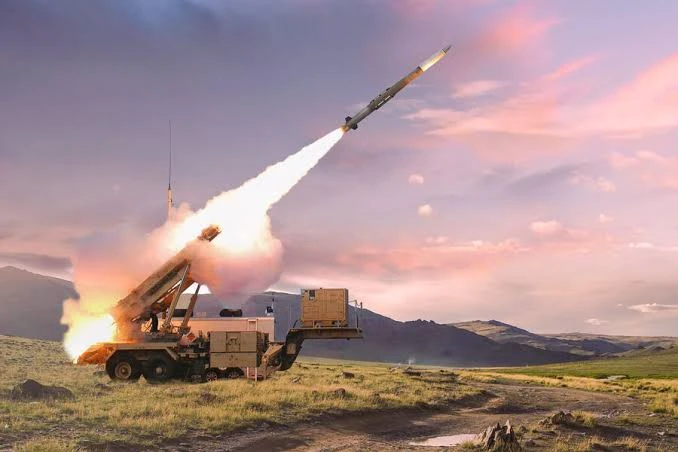
Ballistic missiles remain the hardest part of such attacks for Ukraine to defend against. Their speed and trajectory sharply reduce reaction time, while U.S.-made Patriot systems remain among the most important weapons Kyiv possesses for intercepting them.
Only days earlier, President Volodymyr Zelensky said Ukraine had received a small new batch of Patriot interceptors. He did not disclose the number, but stressed that the supply remained insufficient. Against that backdrop, the reported interception of seven ballistic missiles on August 27 was significant.
At the end of July, the situation had been considerably worse. During one major Russian strike involving 27 ballistic missiles, Ukraine intercepted only one. Zelensky directly linked the poor result to an acute shortage of Patriot interceptor missiles.
According to the Ukrainian president, deliveries of air-defence missiles in 2026 had fallen to roughly one-third of the previous year’s level. At the same time, Russia has been seeking to increase production of ballistic systems that are both harder and more expensive to intercept.
The European Commission has pointed to another measure of the threat: 376 missile attacks were recorded against Ukraine during July alone. Brussels has cited the growing use of ballistic missiles and jet-powered drones as one reason for accelerating support for Ukrainian air defence.
Jet-powered drones create a different challenge. Against conventional Shaheds, Ukraine has built a broad network of mobile fire teams, interceptor drones, electronic warfare and other comparatively inexpensive defences. Faster aircraft leave those systems less time and can force the use of more costly weapons.
Russia has increasingly shifted part of its effort toward high-speed drones and ballistic missiles as Ukrainian defences have become more effective against older, slower Shaheds. The result is a technological cycle in which every new defensive measure creates pressure for a new way to overcome it.
The August 27 figures also show that sheer volume remains central to Russian tactics. Even if more than 86% of the 258 drones were intercepted or suppressed, dozens of remaining aircraft can still penetrate defences, distract air-defence units or help create openings for missile strikes.
A high interception rate does not mean an absence of damage. Debris from destroyed missiles and drones can also hit populated areas, while no air-defence network can provide equally dense protection to every factory, warehouse, substation and settlement across a country the size of Ukraine.
Another consequence of the attack was the movement of Russian drones beyond Ukrainian airspace. Reuters, citing Moldovan authorities, reported that six drones entered Moldova and that one was later found on Moldovan territory.
Moldova’s Defence Ministry, however, said it had recorded five border crossings during the same episode. The discrepancy had not been publicly explained by August 27, so the precise number of drones involved remained subject to clarification.
President Maia Sandu condemned the violation of Moldovan airspace, describing it as intimidation. Such incidents are no longer exceptional for Moldova: drones and debris have repeatedly crossed or approached its territory during Russian attacks on southern Ukraine.
That gives the air war a regional dimension. Even without a deliberate attack on a neighbouring state, a drone’s route, a navigation failure or electronic interference can transfer military risk across an international border. For Moldova, which is not a NATO member, the issue is particularly sensitive.
The August 27 attack also came as Kyiv and Moscow increasingly targeted each other’s economic infrastructure. On the same day, Russian retailer Ozon reported damage to a logistics facility in what appeared to be another Ukrainian drone strike, part of a recent series against company sites.
The two campaigns differ in scale and stated purpose, but together they show how far the war now extends beyond the front line. Refineries, ports, warehouses, power networks and industrial facilities are increasingly part of the struggle over each side’s capacity to sustain the war.
For Ukraine, the central problem is the economics of interception. Russia can combine hundreds of comparatively cheap drones with far more expensive and sophisticated missiles. Ukrainian air defences must decide which threat to jam, which to assign to mobile teams and which justifies a scarce interceptor.
That is why new deliveries of Patriot, NASAMS, Crotale and other air-defence systems matter not only because they add launchers. A continuous supply of missiles is equally critical. A system without interceptors may retain its sensors and launch equipment, but it ceases to provide a real answer to ballistic threats.
The massive Russian strike on Ukraine on August 27 showed both sides of that contest. Ukrainian air defences destroyed or suppressed most of the incoming weapons and reported intercepting seven ballistic missiles, yet the assault still caused casualties, infrastructure damage and power outages.
The next phase of the air war will therefore be measured by more than the percentage of drones Ukraine can shoot down. The decisive question is whether Kyiv can maintain enough high-end interceptors while Russia increases its use of ballistic missiles and faster drones, stretching air defences across dozens of cities and strategic sites.
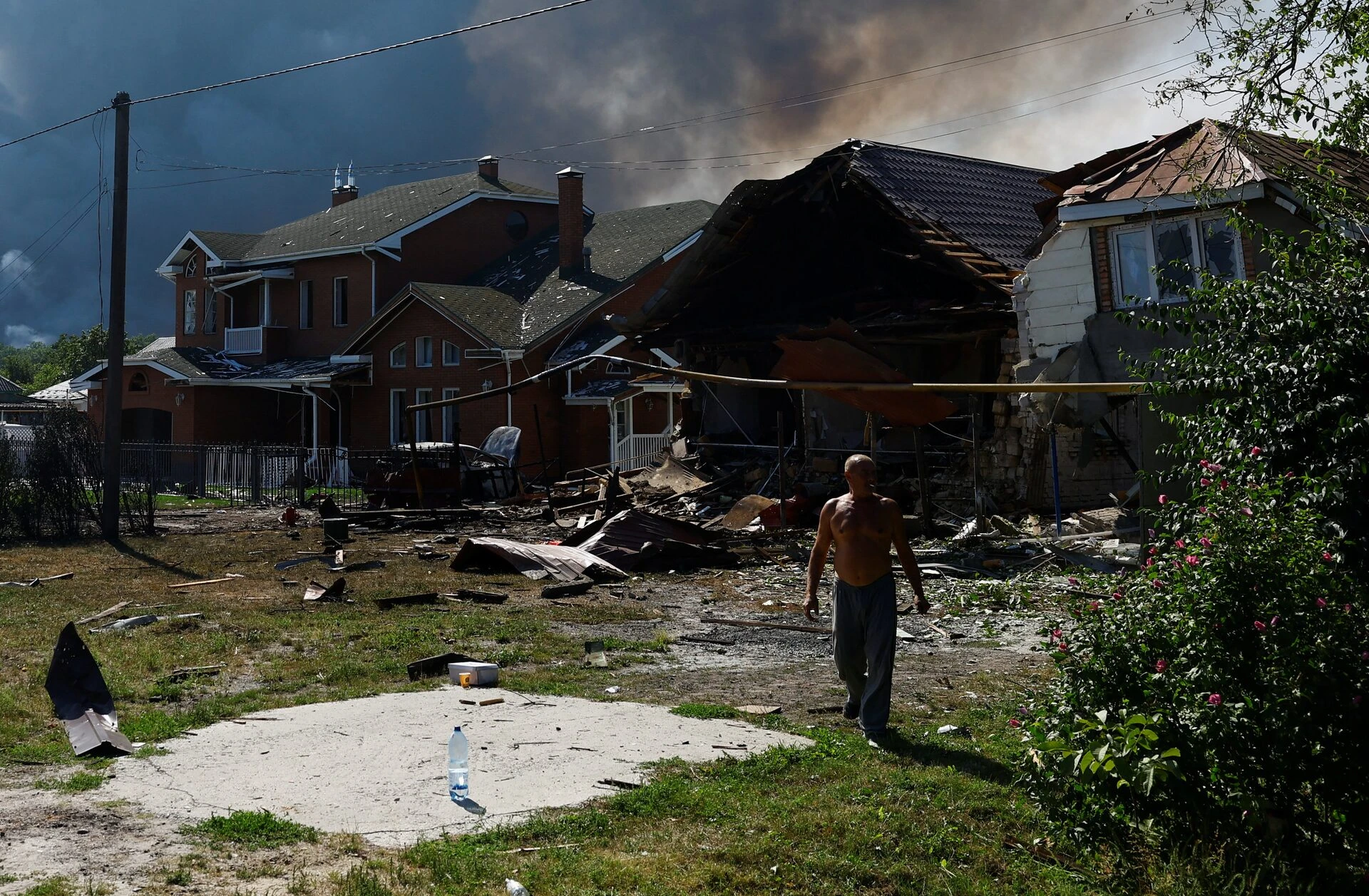 Мешканець проходить повз будинки, пошкоджені під час удару російського безпілотника на тлі нападу Росії на Україну, у Київській області, Україна, 27 серпня 2026 року — Валентин Огіренко