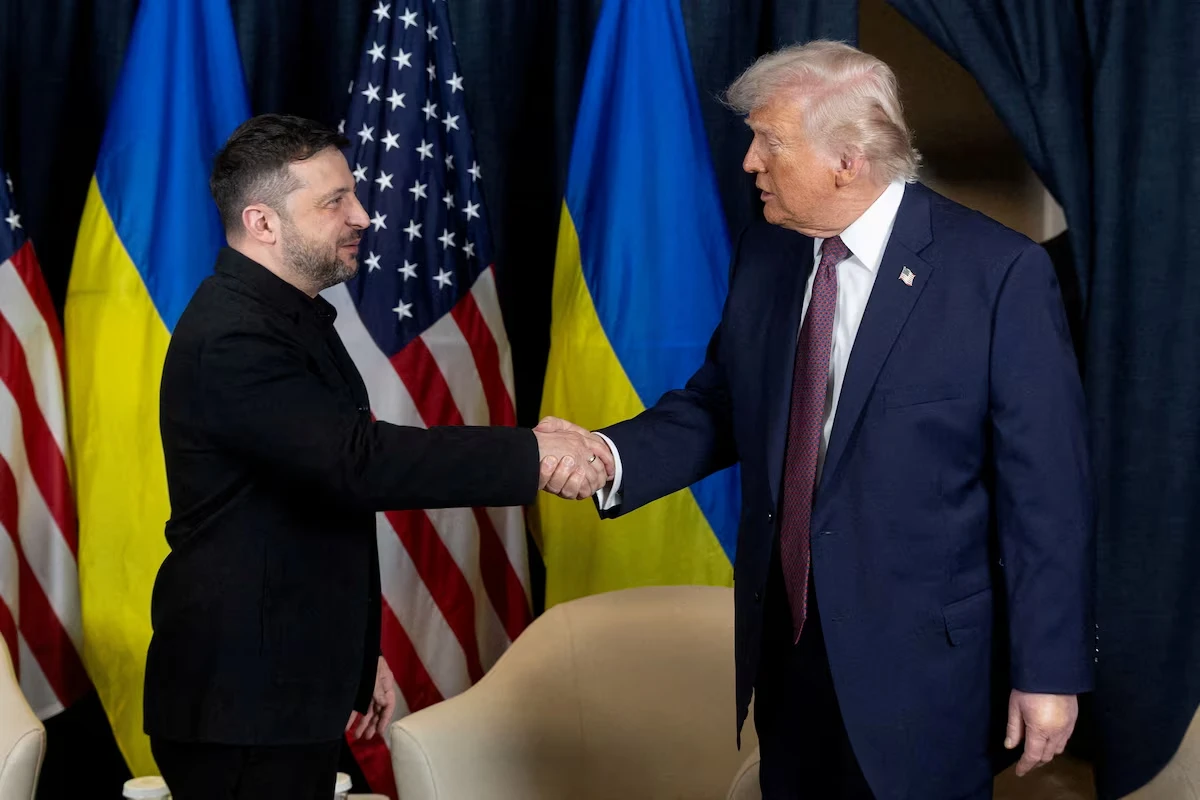




















Xi Jinping received Donald Trump with the full ceremonial weight of Beijing, but behind the polished surface of the state visit came the summit’s sharpest warning. Taiwan, not Boeing aircraft, American oil or Nvidia chips, emerged as the point where a cautious U.S.-China opening could quickly turn into confrontation.
The Chinese leader made clear that mishandling Taiwan could push relations between Washington and Beijing into an extremely dangerous zone. The wording was restrained, but its meaning was direct. China is ready to discuss trade, investment and stability, but it is not ready to let Taiwan become a bargaining chip.
That warning changed the tone of a meeting that outwardly looked almost flawless. The honor guard, children waving flags and flowers, the Great Hall of the People, the Temple of Heaven visit and the state banquet all created the image of controlled diplomacy. Yet the real agenda was shaped not by symbols, but by the limits of pressure.
For Daycom, the summit became a revealing moment: Trump tried to pull U.S.-China relations back into the logic of a grand bargain, while Xi shifted them into the logic of strategic deterrence. One leader needed a result for voters. The other needed confirmation that China would not yield on sovereignty.
Trump arrived in Beijing with a weakened hand. The war with Iran is weighing on U.S. domestic politics, feeding inflation fears and raising risks for Republicans ahead of the midterm elections. Court limits on the president’s ability to impose tariffs at will have also narrowed his room for pressure on China and other trading partners.
Xi, despite China’s economic difficulties, operates on a different political clock. He is not bound by an electoral calendar and can afford a longer game. Beijing did not look like a capital asking for détente. It looked like a capital willing to purchase stability, but only on its own terms.
The trade track did show movement. U.S. and Chinese teams had prepared a positive framework for extending the truce reached in the fall. Washington wants to sell China Boeing aircraft, energy and agricultural products. Beijing wants relief from restrictions on semiconductors and chipmaking equipment.
In that part of the talks, the pattern was familiar: Trump wants a deal he can present as a victory, while Xi wants space for technological maneuver. But the balance has changed. China is no longer simply a large buyer of American goods. It is a state bargaining for access to the future infrastructure of power: artificial intelligence, chips and critical materials.
That is why the presence of Jensen Huang and Elon Musk in Trump’s delegation mattered strategically rather than ceremonially. Nvidia is waiting for a resolution on sales of its powerful H200 AI chips, while U.S. technology companies understand that the Chinese market remains both a source of profit and a zone of political risk.
For Washington, advanced semiconductors are no longer an ordinary export. They are instruments of defense advantage, industrial growth and control over the future of artificial intelligence. For Beijing, access to such technology means the ability to stay in the global race that will define state power for decades.
Iran opened another dimension of the summit. The Strait of Hormuz, effectively blocked by the war, became one of the central issues in the conversation. For the United States, reopening it is a way to ease energy pressure. For China, it is a guarantee of stable oil and gas supplies without which its economic slowdown could deepen.
The American side is betting that China has its own interest in restoring passage through Hormuz and can influence Tehran. But Xi is unlikely to spend political capital in a way that looks like support for Washington’s strategy. For Beijing, Iran is not only a crisis; it is also a counterweight to U.S. power in the Middle East.
That is why agreement on the need for an open Strait of Hormuz does not remove the deeper contradiction. Washington wants China to help stabilize the consequences of the war. Beijing wants the United States to recognize China’s indispensability in the global energy balance. This is cooperation, but with a hidden invoice.
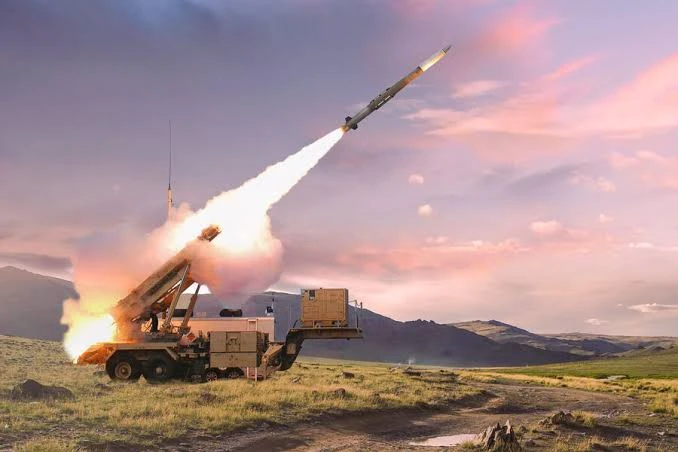
Taiwan remains the most dangerous issue in this structure. The United States is legally bound to help the island maintain its ability to defend itself, despite the absence of formal diplomatic ties. China considers Taiwan part of its territory and treats American arms sales as a direct challenge to its sovereignty.
That is why a possible arms package for Taiwan has become more than a technical matter. For Trump, it may be part of the bargaining space. For Xi, it is a test of whether Washington is prepared to cross a line after which Beijing’s language of managed rivalry loses credibility.
It was telling that the American public summary of the talks placed little emphasis on Taiwan, instead highlighting Hormuz, energy, the Iranian nuclear threat, agricultural purchases and access for U.S. business in China. That does not reduce Taiwan’s importance. On the contrary, the silence around it shows how explosive the issue remains.
The Beijing summit exposed the new reality of U.S.-China relations. Trade no longer exists apart from security. Chips no longer exist apart from military technology. Oil no longer exists apart from Iran. Taiwan no longer exists apart from China’s global status and America’s ability to preserve allied trust.
If Trump secures large orders, they may give him a short-term political victory. If Xi secures more cautious U.S. language on Taiwan and technology, he will show that China can force Washington to respect its red lines. Both leaders can leave the summit with arguments for their domestic audiences.
But the real result of the meeting will not be measured by the banquet or by the number of contracts. It will depend on whether the United States and China can keep their rivalry within the boundaries of manageable risk. Xi made one thing clear to Trump: Beijing is ready for deals, but not at the price of Taiwan. That boundary now defines the space for any larger agreement.