














Estonia is again putting into words what many European capitals are reluctant to say plainly: Russia’s war against Ukraine cannot end only with a ceasefire. After destroyed cities, shattered energy networks and millions of displaced people, the question is not only how to secure peace. It is who pays for the damage.
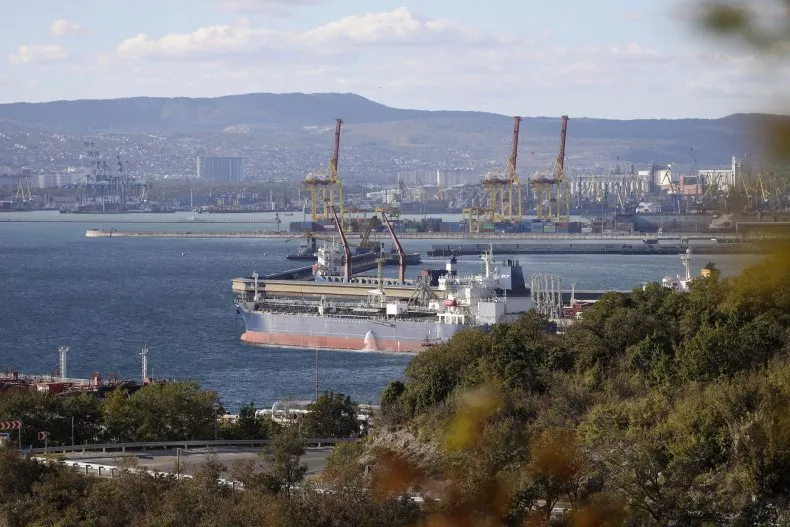
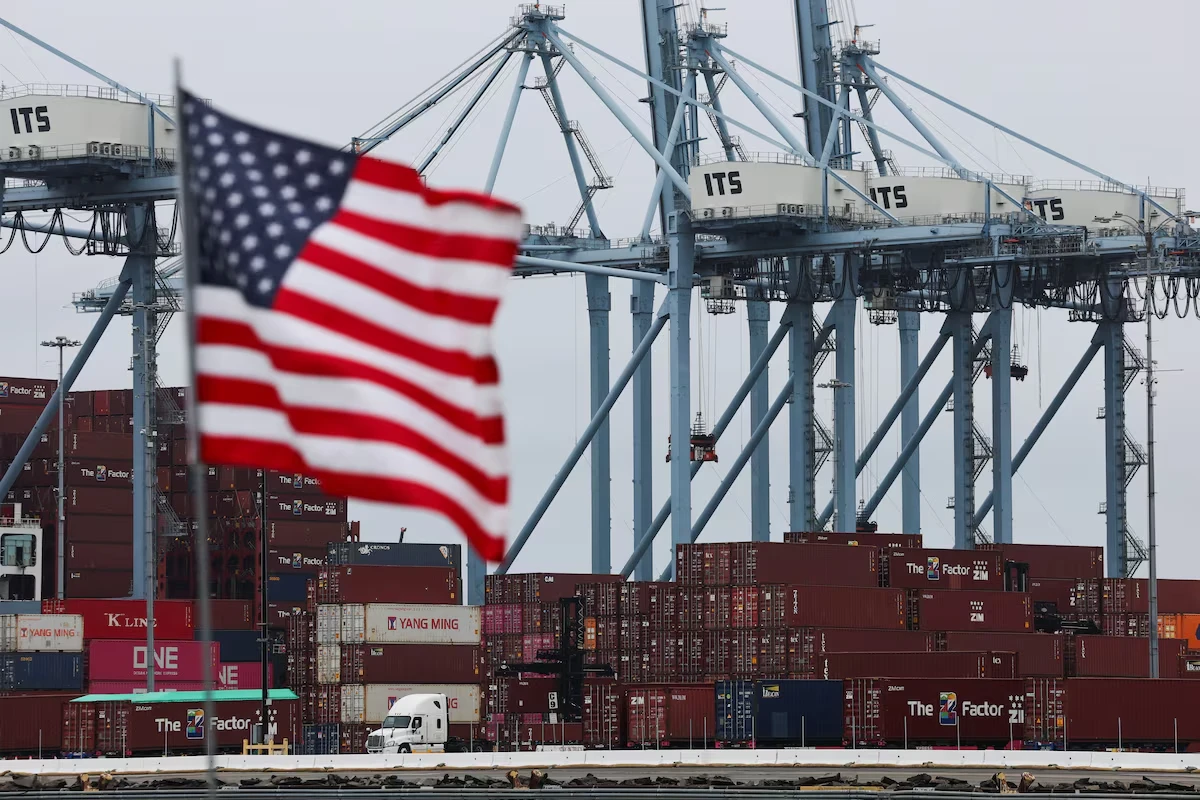
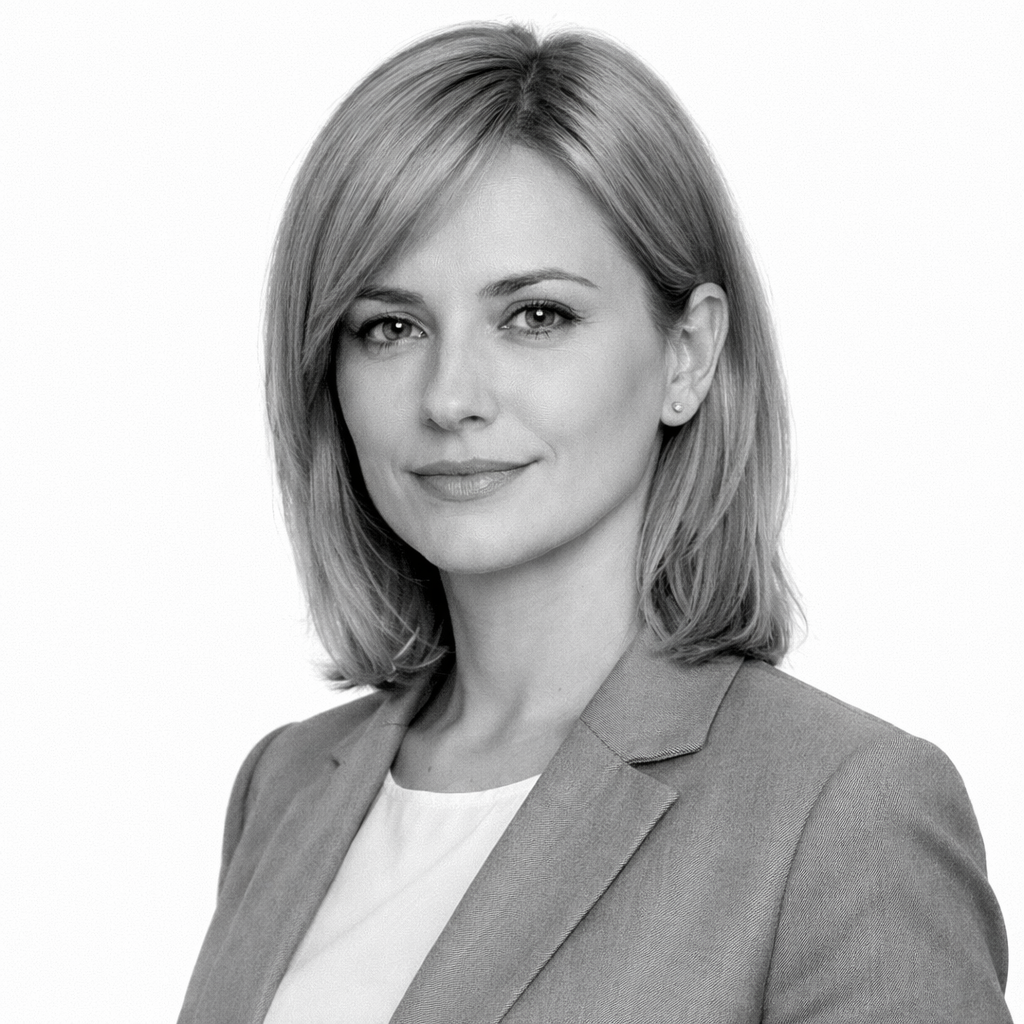
Estonian Prime Minister Kristen Michal has proposed that the European Union impose tariffs on Russian goods still allowed into the European market and direct the revenue toward Ukraine’s reconstruction. This is not a symbolic gesture. It is an attempt to turn trade with the aggressor into a mechanism of compensation.
The cost of rebuilding Ukraine already runs into the hundreds of billions of euros. Destroyed housing, roads, bridges, power systems, schools, hospitals and entire industrial districts have created a financial burden that cannot indefinitely rest only on Ukraine’s budget, European taxpayers and loans.
According to Daycom’s analysis, the importance of Estonia’s proposal lies in the way it shifts the debate from assistance to Ukraine toward accountability for Russia. If the aggressor does not pay for the destruction it caused, the cost is automatically transferred to the victim and its allies. That is not only unjust. It is strategically dangerous.
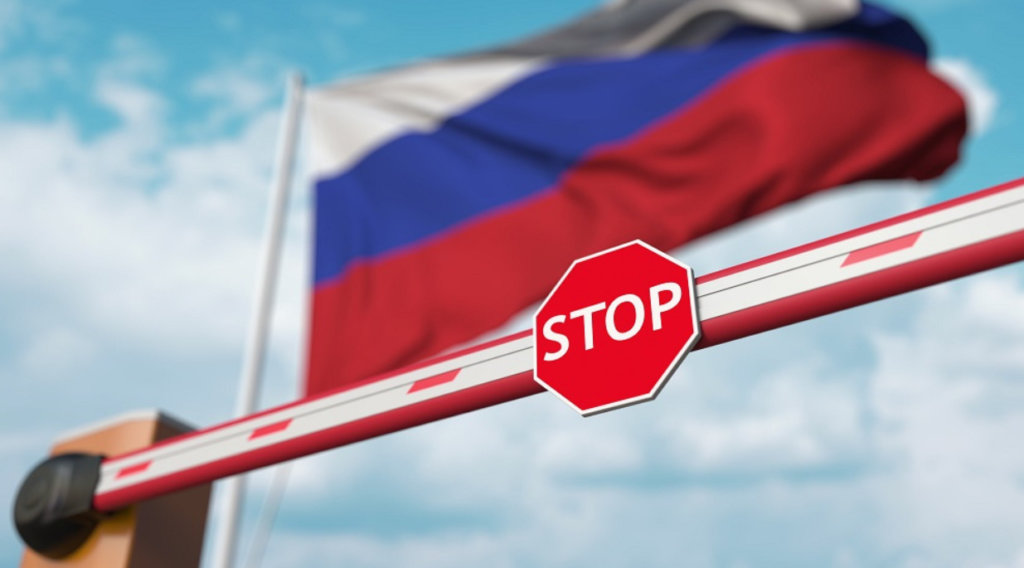
The EU has already imposed sanctions, banned many Russian imports and raised tariffs on selected goods, including grain and fertilizers. But it still lacks a systematic mechanism that would directly channel revenue from Russian imports into Ukraine’s reconstruction. Tallinn is trying to turn that gap into a political issue.
The idea of tariffs on Russian goods is not merely fiscal. It has a moral and security logic: if Moscow continues to benefit from permitted trade, part of those flows should be made to work against the consequences of its own aggression. Otherwise, Europe finds itself in a paradoxical position, where the market softens the impact of sanctions.
For Estonia, this way of framing the issue is natural. The country has its own historical experience of Russian domination and does not view the war against Ukraine as a distant conflict. In Tallinn, the lesson is clear: if Russia does not pay a political and economic price, revanchism will return in another form.
Michal directly links compensation for damages to the prevention of future aggression. That is the crucial point. Ukraine’s reconstruction is not a charity project or a postwar grant. It is an element of European security, because without Russian accountability any ceasefire risks becoming only a pause before the next war.
Even frozen Russian assets do not solve the problem. Around €210 billion in Russian assets are blocked in Europe, but that is not enough to cover Ukraine’s full reconstruction. Estimates of the cost reach roughly €500 billion over a decade, and the figure may rise further if the war continues.
That is why the debate over Russian assets is expanding into a broader question: what other tools can the EU use to make Russia pay? Tariffs on Russian imports look less radical than full confiscation of assets, but they remain politically difficult.
Inside the EU, some countries have traditionally been cautious about using trade policy as a security instrument. Some fear legal disputes, others worry about damage to their own companies, while others fear creating a precedent that could change the rules of the European market. But the war has already changed the familiar boundaries of economic policy.
Seven countries, including Estonia, previously called for tariffs on Russian steel, fertilizers and other products. That initiative stalled and was not included in the EU’s 20th sanctions package. The delay shows that even after years of war, Brussels is still slow to move from punitive restrictions to a long-term financial architecture of responsibility.
For Ukraine, time is critical. Its economy has been drained by defense costs, destroyed production, labor migration and the constant need to sustain the army. The EU has approved a major loan package to keep Kyiv financially afloat, but loans cannot replace the logic of reparations.
Loans help the state survive today. Compensation mechanisms must answer a different question: who will pay for the destroyed cities tomorrow. If the answer again comes down to Western budgets, Russia effectively receives the privilege of destroying more cheaply than Europe can rebuild.
Estonia’s proposal has another dimension: visa security. Michal is also calling on the EU to tighten entry rules for Russian soldiers who took part in the aggression against Ukraine. His argument is blunt: after the war, hundreds of thousands of people with combat experience, trauma and militarized skills may seek work in private armies or semi-legal structures.
This is not only a question of justice for war crimes. It is a question of the EU’s internal security. People involved in aggression should not automatically gain access to European space after fighting against a country Europe supports. Tallinn’s logic is simple: if you took part in the attack on Ukraine, stay in Russia.
The scale of such a task is enormous. It could mean blacklisting a very large number of Russians connected to the war. That would require coordination among EU states, updated visa rules, data sharing, border-service involvement and political will from the European Commission.
In this area, the role of Kaja Kallas, Estonia’s former prime minister and now the EU’s foreign policy chief, may be especially important. For the Baltic states, the Russian threat has never been theoretical. They have long argued that European security begins not with compromise with Moscow, but with clear rules of deterrence.
Estonia’s proposal links two principles that the EU often treats separately: money and responsibility. Tariffs on Russian goods would help fund Ukraine’s reconstruction. Visa restrictions for participants in the aggression would help protect Europe from the transfer of violent experience into its own territory.
Politically, this is an uncomfortable agenda because it asks Brussels to move beyond its habitual caution. But that discomfort is precisely what makes it important. Russia’s war against Ukraine has shown that half-measures often only postpone difficult decisions and increase their future cost.
Europe can continue debating legal forms, tariff rates and technical procedures. But the strategic question has already been stated: will Russia pay for what it destroyed, or will the bill once again be handed to Ukraine and its allies? The answer will determine not only the pace of reconstruction, but whether aggression becomes economically punishable for Moscow.
Estonia is urging the EU not to wait for a postwar moment that may arrive too late. It argues that mechanisms of accountability must be built now — through tariffs, frozen assets, sanctions, visa rules and financial support for Kyiv. Ukraine’s reconstruction does not begin after the final shot. It begins with the decision on who will pay for the ruins.