























Hantaviruses rarely dominate the news. They do not move with the speed of a pandemic virus, do not produce daily global maps and do not transform city life within weeks. That is precisely why each new outbreak feels unsettling: the danger can remain invisible for a long time.
After reports of deaths aboard a cruise ship in the Atlantic, hantavirus has again moved from the narrow language of epidemiology into global attention. Confirmed infections were reported on board, several people died, and international health authorities began tracing passengers and crew.
The episode feels exceptional because of its setting: a cruise ship, the ocean, an enclosed environment and passengers from different countries. But the infection itself is not new. Hantaviruses have most likely accompanied humans for as long as people have lived near rodents.
According to Daycom’s earlier analysis, the central lesson of this outbreak is not that hantavirus has suddenly become a mass threat. It is that rare zoonotic infections remain part of the modern world, even when medicine, tourism and global logistics create the illusion of complete control.
Hantaviruses are carried by different species of mice and rats. Humans are usually infected not through bites, but by inhaling dust contaminated with particles of urine, droppings or saliva from infected rodents. That invisibility is what makes the risk so insidious.
The infection has several faces. In Europe and Asia, some hantaviruses are more often associated with kidney damage and hemorrhagic fever. In the Americas, the better-known form is hantavirus pulmonary syndrome, in which the disease can quickly turn into severe respiratory failure.
The first symptoms may look ordinary: fever, weakness, muscle aches, nausea and a general flu-like feeling. The dangerous turn comes later, when coughing, chest tightness and difficulty breathing appear. For some patients, that transition becomes fatal.
That is why hantavirus cannot be judged only by how often it appears. It is rare, but severe. Hantavirus pulmonary syndrome has a high fatality rate, making early recognition and intensive supportive care crucial.
The hardest fact is that there is no specific cure. Doctors can support breathing, stabilize the patient, move them into intensive care, provide oxygen and use advanced life-support measures. But modern medicine still has no drug that simply stops hantavirus.
That helps explain why such outbreaks can feel disproportionately frightening. In a world accustomed to expecting a vaccine, an antiviral pill or a rapid protocol, hantavirus points to an older boundary of medicine: sometimes the main protection is not treatment after infection, but avoiding contact with the source.
The modern medical history of hantavirus began in war. In the 1950s, during the Korean War, thousands of soldiers developed a severe fever with kidney damage. The virus took its name from the Hantan River, near where cases were documented. A little-known infection became the subject of serious scientific study.
Later, researchers realized that outbreaks had occurred earlier in Siberia, Europe and China. But it was after the Korean experience that hantaviruses began to be understood as a distinct family of pathogens tied to specific rodents, environments and conditions of human life.
In 1993, the United States encountered another face of the threat. In the Four Corners region of the American West, people began dying from a mysterious lung illness. The source was the Sin Nombre virus, linked to deer mice. The episode showed that the Americas had their own dangerous strains.
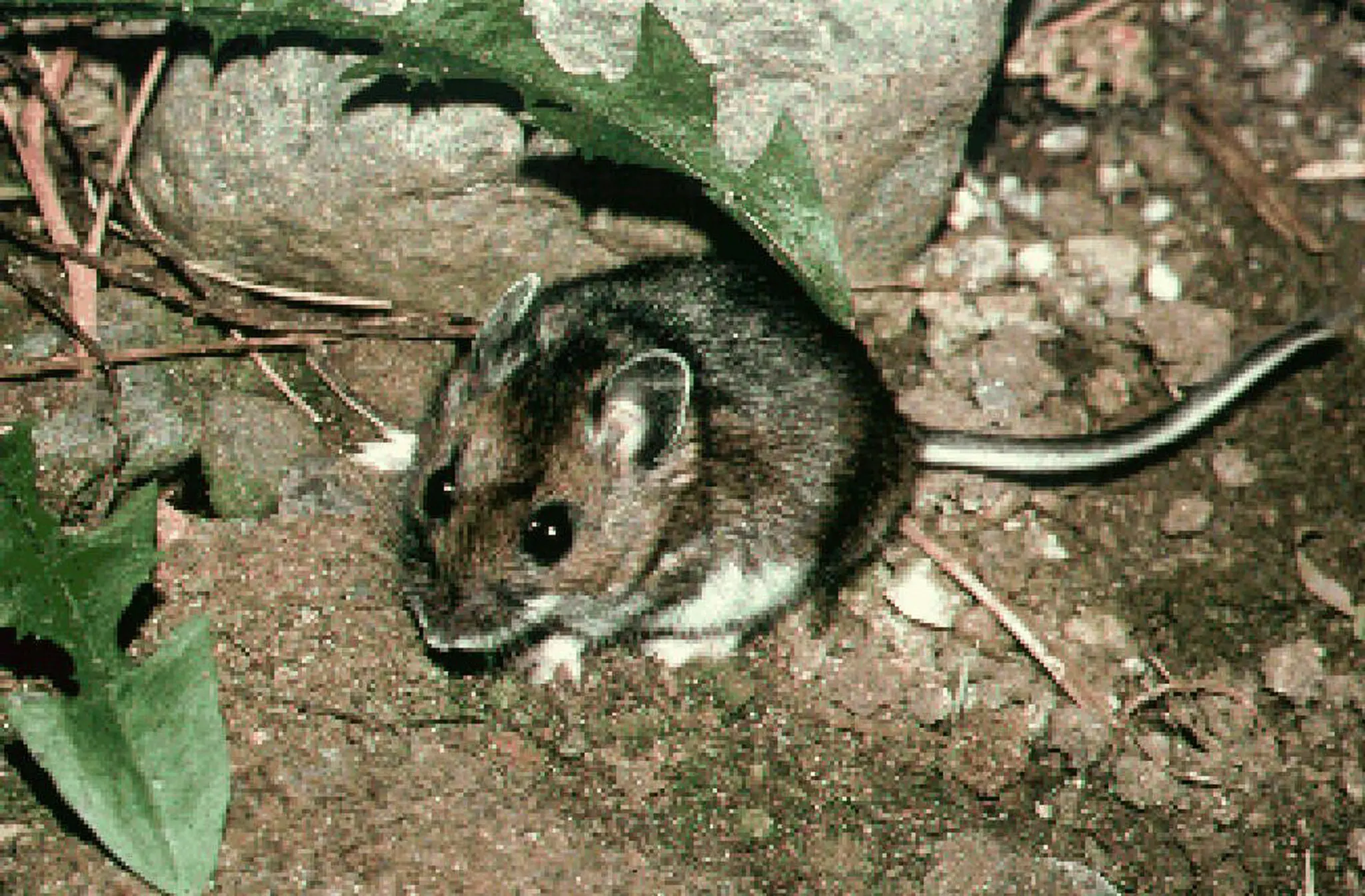 Відомо, що оленячі миші, яких можна знайти по всій території Сполучених Штатів, є носіями хантавірусу — Університет Мексики
South America added another important detail: the Andes virus. It became especially significant because it is the hantavirus for which rare person-to-person transmission has been clearly documented. For most hantaviruses, such spread is not typical; the main route remains from rodents to humans.
That is why the cruise ship outbreak has drawn such close attention. If the Andes strain is involved, epidemiologists must consider not only possible exposure to rodents before boarding or on the vessel, but also close human contacts. Even then, the risk to the broader public remains low because this kind of transmission is the exception, not the rule.
The cruise ship has become a symbol of modern vulnerability. People travel between continents, enter ports, visit natural areas and return to enclosed cabins and dining rooms. An infection that begins with a rodent can quickly become an international event.
But the dramatic setting should not create panic. Hantavirus does not behave like measles or COVID-19. It does not spread easily through casual airborne contact between strangers. The key risk remains exposure to environments where infected rodents, nests, droppings, urine and contaminated dust are present.
That is why prevention looks less like medical heroism than careful housekeeping: rodent control, safe cleaning of abandoned or enclosed spaces, avoiding dry sweeping of contaminated dust, and protecting homes, storage areas, campsites and ships from mice and rats. It is not dramatic, but this is where safety begins.
The problem is that rare diseases often lose the competition for money. When cases are few, the pharmaceutical market sees little incentive, and governments tend to postpone research until the next outbreak. Then deaths occur, and the world asks again why there is still no simple solution.
Hantavirus is a reminder that zoonotic infections do not disappear because humanity rarely talks about them. They live in fields, forests, ports, cabins, campsites, warehouses and, as this outbreak shows, even in the context of distant sea travel.
The deadly outbreak on the ship does not mean a new pandemic has begun. It means something else: the boundary between wildlife, human life and global routes remains thin. As long as rodents live near people, hantaviruses will not vanish. They will simply wait for the moment when dust rises into the air again.