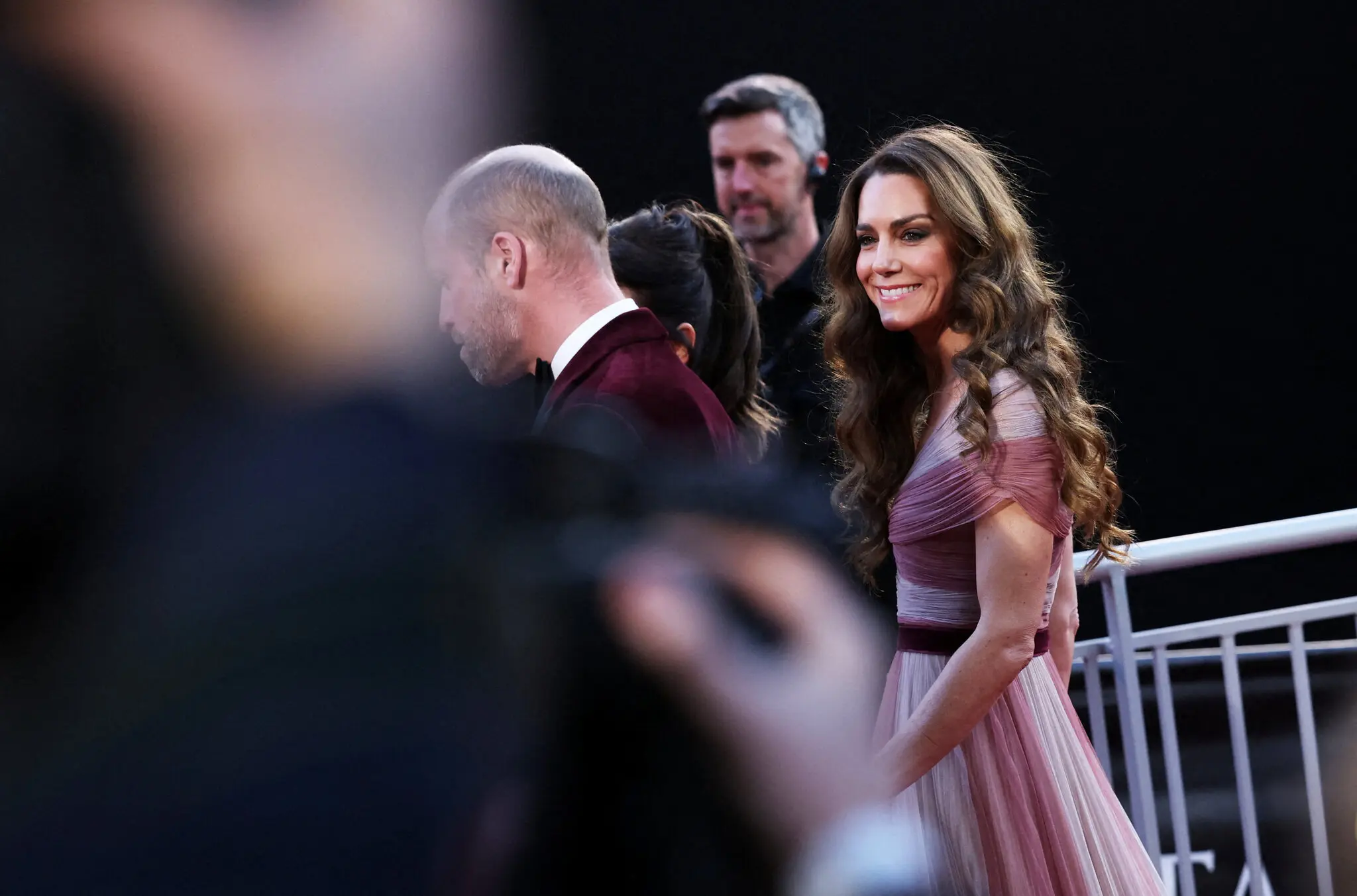











Lauren Sánchez Bezos does not simply appear in fashion. She enters it the way certain people enter a room: followed not only by security, but by an entire economy of attention. Her clothes are not about the quiet confidence of old money, the discipline of taste or restrained elegance. They are about visibility, victory, body, shine and the right to occupy the center of the frame.
That is why her presence at the 2026 Met Gala became more than a society-page episode. Beside Jeff Bezos, one of the most powerful technology billionaires in the world, she stood not merely as a guest, but as a figure through whom the fashion industry revealed its own dependence on enormous wealth.
The Costume Art exhibition at the Metropolitan Museum was meant to speak about clothing as art: body, form, material and cultural memory. But public attention inevitably shifted to a more uncomfortable question: who finances beauty now, who buys access to symbolic power, and what price fashion pays for that bargain.
Daycom’s assessment is that Sánchez Bezos became so visible not because of the exceptional quality of her style, but because of the precision of the moment. She arrived at the point where fashion had lost confidence in its older sources of authority and had grown increasingly willing to accept money from people it still cannot fully legitimize culturally.
That tension becomes sharper against the backdrop of “The Devil Wears Prada 2.” The return of Miranda Priestly arrived just as the glossy magazine world that once seemed almost unshakable no longer controls taste, information flow or even its own business model.
In the first film, Miranda was a cold, severe, almost monarchical figure of editorial power. She could diminish a career with a glance, define a season with a word and explain, in one devastating monologue, why even indifference to fashion still belongs to fashion’s system.
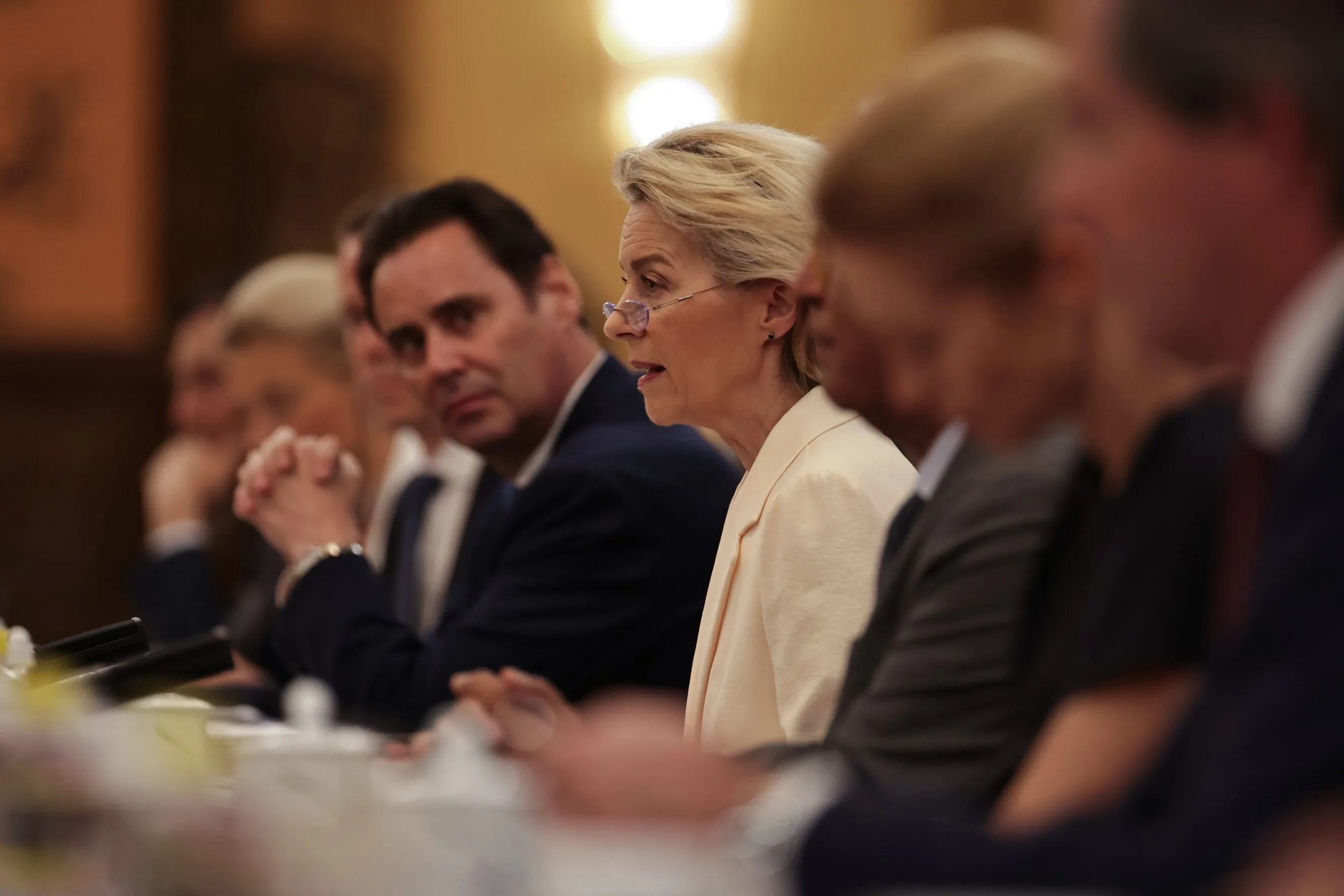
In the new context, that kind of authority looks tired. It is challenged not merely by a younger generation, but by technology capital, data, platforms, algorithms, influencers, shrinking newsrooms and billionaires who can buy not only advertising, but the very stage on which prestige is produced.
In that sense, Lauren Sánchez Bezos is not an accidental society figure. She is almost the perfect character for the age. She loves fashion, but her love does not read as a dialogue with craft, history or idea. It reads as consumption at maximum volume, where a dress is less a designer’s statement than a price board of access.
This does not mean her style should be reduced to caricature. She does not fit the old template of “serious” female elegance: she does not hide the body, pretend indifference to cameras or choose the safe palette of cashmere invisibility. There could be freedom in that.
But instead of a new language, another cliché often appears: corseted femininity, glossy sexuality, theatrical confidence, the body as a luxury display case. This is not a rebellion against the fashion order. It is that order adapted to an era in which attention has become the primary currency.
The Met Gala has always been a machine for turning money into cultural authority. In earlier years, the machine operated more delicately. Brands, museums, editors, designers and celebrities worked together to sustain the illusion that the event was primarily about art, fantasy and fashion memory. Now the mechanism is too visible.
When technology billionaires become central benefactors of a fashion institution, an awkward question follows: is culture receiving support, or is it becoming a prestige service for capital that needs a human face, soft lighting and a photogenic climb up museum steps?
For the industry, this is a dangerous but convenient bargain. Fashion is facing weaker sales, audience fatigue, the decline of magazine influence, competition from social media and a painful transition into a new attention economy. It needs patrons, buyers, grand gestures and people who can turn their own presence into a news event.
The Bezoses offer exactly that: money, scale, controversy, social magnetism and a constant tension between fascination and irritation. Their participation makes the event more visible, but it also exposes what fashion once worked hard to conceal behind the language of beauty.
That is the disturbing irony. Costume Art speaks of clothing as art, while the louder question around it becomes clothing as possession. Not the dress as a form of thought, but the dress as proof of access. Not style as culture, but style as a shareholder signal.
“The Devil Wears Prada 2” works through the same fracture. If the old Miranda governed taste through the editorial room, the new players govern it through infrastructure: platforms, capital, data, attention and purchasing power. In that world, the editor is no longer fashion’s high priestess. She is closer to the last guardian of a language the market is ready to replace with metrics.
Sánchez Bezos is not destroying fashion. She is showing what fashion risks becoming when it loses the ability to distinguish support from submission. Her looks attract attention, but they rarely force a conversation about a designer’s idea, the history of a fabric or the complexity of a silhouette. More often, they return the gaze to the capital that made the appearance possible.
That is the real fashion end time — not the end of clothes, glamour or red carpets. It is the end of the old arrangement under which fashion could serve wealth while pretending to serve only beauty.
The new arrangement is cruder. It says openly that money does not merely want to buy things; it wants to be recognized as taste. Billionaires do not merely want to collect art; they want to enter it as protagonists. Institutions want to survive, so they accept alliances that may make them richer without necessarily making them stronger.
Lauren Sánchez Bezos has become the face of that shift because her public style does not hide the central fact. It does not apologize for excess. It does not disguise privilege as modesty. It does not try to prove that wealth can be invisible. Instead, it makes wealth bodily, glossy and relentlessly photographable.
Perhaps that is why she irritates the fashion world so much. Not because she breaks its rules, but because she reveals their current condition too plainly. The industry has long worshiped the customer, but preferred that customer to appear refined, silent and stylistically disciplined. Sánchez Bezos arrives as buyer, event and mirror.
In the end, the question is no longer whether her dress is good, whether the corset is appropriate or whether the hair is convincing. The question is whether fashion can still create authority that is not reducible to money, access and volume. And whether it can still speak about beauty when the loudest message is not the look, but the name of the person who paid for it.