
















Russia’s fuel crisis is no longer a set of local disruptions at individual filling stations. It is becoming a map of restrictions, with regions introducing limits, banning fuel sales into canisters, trying to curb panic buying and shifting distribution into manual control.
Officially, authorities describe the problem as temporary logistical difficulties, increased demand or measures against artificial shortages. But the geography of the crisis says more: strikes on refineries and supply routes are now affecting not only occupied Crimea, but also Russia’s own internal mobility.
In central Russia, restrictions have affected the Tver, Lipetsk, Tambov, Vladimir, Kaluga and Tula regions. In some areas, certain gasoline grades are missing; elsewhere, sales are capped at 30 to 60 liters per vehicle, or fuel into canisters is restricted to prevent stockpiling.
According to Daycom’s assessment, the key signal is not the queues themselves, but the changing behavior of the state. When regional authorities ask people to drive less, avoid hoarding fuel and wait for reserves to be replenished, it means the market has already lost its usual predictability.
Russia’s south and west have also entered a regime of restrictions. In the Rostov region, shortages are being linked to reduced output at major refineries. In Makhachkala, some stations are limiting gasoline sales to 20 liters per vehicle and diesel to 50 liters. This is no longer just an inconvenience for drivers; it affects transport, trade and daily movement.
The harshest situation has emerged in occupied Crimea and Sevastopol. Fuel sales to residents and businesses have effectively been curtailed, with supplies redirected toward security structures, municipal services and critical needs. At the same time, some tourist activities and children’s camps have been suspended until September.
For Crimea, this is especially painful. The peninsula has served Moscow not only as a military foothold, but also as a resort backdrop of normality. That backdrop is now cracking over fuel: without stable gasoline supplies, there can be no reliable tourist season, regular travel, predictable logistics or sense of control.
In the Volga region, the crisis is spreading through filling station networks and regional caps. Udmurtia has restricted sales of AI-95 gasoline, Tatarstan held meetings after queues appeared, Saratov introduced a temporary limit of 30 liters per vehicle, and restrictions appeared at stations of one regional network in Samara.
Major fuel networks are playing a separate role. After strikes on refining capacity, limits at Tatneft stations became one of the most visible markers of the crisis. In some regions, reports pointed to caps of 20 liters per customer, while independent estimates suggested fuel problems had already appeared across dozens of Russian regions.
Siberia shows another dimension of the problem — less domestic than functional. In the Irkutsk region, the situation with fuel for agricultural needs was described as complicated. The region later moved to manual distribution, prioritizing emergency services, public transport, municipal utilities and agriculture.
That is a significant threshold. When fuel is distributed not by market availability, but by priority lists, the state is effectively acknowledging a shortage of a critical resource. In that model, diesel and gasoline stop being ordinary commodities and become tools for keeping a region minimally functional.
In the Novosibirsk and Omsk regions, restrictions are also being prepared or introduced, officially to prevent panic buying and speculation. The language repeats across the country: authorities avoid admitting a systemic shortage and instead frame the problem as consumer behavior.
In the Far East, the Amur region announced filling station limits to prevent what officials called artificial hyst country: authorities avoid admitting a systemic shortage and instead frame the problem as consumer behavior.
In the Far East, the Amur region announcederia among the population. In Khabarovsk, gasoline sales were restricted in some districts because of supply shortages. The farther a region lies from major centers, the sharper its dependence on logistics becomes.
This geography shows the main point: the fuel crisis is spreading not in a single line, but in patches. One region loses AI-95, another limits diesel, a third bans canisters, a fourth reserves fuel first for utilities and farmers. Together, those patches form one picture.
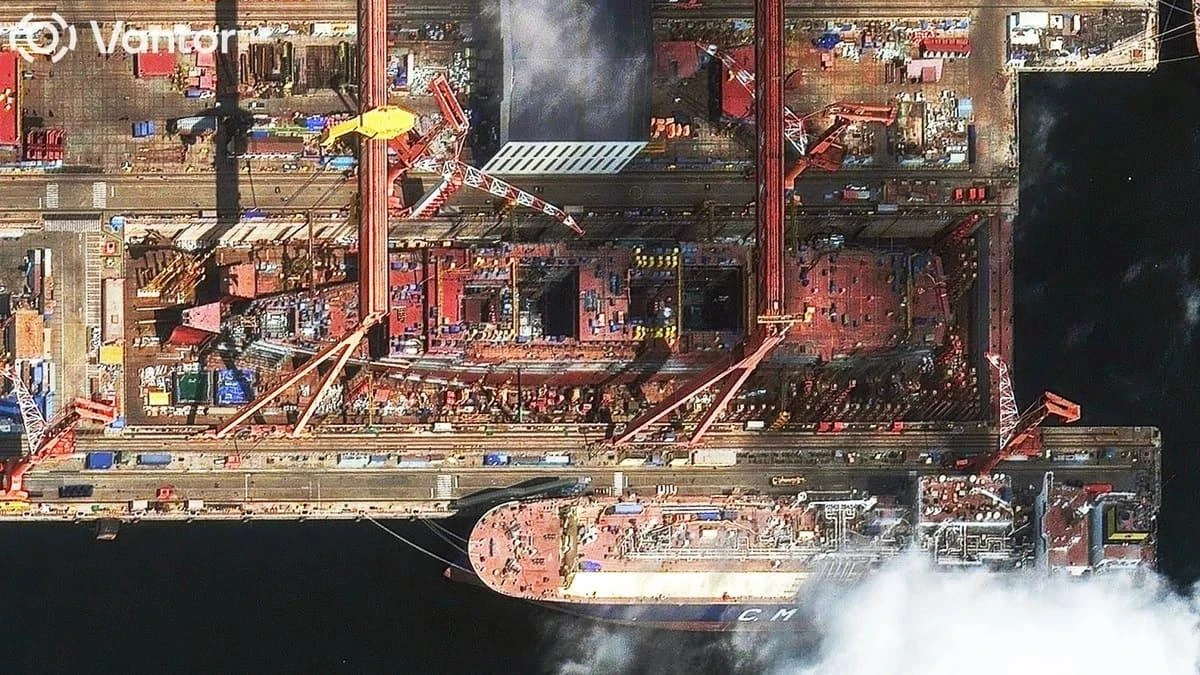
The cause is not only higher seasonal demand. Ukrainian strikes on Russian refineries, oil depots, supply routes and occupation logistics have created a cascade effect: repair pauses, lower output, uneven distribution, regional queues and administrative intervention.
The Kremlin is trying to keep the crisis inside a managerial frame. The government speaks of market stabilization, support for the sector, possible tax measures and even restrictions on diesel exports. But each such step shows that ordinary market mechanisms are no longer enough.
For Russia, this is a particularly sensitive paradox. The country remains a major oil producer, but access to crude does not guarantee access to finished fuel. If refineries are damaged or overloaded, if logistics are disrupted and regions begin stockpiling, gasoline and diesel can become scarce even in an oil state.
For Ukraine, the strategic meaning of such strikes is not only the physical damage to plants. The aim is to raise the cost of the war: force Russia to spend resources on repairs, reduce export flexibility, prioritize the domestic market and explain to citizens why fuel has suddenly become rationed.
So far, the shortage has not grown into an open political crisis. Russia’s system tightly restrains protest, and regional authorities try to translate tension into the language of temporary difficulties. But queues, limits and bans on canisters have their own political effect: they remind people daily that the war has reached everyday infrastructure.
Fuel is the nervous system of a large country. Through it move food supplies, buses, ambulances, farm machinery, construction, industry and military logistics. When that system begins to operate under limits, the state loses not only comfort, but part of its familiar governability.
That is why Russia’s filling station restrictions matter more than a local story about queues. They show how strikes on energy infrastructure are gradually turning the war from a distant television campaign into a problem of routes, tanks, deliveries and daily planning. For the Kremlin, this is a dangerous change of scale: shortages begin with liters, but end with questions about the resilience of the system.