

















Latvian Prime Minister Evika Silina resigned after a crisis triggered by incidents involving Ukrainian drones in Latvian airspace. Formally, this is a domestic government dispute. In substance, it is about the security nerve of NATO’s eastern flank.
The drones entered Latvia from the direction of Russia and exploded near a fuel facility. Latvia’s army did not detect them while they were in flight, turning a technical incident almost immediately into a political crisis. For Riga, the problem was not only where the drones came from, but the fact that the warning and protection system reacted too late.
Silina dismissed Defense Minister Andris Spruds, blaming him for the slow development of anti-drone capabilities. In response, his party, the Progressives, withdrew from the governing coalition. The cabinet lost its parliamentary majority and became exposed to a possible no-confidence vote.
For Daycom, this resignation is a symptom of the new politics of war in Europe. The Russia-Ukraine front no longer ends on the battlefield map. Its consequences enter NATO airspace, fuel depots, parliamentary coalitions and pre-election calculations.
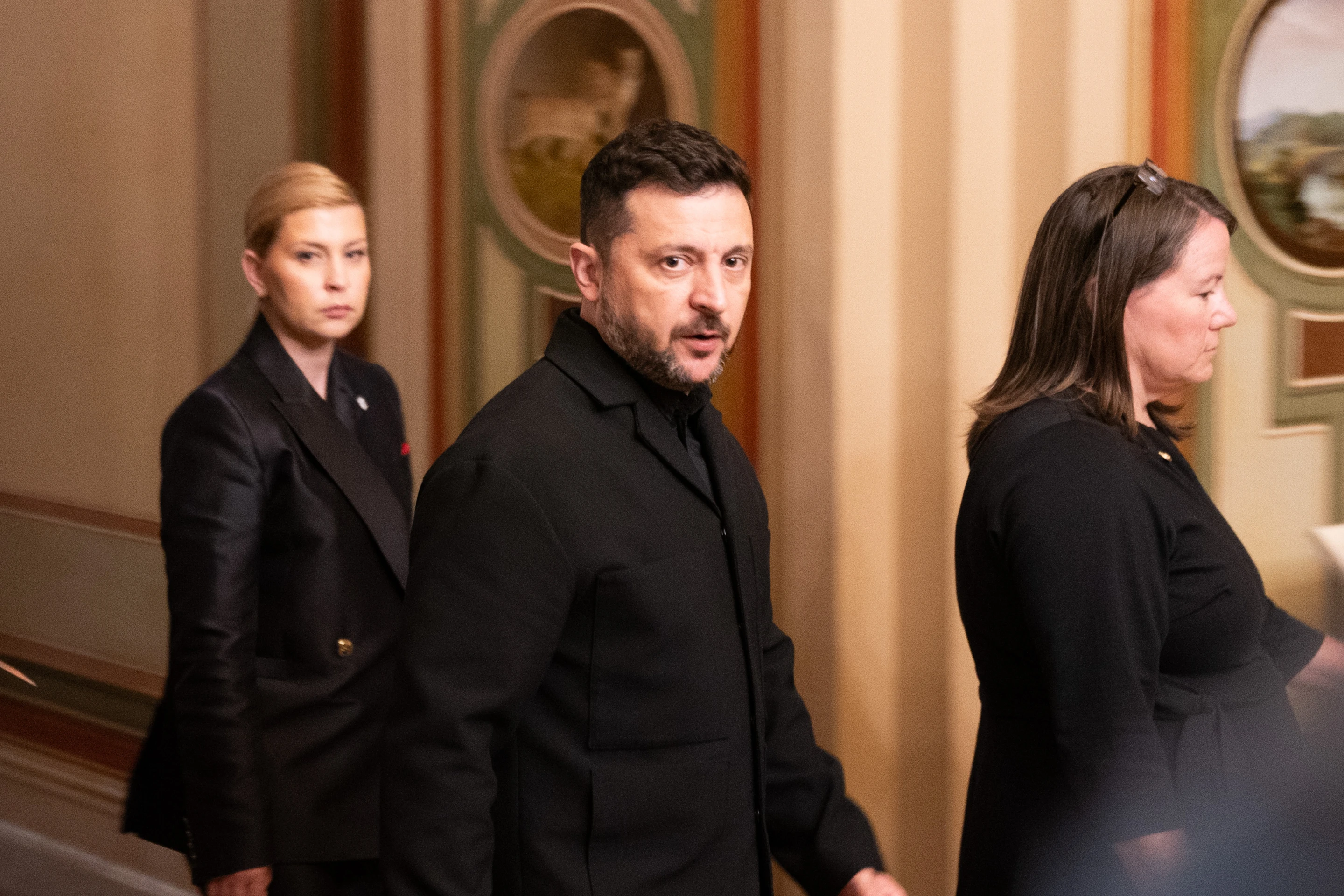
Silina said she was leaving, but not giving up. Her government will remain in a caretaker role until a new cabinet is formed, while President Edgars Rinkevics is expected to consult parliamentary parties. With elections due in October, Latvia is entering a period of controlled but dangerous uncertainty.
The crisis is especially painful because Latvia is among the countries that understand the Russian threat most clearly. Its political class has spent years calling for stronger defense, support for Ukraine and NATO readiness for hybrid scenarios. Yet the drone incidents exposed the gap between accurate diagnosis and practical readiness.

Ukrainian drones attacking targets in Russia can drift off course, lose control or be diverted by electronic warfare. In any of these scenarios, the result for Latvia is the same: its territory becomes part of a risk created not by its own policy, but by the war next door.
This is where a difficult political dilemma begins. The Baltic states remain among Ukraine’s most consistent allies. But even for an ally, drone incidents on its territory become an internal security problem. Support for Kyiv does not cancel the duty to protect one’s own sky.
Silina tried to show firmness by dismissing the defense minister. But that move broke the coalition balance. The Progressives saw Spruds’s dismissal not as managerial accountability, but as a political strike against a partner. In fragile coalitions, such moments often become the point of collapse.
This is an important lesson for all of Europe. Anti-drone defense is no longer a technical detail of military planning. It has become part of state trust. When citizens see drones crossing the border, flying undetected and exploding near infrastructure, the issue moves at once from military headquarters to the cabinet room.
Latvia’s situation is sharpened by the electoral calendar. Months before the vote, citizens are looking not only at party programs, but at the government’s ability to act under pressure. Silina’s New Unity no longer looks like an unquestioned center of stability, while the opposition has gained a strong argument about weak security management.
Polling shows a fragmented political scene: many undecided voters, weak support for core governing forces and space for the opposition. That means any new cabinet, even if formed quickly, will operate under the pressure of a short horizon and a permanent campaign.
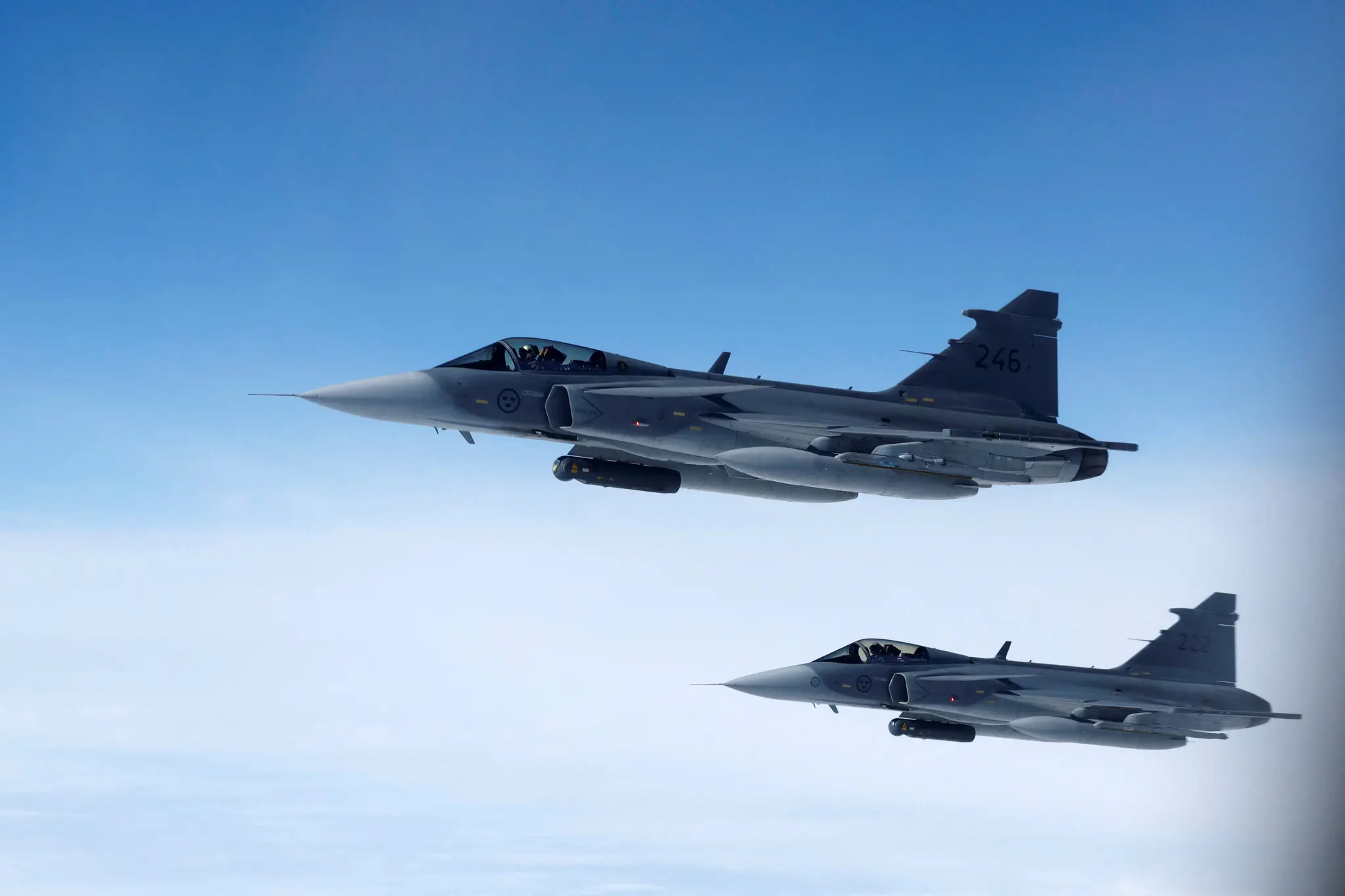
For NATO, the Latvian crisis matters as well. The alliance is accustomed to thinking about the eastern flank through tanks, troops, battalions and air defense systems. But drones have changed the nature of border violations. A small device carrying explosives, or crashing into an infrastructure site, can trigger a political chain reaction no weaker than a conventional military incident.
Ukraine has offered Latvia expert assistance to strengthen air defense. That is a logical step: Ukrainians have the most extensive practical experience in countering mass drone attacks. But such help does not remove the question of why a NATO country had to wait for a crisis to accelerate this work.
Riga now has two tasks at once. The first is technical: to close gaps in detection, warning, interception and the protection of critical infrastructure. The second is political: to form a government that does not become hostage to the next incident.
Silina’s resignation does not mean Latvia’s strategic course will change. Support for Ukraine and vigilance toward Russia will remain basic positions for most political forces. But it shows that even the right course can be undermined by poor execution, delayed reaction and weak coalition discipline.
This story is a warning to all countries bordering Russia’s war. Security is no longer measured only by whether a state is ready for a major attack. It is measured by whether it can see a small drone at night, warn people in time, protect a fuel depot and prevent the debris of someone else’s war from bringing down its own government.