

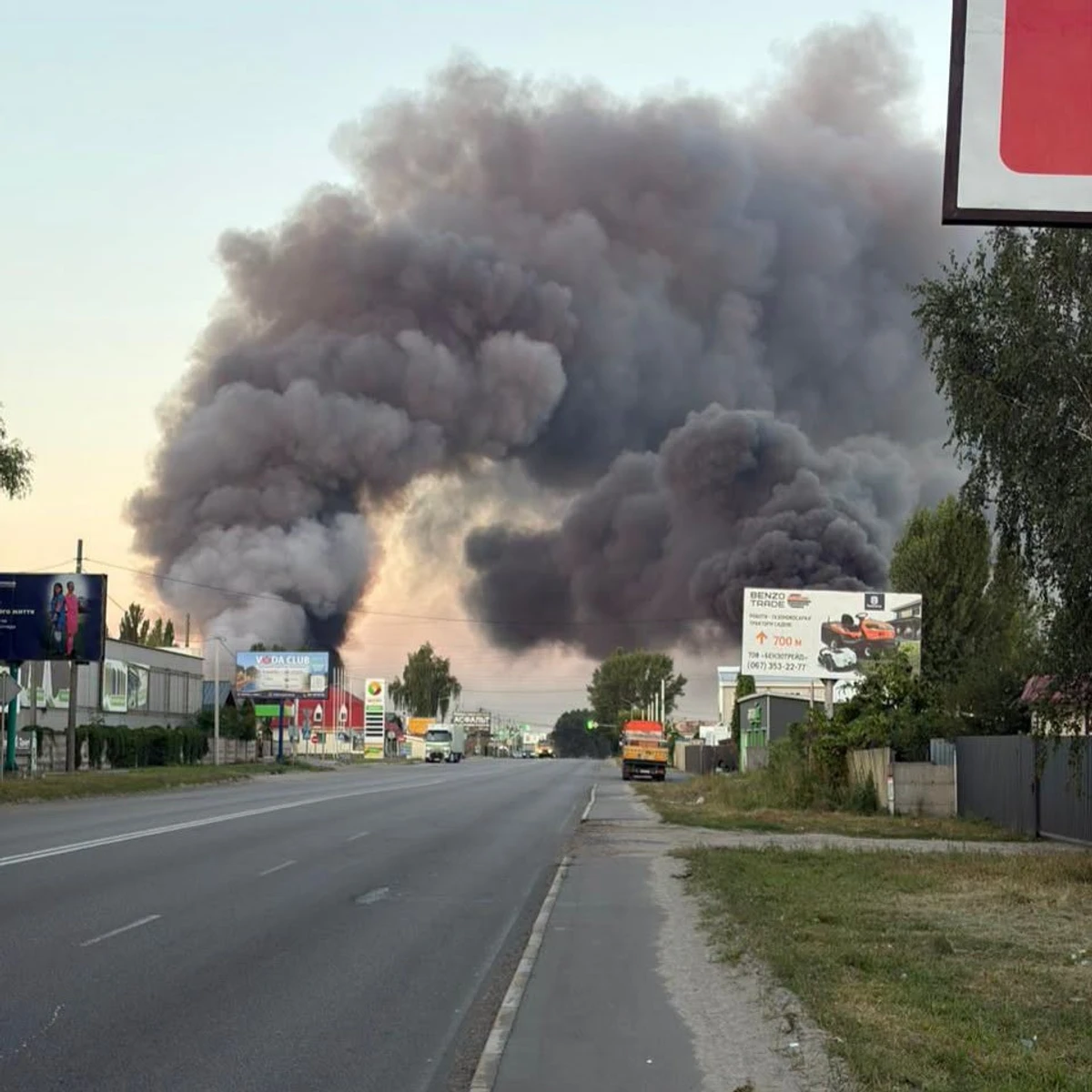


















Two drones entered Latvian airspace from Russia and crashed near Rēzekne, roughly 40 kilometers from the Russian border. One of the incidents damaged empty oil tanks but did not cause a major accident. Latvia opened an investigation and placed greater attention on the security of its airspace.
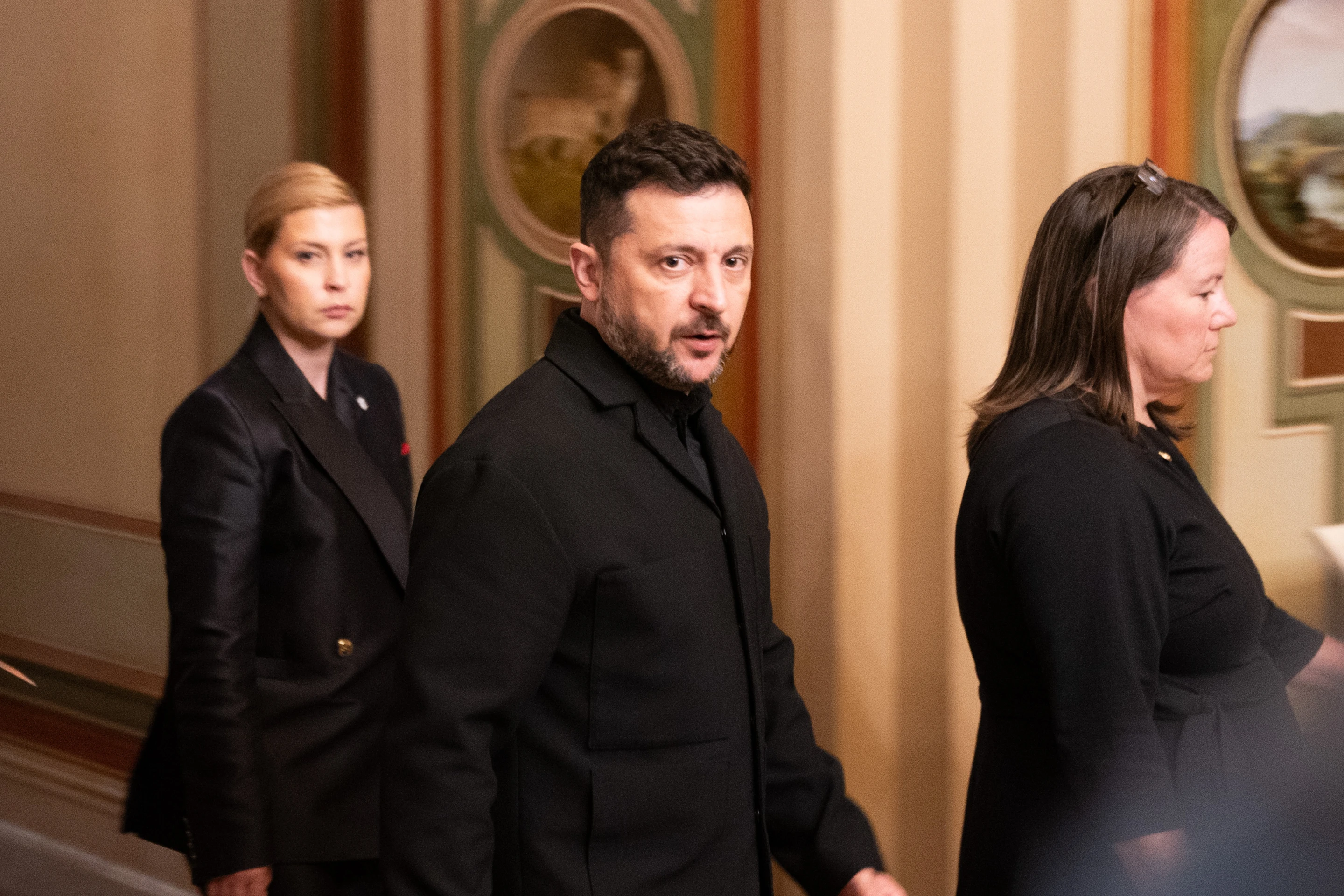
Kyiv did not automatically deny responsibility. Foreign Minister Andrii Sybiha said that if the drones are confirmed to have been Ukrainian and deliberately redirected toward Latvia by Russian electronic warfare, Ukraine will offer sincere apologies to its Latvian partners. That formula matters: it combines diplomatic responsibility with recognition of Russian technological interference.
According to Daycom’s earlier analysis, incidents of this kind are becoming a new gray zone of the war. They do not automatically trigger major escalation, but they force allies to reconsider the boundary between the Ukraine-Russia battlefield and their own security. For the Baltics, that boundary has long ceased to be abstract.
Latvia, Lithuania and Estonia sit next to Russia and close to its military routes. That means every trajectory error, navigation failure or electronic warfare intervention quickly becomes a NATO issue. The region has already seen drone incidents linked to aircraft that deviated from their routes during strikes against Russian targets.
Ukraine’s proposal to send expert teams to the Baltic states has several layers. The first is practical: Kyiv has accumulated rare experience in detecting, tracking, intercepting and analyzing drones in a real combat environment. The second is political: Ukraine is showing that it does not ignore allied concerns and is ready to help reduce risks.
This is especially important because Russia tries to turn such episodes into information weapons. If a Ukrainian drone ends up in the airspace of a NATO country, Moscow gains an opportunity to accuse Kyiv of dangerous escalation, even if the cause was Russian electronic interference or deliberate disruption of the flight path.
For Ukraine, this is a delicate problem. Long-range strikes against Russian oil depots, military sites, logistics hubs and industrial facilities have become one of the few ways to bring the war onto the aggressor’s territory. But the longer the drone routes become, the greater the risk of navigation failure, signal disruption or electronic warfare interference near borders.
For the Baltic states, the issue is even sharper. They support Ukraine and understand the Russian threat, but they cannot allow their airspace to become an accidental corridor of a wider war. Any wreckage, explosion or drone crash near a civilian site creates political pressure on governments and raises demands on NATO.
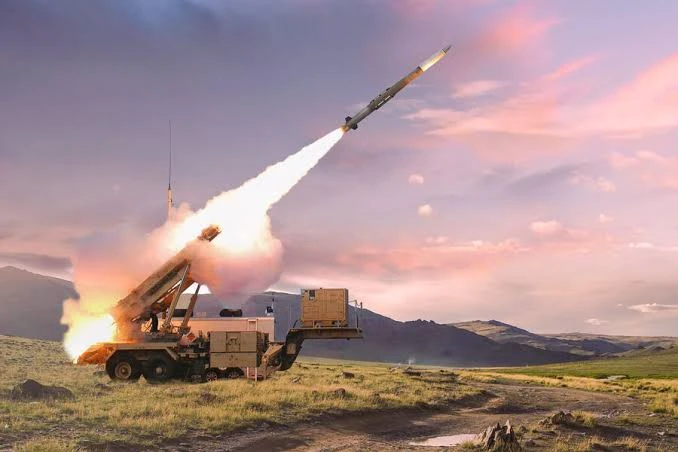
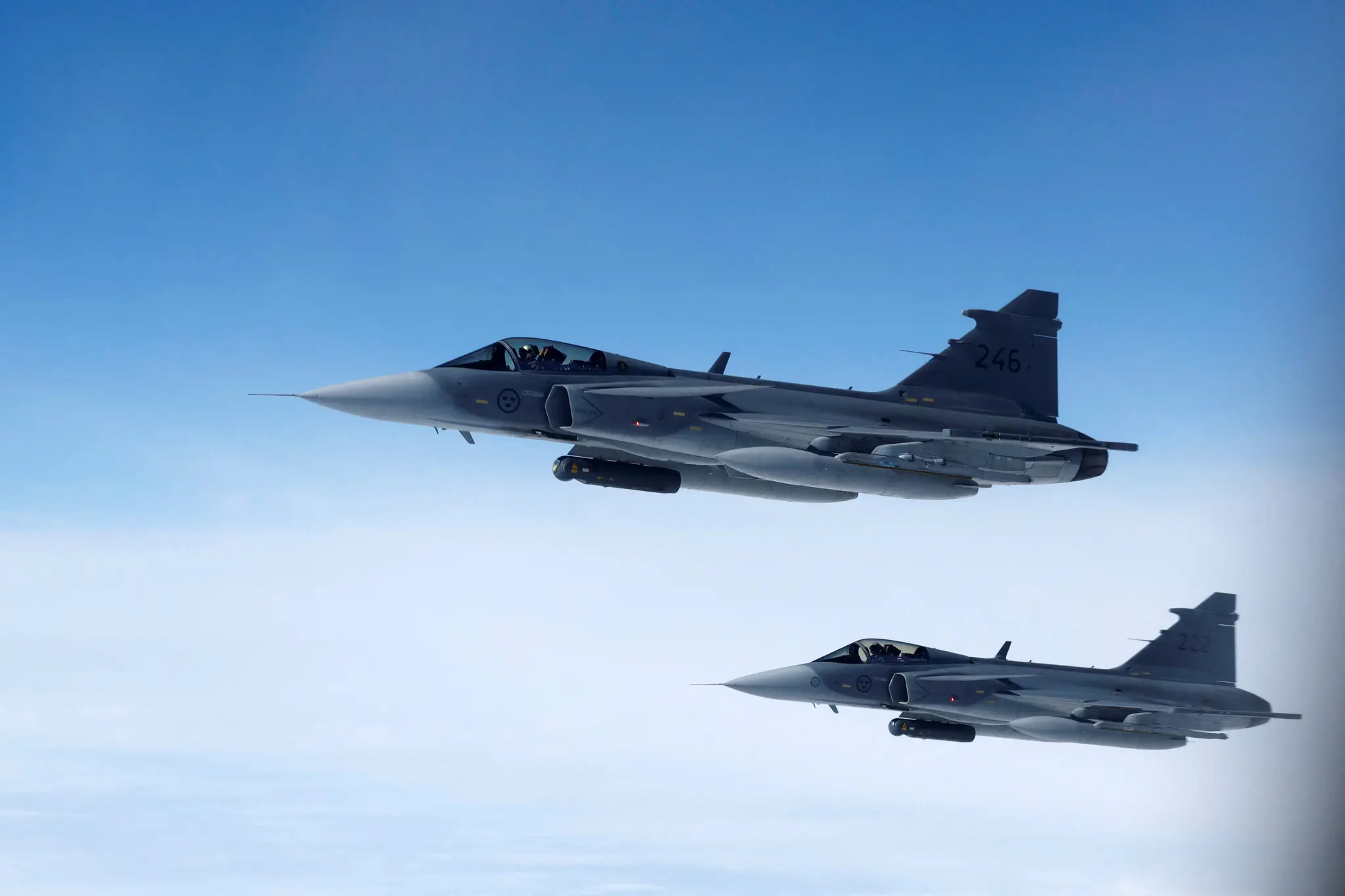
That is why Latvia and Lithuania have called on the Alliance to strengthen air defenses in the region. This is not only about fighter jets that have long patrolled Baltic skies. Drone warfare requires a different toolkit: low-altitude radars, mobile interceptors, electronic warfare systems, sensors, rapid-response teams and clear identification protocols.
For years, NATO built the defense of its eastern flank around the threat of missiles, aircraft and ground offensives. Now it must adapt to cheaper, slower and more numerous targets. A small drone may not carry strategic weight, but if it crashes in a city, at a plant or near an energy facility, it can create a crisis without any formal declaration of attack.
That is the defining feature of modern escalation. It may begin not with an order to strike, but with a trajectory altered by interference, a false signal or deliberate electronic disruption. In this kind of war, the legal question of “whose drone was it?” often comes only after the political effect has already occurred.
Ukrainian experts could be useful precisely in that space between technology and politics. They know the signatures of Russian electronic warfare, the routes of strike drones, typical debris patterns, air-defense evasion logic and methods for rapid flight analysis. For the Baltics, this would not replace NATO capabilities, but add a practical layer of knowledge from a country living under daily drone threat.
At the same time, Kyiv will have to act with maximum transparency. Allies need to understand risk routes, technical limits, possible deviation scenarios and prevention measures. Ukraine’s strength in this situation lies not in denying the problem, but in working with it openly.
For Russia, such incidents are useful on several levels at once. They alarm Baltic societies, test NATO’s response, create material for propaganda and try to sow distrust between Ukraine and its allies. Even a small drone, if it falls in the right political place, can become an instrument of pressure.
For NATO, however, the lesson is equally clear. The eastern flank cannot be protected only against a future large-scale war while ignoring the smaller incidents of the present. Baltic air security requires not symbolic reinforcement, but the daily ability to see, classify and neutralize low-altitude targets.
Ukraine’s offer to send specialists is a gesture of responsibility and a reminder that Russia’s war against Ukraine has long ceased to be contained within Ukrainian borders. It spreads through drones, electronic interference, debris, fear and political consequences.
The Baltic incidents do not change the central fact: responsibility for the war lies with Russia. But they do show that even Ukraine’s defensive response requires precise risk management. In the skies over Eastern Europe, there are no longer minor technical errors. Every trajectory has become political.