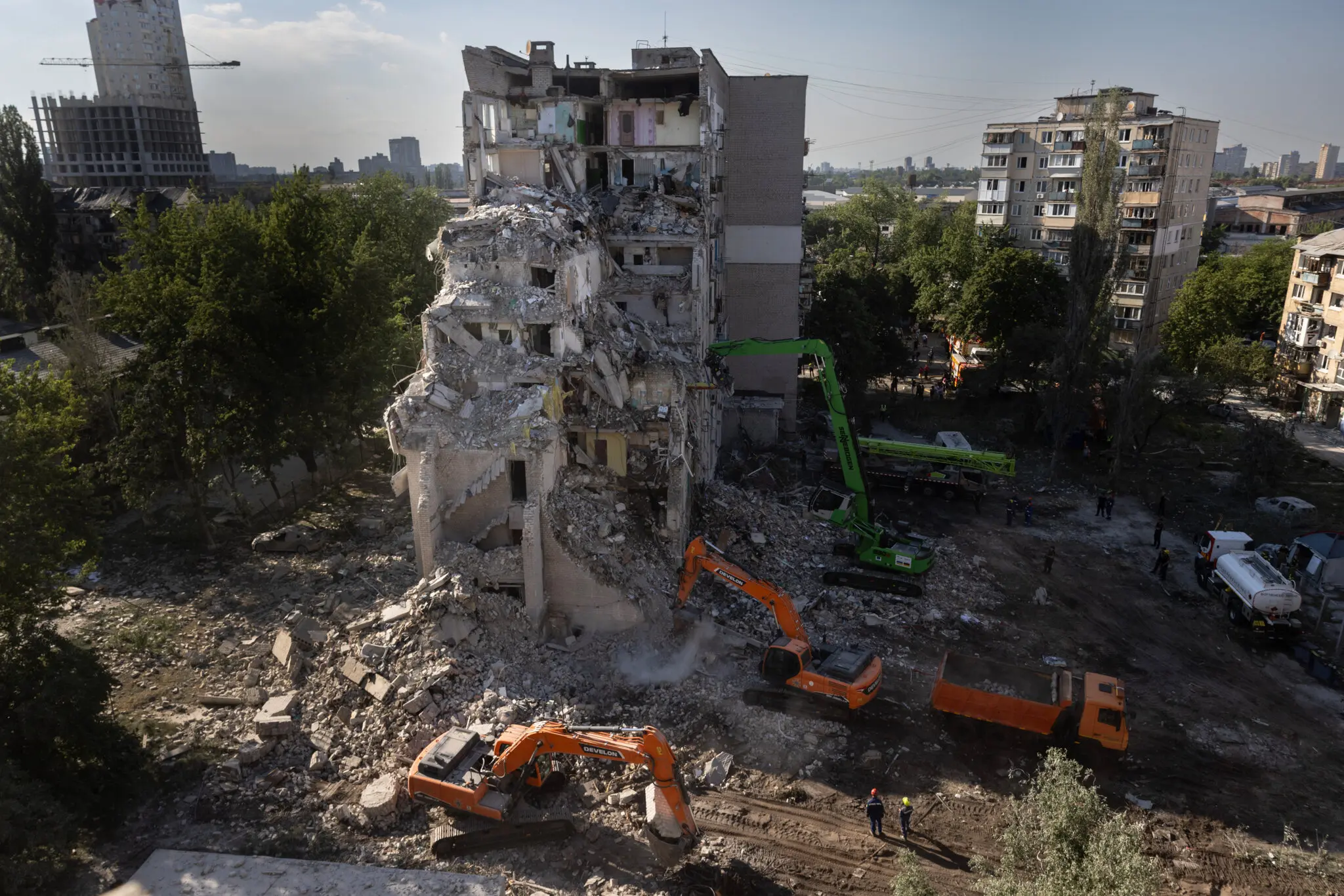



















The Russian strike on Vyshneve in the Kyiv region became one of those tragedies in which the front line suddenly appears not on a battlefield map, but in the middle of a residential area. After the ammunition depot was hit, the town was shaken by powerful secondary explosions, deaths and damage to hundreds of homes.
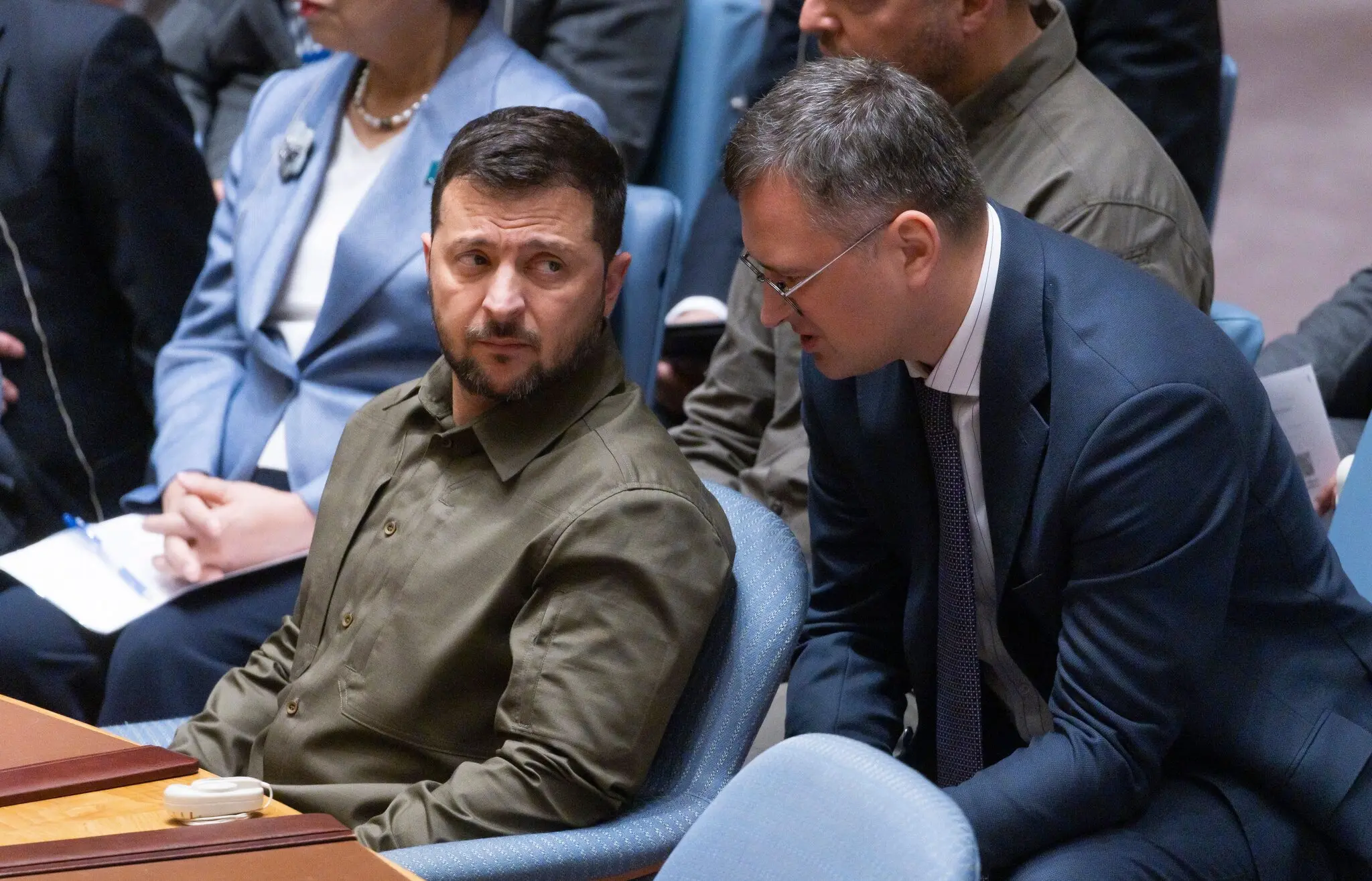
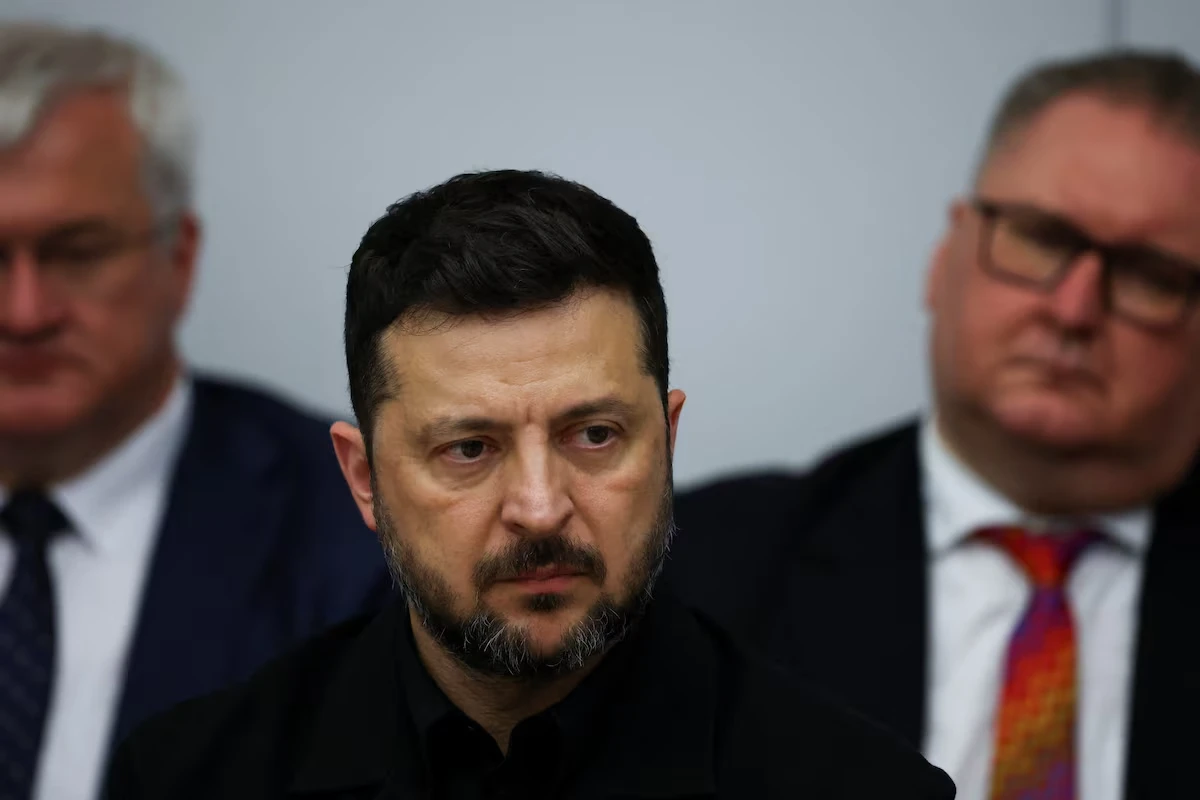
Volodymyr Zelensky acknowledged that Russian forces had struck an ammunition warehouse during the attack on the Kyiv region. He described the situation as “absolutely appalling” and said a criminal investigation had already been opened. It was a rare case in which Ukrainian authorities publicly confirmed damage to a military-related facility after a Russian attack.
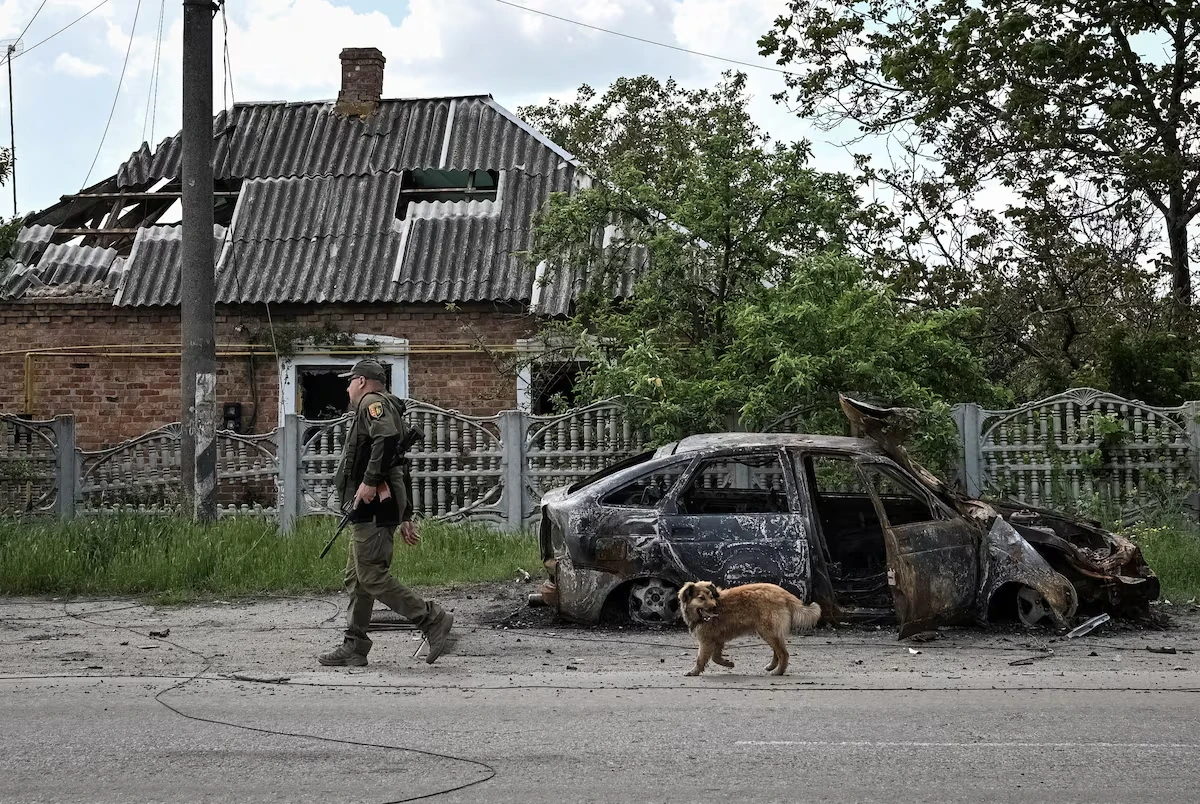
Ten people were killed in Vyshneve, and hundreds of houses were damaged. For residents, this is not merely another statistic of Russian shelling. It is a question of why a dangerous site was located so close to civilian space, whether people were warned about the risks and who should be held responsible for storing ammunition in such a place.
According to Daycom’s assessment, the main political meaning of this story is that it moves beyond the familiar division between aggressor and victim. Russia bears responsibility for the strike. But the Ukrainian state must answer a different question: whether internal decisions about the location and protection of the depot were professional enough to minimize harm to civilians.
War creates situations in which perfectly safe choices do not exist. Ammunition must be stored, moved, repaired, recorded and kept close enough to logistical routes. But that is precisely why safety standards must become stricter, not weaker. In rear towns, military infrastructure cannot exist as though there are no people around it.
The warehouse, owned by the state defense producer Ukroboronprom, has now become not only the target of a military attack, but also the subject of administrative and criminal responsibility. Zelensky said company officials would be held accountable and that some would be dismissed. That is an important signal, but it does not replace a full answer to how such a situation became possible.
The most painful issue for the community is the sense of being uninformed. Residents have spoken of negligence and a lack of information. In such cases, the absence of an explanation becomes a separate trauma. People lose not only homes or loved ones, but also trust that the danger around them had at least been understood and controlled.
For Ukrainian authorities, this case is dangerous also because it unfolded in a rear region that is constantly threatened by Russian attacks. The Kyiv region has long been a target for missiles and drones. Precisely for that reason, every warehouse, energy facility, repair base or logistics hub must be assessed not only in terms of military convenience, but also in terms of the consequences if it is hit.
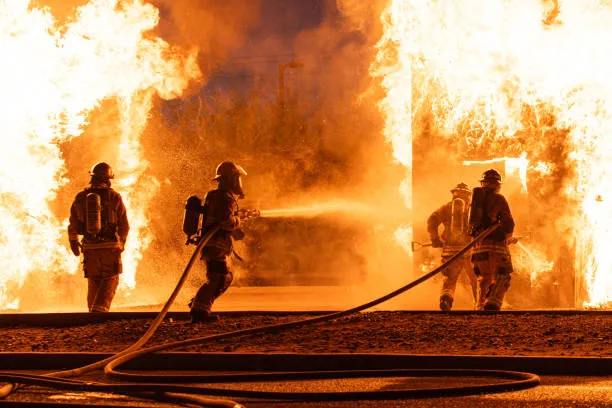
Secondary explosions are among the most terrifying features of strikes on ammunition depots. They turn a single hit into a series of uncontrolled detonations, expand the damage radius, complicate rescue work and sharply increase civilian losses. That mechanism appears to have turned the strike on the site in Vyshneve into a large-scale urban disaster.
Russia systematically seeks such targets. Its strategy is not limited to destroying Ukraine’s energy system or intimidating cities. It also searches for vulnerable military-logistical points where one strike can trigger a chain effect. Ammunition depots are especially attractive in this logic: the enemy strikes once, but the destruction multiplies because of the nature of the target.
That does not reduce the responsibility of the aggressor. But it increases the responsibility of the state that is defending itself. In a war against an enemy with intelligence assets, drones, missiles and a willingness to strike the rear, dangerous sites must be dispersed, protected and kept as far as possible from civilian risk. Otherwise, every hit becomes not only a military loss, but also a failure of management.
Zelensky’s public acknowledgment of the problem matters precisely because it is rare. In wartime, states usually do not disclose details about damage to military facilities, so as not to help the enemy. But when the consequences are visible to hundreds of families, silence no longer protects security. It only deepens mistrust.
The investigation now has to answer several key questions. Did the depot comply with safety standards? Was the ammunition stored properly? Was the risk of a strike assessed? Were there evacuation or public-warning plans? Could officials have anticipated the scale of secondary explosions in the event of a hit?
It is important that the investigation not turn into a search for a few convenient culprits. Society needs not only personnel decisions, but a change in practice. If the problem is systemic, dismissing individual officials will not prevent the next tragedy. It will only temporarily reduce political pressure.
For Ukroboronprom, this is also a blow to trust. Ukraine’s defense-sector enterprises are working under extremely difficult conditions: under threat of attack, with urgent needs at the front and with shortages of time and resources. But the strategic importance of this system is precisely why mistakes inside it carry such a high price.
Vyshneve has become an example of how war erases the boundary between front and rear. People may live tens or hundreds of kilometers from active combat and still be next to a site that, in Russia’s logic, is a target. This changes the very meaning of civilian safety in Ukraine. It can no longer be reduced to shelters during air alerts.
Ukraine needs a broader inventory of risks in rear communities. This means warehouses, repair bases, energy hubs, production sites and transport facilities. Some cannot be moved completely out of populated areas, but the concentration of dangerous materials can be reduced, protection can be strengthened, logistics can be changed and communication with local authorities can become more honest.
A separate issue is the right of communities to know about danger. Full openness is impossible in wartime: details of military facilities cannot become public. But between total secrecy and disclosure there is space for responsible interaction. Local authorities, rescue services and medical teams must have enough information to act quickly when a strike occurs.
The tragedy in Vyshneve can become a painful but necessary lesson. Russian strikes will not stop. On the contrary, Moscow will continue looking for targets where one hit can produce the greatest secondary effect. Ukraine’s response must involve not only stronger air defense, but also reducing the vulnerability of what air defense cannot always protect.
No investigation can return what the families of the dead have lost. But its quality will determine whether the tragedy is repeated in another town. War often forces the state to work at the limits of what is possible. Yet it is at that limit that the difference becomes visible between unavoidable harm from an enemy strike and harm that could have been reduced through better management.
Vyshneve became not only the site of a Russian strike. It became a test of Ukraine’s ability to speak honestly about its own mistakes during war. A strong state is not one that hides weak points until the last moment. A strong state is one that recognizes them quickly enough so that the next strike does not follow the same script.