


















Ukraine’s strikes on Russia’s energy sector are entering a new phase. This is no longer only about nighttime fires, brief regional statements or drone debris near industrial sites. The consequences are now being measured in halted units, weeks of repairs and lost refining capacity.
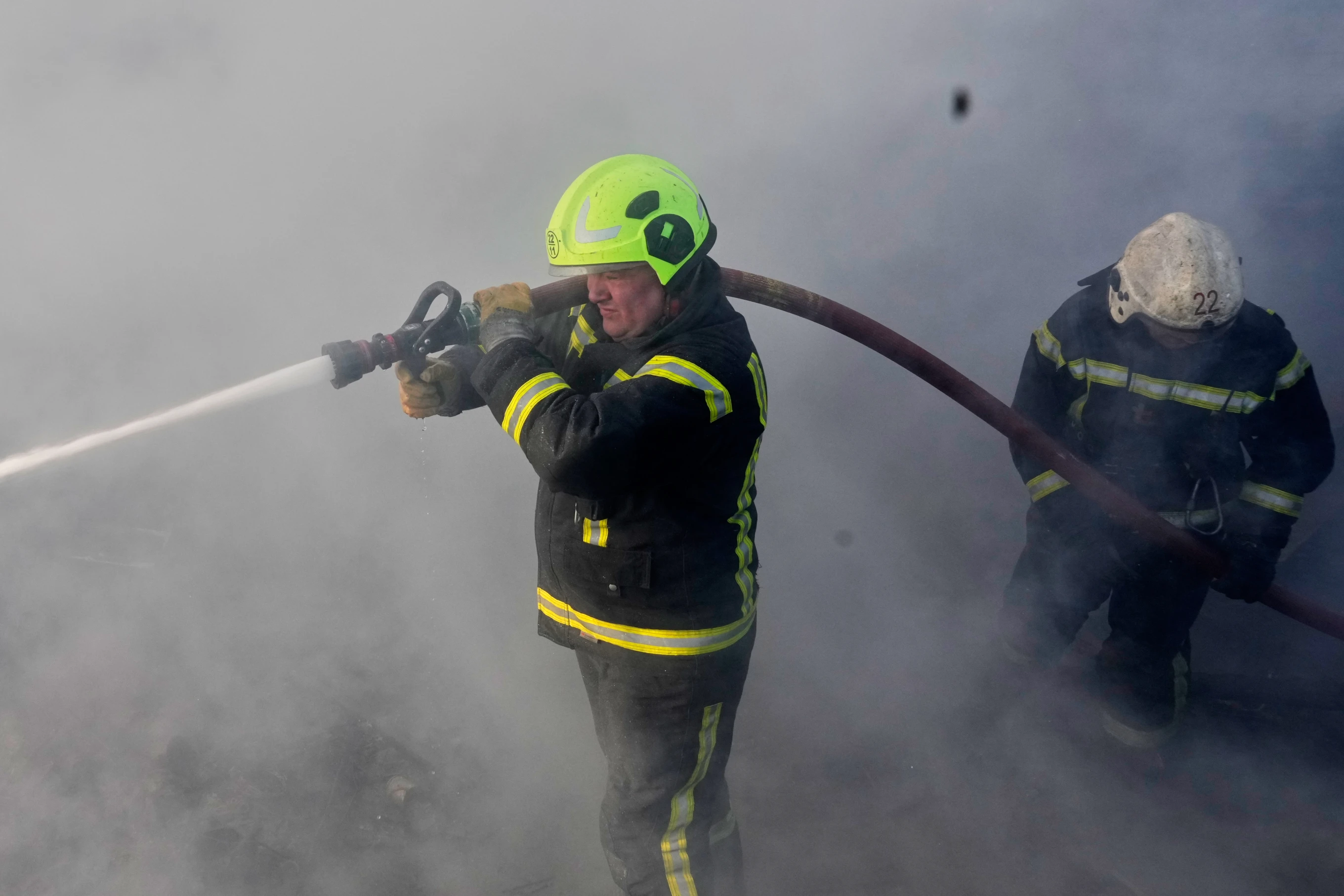
The Perm oil refinery has completely suspended processing after a May 7 drone attack caused a fire and damaged equipment. For Russia, it is a painful signal: even facilities located far from the Ukrainian border can no longer assume they are protected by industrial depth.
The Perm region lies roughly 1,460 kilometers east of Moscow. That distance changes the map of the war itself. What once looked like Russia’s rear — a space for accumulating resources — is increasingly becoming a zone of risk, where air defenses, repair crews and logistics operate under constant strain.
According to Daycom’s assessment, the significance of the strike on the Perm refinery goes beyond one damaged facility. Ukraine is showing that it can hit the part of Russia’s economy that directly sustains the war machine: refining, diesel, gasoline, fuel oil, coke and the fuel supply of the army.
After the attack, three primary crude distillation units were urgently shut down. Some secondary units also stopped operating. One unit, CDU-4, had already been idle since April 30 after an earlier drone strike. That detail matters: this is not a single episode, but an accumulation of damage.
Accumulation is the essence of Ukraine’s strategy. One strike rarely collapses a major refinery. But a series of attacks can force a plant to halt units, delay repairs, lose supply rhythm and spend resources on protection instead of production. For a wartime economy, that is slow but tangible erosion.
The Perm refinery carries serious industrial weight for Russia. In 2024, it processed about 12.6 million tons of oil, or roughly 250,000 barrels per day. It produced millions of tons of diesel and gasoline, along with coke and fuel oil — products needed not only by the civilian economy, but also by a large military-industrial system.
When such capacity stops even for several weeks, it does not mean an immediate fuel collapse. Russia has large reserves, other refineries and the ability to reroute flows. But every shutdown reduces the margin of resilience, complicates the domestic fuel market and adds costs to a system already under heavy pressure.
For the Kremlin, the geography of the strike is especially dangerous. Ukrainian drones are increasingly forcing Russia to defend not only border areas, Crimea, Black Sea ports or facilities near the front. Deep industrial regions are now also exposed — places where the war previously existed more on television than in production reality.
This creates a difficult choice for Moscow. Air-defense systems cannot be fully deployed everywhere at once: near the front, around the capital, at fuel depots, ports, refineries, gas plants and industrial hubs. Ukraine is striking not only facilities, but Russia’s ability to distribute protection.
The logic of these attacks is clear. Russia has spent years striking Ukraine’s energy system, trying to plunge cities into darkness, halt production and exhaust the civilian population. Ukraine is responding differently: it is targeting infrastructure that feeds the war, supplies fuel and brings money to the aggressor state.
There is no simple symmetry here. Strikes on Russian refineries are not a copy of Russia’s campaign against Ukrainian cities. They are an attempt to raise the price of aggression where that price is measured not in propaganda, but in barrels, tons, repair shifts, insurance risks and shortages of equipment.
The Perm case also shows how sanctions pressure and drone warfare are beginning to work in the same direction. Sanctions complicate access to technology, components and servicing. Drone strikes create damage that requires precisely those resources. The more complex the repairs, the longer a unit remains idle.
For Russia’s oil industry, this is an uncomfortable new normal. Earlier, the main problems were export restrictions, price caps, tanker insurance and routes for evasion. Now physical vulnerability inside Russia’s refining system has been added to the list. Energy is no longer only a source of revenue. It has become a front.
For Ukraine, these strikes also have a political dimension. Kyiv is showing its allies that it is not merely asking for protection, but creating its own tools of strategic pressure. Long-range drones, target intelligence and the ability to strike deep inside Russia are becoming part of Ukraine’s leverage.
At the same time, the speed of the effect should not be overstated. Russia’s war machine will not stop because of one refinery. The Kremlin can shift resources, conceal the scale of damage and force the economy to absorb losses. But this is how a war of attrition works: not through one blow, but through a steady increase in cost.
The Perm refinery matters because it shows the line Ukraine is gradually pushing back. Russia’s rear is no longer synonymous with safety. Distance from the front no longer guarantees calm for industrial facilities, and oil infrastructure is increasingly becoming not a protected asset, but a vulnerable target.
In that sense, the fire after the May 7 attack was not merely a technical incident. It was part of a broader change in the war. Russia is trying to exhaust Ukraine through strikes on cities and the front. Ukraine is answering by striking the fuel that moves the Russian army. And the deeper those strikes reach, the less safe rear space the Kremlin has left.