



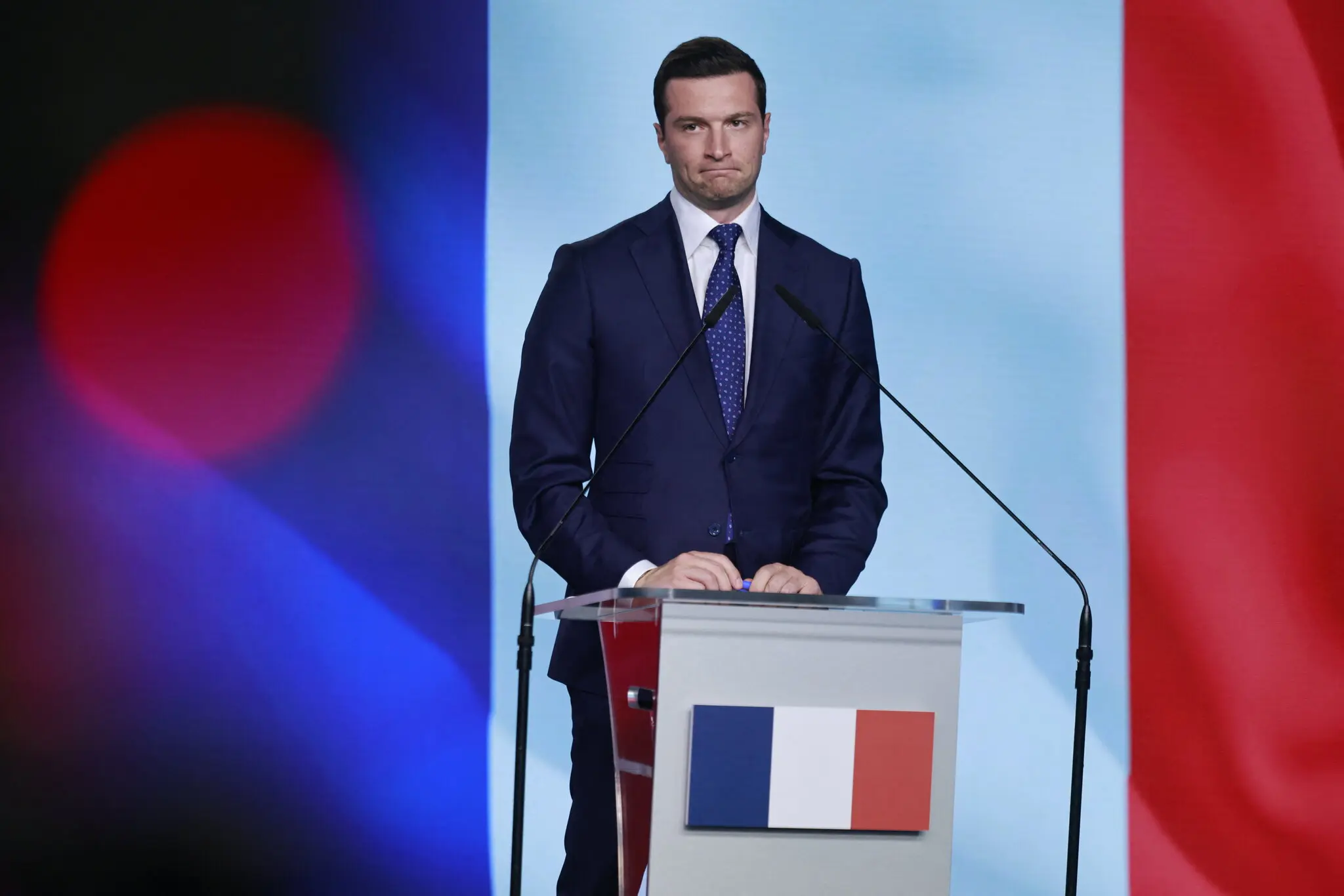













Donald Trump’s public broadside against Giorgia Meloni was more than another quarrel between allies. It marked the rupture of one of the most convenient political illusions of recent years: that right-wing leaders across the West, united by style, rhetoric, and cultural grievance, would naturally remain aligned on the hardest questions of geopolitics. The break between Washington and Rome suggests the opposite. The moment war in the Middle East, NATO, and the price of energy moved from slogans into hard decisions, personal chemistry stopped being enough.
Until recently, Meloni had looked like an almost ideal European partner for Trump: ideologically close, politically combative, and useful as proof that the new nationalist right could govern a major European state. Yet the current clash reveals a flaw that had always been built into that relationship. It held only as long as Rome could combine symbolic loyalty to Trump with cautious autonomy on issues where the stakes for Italy were too high. The war with Iran sharply narrowed that room.
That is why this crisis did not begin only with remarks about the Pope, but with a deeper divergence: Italy’s refusal to be drawn into America’s military logic. The refusal to make a base in Sicily available for combat operations, along with the freezing of military cooperation with Israel, signaled to Trump that Meloni no longer wanted to function as Washington’s political extension in the Mediterranean. As Daycom has previously argued, foreign policy is often where right-wing populist alliances begin to fracture: cultural affinity can survive a great deal, but it rarely survives the price of a real war.
Trump’s attack on Pope Leo XIV only completed that break and pushed it into a personal register. In Italy, the head of the Catholic Church is not merely a religious authority, nor only a moral voice on the international stage. He is also part of the country’s internal political geography, where attitudes toward the Vatican, symbolic respect for the pontiff, and sensitivity to religious authority all have practical consequences for any government. Once Trump moved into direct confrontation with the Pope, Meloni was left with almost no political space to remain silent. Her response was not a gesture of freedom. It was a political necessity.

In that sense, Trump miscalculated twice. First, he tried to speak to Italy in the same register he often uses with smaller or more dependent partners: public humiliation, personal pressure, and accusations of weakness. Second, he underestimated that, for Meloni, a conflict with the Pope is far more dangerous than a conflict with him. In Italian domestic politics, defending national sovereignty against outside pressure while standing on the side of respect for the pontiff is far more advantageous than preserving a dubious form of personal loyalty to an American president.
That is why this clash may, for all its risks, end up benefiting Meloni. She entered it from a weakened position: after defeat in an important referendum, against the backdrop of a slowing economy and mounting anxiety over energy prices. Under those conditions, distancing herself from Trump gives her a chance to reconstruct her image. No longer as the European ally of an American right-wing project, but as a prime minister capable of saying no when Italy’s interest demands it. That matters all the more at a moment of public fatigue with foreign military adventures and growing fear of fresh price shocks linked to Middle Eastern escalation.
For Europe as a whole, the episode carries a broader meaning. It shows that even right-wing governments that once appeared to be Trump’s natural ideological partners are not prepared to adopt the American logic of force automatically. The issue is not that Meloni has suddenly become ideologically distant from him. The issue is that Trump increasingly demands not sympathy, but submission. That is a very different model of relations, especially for European leaders who must deal with coalitions, parliaments, energy risks, and a far more cautious public mood toward new wars.
At the same time, this rupture does not amount to a full geopolitical divorce between Rome and Washington. Italy is not leaving the transatlantic orbit, nor is it ceasing to be a US ally. The reaction from the Italian foreign ministry, stressing loyalty, mutual respect, and frankness, pointed in another direction: Rome is trying to contain the conflict, but on new terms. Italy wants to remain inside the American camp without automatically paying for every new escalation with its reputation, its bases, and its internal stability.
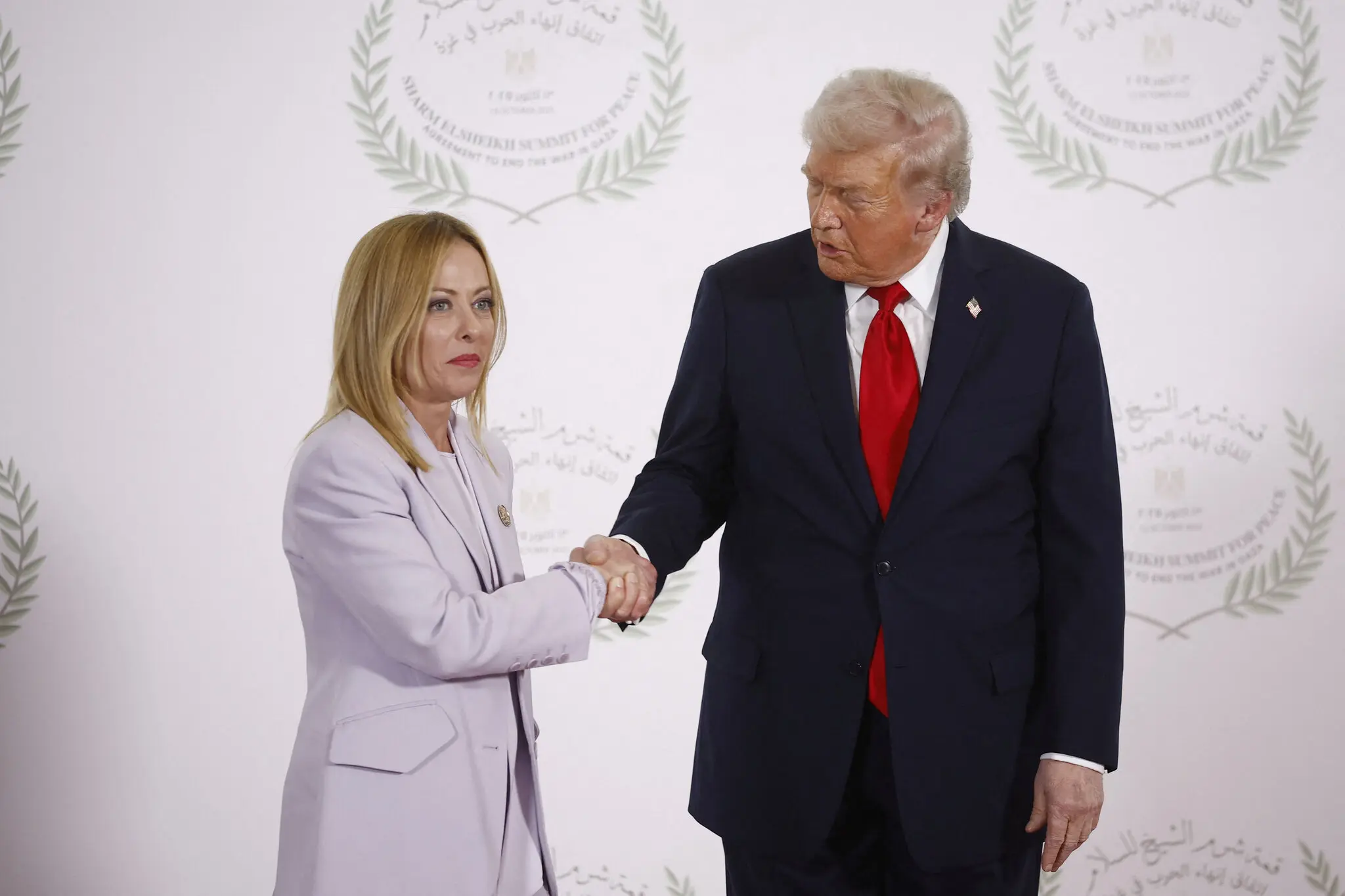
The most important meaning of this episode lies in the breakdown of the very formula of a “right-wing international.” That formula works in periods of oppositional mobilization, in symbolic culture wars, and in campaigns against liberal consensus. But it begins to crack the moment leaders must answer for oil, military bases, the Vatican, alliance obligations, and the price of a real war. Trump sees allies as instruments of his own strategy. Meloni, like a growing number of European conservatives, wants to be not an instrument but an autonomous center of decision-making. That is where the real cause of this conflict lies.
That is why the scandal around the Pope is only the surface layer. The deeper issue is the limit of American influence even among formally aligned ideological partners. Trump wanted to discipline Meloni and show that, in a moment of crisis, allies are expected to fall into line. Instead, he helped her do the opposite: publicly separate herself from him without breaking the formal alliance with the United States. If this split hardens, it will be remembered not as a personal grievance between two right-wing leaders, but as the moment when the European right began searching for a way to live alongside Trump, but no longer under him.