




















The explosion in Quetta was another reminder that Balochistan is no longer a peripheral problem for Pakistan. A bomb struck a shuttle train carrying Pakistani security personnel and their families, turning an ordinary connection to a long-distance route into a scene of mass death.
At least 24 people were killed and around 70 wounded. The blast hit near railway tracks in the provincial capital as the train was traveling from Quetta’s cantonment area to connect with the Jaffar Express. In one violent moment, the militants delivered the message they have long sought to send: the state cannot fully secure even its own lines of movement.
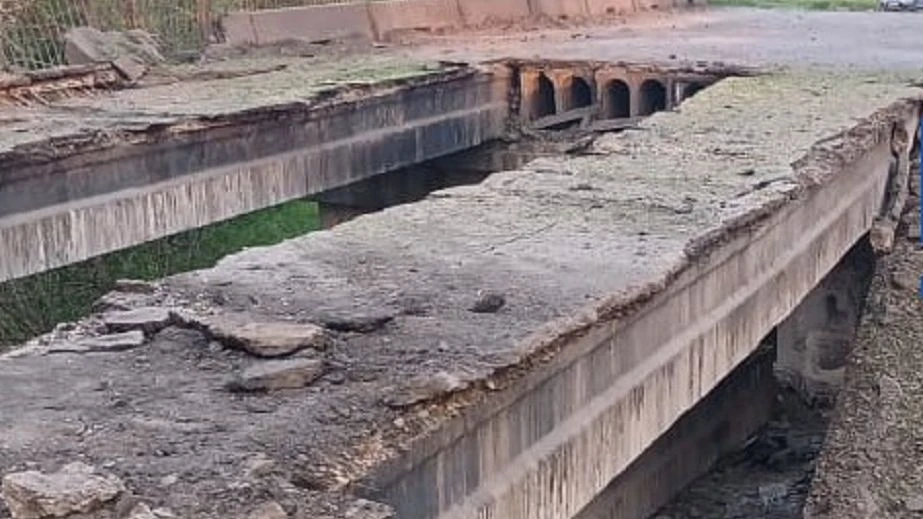
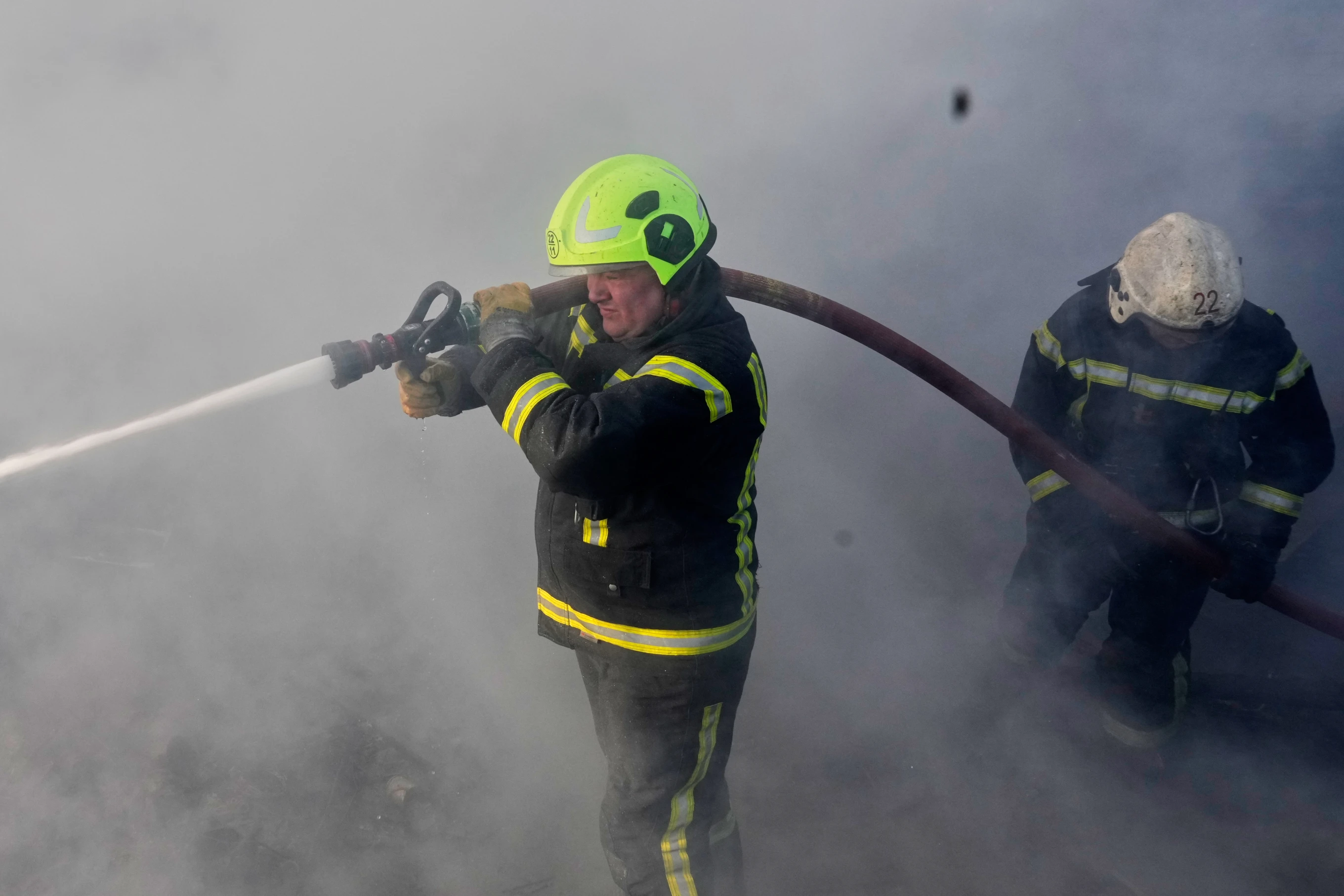
The explosion derailed the engine and three coaches, while two more overturned. Burned-out vehicles, damaged residential buildings, twisted metal, debris near the tracks and smoke rising from the wreckage marked the scene. Some of the dead may not have been passengers at all, but residents of nearby buildings.
According to Daycom’s assessment, the importance of this attack lies not only in the number of victims. It shows that the conflict in Balochistan is increasingly becoming a war against infrastructure, mobility and the symbols of state presence. In that logic, a train is not merely transport. It is an extension of authority.
The Baloch Liberation Army, a separatist militant group fighting the Pakistani state in the resource-rich province, claimed responsibility and described the attack as a suicide bombing. That language itself matters: this was not presented as a random act of sabotage, but as a demonstrative strike.
Balochistan is Pakistan’s largest province by area, but also one of its most politically strained. It borders Iran and Afghanistan, holds significant mineral resources, contains strategic routes and carries a deep sense of alienation from the center. That mix of resources, geography and grievance has fueled separatist violence for years.
For Islamabad, Balochistan has always posed a double challenge. The state sees the region as a space of security, borders, minerals and transport corridors. Some local communities see it as a territory of exploitation, military presence and political suppression. It is in that gap that the insurgency grows.
The attack on a train carrying security personnel and their families deepens the psychological effect. The militants were not striking only at a security structure. They were striking at the sense of safety surrounding those linked to the state. When the families of security forces become passengers under threat, the conflict leaves the battlefield and enters private life.
It was also a message to the railway system itself. Trains remain an important part of everyday logistics in Pakistan, especially across long distances and for less wealthy travelers. An attack on them damages not only one route, but public confidence in the state’s ability to guarantee basic safety.
Baloch militants have targeted railways before. In March 2025, attackers hijacked the Jaffar Express and took hundreds of hostages. The standoff ended in a military operation in which hostages, soldiers and all attackers were killed. That episode became one of the clearest symbols of a new phase in the conflict.
The latest blast continues the same line. If the train hijacking was an operation of open coercion, the Quetta bombing looks like an attempt to prove that even after large counterterrorism operations, militants can still plan complex attacks in the heart of the provincial capital.
Pakistan has already been conducting harsh operations against armed groups in Balochistan. Earlier this year, security forces said they had killed large numbers of militants after coordinated attacks that left dozens dead. But every new attack raises an uncomfortable question: does force reduce the threat, or does it push the insurgency toward more brutal forms?
Separatist movements rarely disappear through military operations alone. When violence is rooted in long-term political alienation, economic inequality and a belief that the center treats the region as a colony, the army may destroy cells without destroying the conditions that allow them to return.
That does not excuse attacks on civilians or the families of security personnel. On the contrary, such strikes show how an insurgent movement crosses moral lines when it turns ordinary people into instruments of strategy. But the state must see not only the crime, but also the environment in which such crimes become possible.
For Prime Minister Shehbaz Sharif, the Quetta blast is a political challenge on several levels. He must show sympathy for the families of the dead, demonstrate control, respond with force and avoid turning the province into an even deeper military zone where each operation feeds a new cycle of revenge.
The external context makes the situation still more complicated. Balochistan sits beside two unstable spaces: Iran and Afghanistan. Through this region pass not only local conflicts, but also the shadows of wider regional rivalry, smuggling, militant networks and weak border zones.
That is why the attack in Quetta is not only a domestic Pakistani tragedy. It belongs to a wider belt of instability in which states are fighting not just armed groups, but geography, weak borders, public distrust and the economy of violence.
For ordinary people in Balochistan, such attacks mean life narrows again. After every bombing come checkpoints, searches, delays, fear on public transport, suspicion among neighbors and a heavier security presence. The population is caught between militants who claim to speak in its name and a state that too often sees it as a threat.
This is Pakistan’s hardest trap. If the response is only punitive, it may deepen alienation. If it is weak, militants will read that as an invitation to strike again. What is needed is a combination of security, intelligence, political dialogue and real regional development — the most difficult formula of all.
The blast beside the tracks in Quetta showed that the Balochistan conflict has again reached a level that cannot be hidden behind statistics from security operations. It strikes soldiers, civilians, infrastructure and the nervous system of the state. Each time, it reminds Islamabad that a province long treated as a margin can become the center of a national crisis.
As rescuers clear the wreckage and families wait for news of the wounded, the central question already extends beyond one explosion. Can Pakistan restore control over Balochistan not only through weapons, but through trust? Without that, every repaired railway line will remain a route for the next threat.