





















Donald Trump’s promise to allow Ukraine to produce missiles for Patriot air-defense systems looks like an important diplomatic breakthrough. For Volodymyr Zelensky, it signals that after months of tension with Washington, Kyiv is again gaining access to the most critical question of the war: protection against Russian ballistic missile attacks.
But between a political statement and an actual interceptor on a launcher lies time Ukraine scarcely has. Producing Patriot missiles is not like assembling drones or quickly expanding an ammunition line. It is one of the most complex areas of missile technology, where every component, contractor and test matters.
That is why Kyiv’s victory carries a bitter edge. Licensed production could change the balance in the future, but it does not solve today’s shortage. Ukraine must already decide what to defend: the capital, energy infrastructure, defense factories, military headquarters, logistics hubs or cities that Russia strikes with missiles and drones almost every day.
According to Daycom’s earlier analysis, the main weakness of Trump’s promise is not its political weight, but its timeline. Ukraine needs Patriot not someday, but tonight, this month, this winter. If production begins only in a year or later, Kyiv must find interim solutions immediately.
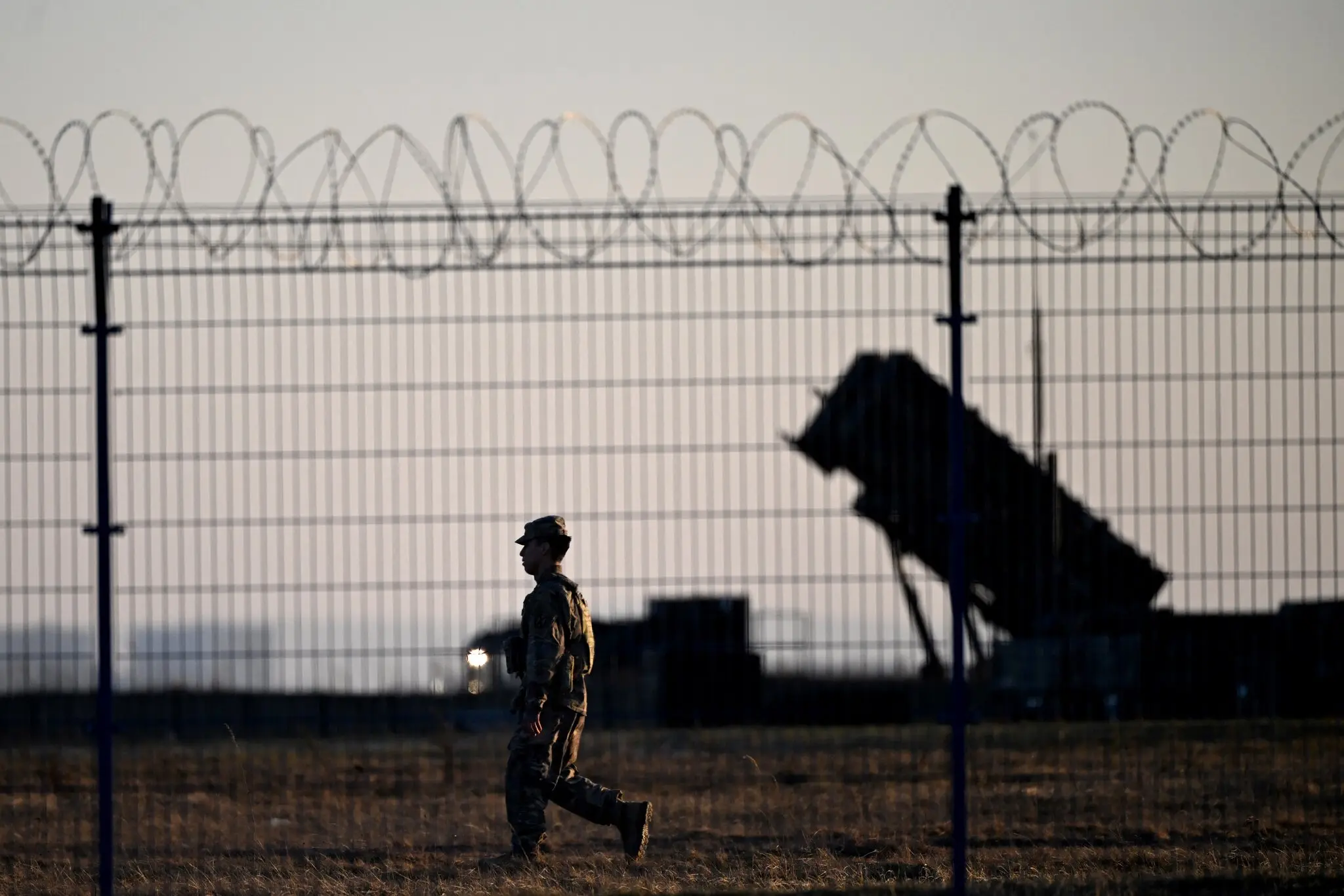
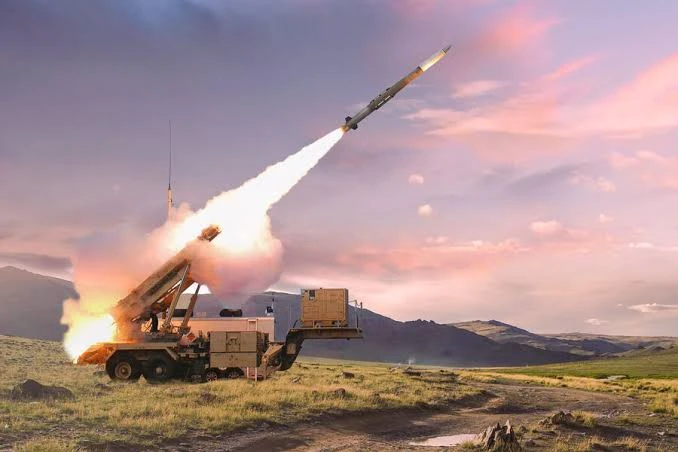
Patriot remains the only system in Ukraine’s arsenal capable of reliably intercepting Russian ballistic missiles. That makes it not merely another Western weapon, but a central pillar of the country’s defense. When Russia launches Iskander missiles or Kinzhal aeroballistic weapons, most other air-defense systems cannot cover that threat.
The problem is that even Ukraine’s allies do not have enough Patriot interceptors. Kyiv can receive new batches from U.S. or European stockpiles, but those reserves are not unlimited. The war has shown that the pace of Russian strikes can burn through even large inventories, while Western production lines were not prepared for this scale of consumption.
If Russia is producing hundreds of ballistic missiles a year, Ukraine needs thousands of interceptors to guarantee protection. In combat practice, several interceptors may be allocated to a single ballistic target because the cost of failure is too high. One breakthrough can mean a destroyed power plant, factory hall, command post or residential district.
Against that background, even a future Ukrainian plant, if it is built, will not be an immediate solution. Potential output of a few hundred interceptors a year would be important, but not enough to meet the full demand. It would be strategic insurance rather than an operational answer to Russia’s current missile pressure.
There is also the question of where production should take place. Zelensky wants Patriot missiles to be made in Ukraine as soon as possible. But war turns any large defense plant inside the country into a potential target. It may therefore be more logical for part of production to begin in Germany or another European state, then move closer to Ukraine after the war.
Such a model makes sense from a security perspective, but it does not diminish the political meaning of Ukraine’s request. Kyiv wants not only to receive missiles, but to become part of the production chain. This is a matter of independence, war tempo and long-term defense capacity. A country that constantly asks for interceptors depends on allies’ political moods. A country involved in production has a different weight.
Even that participation, however, depends on Lockheed Martin, Raytheon, European partners, scarce components and complex certification. Trump acknowledged that he had not yet discussed the details with the companies that make the missiles. That matters: political permission does not automatically build a plant, hire engineers or create a supply chain.
For Ukraine, this means the hard arithmetic of air defense continues. Every interceptor becomes a decision: use it on a target now, or save it for a possible mass strike. Defend an energy site or a military one. Save a city or a factory that produces weapons. In a normal state, such questions would sound impossible. In war, they become daily reality.
That is why Zelensky speaks of the need for a “Plan B.” An alternative to the PAC-3 is not needed as a rhetorical replacement for Patriot, but as a technological necessity. If Ukraine cannot receive enough expensive American interceptors, it will have to seek cheaper, scalable ways to confront the ballistic threat.
One such direction is the Freya project by the Ukrainian company Fire Point. Its concept is ambitious: use existing missile technology and combine it with European radars, data links and seekers. If the system works, it could become a cheaper alternative to Patriot. But that remains a very large “if.”
Missile defense does not forgive illusions. Intercepting a target flying several times faster than sound is far more difficult than building an attack drone or a cruise missile. It requires precise radars, instant data processing, a maneuverable interceptor, a reliable seeker and stable integration into an air-defense command system. Failure is measured not in percentages, but in destruction on the ground.
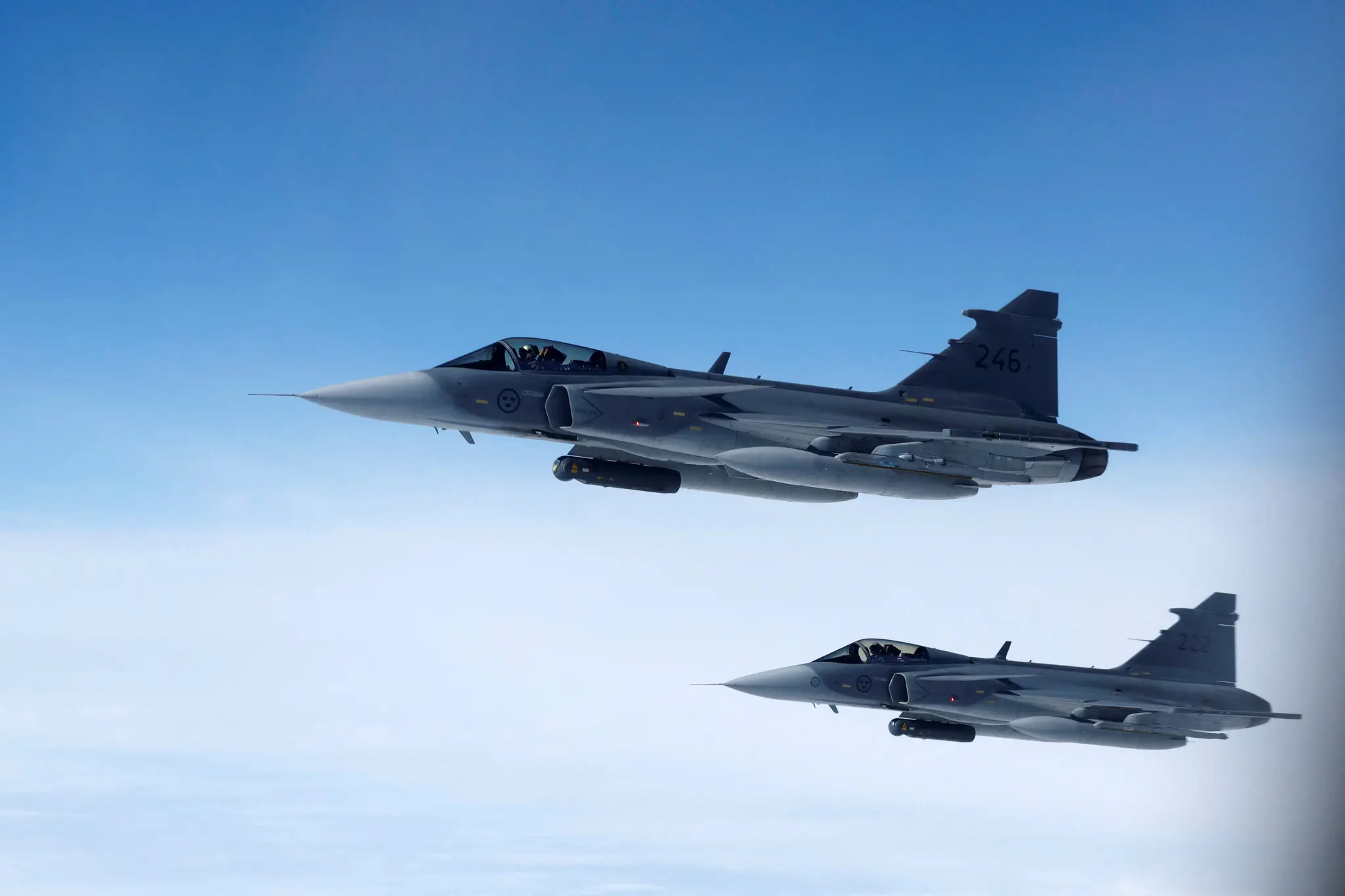
That is why European options such as SAMP/T NG are also becoming more important. The French-Italian system could strengthen Ukraine’s air defense if it receives the necessary adaptation and enough missiles. For Kyiv, the key is not choosing one “magic” system, but building a multilayered architecture.
In that architecture, Patriot should intercept the hardest targets; SAMP/T and other European systems should expand coverage; cheaper systems should relieve part of the burden; and Ukrainian projects should provide scale and flexibility. Without such distribution, even the best system becomes exhausted. Russia is counting on exactly that: it does not need to break air defense in one strike if it can force Ukraine to spend missiles faster than they arrive.
At the same time, Ukraine must strengthen passive protection. Concrete shelters for energy infrastructure, underground production sites, dispersed factories, duplicated logistics and hardened command centers are becoming no less important than new air-defense batteries. When interceptors are scarce, survival depends not only on what is shot down, but on what has been protected in advance.
Another path is intensifying strikes on Russian military and energy infrastructure. It is a harsh logic, but it has already become part of the war. If Ukraine cannot fully close its sky, it tries to raise the price of Russian attacks by hitting depots, airfields, oil refining, logistics and production hubs. Defense increasingly merges with offensive deterrence.
This creates political tension with the West. Allies want to strengthen Ukraine’s defense, but are often cautious about strikes deep inside Russia. Kyiv sees a simpler reality: the missiles falling on Ukrainian cities have factories, routes, warehouses and launch positions. If those are left untouched, air defense remains a shield being hit by an ever-heavier hammer.
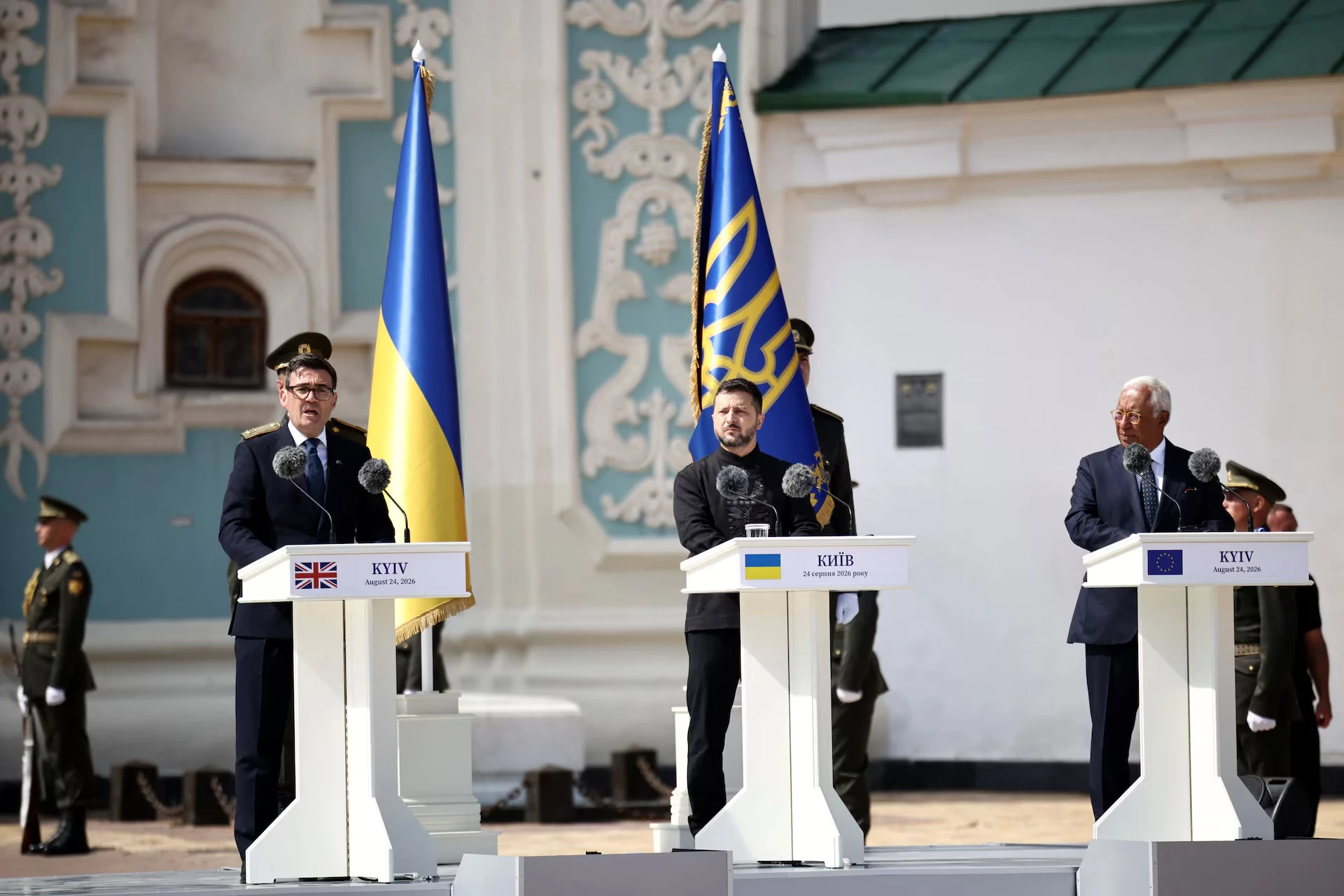
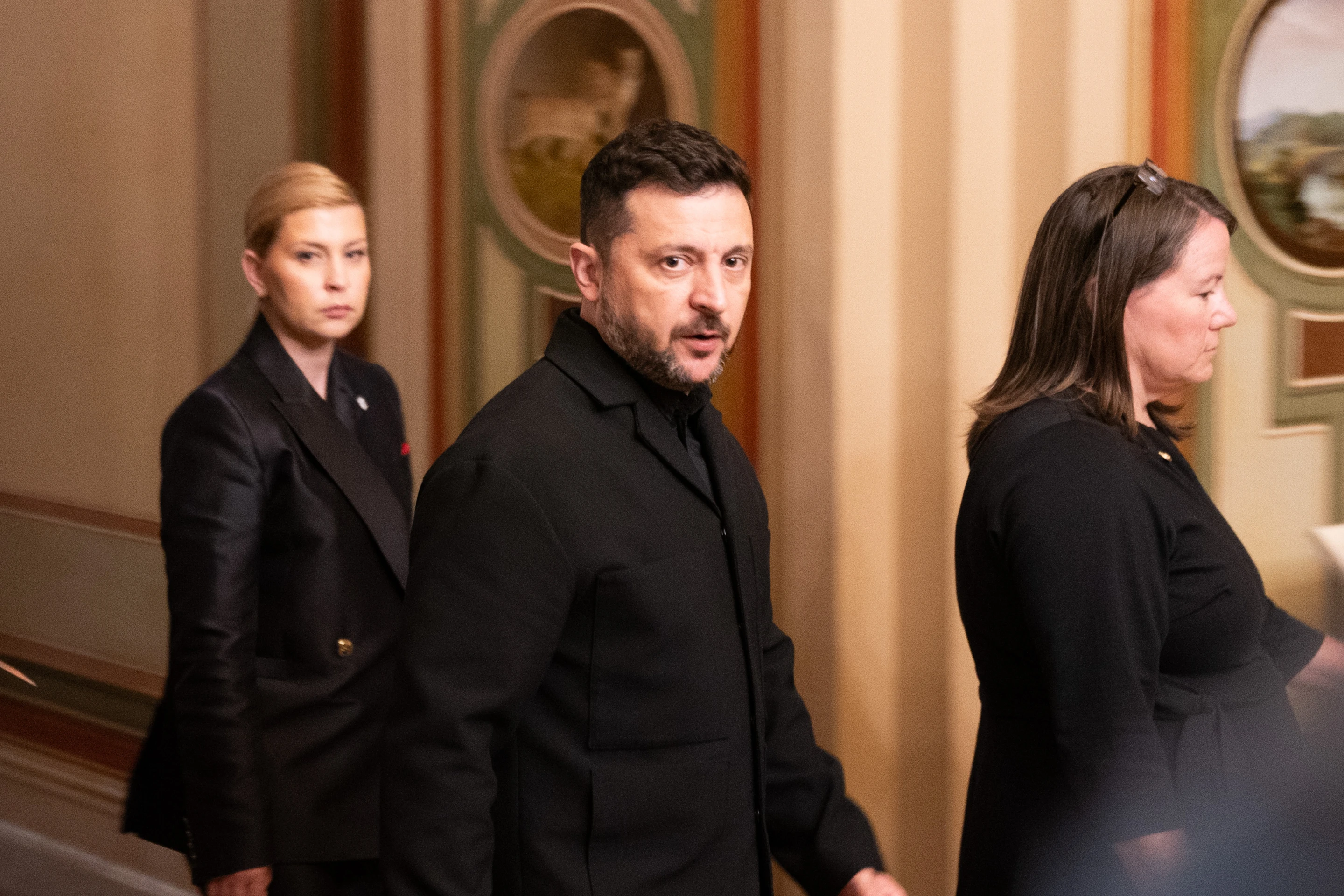
Trump’s Patriot promise changed the tone of his relationship with Zelensky. After the sharp clash in Washington and months of distrust, the meeting and support at the summit became an important political signal. But Ukraine has learned to distinguish a signal from capacity. It needs not only words about production, but concrete deadlines, contracts, factories, missiles and deliveries from stockpiles.
Kyiv expects new PAC-3 interceptors from the United States in the coming days. That may bring short-term relief, but it will not solve the problem structurally. The war has entered a phase in which each batch of interceptors buys time rather than guarantees security. Time is needed for production, negotiations, alternative systems and infrastructure hardening.
This is Ukraine’s central choice. It cannot wait a year as if the sky were on pause. It must simultaneously request Patriots, build its own solutions, receive European systems, protect factories, strike the sources of Russian power and conserve every missile. This is not a strategy of comfort. It is a strategy of survival.
Trump has given Kyiv an important political opening. But the real test will begin not in statements, but in factories, contracts and night air-raid alerts. If the promise turns into production, it could change the horizon of the war. If it gets trapped in bureaucracy, Ukraine will remain alone with the hardest question: which cities and facilities to save first when there are fewer missiles than threats.