


















Sometimes the most dangerous patient is not the one with the gravest diagnosis. It is the one everyone is used to saying yes to. In medicine, that kind of consent can cost more than a mistaken test result or a flawed prescription.
The history of famous patients has long carried a dark common theme. Elvis Presley, Michael Jackson and Donald Trump were radically different figures, but each showed how fame and power can distort medical judgment. In such cases, a doctor is not treating only a body. He is also treating an ego.
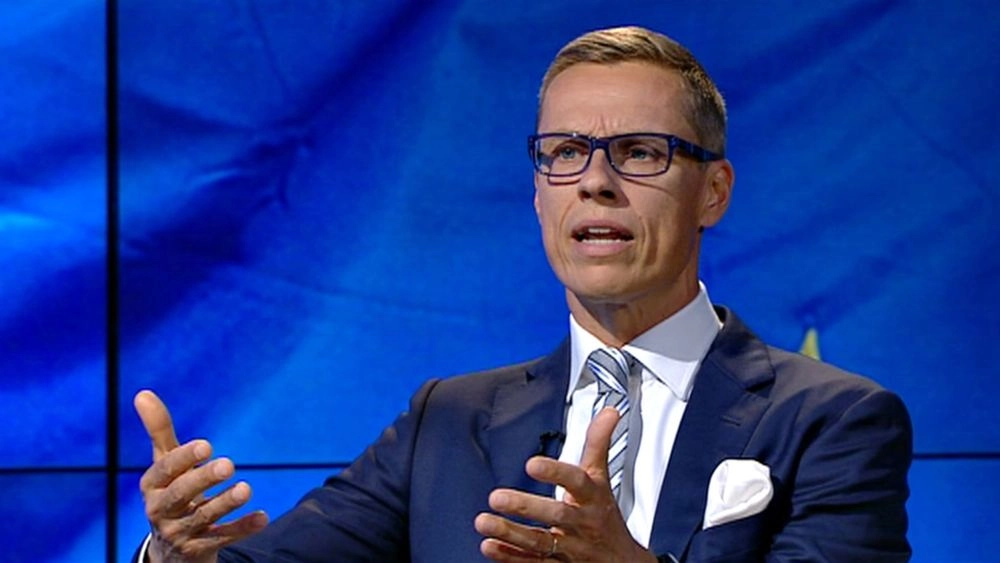
When Trump said in 2020 that he was taking hydroxychloroquine as protection against COVID-19, it did not look like a private medical detail. It looked like a political symptom. A drug with known risks had been turned into a gesture of belief, strength and distrust of expertise.
According to Daycom’s earlier analysis, the central issue was not hydroxychloroquine itself. It was the phenomenon of the VIP patient: a person whose status makes the medical system behave more gently, more cautiously and sometimes more dangerously than it would with anyone else.
In an ordinary examination room, a doctor can tell a patient: this is unnecessary, this is risky, this is not supported by evidence. In the room of a celebrity, that sentence becomes harder. The patient can take offense, fire the doctor, find someone more compliant or publicly damage a physician’s reputation.
That is how the medical trap forms. The doctor has knowledge, but the patient has power. One side has training; the other has money, fame, security, lawyers, fans and access to a microphone. The balance on which good care depends begins to tilt.
VIP syndrome was described decades ago. Its meaning is simple: very important patients often receive not better care, but worse care, because too many exceptions are made around them. They are asked fewer uncomfortable questions, indulged more often and treated outside normal protocols.
An ordinary patient may be asked about alcohol, drugs, sleep, mental health, sexual history and medications taken without prescription. A famous patient may not be asked because the question feels awkward. In medicine, unasked questions can sometimes be more dangerous than wrong answers.
Elvis became one of the early symbols of this disaster. Around him stood an entire system of people who protected not health, but the operating rhythm of a star. When the body demanded limits, the stage, the schedule and the mythology of the performer demanded that the show continue.
Michael Jackson revealed another side of the same problem. Where insomnia, anxiety and exhaustion should have led to careful long-term treatment, the logic of immediate effect took over. The celebrity wanted a result, and the doctor became the person expected to deliver it.
With Trump, politics intensified the pattern. He was not merely a famous patient, but a president already in conflict with scientific institutions, the media and expert knowledge. His personal medical choices inevitably became signals to millions of people.
That is what made the episode dangerous. When a public figure takes a questionable drug, it may remain a private risk. When a president does so during a pandemic, private risk becomes an information weapon. People begin to see medicine not as medicine, but as political loyalty.
Hydroxychloroquine became less a pharmacological issue than a symbol. To some, it stood for courage against bureaucrats. To others, it stood for reckless contempt for science. In such an atmosphere, the drug ceased to be only a drug. It became a flag.
This is a broader American illness, though not only an American one. Trust in institutions has weakened, and more people believe their instincts, social media feeds or favored political figures know better than physicians. Radical individualism has reached the body: my health, therefore my truth.
From there grows the market for alternative medicine, supplements, cleanses, vaccine conspiracies, miracle protocols and personal rescue programs. Left-wing and right-wing audiences may despise each other, but they often share a hunger for simple answers that bypass the complexity of medicine.
Doctors lose in that environment not because they lack arguments. They lose because evidence-based medicine rarely sounds like a miracle. It says risk, probability, side effect, contraindication, insufficient data. A charlatan, or a self-assured patient, says something shorter: it works.
For celebrities, the temptation is even stronger. They are used to living in a world where desire quickly becomes service. Planes wait, restaurants open doors, assistants remove obstacles. But the body does not recognize status. The heart does not know whether it belongs to a president, the king of rock-and-roll or a pop idol.
That is what VIP patients struggle most to accept. Fame can change the room, the media, the security detail, the staff’s behavior and the doctor’s tone. It cannot change physiology. A side effect is not canceled by ratings. The risk of arrhythmia does not fall with the number of followers.
A good doctor in such a situation must be not a servant, but a boundary. He must withstand pressure, refuse, ask the embarrassing question, avoid flattering the numbers and resist turning a medical assessment into a compliment. That is especially difficult when the patient can make a doctor’s life miserable.
The problem is that powerful people often attract an ecosystem of convenience. It rewards loyalty, not truth. The compliant doctor seems “better” because he does not argue. The careful doctor seems “negative” because he does not provide what is wanted.
That is when medicine becomes part of the court. The doctor is no longer an independent professional, but another figure in the celebrity’s orbit. He must not only treat, but also avoid damaging the myth of strength, youth, stamina and exceptionalism. That is where danger begins.
Trump’s case showed that VIP syndrome can have consequences far beyond one body. When a private medical illusion belongs to someone with the largest political platform in the country, it affects public health, trust in vaccines, attitudes toward doctors and the behavior of voters.
Famous patients get the best rooms, the fastest access and the most recognizable specialists. But that does not guarantee the best medicine. Sometimes true quality of care begins not with luxury, but with the simple professional word no.
Elvis, Michael Jackson and Trump are linked not by diagnosis, but by a structure of risk. They show that fame can become a medical complication. It raises pressure not only in the bloodstream, but in the room where decisions are made.
In that sense, the VIP patient is a test not only for doctors, but for society. Can we distinguish authority from popularity, medicine from desire, evidence from political performance? If not, the next dangerous prescription may come not from a pharmacy, but from someone’s ego.