Слідкуйте за головними подіями з усіх куточків планети. Оперативні новини з Європи, Америки, Азії та інших регіонів світу. Геополітика, економічні зміни, соціальні трансформації — усе, що формує майбутнє світу, доступно в одному розділі.
Найважливіші питання суспільства: від війни Росії проти України до соціальних змін, культури та інтерв’ю з видатними особистостями. Тут ви знайдете все, що формує думки людей і впливає на життя країни.
Стиль життя у всіх його проявах: спорт, мода, кіно, подорожі, кулінарія та здоров’я. Відкрийте для себе історії, які надихають, поради для повсякденного життя та цікаві факти зі світу культури та розваг.
Аналітика, бізнес-новини, політичні рішення та експертні думки. Оперативні огляди ринку, економічні прогнози та інтерв'ю з лідерами думок. Дізнавайтеся першими про те, що змінює світ бізнесу і політика.
Прес-релізи, офіційні повідомлення та новини бізнесу з перших рук. Важливі політичні заяви, економічні події та інформаційні повідомлення, які формують сучасний інформаційний простір.
Модулі для повного управління бізнесом у реальному часі.
Операції в Фіндей ОС - це платежі, документи, рухи та статуси в одному потоці з повною історією змін і контролем. А тарифи адаптовані для будь-якого масштабу бізнесу.
“Michael”: How the Michael Jackson Biopic Turned Crisis Into Box Office Power
Reshoots, wary studios, family resistance and the shadow of unresolved allegations did not stop the film. Its central bet is not vindication, but the enduring force of myth.
Олена Лисенко; Костянтин Любін; Тетяна Федорів; Єгор Діденко; Сименич Вікторія; Федір Ігнатов
Газета Дейком | 08.05.2026, 13:05 GMT+3; 06:05 GMT-4
Мова публікації: English
Закріплено
Олена Лисенко
8 травня 2026 року
The premiere of “Michael” was not staged as an ordinary film screening. It felt more like a ritual of return. Fedoras, sequins, familiar gestures and singalongs to “Billie Jean” and “Bad” turned the theater into a chamber of collective memory, where the audience was not merely watching a movie but stepping back inside the myth of Michael Jackson.
That is the central tension of the film. “Michael” arrives not simply as a musical biopic, but as a test of how far nostalgia can carry a contested cultural figure. Is the public ready to celebrate an artist whose name has, for decades, remained inseparable from moral dispute?
Directed by Antoine Fuqua and starring Jaafar Jackson as his uncle, the film follows the path from Jackson’s childhood in the Jackson 5 to the triumph of the “Bad” era. But the final version stops before the first wave of child sexual abuse allegations. That boundary is not only a narrative choice. It is the film’s defining strategic decision.
The premiere of “Michael” was not staged as an ordinary film screening. It felt more like a ritual of return. Fedoras, sequins, familiar gestures and singalongs to “Billie Jean” and “Bad” turned the theater into a chamber of collective memory, where the audience was not merely watching a movie but stepping back inside the myth of Michael Jackson.
That is the central tension of the film. “Michael” arrives not simply as a musical biopic, but as a test of how far nostalgia can carry a contested cultural figure. Is the public ready to celebrate an artist whose name has, for decades, remained inseparable from moral dispute?
Directed by Antoine Fuqua and starring Jaafar Jackson as his uncle, the film follows the path from Jackson’s childhood in the Jackson 5 to the triumph of the “Bad” era. But the final version stops before the first wave of child sexual abuse allegations. That boundary is not only a narrative choice. It is the film’s defining strategic decision.
According to Daycom’s earlier analysis, “Michael” is revealing less because of what it answers than because of what it carefully avoids. It does not operate as an investigation or a complete biography. It is a large-scale machine of memory, built on music, movement, image and the emotional recognition of a global fan base.
Producer Graham King understood the terrain from the start. After the success of “Bohemian Rhapsody,” he knew a musical biopic could become a worldwide hit if it offered viewers not archival completeness, but emotional access to songs, images and performances already embedded in popular culture.
With Jackson, however, the task was far more complicated. His legacy remains one of the most powerful brands in pop music, but no neutral conversation around him is possible. His name stands both for artistic genius and for one of the most unresolved public conflicts in modern entertainment history.
King assembled a team Hollywood could not easily dismiss: Antoine Fuqua as director, John Logan as screenwriter, Colman Domingo as Joe Jackson, the severe family patriarch, and Jaafar Jackson in the lead role after a long search. The casting carried its own marketing logic: resemblance, bloodline, physical discipline and a sense of intimacy with the material.
Major studios still stepped back. For them, the project looked too dangerous: reputational risk, critical backlash, social media pressure and the volatility of the subject itself. Where others saw exposure, Lionsgate saw an opening. The film could become the rare release that unsettles industry gatekeepers while drawing mainstream audiences in large numbers.
The economics were built with caution. A budget of about $150 million required a powerful launch, but the sale of international rights reduced the studio’s risk. Overseas markets became central, especially in places where Jackson is still understood less through American cultural battles than through music videos, choreography and stage image.
The most serious crisis came after filming had already been completed. The original version included material connected to the Jordan Chandler case and the 1994 settlement. Once legal restrictions made that storyline unusable, a significant part of the third act effectively collapsed.
The reshoots changed the structure of the film. Instead of moving into the darker territory of the 1990s, “Michael” became a story of ascent: family discipline, paternal pressure, the break from childhood fame, and the transformation of a gifted performer into a global force. The absence of the later period became the loudest silence in the movie.
The family dimension deepened that sense of incompletion. Support from some relatives gave the project symbolic legitimacy, but Janet Jackson’s refusal to participate left a visible absence. Her disappearance from the story is not a small omission. It is a reminder that even within the Jackson family, memory of Michael is not unified into one convenient image.
The positions of Jackson’s children also exposed the fracture around his legacy. For some, “Michael” is an attempt to restore the scale of a father and artist diminished by scandal. For others, it is an overly polished version of reality, shaped for fans who prefer the stage lights to the shadows behind them.
Lionsgate’s marketing made its choice unmistakable. The campaign did not sell trauma or legal history. It sold celebration: the moonwalk, the red leather jacket, the spotlight, the electricity of the videos, and nostalgia for a time when a music clip could reshape the language of global pop culture. This was a strategy of emotion, not explanation.
Critics responded harshly. Their objections focused less on Jaafar Jackson, whose performance became one of the film’s strongest selling points, and more on the design of the movie itself: too smooth, too controlled, too dependent on restoring an icon without confronting the damage around him. But mass audiences often judge musical biopics by another standard.
A musical biopic rarely functions as a strict biography. More often, it becomes a collective concert with dramatic connective tissue. Viewers come not to audit the archive, but to hear “Thriller,” “Beat It” and “Billie Jean” again; to see the silhouette, the movement, the flash of recognition. In this genre, emotional truth often outweighs factual completeness.
That is why negative reviews may not weaken the box office. They can even mobilize fans. The sharper the criticism, the more a trip to the theater becomes an act of defense. “Michael” arrives at a moment when audience loyalty has become part of the broader cultural struggle around major pop symbols.
A continuation is almost built into the film’s structure. The first installment ends where the myth still holds inside the stage light. But if the story moves forward, the next chapter will have to enter the territory this film avoided for legal, familial and commercial reasons.
Only then will it become clear what “Michael” really is: the beginning of a difficult, expansive biography or a carefully restored monument. For now, what has prevailed is not completeness, but attraction. Not judgment, but music. Not the courtroom, but a theater clapping again in rhythm with a man whose shadow remains larger than most stars alive today.
У студії Oprah Winfrey ця історія колись мала вигляд остаточного захисту. Родина Cascio сиділа перед камерами й говорила про Майкла Джексона не як про далеку суперзірку, а як про людину, що їла за їхнім столом, ночувала в їхньому домі й стала майже родичем.
На пряме запитання, чи було між ними та Джексоном щось неприйнятне, дорослі діти Cascio відповіли разом: ні. Тоді це звучало як свідчення близьких людей, які знали артиста не з газетних заголовків, а з кухні, свят, подорожей і телефонних дзвінків.
Тепер ця сама сцена стала частиною іншої історії. Брати й сестра Cascio заявляють, що тоді брехали, бо роками були привчені захищати Джексона. Вони називають себе його «солдатами» — людьми, яких близькість до зірки зробила лінією оборони.
У студії Oprah Winfrey ця історія колись мала вигляд остаточного захисту. Родина Cascio сиділа перед камерами й говорила про Майкла Джексона не як про далеку суперзірку, а як про людину, що їла за їхнім столом, ночувала в їхньому домі й стала майже родичем.
На пряме запитання, чи було між ними та Джексоном щось неприйнятне, дорослі діти Cascio відповіли разом: ні. Тоді це звучало як свідчення близьких людей, які знали артиста не з газетних заголовків, а з кухні, свят, подорожей і телефонних дзвінків.
Тепер ця сама сцена стала частиною іншої історії. Брати й сестра Cascio заявляють, що тоді брехали, бо роками були привчені захищати Джексона. Вони називають себе його «солдатами» — людьми, яких близькість до зірки зробила лінією оборони.
За попереднім аналізом Дейком, сила цього позову не лише в нових звинуваченнях. Вона в драматичному зламі ролей: родина, яку десятиліттями подавали як доказ невинуватості Майкла Джексона, тепер стала одним із найнебезпечніших викликів для його спадку.
Четверо з п’яти дітей Cascio подали позов проти структур спадку Майкла Джексона. П’ятий брат також заявляє про насильство, але через юридичні обмеження не є стороною саме цього процесу. Усі п’ятеро стверджують, що були жертвами системного грумінгу.
Їхня позиція різко суперечить усьому, що родина говорила раніше. Вони роками публічно захищали Джексона, брали участь у медійних виступах, підтримували його під час попередніх звинувачень і після смерті артиста залишалися частиною його близького кола пам’яті.
Саме тому справа Cascio така вибухова для образу короля попмузики. Це не голоси зовнішніх критиків, не випадкові люди з периферії слави. Це ті, кого сам Джексон приймав у свою інтимну орбіту і кого його прихильники довго вважали доказом довіри.
Спадок Майкла Джексона категорично заперечує всі звинувачення. Його представники називають позов спробою отримати гроші й наголошують, що родина Cascio понад 25 років сама засвідчувала невинуватість артиста. Це стане центральною лінією захисту.
Юридично справа ще далека від відповіді. У ній є позов, попередня угода про виплати, арбітраж, взаємні звинувачення у тиску й спробах шантажу. Але культурно вона вже змінила контекст: стара оборонна конструкція довкола Джексона дала тріщину зсередини.
Історія Cascio почалася не з суду, а з гостинності. Dominic Cascio, батько родини, працював у готельному бізнесі в Нью-Йорку, де часто зупинявся Джексон. Ділові контакти поступово переросли в дружбу, а дружба — у майже родинний доступ до суперзірки.
Майкл Джексон приїздив до їхнього дому в New Jersey, їв домашню їжу, проводив із дітьми час, запрошував родину до Neverland Ranch, брав у подорожі й на тури. Для дітей це виглядало як потрапляння у закритий світ, де казка мала конкретну адресу.
Neverland Ranch у цій історії знову стає не просто маєтком із кінотеатром, зоопарком і атракціонами. Він постає як символ влади, в якій дитяча фантазія, розкіш, залежність від дорослого й нерівність статусу змішувалися в небезпечну атмосферу.
Позивачі стверджують, що саме в таких місцях — у родинному домі, під час подорожей, на ранчо й у готелях — відбувалися епізоди сексуального насильства. Кожен описує власну травму, але їхні розповіді сходяться в одному: мовчання було частиною системи.
Aldo Cascio заявляє, що перший епізод стався, коли він був дитиною. Marie Nicole Porte каже, що Джексон уперше скривдив її у родинному домі, коли їй було 12. Dominic і Eddie також описують дії, які, за їхніми словами, почалися ще в дитинстві.
Ці твердження потребують юридичної перевірки. Але вже сам факт їхнього публічного проговорення змінює архітектуру справи. Родина Cascio більше не є мовчазною частиною легенди, а стала активним учасником судового конфлікту проти спадку артиста.
Особливо болісним є мотив спільного мовчання. Діти, за їхніми словами, не говорили одне одному про пережите. Вони не розповідали батькам. Коли батьки питали про стосунки з Джексоном, вони заперечували будь-яку неприйнятність. Так народжувалася спільна тиша.
У випадках можливого насильства над дітьми така тиша не завжди означає відсутність подій. Вона може бути наслідком страху, залежності, сорому, любові до кривдника або переконання, що правда зруйнує життя всіх довкола. Саме на цьому наполягають позивачі.
Ключове слово їхнього позову — грумінг. Cascio заявляють, що Джексон створював відчуття виняткової близькості, переконував дітей у спеціальності їхнього зв’язку й формував у них обов’язок захищати його від будь-якої зовнішньої загрози.
Ця схема, якщо її буде доведено, робить історію ще темнішою. Йдеться не тільки про окремі епізоди, а про довгу психологічну залежність, у якій дитина не просто мовчить, а сама стає адвокатом людини, яку тепер називає джерелом травми.
Саме тому інтерв’ю з Oprah Winfrey стало таким важливим символом. Те, що тоді виглядало як спонтанна підтримка, сьогодні позивачі описують як результат багаторічного навчання мовчанню. Публічне «ніколи» перетворилося на доказ глибини контролю.
Спадок Джексона дивиться на це протилежно. Для захисту саме попередні заяви Cascio є підставою сумніватися в нинішніх словах. Якщо люди десятиліттями заперечували насильство, писали прихильні книжки, продавали memorabilia й отримували вигоду з близькості, їхня зміна позиції буде атакована.
Це одна з головних юридичних ліній майбутньої боротьби. Позивачі казатимуть про травму, грумінг і запізніле усвідомлення. Спадок говоритиме про непослідовність, гроші й попередні вигоди. Суду доведеться розрізняти психологічну складність і можливу недобросовісність.
Окремим вузлом є угода 2020 року. До публічного позову родина Cascio вже заявляла спадку, що Джексон їх скривдив. Сторони домовилися про виплати, які в сумі становили приблизно $16 млн протягом п’яти років. Звинувачення тоді не стали публічними.
Для Cascio ці виплати тепер подаються як недостатня компенсація й частина механізму мовчання. Для спадку — як вимушений крок, покликаний захистити родину Джексона від нових, на їхню думку, неправдивих звинувачень. Одна угода має дві протилежні моралі.
Коли виплати наблизилися до завершення, переговори про додаткові гроші зірвалися. Спадок стверджує, що родина вимагала величезну суму й погрожувала публічним позовом. Cascio відповідають, що прагнуть не лише грошей, а права нарешті говорити правду.
Так у справі з’являється найделікатніша тема — співвідношення компенсації та правди. У судах про сексуальне насильство гроші часто стають мовою, через яку суспільство хибно читає травму. Виплата може бути і визнанням ризику, і способом тиші, і предметом атаки.
У випадку Майкла Джексона ця тема особливо вибухова. Його спадок — один із найдорожчих музичних активів світу. Права, мюзикли, каталоги, біопік «Michael», ліцензії та шоу створюють економіку, де кожне звинувачення має не лише моральну, а й фінансову вагу.
Позов Cascio виник на тлі нового циклу комерційної реабілітації образу Джексона. Біопік «Michael» зосереджується на ранньому періоді життя артиста й зупиняється до публічної хвилі звинувачень. Це дає глядачеві версію легенди без найтемнішого розділу.
Саме тому новий процес такий небезпечний для спадку. Він повертає в центр те, що офіційна культурна машина намагається тримати на периферії: питання про дітей, приватні кімнати, нерівність влади й здатність слави перетворювати свідків на захисників.
«Leaving Neverland» у цій історії відіграє роль каталізатора. За словами Cascio, саме після перегляду документального фільму вони почали розуміти власний досвід і говорити одне з одним. Для них чужі свідчення стали дзеркалом, у якому впізналася родинна тиша.
Фільм із розповідями Wade Robson і James Safechuck уже змінив тон глобальної дискусії про Джексона. Його опоненти називають ці заяви неправдивими й мотивованими грошима. Його прихильники бачать у ньому пояснення того, чому жертви можуть роками захищати кривдника.
Cascio вписуються саме в цю суперечку. Їхня історія ніби відповідає на головний аргумент скептиків: чому вони мовчали? Вони кажуть, що мовчання було не порожнечею, а результатом довгого психологічного формування, емоційної залежності й страху руйнування світу.
Але відповідь на це запитання не знімає інших. Чому родина отримувала гроші? Чому частина її членів комерційно використовувала близькість до Джексона після його смерті? Як співвіднести давні заперечення, книжки, телеефіри й нинішні свідчення?
Саме тому справа не буде простою ні для суду, ні для публіки. Вона не вкладається в чисту модель «жертви проти монстра» або «шахраї проти невинної зірки». У ній є любов, залежність, вигода, слава, страх, пам’ять, гроші й травма, що могла дозрівати роками.
Для спадку Майкла Джексона найсильнішим аргументом лишатиметься попередня лояльність Cascio. Для позивачів найсильнішим аргументом стане саме ця лояльність: вони подають її як доказ того, наскільки глибоким був вплив артиста на дітей і всю родину.
Це майже нерозв’язний вузол. Одна сторона каже: вони захищали його, отже, говорили правду. Інша каже: вони захищали його, бо були сформовані для цього. Так один і той самий факт працює в двох протилежних правових і психологічних логіках.
Історія Джексона давно живе в таких дзеркалах. Суд 2005 року завершився повним виправданням. Для прихильників це остаточний доказ невинуватості. Для критиків — юридична відповідь на конкретну справу, яка не скасовує інших свідчень і цивільних позовів.
Після смерті артиста ця двозначність не зникла, а стала частиною бізнес-моделі. Його музика продовжує звучати, «Thriller» щороку повертається на Гелловін, MJ the Musical збирає зал, каталог коштує сотні мільйонів, а суперечки про біографію не закриваються.
У цьому й полягає головний парадокс спадщини Майкла Джексона. Вона одночасно комерційно надзвичайно сильна й морально нестабільна. Ринок поводиться так, ніби пісні здатні пережити все. Але кожне нове свідчення нагадує: біографія не відпускає каталог.
Позов Cascio б’є саме по цій точці. Він не просто додає нових обвинувачів. Він ставить під сумнів одну з давніх опор захисту — історію про близькі родини, які знали Джексона справжнім і ніколи не бачили загрози. Тепер одна з таких родин говорить протилежне.
Це не означає, що суд автоматично повірить позивачам. Але публічна структура пам’яті вже змінилася. У центрі більше не тільки Robson, Safechuck або попередні обвинувачі. Тепер там і Cascio — люди, які були всередині домашнього міфу Джексона.
Особливо сильним є образ Eddie Cascio, чия донька носить друге ім’я Michael. Ця деталь показує, наскільки глибоко ім’я артиста проникло в родинну ідентичність. Якщо нинішні твердження правдиві, травма була вбудована не лише в минуле, а й у сімейну символіку.
У таких історіях суспільство часто шукає швидкого морального вироку. Але швидкість тут небезпечна. Є живі люди з детальними й болісними твердженнями. Є померлий артист, який не може відповідати. Є спадок, що захищає активи й ім’я. Є суд, який ще має розібратися.
Журналістська й редакційна відповідальність полягає не в тому, щоб замінити суд. Вона полягає в тому, щоб точно називати статус речей: Cascio стверджують про насильство; спадок це заперечує; попередні виплати існували; позов відкрив новий етап давньої боротьби за правду.
Але культурний ефект уже не залежить лише від юридичного фіналу. Навіть якщо справа затягнеться, буде зупинена через арбітраж або частково відхилена, вона вже стала частиною ширшої картини: спадщина Джексона не може існувати тільки як музичний тріумф.
Це особливо важливо в момент, коли індустрія вкладає великі ресурси в повернення чистого образу Майкла Джексона. Біопік, мюзикли, каталогові угоди й фанатські кампанії працюють на відновлення блиску. Позов Cascio повертає тінь у центр кадру.
Для фанатів це болісно. Вони бачать у нових звинуваченнях чергову спробу атакувати артиста, який після смерті вже не може захищатися. Для людей, які вірять обвинувачам, це навпаки підтверджує давній страх: масштаби тиші могли бути значно більшими, ніж здавалися.
Між цими двома реакціями майже немає спільної мови. Одні чують «Billie Jean» і бачать генія. Інші чують те саме ім’я й думають про дітей, ліжка, зачинені кімнати, гроші й мовчання. Попкультура рідко витримує таку роздвоєність без люті.
Справа Cascio виводить цю лють на новий рівень, бо вона руйнує комфортну дистанцію. Це не абстрактні люди з минулого. Це родина, яку багато хто знав як частину офіційної легенди. Їхні фото з Джексоном тепер читаються інакше, ніж десять чи двадцять років тому.
Саме так працює ретроспективна травма в публічній культурі. Старі кадри не змінюються, але змінюється знання, з яким ми на них дивимося. Усмішка біля суперзірки може бути спогадом про щастя, а може стати документом нерівності, яку тоді ніхто не назвав.
У центрі цього процесу — питання дитячої довіри. Діти Cascio, за їхніми словами, бачили в Джексоні друга, батьківську фігуру, емоційну опору і майже магічну людину. Саме така комбінація робить можливе насильство особливо руйнівним: воно приходить під виглядом любові.
Це й відрізняє такі справи від звичайної публічної скандальності. Тут не йдеться лише про репутацію зірки. Йдеться про механізм, у якому слава здатна створити навколо дорослого простір довіри, недоторканності й поклоніння, де дитина не має мови для спротиву.
Якщо судові твердження Cascio не підтвердяться, історія стане прикладом того, як величезний спадок може бути атакований через силу старих зв’язків. Якщо підтвердяться, вона стане одним із найважчих доказів того, що публічна любов десятиліттями закривала очі на небезпеку.
У будь-якому випадку спадщина Майкла Джексона вступила в нову фазу. Вона більше не може спиратися лише на суд 2005 року, касові збори, стримінг і ностальгію. Їй доведеться існувати поруч із новими свідченнями людей, які колись були її щитом.
Саме це робить справу Cascio історією не тільки про Майкла Джексона. Це історія про те, як культура поводиться з генієм, коли навколо нього накопичуються болісні голоси. Про те, чи може музика перекрити травму. І про те, скільки коштує мовчання.
Фінал цього процесу ще не написаний. Судові клопотання, арбітраж, позиції сторін і можливі слухання визначатимуть юридичний шлях. Але людський і культурний сенс уже зрозумілий: друга сім’я Джексона більше не хоче бути частиною його оборони.
Вони вийшли з тіні старого інтерв’ю, з-під ваги власних заперечень і з-поза меж приватної угоди. Тепер вони говорять публічно. І незалежно від майбутнього вердикту, їхні слова змусили світ знову поставити питання, від якого спадщина Майкла Джексона не може втекти.
Бо найскладніше в цій історії не те, що колишні захисники стали обвинувачами. Найскладніше — те, що обидві ролі могли належати одним і тим самим людям. Саме ця подвійність і робить справу Cascio новим болючим центром міфу про Майкла Джексона.
Мюзикл «MJ» починається з правильного місця: репетиційної зали. Майкл Джексон готується до туру Dangerous 1992 року, навколо нього танцівники, музиканти, голоси, темп, напруга великого шоу. Це простір, де його геній справді можна побачити в роботі.
Та саме ця точність швидко стає способом уникнення. Сцена репетиції дозволяє показати Джексона як професіонала, перфекціоніста, машину руху й звуку — без Bubbles, без гіпербаричної камери, без руйнування обличчя, без пізніших звинувачень, які назавжди змінили сприйняття його імені.
У межах жанру jukebox musical постановка певний час працює майже бездоганно. Пісні знайомі, танець сильний, Майлз Фрост у ролі Джексона відтворює голос, погляд, різкі вигуки, нахил голови, м’якість корпусу й майже механічну точність сценічної пластики.
Мюзикл «MJ» починається з правильного місця: репетиційної зали. Майкл Джексон готується до туру Dangerous 1992 року, навколо нього танцівники, музиканти, голоси, темп, напруга великого шоу. Це простір, де його геній справді можна побачити в роботі.
Та саме ця точність швидко стає способом уникнення. Сцена репетиції дозволяє показати Джексона як професіонала, перфекціоніста, машину руху й звуку — без Bubbles, без гіпербаричної камери, без руйнування обличчя, без пізніших звинувачень, які назавжди змінили сприйняття його імені.
У межах жанру jukebox musical постановка певний час працює майже бездоганно. Пісні знайомі, танець сильний, Майлз Фрост у ролі Джексона відтворює голос, погляд, різкі вигуки, нахил голови, м’якість корпусу й майже механічну точність сценічної пластики.
За попереднім аналізом Дейком, головна проблема «MJ» не в тому, що мюзикл милується Джексоном. Проблема в тому, що він робить милування драматургічним принципом. Там, де мала б починатися людина, постановка повертає глядача до ікони.
Фрост справді вражає. Його Майкл рухається так, ніби тіло пам’ятає архів MTV краще, ніж будь-який екран. Білий носок, капелюх, чорний піджак, короткий жест кисті — усе працює як ключ до колективної пам’яті. Публіка впізнає не персонажа, а міф.
Але відтворення швидко стає пасткою. Що точніше актор копіює манери, то помітнішою стає відсутність внутрішнього портрета. Мюзикл показує Джексона як набір геніальних симптомів: голос, танець, сором’язливість, дитяча м’якість, контроль, травма. Але не як людину, яку можна зрозуміти.
Найсильніші епізоди пов’язані з дитинством. Jackson 5, виступи, жорсткий батько, нічні репетиції після виснажливих концертів, ляпас, страх перед помилкою. Тут постановка знаходить реальну драму: маленький Майкл не стає зіркою, він ніби потрапляє в систему, яка одразу вимагає від нього досконалості.
Джо Джексон у цій версії — джерело болю й одночасно пояснення майже всього. Його суворість, насильство й расова тривога подані як первинна травма, з якої виростає дорослий Майкл. Це дає історії емоційний хребет, але водночас надто спрощує її.
Бо якщо все дивне й темне пояснити батьком, герой втрачає складність. Він стає не дорослою особою з владою, рішеннями й суперечностями, а вічною дитиною, яка лише реагує на чужу жорстокість. Це зручно для співчуття, але небезпечно для правди.
Мюзикл намагається говорити про дивакуватість Джексона, але робить це з постійною системою виправдань. Пластична хірургія пояснюється Голлівудом і травмою. Таблоїдна ексцентрика — жартами або вигадками. Преса перетворюється майже на хор чудовиськ, особливо коли її образ накладається на естетику «Thriller».
Цей прийом міг би бути блискучим, якби не був таким оборонним. «MJ» хоче показати, що світ переслідував артиста, але не хоче поставити поруч складніше питання: що відбувалося там, де сам Джексон мав владу над іншими? Саме це мовчання стає центром вистави.
У постановці майже сорок пісень, і це водночас дар і проблема. «Beat It», «Billie Jean», «Bad», «Man in the Mirror», «Thriller» створюють потужний концертний ефект. Але велика кількість номерів часто не поглиблює драму, а підміняє її. Коли історія слабшає, шоу просто ставить ще один хіт.
Так працює більшість біографічних мюзиклів про знаменитостей. Вони дають глядачеві впізнавання замість відкриття. Пісня, яку всі люблять, стає способом перейти через складне місце без справжньої розмови. У «MJ» ця механіка особливо помітна, бо складне місце надто велике, щоб його не бачити.
Постановка створена за спеціальною домовленістю зі спадкоємцями Джексона, і це відчувається в кожному обережному повороті. Доступ до музики, образу й офіційної пам’яті куплений ціною внутрішньої свободи. Мюзикл може дозволити собі блиск, але не може дозволити собі небезпеку.
Саме тому він одночасно майстерний і порожній. Хореографія Крістофера Вілдона дає тілу Джексона сценічну глибину, якої часто бракує екранним копіям. Ансамбль працює з неймовірною енергією. Простір репетиції дозволяє плавно переходити від теперішнього до минулого. Усе це справді живе.
Але центр залишається закритим. Глядач може милуватися рухом, але не отримує доступу до людини за рухом. Мюзикл ніби дивиться на Майкла через дзеркальну рукавичку: блиск є, відбиття є, але прямого погляду немає.
Найгостріше це відчувається через назву однієї з головних пісень — «Man in the Mirror». У ній закладено вимогу подивитися на себе й змінитися. Але сама вистава цієї вимоги не витримує. Вона дивиться на силует у дзеркалі, на сценічну легенду, на дитину з травмою, але не на повного дорослого Майкла Джексона.
Можна зрозуміти комерційну логіку. Бродвейське шоу має продавати квитки, викликати овації, працювати для широкої аудиторії й витримувати вечори повторного перегляду. Важкі питання сексуального насильства, судових врегулювань і посмертних документальних свідчень погано вкладаються в формат родинного музичного видовища.
Але саме тому виникає головне питання: чи варто було робити такий мюзикл зараз і саме так? Якщо історія не може витримати головного конфлікту свого героя, вона неминуче починає брехати не фактами, а пропорціями. Вона не обов’язково вигадує, але вибирає так, що правда змінює форму.
«MJ» не є провальною постановкою. Навпаки, в ній достатньо таланту, ритму й сценічної сили, щоб пояснити її привабливість. Вона дарує фанатам те, за чим вони приходять: музику, танець, ностальгію, відчуття присутності артиста, якого вже немає.
Та добрий концерт не завжди стає чесною біографією. «MJ» показує Майкла Джексона як людину в роботі, дитину в травмі й генія в русі. Але воно оминає Майкла Джексона як моральну проблему культури. Саме тому після останнього номера лишається не катарсис, а порожнеча.
Цей мюзикл дивиться на все, що зробило Джексона великим, і майже не дивиться на те, що зробило його історію нестерпною. Він ставить світло так, щоб глядач бачив танець. Але людина в дзеркалі, попри назву, знову залишається в тіні.
Myles Frost не мав біографії, з якої зазвичай починається бродвейська легенда. У нього не було довгого списку професійних ролей, театральної школи з гучною назвою чи багаторічного очікування біля дверей кастинг-директорів. Був голос, тіло і старе відео.
П’ять років до того, як його ім’я з’явилося в афішах «MJ the Musical», він танцював під «Billie Jean» на шкільному шоу талантів. Мати зняла виступ на iPad. Для родини це був спогад. Для майбутнього Бродвею — майже випадково збережений доказ.
Коли мюзикл про Майкла Джексона залишився без виконавця головної ролі, це відео раптом стало дверима. Frost тоді навчався аудіоінженерії в Maryland, мав мінімальний сценічний досвід і не уявляв, що за кілька місяців носитиме на собі вагу одного з найупізнаваніших тіл попкультури.
Myles Frost не мав біографії, з якої зазвичай починається бродвейська легенда. У нього не було довгого списку професійних ролей, театральної школи з гучною назвою чи багаторічного очікування біля дверей кастинг-директорів. Був голос, тіло і старе відео.
П’ять років до того, як його ім’я з’явилося в афішах «MJ the Musical», він танцював під «Billie Jean» на шкільному шоу талантів. Мати зняла виступ на iPad. Для родини це був спогад. Для майбутнього Бродвею — майже випадково збережений доказ.
Коли мюзикл про Майкла Джексона залишився без виконавця головної ролі, це відео раптом стало дверима. Frost тоді навчався аудіоінженерії в Maryland, мав мінімальний сценічний досвід і не уявляв, що за кілька місяців носитиме на собі вагу одного з найупізнаваніших тіл попкультури.
За попереднім аналізом Дейком, сила цієї історії не лише в казковому підйомі. Вона в тому, що Бродвей знайшов не готову зірку, а людину, яка вже несвідомо жила в ритмі Джексона — без індустріального розрахунку, але з точністю фанатської пам’яті.
На момент першого прослуховування Frost був радше сирим матеріалом, ніж сформованим театральним актором. Він знав пісні, рухи, інтонації, але не мав професійної техніки великого музичного театру. Саме тому його вибір був одночасно ризиком і відкриттям.
Роль Майкла Джексона в «MJ» майже неможливо зіграти звичайними акторськими засобами. Тут недостатньо співати, танцювати й вимовляти репліки. Потрібно відтворити пластику артиста, якого публіка пам’ятає не загально, а майже покадрово: кисть, паузу, нахил, вдих.
Frost наполягав, що не робить прямої імітації. Але глядачі часто описували його виступ інакше: ніби перед ними не актор, а коротке повернення концерту Майкла Джексона. У цьому й полягає головна складність ролі: межа між перевтіленням і копією майже зникає.
Для Бродвею такі відкриття мають особливий магнетизм. Театр любить історії, у яких невідомий виконавець виходить на сцену й одразу змінює масштаб власного життя. Але випадок Frost був інакшим: він не просто отримав роль. Він увійшов у промисловість пам’яті.
«MJ the Musical» побудований навколо репетицій туру Dangerous 1992 року. Це драматургічно зручний момент: Джексон уже став глобальною силою, але мюзикл лишається в часі до публічного вибуху найтяжчих звинувачень, які назавжди змінили сприйняття його імені.
Така рамка багато говорить про сучасний біографічний театр. Вона дозволяє показати перфекціонізм, біль, родинний тиск, фінансову тривогу, творчу одержимість і сценічну геніальність. Але водночас залишає за межами сцени частину історії, яка не вкладається в формат овації.
Сам Frost відповідав на запитання про суперечливу спадщину Джексона обережно. Його позиція була зосереджена на ролі: не переконувати глядача, не виправдовувати й не судити, а показати творчу машину людини, чий вплив на музику, танець і попкультуру заперечити неможливо.
Ця обережність була не слабкістю, а умовою існування вистави. «MJ» не може бути лише концертом, бо тоді театр перетворився б на триб’ют-шоу. Але він не може бути й повним судовим розбором, бо тоді розсипалася б сама конструкція музичного біографічного мюзиклу.
Frost опинився в центрі цього конфлікту тілом. Йому потрібно було щоночі давати глядачеві магію, але не зникати в чужому міфі. Він мав бути достатньо схожим, щоб публіка повірила, і достатньо собою, щоб роль не стала музейною маскою.
Саме тому його шлях почався не в театральній академії, а в дитячій близькості до музики. Він ріс між Maryland і Washington, D.C., грав на фортепіано, співав у церкві, захоплювався ритмом, ще дитиною танцював під Джексона на вечірках. Для нього музика була не кар’єрою, а середовищем.
У шкільні роки сцена стала способом знайти місце там, де він не завжди почувався своїм. Після переїздів і зміни середовища хорова кімната, піаніно і мюзикли дали йому іншу мову. Він не планував Broadway musical як професійний маршрут, але сцена вже почала формувати його поставу.
Це важлива деталь. Frost не прийшов у «MJ» із порожнього місця. Просто його підготовка не відповідала традиційному резюме. Вона була розсіяна по церквах, шкільних виставах, R&B-кавер-групах, домашніх відео, танцювальній пам’яті й внутрішньому відчуттю ритму.
Бродвей іноді потребує саме таких людей. Не лише тих, хто знає правила, а тих, хто приносить на сцену невідполіровану енергію. У випадку Frost режисер і хореограф Christopher Wheeldon побачив не завершеного виконавця, а рідкісне поєднання природного груву й готовності працювати.
Робота після кастингу була жорсткою. Frost вивчав не тільки пісні, а й манеру Джексона тримати руки, перехрещувати ноги, відповідати на незручні запитання, дивитися вбік. Він переглядав години концертних записів і щоразу намагався зрозуміти не жест, а імпульс за жестом.
Найважчим стало не наслідування знаменитої місячної ходи. Важчим було дихання. Джексон танцював так, що рух здавався не фізичною працею, а природним станом тіла. Для актора музичного театру це майже атлетична задача: співати, рухатися і не дозволити напрузі зламати ілюзію легкості.
Саме тут видно, чому роль у «MJ» не є простою фанатською мрією. Вона вимагає дисципліни спортсмена, точності музиканта, витривалості танцівника і психологічної здатності щовечора входити в образ, який належить мільйонам людей ще до початку вистави.
Frost швидко став сенсацією. Його дебют отримав не тільки овації, а й інституційне визнання: у 2022 році він здобув Tony Award за найкращу чоловічу роль у мюзиклі, ставши наймолодшим сольним переможцем у цій категорії.
Ця перемога змінила тон усієї історії. Вихідний сюжет про юнака з YouTube, який випадково потрапив у великий мюзикл, став історією про актора, що витримав конкуренцію з Hugh Jackman, Billy Crystal та іншими досвідченими номінантами. Випадок перетворився на доказ.
«MJ the Musical» того року мав 10 номінацій Tony Awards, а сама постановка утвердилася як один із найпомітніших бродвейських проєктів після пандемійного удару по театральній індустрії. Для Бродвею це була не лише вистава про Джексона, а й сигнал повернення великого комерційного мюзиклу.
У цій перемозі важливо не загубити контекст. Frost отримав премію не за роль вигаданого героя, якого можна створити з нуля. Він переміг за образ людини, чий голос, танець, страхи, манери й слабкості вже були частиною масової пам’яті. Це значно вищий рівень ризику.
Кожен глядач приходив у театр зі своїм Майклом Джексоном. Для когось це був артист із «Thriller». Для когось — дитина з Jackson 5. Для когось — фігура болісної суперечки. Для когось — доказ того, що попмузика може бути майже релігійним переживанням.
Frost мусив пройти крізь усі ці версії й не бути знищеним жодною. Якщо він надто копіював би Джексона, його звинуватили б у механічності. Якщо відійшов би надто далеко, глядач не прийняв би втрати впізнаваності. Йому треба було танцювати між точністю і свободою.
Саме тут народжується справжня акторська робота. Не у відтворенні капелюха чи рукавички, а в умінні показати людину всередині машини слави. «MJ» цікавиться не лише хітами, а тим, як вони створюються: через страх, контроль, біль, репетицію і вимогу неможливого.
Цей мотив робить історію Frost дзеркальною до історії Джексона, хоч і без трагічного масштабу. Молодий артист теж опинився перед системою, яка вимагала від нього більше, ніж звичайна роль. Він мав не просто зіграти. Він мав витримати очікування культури.
Його шлях також показує, як змінився шлях до великої сцени. Колись відкриття нового виконавця залежало від кастингів, агентів і випадкових зустрічей у репетиційних кімнатах. Тепер вирішальним може стати шкільне відео, залишене в цифровій пам’яті родини.
YouTube у цій історії працює як сучасний архів долі. Те, що колись було приватним виступом під «Billie Jean», стало матеріалом для професійного рішення. У цифрову епоху жоден жест не зникає повністю. Інколи він просто чекає свого продюсера.
Але сама випадковість не пояснює успіху. Відео могло привести Frost на прослуховування, але не могло щовечора тримати сцену Neil Simon Theatre. За романтичною історією стояла виснажлива робота: голосові уроки, танцювальні тренування, травми, хвороби, дисципліна і повторення.
Його перший сезон був фізично непростим. Він хворів, пропускав вистави, мав травму пальця на нозі через навантаження під час moonwalk. Це майже іронічна деталь: тіло, що мало створювати ілюзію надлюдської легкості, платило дуже конкретну людську ціну.
У цьому сенсі Frost краще за багатьох зрозумів головний парадокс Джексона як сценічного явища. Те, що глядач сприймає як магію, часто є результатом болю. Легкість на сцені майже ніколи не буває легкою. Вона створюється там, де публіка не бачить.
Після свого бродвейського тріумфу Frost не залишився лише «випадковим відкриттям». Він став частиною ширшого життя постановки: «MJ» продовжився на Broadway, отримав гастрольні та міжнародні версії, а сам Frost пізніше повернувся до ролі у лондонському West End.
Це важливо для оцінки його кар’єри. Дебют міг бути одноразовим дивом, але Tony і подальша присутність у міжнародному житті «MJ» перетворили Frost на виконавця, з яким театр уже рахується. Він більше не хлопець із відео. Він артист із власною траєкторією.
Та водночас перед ним постала інша небезпека: не залишитися назавжди в тіні Майкла Джексона. Роль, яка зробила його відомим, може стати золотою кліткою. Глядачі легко запам’ятовують молодого актора як «того, хто був Майклом», і важче дозволяють йому бути кимось іншим.
Frost це розумів. Він говорив про потребу залишати Майкла в театрі, знімати костюм і повертатися до себе. Це не дрібна психологічна деталь. Для актора, який грає ікону, межа між роллю та особистістю є питанням майбутньої свободи.
Бродвей не раз бачив, як великі дебюти ставали і благословенням, і пасткою. Роль відкриває двері, але водночас створює очікування повторення. Після такого Майкла Джексона кожен наступний крок Frost порівнюватимуть не лише з іншими акторами, а з його власним проривом.
Саме тому його історія цікава не тільки як успіх молодого виконавця. Вона є історією про те, як сучасна індустрія перетворює спадщину великих артистів на майданчик для нових біографій. Міф Джексона дав Frost сцену, але Frost дав цьому міфу нове тіло.
Це обмін, у якому немає повної рівності. Ім’я Майкла Джексона привело публіку, гроші, пресу й Tony-увагу. Але без живого виконавця міф лишився б архівом. Театр потребує тіла, яке щоночі ризикує, втомлюється, помиляється, одужує і знову виходить на світло.
У цьому полягає відмінність сцени від каталогу чи біопіку. Запис можна перемонтувати, пісню — ліцензувати, образ — контролювати. Живий мюзикл завжди має елемент небезпеки. Щовечора магія або трапляється, або ні. Frost зробив так, що вона траплялася.
Його перемога також стала частиною післяпандемійної історії Broadway. Театр повертався до життя після закриттів, страху, фінансових втрат і невпевненості. У такій атмосфері поява молодого артиста, здатного підняти зал на ноги, мала майже символічне значення.
Бродвею потрібні не лише зірки з кіноафіш. Йому потрібні історії відкриття, бо саме вони відновлюють віру в театр як місце непередбачуваного. Frost став одним із таких доказів: талант не завжди входить через центральні двері. Іноді його знаходять у старому відео.
Майлз Фрост, на передньому плані, грає Майкла Джексона у біографічному мюзиклі «MJ», який зображує останні дні репетицій концертного туру «Dangerous» — Сара Крулвіч
Водночас «MJ» залишається частиною ширшої суперечки про те, як культура працює з проблемною спадщиною. Постановка зосереджується на творчому процесі й не бере на себе всієї біографії Джексона. Для одних це чесний фокус, для інших — болісне оминання.
Frost не міг розв’язати цей конфлікт сам. Жоден актор не здатен сценою відповісти на всі питання, що накопичилися навколо історичної фігури. Але він міг зробити інше: показати, чому Джексон досі має таку владу над глядацьким тілом.
Коли зал реагує на «Billie Jean», він реагує не лише на ноти. Він реагує на пам’ять про момент, коли попмузика стала глобальною мовою. Frost став провідником цієї пам’яті для покоління, яке могло не бачити Джексона наживо, але впізнає його рухи миттєво.
Саме тому його історія почалася з танцю. Не з промови, не з контракту, не з великої стратегії спадку, а з підлітка, який у школі поставив капелюх, увімкнув музику й на кілька хвилин дозволив чужому ритму пройти крізь себе.
Через п’ять років цей ритм привів його до Broadway, Tony Awards і ролі, яку важко винести навіть досвідченому артисту. Це звучить як казка, але справжній сенс історії суворіший: випадок відкриває двері лише тим, хто здатен витримати те, що за ними стоїть.
Myles Frost витримав. Він увійшов у мюзикл як ризикований дебютант, а вийшов із нього як актор, який довів: сценічна спадщина Майкла Джексона не зберігається в музеї. Вона оживає тільки тоді, коли хтось знову платить за неї власним тілом, голосом і диханням.
Майкл Джексон помер не лише легендою, а й боржником. За фасадом найбільших альбомів, стадіонних турів, білої рукавички й майже релігійного культу стояла фінансова реальність, значно менш блискуча: понад 500 мільйонів доларів боргів і претензій кредиторів.
Ця сума різко змінює оптику. Джексон був артистом, який у 1980-х і 1990-х заробив сотні мільйонів доларів, але водночас жив так, ніби майбутні доходи вже гарантовані назавжди. Його імперія будувалася на музиці, правах, кредитах і дедалі дорожчому стилі життя.
На момент смерті у 2009 році він мав близько 40 мільйонів доларів боргу перед промоутером A.E.G., із яким готував концертний проєкт This Is It. Це мало бути велике повернення на сцену. Натомість воно стало фінансовим і юридичним тлом останніх місяців його життя.
Майкл Джексон помер не лише легендою, а й боржником. За фасадом найбільших альбомів, стадіонних турів, білої рукавички й майже релігійного культу стояла фінансова реальність, значно менш блискуча: понад 500 мільйонів доларів боргів і претензій кредиторів.
Ця сума різко змінює оптику. Джексон був артистом, який у 1980-х і 1990-х заробив сотні мільйонів доларів, але водночас жив так, ніби майбутні доходи вже гарантовані назавжди. Його імперія будувалася на музиці, правах, кредитах і дедалі дорожчому стилі життя.
На момент смерті у 2009 році він мав близько 40 мільйонів доларів боргу перед промоутером A.E.G., із яким готував концертний проєкт This Is It. Це мало бути велике повернення на сцену. Натомість воно стало фінансовим і юридичним тлом останніх місяців його життя.
За попереднім аналізом Дейком, історія боргів Джексона важлива не тільки як бухгалтерська драма знаменитості. Вона показує, як попкультурний геній може залишатися комерційно всемогутнім на сцені й водночас бути вразливим у власній фінансовій архітектурі.
Після смерті Джексона 65 кредиторів висунули претензії до його майна. Частина боргів супроводжувалася судовими спорами, частина обростала високими відсотками. Це була не одна проблема, а вузол: позики, витрати, контракти, нерухомість, права й податкові ризики.
Найбільший парадокс у тому, що Джексон володів активами колосальної цінності. У 1985 році він придбав каталог пісень Beatles за 47,5 мільйона доларів — рішення, яке тоді здавалося ексцентричним, але згодом стало одним із найважливіших ходів в історії музичного бізнесу.
Пізніше цей каталог був інтегрований у Sony/ATV Music, де Джексон отримав частку в компанії. Уже після його смерті спадкоємці продали свою частку Sony за 750 мільйонів доларів. Те, що за життя допомагало йому брати кредити, після смерті стало основою фінансового відновлення спадщини.
Саме музичні права виявилися твердішими за готівкові потоки. Альбоми, образ, сценічна міфологія, бренд Michael Jackson і каталоги пісень продовжили працювати тоді, коли самого артиста вже не було. Смерть не зупинила бізнес. У певному сенсі вона його перезапустила.
Але ця посмертна стабілізація не скасовує масштабу хаосу, який існував у момент смерті. Джексон витрачав величезні суми на Neverland Ranch, мистецтво, ювелірні вироби, приватні літаки, охорону, персонал і спосіб життя, який вимагав постійного припливу грошей.
Neverland був не просто домом. Це був приватний міф, парк дитинства, декорація втечі й водночас фінансова машина, що пожирала ресурси. Утримання такого простору вимагало мільйонів, навіть коли публічна кар’єра Джексона вже не мала колишньої стабільності.
У 2013 році під час судового процесу щодо смерті артиста фінансовий експерт свідчив, що Джексон щороку сплачував понад 30 мільйонів доларів лише за відсотками. Така цифра показує: борг був не статичною сумою, а системою, яка сама себе розганяла.
Це класична пастка надбагатих знаменитостей. Вони володіють активами, які коштують сотні мільйонів, але їхня ліквідність може бути слабкою. Щоб підтримувати стиль життя, вони позичають під майбутні доходи або під права, а потім мусять обслуговувати борг, який зростає швидше за поточні надходження.
Джексон був не просто музикантом, а ходячим фінансовим інструментом. Його ім’я, каталог, майбутні тури, записи, образ і ліцензії мали вартість. Але така вартість не завжди дорівнює свободі. Іноді вона лише дозволяє брати ще більші кредити.
Проєкт This Is It мав стати спробою повернути контроль. Серія концертів могла принести величезні прибутки, відновити ринкову довіру й забезпечити новий цикл монетизації. Але смерть Джексона перетворила очікуваний заробіток на борговий і юридичний спадок.
Після 2009 року керування майном перейшло до виконавців спадщини, які поступово ліквідували борги й урегулювали майже всі кредиторські претензії. Їм вдалося зробити те, що самому Джексону за життя дедалі важче давалося: перетворити хаотичний бренд на керовану фінансову структуру.
Та навіть після погашення боргів спадщина не стала простою. Податковий спір із IRS показав, що головне питання після смерті таких артистів — оцінка вартості нематеріального. Скільки коштує ім’я? Скільки коштує каталог? Скільки коштує образ, який одночасно приносить гроші й несе репутаційний ризик?
Податкова служба стверджувала, що активи були занижені, і вимагала сотні мільйонів доларів податків та штрафів. Це вже не історія про особисті витрати Джексона, а про те, як держава, спадкоємці й ринок намагаються оцінити післясмертну силу попкультурної ікони.
Фінансова біографія Джексона тому така показова: вона розриває романтичне уявлення про славу як нескінченне багатство. Людина може створити Thriller, Bad і Billie Jean, продати десятки мільйонів альбомів, купити каталог Beatles — і все одно померти в боргах.
Це не применшує його таланту. Навпаки, робить історію складнішою. Джексон був одночасно генієм сцени, в’язнем власного міфу, власником великих активів і людиною, чия фінансова система розвалювалася під вагою витрат, судових ризиків і потреби підтримувати легенду.
Його спадщина після смерті стала значно дисциплінованішою, ніж його життя. Борги погасили, права монетизували, каталог знову запрацював, бренд залишився глобальним. Але ця ефективність має холодний присмак: індустрія змогла впорядкувати Джексона тоді, коли він уже не міг заважати власній легенді.
У цьому й полягає фінальна іронія. За життя Майкл Джексон часто здавався людиною, яка контролює світову попмузику, але дедалі гірше контролює власну реальність. Після смерті його імперія стала прибутковішою, чистішою й керованішою. Та разом із нею залишилося питання: скільки коштує легенда, якщо за її блиском так довго ховався борг?
У день, коли Beyoncé отримала 11 номінацій на Grammy за «Cowboy Carter», інтернет майже миттєво зробив те, що робить завжди: перетворив складну статистику на блискучий заголовок. У фанатських стрічках з’явилася формула, зручна й переможна: Beyoncé перевершила Майкла Джексона.
На перший погляд, це звучало як ідеальний історичний момент. Жінка, яка десятиліттями розширювала межі попмузики, R&B, візуального альбому й тепер кантрі, нібито обійшла «Thriller» — альбом, що від 1980-х залишається головним еталоном комерційної попвеличі.
Але Grammy — це територія, де арифметика рідко буває простою. Тут номінація може належати артисту, альбому, продюсеру, автору пісні, інженеру запису або цілій команді. Одна й та сама платівка може створювати кілька паралельних статистик.
У день, коли Beyoncé отримала 11 номінацій на Grammy за «Cowboy Carter», інтернет майже миттєво зробив те, що робить завжди: перетворив складну статистику на блискучий заголовок. У фанатських стрічках з’явилася формула, зручна й переможна: Beyoncé перевершила Майкла Джексона.
На перший погляд, це звучало як ідеальний історичний момент. Жінка, яка десятиліттями розширювала межі попмузики, R&B, візуального альбому й тепер кантрі, нібито обійшла «Thriller» — альбом, що від 1980-х залишається головним еталоном комерційної попвеличі.
Але Grammy — це територія, де арифметика рідко буває простою. Тут номінація може належати артисту, альбому, продюсеру, автору пісні, інженеру запису або цілій команді. Одна й та сама платівка може створювати кілька паралельних статистик.
За попереднім аналізом Дейком, історія з Beyoncé і Майклом Джексоном важлива не тільки як суперечка про рекорд. Вона показує, як сучасна попкультура потребує швидких переможних чисел, навіть коли самі правила музичних нагород вимагають повільного читання.
«Cowboy Carter» справді приніс Beyoncé 11 номінацій на Grammy 2025. Ці номінації підняли її кар’єрний результат до 99 і закріпили за нею статус найномінованішої артистки в історії Grammy; після церемонії вона мала 35 перемог.
Це вражаюча цифра, і її не треба зменшувати. Beyoncé не просто додала ще один успішний альбом до каталогу. Вона вийшла на територію кантрі, де довго діяли жорсткі уявлення про жанр, расу, традицію, автентичність і право на спадщину американської музики.
Та твердження, що «Cowboy Carter» беззастережно став найбільш номінованим альбомом усіх часів, потребує уточнення. У випадку «Thriller» існують різні шари підрахунку: номінації самого Майкла Джексона, номінації альбому як проєкту й технічні категорії для команди.
У 1984 році Джексон пережив одну з найпотужніших ночей в історії Grammy. «Thriller» приніс йому сім перемог, а восьму статуетку він отримав за дитячий запис, пов’язаний із «E.T. the Extra-Terrestrial». Сам альбом залишився символом рекордного домінування.
Якщо рахувати особисті номінації артиста за один альбом, Beyoncé фактично зрівнялася з масштабом Джексона. Якщо ж рахувати всі згадки навколо «Thriller» як проєкту — включно з інженерними та авторськими категоріями, — картина стає менш придатною для фанатського гасла.
Саме тут і починається справжня аналітика. Grammy не винагороджує лише «альбом» у побутовому сенсі. Вона розкладає музику на ролі: хто виконував, хто писав, хто продюсував, хто зводив, хто створював пісню як композицію, а хто — запис як звуковий об’єкт.
Тому в одному випадку ім’я артиста стоїть у центрі статистики, а в іншому частина слави юридично й процедурно належить людям за пультом, у студії, за партитурою чи в авторському кріслі. У Grammy тріумф майже завжди колективний, навіть коли публіка бачить лише одну зірку.
Це особливо помітно в історії «Thriller». Майкл Джексон був обличчям епохи, але його тріумф неможливо відокремити від Quincy Jones, Bruce Swedien, авторів, музикантів, відеорежисерів і цілої індустрії, що вчасно з’єднала MTV, танець, расовий прорив і глобальний маркетинг.
«Cowboy Carter» працює інакше, але теж як колективна машина. Beyoncé є центральною авторською силою, кураторкою образу й політичного жесту, однак альбом будується на мережі співпраць, цитат, жанрових відсилань і діалогу з архівом чорної кантрі-традиції.
Саме тому порівняння з «Thriller» водночас спокусливе й неточне. Обидва альбоми стали подіями, що виходять за межі музичного релізу. Обидва використовують попформу як інструмент культурного перерозподілу. Але вони належать різним епохам музичної влади.
«Thriller» виріс у час, коли масова культура ще могла концентруватися навколо одного телевізійного моменту. Місячна хода на Motown 25, кліпи на MTV, касети, радіо й стадіонні образи створили майже монолітну славу. Світ одночасно дивився в один бік.
«Cowboy Carter» існує в роздробленому середовищі. Його слухають через стримінг, обговорюють у TikTok, розбирають у подкастах, цитують у феміністичній, расовій і жанровій критиці. Це не один спільний екран, а мільйони фрагментів, які складаються в культурну подію.
Тому 11 номінацій Beyoncé означають не те саме, що 11 номінацій Джексона означали в 1984 році. Для Джексона Grammy підтверджувала вже очевидне планетарне панування. Для Beyoncé Grammy стала ареною, де інституція мусила реагувати на її спробу переписати межі жанру.
У цьому сенсі «Cowboy Carter» — не просто альбом про кантрі. Це альбом про доступ. Хто має право входити в жанр, який історично продавав себе як білу американську традицію? Хто вирішує, що звучить «справжньо»? І чия пам’ять залишається за кадром офіційного канону?
Саме тому її перемога в категорії «альбом року» на Grammy 2025 стала не лише персональним реваншем після багатьох попередніх поразок. Вона також змінила символічну географію премії: артистка, яку часто винагороджували в жанрових категоріях, нарешті отримала головне визнання.
Втім, фанатське бажання оголосити її перемогу повним демонтажем рекорду Джексона спрощує обох. Beyoncé не потребує неправильної статистики, щоб її досягнення виглядало історичним. Джексон не втрачає масштабу від того, що нова епоха створила інший тип домінування.
Найцікавіше тут не питання «хто більший». У попкультурі такі порівняння майже завжди перетворюють історію на спортивну таблицю. Але музика не біжить одну дистанцію. «Thriller» і «Cowboy Carter» грають на різних полях, хоча обидва змінюють правила своїх полів.
Джексон у 1984 році уособлював прорив чорного артиста в центр глобального попринку на умовах, які раніше здавалися недосяжними. Він не просто продавав платівки. Він змінював візуальну мову попмузики, статус кліпу, расову політику телебачення й уявлення про суперзірку.
Beyoncé у 2025 році уособлює інший етап боротьби: не за вхід у попцентр, а за право розширювати історичні жанри зсередини. Її питання не «чи може чорна артистка бути глобальною попзіркою», а «чи може вона переписати карту американської музичної пам’яті».
Тому «Cowboy Carter» не змагається з «Thriller» за одну й ту саму корону. Він веде діалог із цілою системою класифікації. Там, де Джексон будував універсальну попмову, Beyoncé демонструє, що сама універсальність часто приховує витіснені голоси.
У Grammy це має особливу вагу. Премія десятиліттями намагалася виглядати арбітром музичної якості, хоча завжди була також інституцією смаку, компромісів і запізнілих визнань. Її історія складається не тільки з перемог, а й з помилок, які потім доводиться виправляти.
Beyoncé добре знає цю логіку. До «Cowboy Carter» вона вже була найтитулованішою артисткою Grammy, але головна категорія — «альбом року» — довго залишалася недосяжною. Це створювало парадокс: інституція визнавала її велич частинами, але не хотіла віддати їй центр.
Саме тому 11 номінацій набули такого емоційного заряду. Вони стали не просто кількістю згадок у бюлетені. Вони виглядали як накопичена відповідь на роки дискусій про те, чому одна з найвпливовіших артисток сучасності так довго лишалася без головної статуетки за альбом.
Але Grammy любить астрономічні числа не менше, ніж фанати. Kendrick Lamar теж мав 11 номінацій на церемонії 2016 року, Jon Batiste очолив список із 11 номінаціями перед церемонією 2022 року. Такі цифри не завжди означають один альбом або один тип тріумфу.
У випадку Lamar номінації відбивали силу «To Pimp a Butterfly», але також ширший контекст його появи в культурі, де хіп-хоп дедалі важче було тримати на периферії «серйозної» музики. У випадку Batiste статистика розподілялася між різними роботами й ролями.
Це ще раз доводить: Grammy-арифметика без пояснення майже нічого не варта. Вона створює красиві рекорди, але приховує механіку. А механіка тут важлива, бо саме вона показує, чому один артист отримує номінацію як виконавець, інший — як автор, а третій — як продюсер.
Соціальні мережі такої повільності не люблять. Їм потрібне просте повідомлення: Beyoncé побила Jackson. Або Jackson лишився неперевершеним. Але справжня історія цікавіша: Beyoncé досягла рівня, співмірного з найвищими піками Grammy, але не в тій самій системі координат.
Це відчутна різниця. «Побила рекорд» — мова остаточного тріумфу. «Зрівнялася в одному з ключових вимірів» — мова точності. Перша фраза працює як фанатський банер. Друга краще описує те, що сталося насправді.
Beyoncé не потребує банера. Її кар’єра давно вийшла за межі статистичного доведення. Вона збудувала модель артистки, яка одночасно є вокалісткою, режисеркою власного образу, кураторкою архіву, бізнес-структурою, політичною метафорою й попінституцією.
Майкл Джексон теж давно поза простою таблицею. «Thriller» не лише отримав Grammy. Він змінив ринок: показав, як альбом може ставати відеовсесвітом, як танець може продавати звук, як попартист може одночасно бути музикантом, персонажем, брендом і глобальним міфом.
Тому порівняння між ними має сенс лише тоді, коли воно не зводиться до рахунку. Вони обидва стоять у різних точках однієї великої історії: історії чорних артистів, які змушували американську музичну індустрію розширювати уявлення про центр.
Джексон робив це через безпрецедентну універсальність. Beyoncé робить це через контроль над контекстом. Він перетворив попмузику на планетарну мову. Вона показує, що планетарна мова завжди має приховану генеалогію, яку можна повернути в кадр.
У цьому сенсі «Cowboy Carter» може бути не «новим Thriller», а зовсім іншим типом канонічного альбому. Він не обов’язково мусить продаватися як найбільший блокбастер усіх часів. Його сила в тому, що він змушує Grammy, кантрі-індустрію й слухачів сперечатися про походження жанру.
Це і є сучасна форма величі. Не тільки кількість платівок, не тільки радіоротація, не тільки вечір із золотими статуетками. А здатність змінити питання, які ставить культура. Після «Cowboy Carter» дискусія про кантрі вже не може бути такою, як раніше.
Проте для SEO-заголовків і фанатських війн така складність незручна. Вона не дає короткої перемоги. Вона змушує визнати, що Grammy Awards — це не чиста математика, а інституційна мова, де кожна цифра має примітку, виняток і контекст.
І саме тому фраза «Beyoncé перевершила Michael Jackson» одночасно хибна й зрозуміла. Хибна — бо «Thriller» має іншу структуру номінацій і перемог. Зрозуміла — бо «Cowboy Carter» справді поставив Beyoncé у статистичний простір, де її порівнюють із найвищою попміфологією.
Така близькість до Джексона означає не заперечення його спадщини, а включення Beyoncé до того самого верхнього ярусу історії Grammy. Це рівень, де артист уже не просто змагається з сучасниками, а стає мірилом для майбутніх порівнянь.
У цьому й полягає реальний підсумок. Beyoncé не стерла «Thriller» із грамофонної пам’яті. Вона показала, що нова епоха може створювати власні рекорди не шляхом повторення старих, а через зміну жанрової карти, політики визнання й самої мови тріумфу.
Майкл Джексон залишився символом попмузики як глобального вибуху. Beyoncé стала символом попмузики як інтелектуальної реконструкції спадщини. Один зробив центр більшим. Інша показала, хто був витіснений за його межі.
Тому правильна відповідь на питання, чи обійшла Beyoncé «Thriller», звучить не так ефектно, як хотілося б фанатським акаунтам. Не зовсім. Але в Grammyland «не зовсім» іноді означає значно більше, ніж проста перемога.
Бо справжній рекорд «Cowboy Carter» не лише в числі 11. Він у тому, що альбом змусив рахувати історію заново: не тільки статуетки, а й жанри, голоси, викреслення, повернення й право великої артистки входити туди, де її появу колись не передбачали.
У 1984 році попмузика перестала бути лише звуком. Вона навчилася дивитися в камеру, працювати на повтор, продавати позу так само впевнено, як приспів. Артист, який раніше міг триматися голосом і піснею, тепер мав стати образом.
Це був рік, коли попзірка збільшилася до розміру екрана, стадіону й рекламного щита. Prince, Madonna, Bruce Springsteen, Tina Turner, Van Halen і Michael Jackson не просто випускали хіти. Вони будували нову модель слави, де музика й видовище зросталися.
На поверхні це виглядало як тріумф яскравих альбомів: «Purple Rain», «Like a Virgin», «Born in the U.S.A.», «Private Dancer», «1984». Насправді йшлося про глибшу зміну: попкультура входила в епоху, де успіх вимірювався не лише продажами, а всюдисущістю.
У 1984 році попмузика перестала бути лише звуком. Вона навчилася дивитися в камеру, працювати на повтор, продавати позу так само впевнено, як приспів. Артист, який раніше міг триматися голосом і піснею, тепер мав стати образом.
Це був рік, коли попзірка збільшилася до розміру екрана, стадіону й рекламного щита. Prince, Madonna, Bruce Springsteen, Tina Turner, Van Halen і Michael Jackson не просто випускали хіти. Вони будували нову модель слави, де музика й видовище зросталися.
На поверхні це виглядало як тріумф яскравих альбомів: «Purple Rain», «Like a Virgin», «Born in the U.S.A.», «Private Dancer», «1984». Насправді йшлося про глибшу зміну: попкультура входила в епоху, де успіх вимірювався не лише продажами, а всюдисущістю.
За оцінкою Дейком, 1984-й став одним із останніх моментів великої музичної монокультури. До інтернету ще було далеко, вибір контролювали радіо, MTV, лейбли й телебачення. Саме тому один кліп або один хук могли одночасно захопити майже всю країну.
Сучасному слухачеві важко уявити цю концентрацію уваги. Сьогодні музика розсипана між стримінгом, TikTok, плейлистами, мікрожанрами й алгоритмами. Тоді ж попхіт рухався вузькими каналами, але, пройшовши крізь них, набував майже імперської сили.
MTV стало головним прискорювачем цієї сили. Музичний кліп більше не був додатком до пісні. Він перетворився на другий приспів, візуальний гачок, сцену самоідентифікації. Глядач уже не просто чув артиста — він вчився його копіювати.
Madonna зрозуміла це з майже хірургічною точністю. Її «Like a Virgin» працювала не тільки як пісня, а як провокаційна картинка: весільна сукня, театральна невинність, агресивна самостійність, сексуальність, що не просила дозволу. Вона продавала контроль над образом.
Prince у «Purple Rain» зробив інше: перетворив альбом на фільм, концерт, міф і приватну драму. Його герой був одночасно музикантом із клубної сцени, романтичним мучеником і самопроголошеним генієм. Попзірка ставала персонажем власної легенди.
Bruce Springsteen ішов ніби протилежним шляхом. На обкладинці «Born in the U.S.A.» — джинси, біла футболка, американський прапор. Але всередині альбому звучала не проста патріотична впевненість, а тривога за робітничу Америку, ветеранів і зламану обіцянку мрії.
Саме в цьому полягала магія 1984 року: масовий жест не обов’язково був простим. Великі артисти вміли пакувати суперечність у форму, придатну для стадіону. Пісня могла звучати як гімн, навіть якщо її серцевина була темнішою, ніж хотілося слухачеві.
Tina Turner у «Private Dancer» повернулася не як ностальгійна зірка минулого, а як жінка, що пережила насильство, втрату контролю й індустріальну байдужість. Її голос мав шерех прожитого досвіду, але продакшн 1980-х дав йому нову металеву раму.
Van Halen із «Jump» показали, що навіть хардрок може прийняти синтезатор і не втратити сили. Для частини старої аудиторії це було майже зрадою гітарної вірності. Для попринку — доказом, що електронний блиск здатен збільшити навіть уже гучний звук.
Мадонна показала незабутній виступ на першій церемонії MTV Video Music Awards — Френк Мічелотта/Getty Images
Технології стали не фоном, а співавторами епохи. Yamaha DX7, Roland Juno, LinnDrum, Roland TR-808 і цифрові студійні рішення дали продюсерам нову мову. Біт став чіткішим, клавішні — холоднішими, бас — механічнішим, а хук — масштабнішим.
Диско 1970-х ще спиралося на живий грув і клубну тілесність. Поп 1980-х дедалі частіше звучав так, ніби його спроєктували для гігантських приміщень, радіоефіру й телевізійної яскравості. У ньому з’явився цифровий блиск, який неможливо було переплутати.
Цей блиск не був лише модою. Він змінив саме уявлення про попхіт. Відтепер пісня мала не тільки запам’ятовуватися, а й атакувати простір. Барабани мусили прорізати шум машини, клавішні — світитися крізь телевізор, приспів — звучати як логотип.
Michael Jackson відкрив цю дорогу раніше за інших. «Thriller» вийшов у 1982-му, але саме до 1984 року його ефект став очевидним для всієї індустрії. «Billie Jean», «Beat It» і «Thriller» довели, що відео може перетворити альбом на планетарну подію.
Джексон зруйнував негласну расову межу MTV і показав, що танець може бути рівним музичному хуку. Після його місячної ходи на Motown 25 камера стала не свідком, а сценою. Хореографія увійшла в попмузику як обов’язкова граматика суперзірки.
Після цього артист уже не міг бути лише голосом. Він мав мати силует. У Madonna це була провокаційна наречена. У Prince — фіолетовий денді на мотоциклі. У Springsteen — робітничий американський міф. У ZZ Top — бороди, автомобіль і механічний блюз-театр.
Попзірки вчилися ставати архетипами. Вони спрощували себе до знаків, але не завжди втрачали глибину. Навпаки, найсильніші з них розуміли: масовий образ має бути достатньо простим, щоб його впізнали миттєво, і достатньо складним, щоб до нього поверталися.
Це був час великого укрупнення. Одяг ставав ширшим, плечі — квадратнішими, зачіски — вищими, барабани — голоснішими, сцени — дорожчими. Навіть тіла артистів ніби пристосовувалися до нової оптики: їх мали бачити не з першого ряду, а з останнього сектору арени.
Соціальний клімат підштовхував цей масштаб. Після похмурого завершення 1970-х Америка входила в добу оптимізму, споживання, кредиту, блиску й корпоративної впевненості. Попмузика вловила цей настрій раніше за багато інших мистецтв і перевела його в звук.
Але за цим оптимізмом стояла не лише радість. 1984-й був роком, коли DIY-енергія панку, раннього хіп-хопу й диско поступалася місцем великим бюджетам. Лейбли знову захотіли керувати центром, а центр захотів виглядати бездоганно, дорого й експортно.
Хіп-хоп саме будував власну інфраструктуру. Run-D.M.C. уже показували, що вулиця здатна створити нову комерційну мову. Але головний попмейнстрим того моменту ще належав іншим силам: телебаченню, арені, дорогій студії та кліпу як машині множення.
Парадоксально, але саме ця обмеженість медіаландшафту створила відчуття спільної епохи. Коли каналів мало, символи ростуть швидше. Пісня, яка проходила крізь радіо, MTV і магазин платівок, не розчинялася в потоці. Вона ставала подією.
Такі знакові альбоми, як «Purple Rain» Прінса, вийшли у 1984 році — Архів Шеррі Рейн Барнетт / Майкла Окса, через Getty Images
Сучасний поп успадкував від 1984 року більше, ніж здається. Коли Beyoncé вибудовує альбом як візуальний всесвіт, коли Taylor Swift перетворює тур на економічний феномен, коли The Weeknd або Dua Lipa відтворюють синтпоповий блиск, вони працюють у тіні тієї революції.
Навіть TikTok-хореографія має коріння в епосі MTV. Сьогодні рух триває десять секунд, тоді — чотири хвилини. Але принцип той самий: пісня стає сильнішою, коли тіло дає їй форму. Танцювальний жест перетворює звук на соціальний код.
Змінилася й вимога до виконавця. Великий голос залишився перевагою, але вже не був єдиним паспортом до слави. Після 1984 року артист мав володіти камерою, костюмом, сценою, монтажем, позою, історією про себе. Попмузика стала мультимедійною професією.
Це відкрило двері для одних і поставило пастку для інших. Ті, хто мислив образами, отримали нову владу. Ті, хто був сильний лише у студії або на сцені, мусили швидко вчитися телевізійній мові. Камера стала суддею, продюсером і співучасником кар’єри.
Водночас 1984-й не був просто перемогою поверхні. Найкращі альбоми того року жили тому, що за блиском залишалася драматургія. «Purple Rain» мав нерв. «Born in the U.S.A.» — політичну тріщину. «Private Dancer» — біографічний біль. «Like a Virgin» — соціальний виклик.
Саме тому ці записи не зникли як стилістична мода. Вони закріпили модель, у якій попхіт може бути і товаром, і висловлюванням. Його можна співати на стадіоні, цитувати в рекламі, аналізувати в університеті й використовувати як саундтрек приватної пам’яті.
Ця подвійність стала головним спадком 1984 року. Попмузика навчилася бути максимально комерційною, не завжди стаючи порожньою. Вона прийняла штучність, але не обов’язково відмовилася від емоції. Вона стала глянцевою, але не втратила здатності бити точно.
Звісно, ціна була високою. Коли артист стає брендом, він утрачає частину приватності. Коли кожен жест може бути кліпом, спонтанність перетворюється на ресурс. Суперзірка отримує більший екран, але й більшу клітку, де навіть уразливість мусить мати правильне освітлення.
Після 1984 року попуспіх почав вимагати дисципліни корпорації. Альбом, кліп, тур, фотосесія, телеінтерв’ю, мерч, сценографія й візуальний стиль складалися в єдину систему. Артист більше не випускав музику — він запускав кампанію.
Ця логіка сьогодні стала нормою. Кожен великий реліз має образ, наратив, кольорову палітру, короткі відео, турову архітектуру й фанатську мобілізацію. Різниця лише в тому, що тепер MTV замінили платформи, а колишню монокультуру — фрагментовані, але блискавичні хвилі уваги.
Проте ностальгія за 1984 роком не є просто тугою за старими синтезаторами. Це туга за моментом, коли попмузика ще могла здаватися спільною мовою. Коли мільйони людей бачили один кліп, сперечалися про одну пісню й упізнавали один жест.
Сьогодні таку єдність майже неможливо повторити. Вона зруйнована надлишком вибору, персональними стрічками й культурою миттєвого перемикання. Але саме тому 1984-й виглядає не як музейна дата, а як інструкція до того, як масова уява стає керованою.
Джексон під час туру Dangerous World Tour у 1992 році — Kaku Kurita/Gamma-Rapho, через Getty ImagesMJ у своїх чорних лоферах та блискучих шкарпетках у 1983 році — Пол Дрінквотер/NBCUniversal, через Getty Images
Урок того року простий і жорсткий: попзірка має бути більшою за пісню. Вона повинна створити світ, у який глядач захоче повернутися. Звук має мати обличчя, обличчя — історію, історія — позу, а поза — достатню силу, щоб пережити десятиліття.
1984-й не винайшов славу, але змінив її масштаб. Він навчив індустрію збільшувати артистів до розміру епохи й водночас навчив артистів платити за це собою. Відтоді попмузика вже не могла просто звучати. Вона мусила сяяти, рухатися й дивитися просто в камеру.
Автори головних фотографій, за годинниковою стрілкою згори ліворуч: Кріс Волтер/WireImage, через Getty Images; Ебет Робертс/Redferns, через Getty Images; Аарон Рапопорт/Corbis, через Getty Images; Шеррі Рейн Барнетт /Michael Ochs Archives, через Getty Images; Піт Стілл/Redferns, через Getty Images; Стів Гранітц/Getty Images; Соня Московіц/Getty Images; Джордан Кроненвет/A24
«Майкл» увійшов у прокат не як звичайна музична біографія, а як масовий тест пам’яті. Критики побачили в ньому стерильну ретуш, фанати — повернення короля попмузики. І саме фанати перемогли: перший вікенд перетворив фільм на глобальний касовий феномен.
Світові збори на старті сягнули приблизно 217 мільйонів доларів. У США й Канаді фільм узяв близько 97 мільйонів, перевищивши очікування аналітиків і встановивши нову планку для музичних біографій. Це стало одним із найяскравіших розривів між критичною оцінкою й глядацькою поведінкою.
Рецензії були різкими. Фільм критикували за те, що він завершує головну історію у 1988 році — до найскладніших і найтемніших публічних років Джексона. Глядачі, однак, поставилися до цієї порожнечі не як до проблеми, а як до переваги.
«Майкл» увійшов у прокат не як звичайна музична біографія, а як масовий тест пам’яті. Критики побачили в ньому стерильну ретуш, фанати — повернення короля попмузики. І саме фанати перемогли: перший вікенд перетворив фільм на глобальний касовий феномен.
Світові збори на старті сягнули приблизно 217 мільйонів доларів. У США й Канаді фільм узяв близько 97 мільйонів, перевищивши очікування аналітиків і встановивши нову планку для музичних біографій. Це стало одним із найяскравіших розривів між критичною оцінкою й глядацькою поведінкою.
Рецензії були різкими. Фільм критикували за те, що він завершує головну історію у 1988 році — до найскладніших і найтемніших публічних років Джексона. Глядачі, однак, поставилися до цієї порожнечі не як до проблеми, а як до переваги.
За попереднім аналізом Дейком, успіх «Майкла» пояснюється не якістю драматургії, а точністю комерційного інстинкту. Фільм дав аудиторії саме те, чого вона хотіла: музику, рух, костюм, світло сцени й Джексона без тієї частини біографії, яка заважає святу.
Для Lionsgate це була ставка на ностальгію як головний жанр. Студія витратила понад 50 мільйонів доларів на просування в Північній Америці й будувала кампанію не навколо суперечки, а навколо радості. Ідея була проста: нагадати людям, ким вони були, коли вперше чули ці пісні.
Ця стратегія спрацювала особливо сильно серед темношкірих глядачів, які становили близько 38% північноамериканської аудиторії першого вікенду. Латиноамериканська аудиторія дала ще приблизно 26%. Для студії це означало, що фільм став не вузькою подією для фан-клубу, а широким культурним ритуалом.
У соцмережах поширювалися відео, де люди танцювали в проходах кінотеатрів, співали й перетворювали сеанси на концерти. Саме тут стало видно, що «Майкл» продає не сюжет. Він продає участь у колективному спогаді, де зал на дві години стає продовженням стадіону.
Такий ефект майже неможливо виміряти рецензіями. Критик оцінює структуру, чесність, драматургію, моральну вагу замовчувань. Фанат приходить із тілесною пам’яттю: удар каблука, біла рукавичка, нахил, високі шкарпетки, голос, який звучав у дитинстві. Це різні способи бачити один об’єкт.
Саме тому негативні огляди могли навіть допомогти фільму. Для частини аудиторії вони прозвучали як підтвердження: критики знову хочуть зіпсувати свято, знову говорять про те, про що фанати не прийшли слухати. Якщо рецензія попереджала, що фільм оминає болючі теми, для багатьох це було не застереження, а рекламний сигнал.
Головне замовчування очевидне. Фільм не доходить до перших звинувачень у сексуальному насильстві над дітьми, які пізніше стали невіддільною частиною публічної історії Джексона. Він не входить у суди, залежності, ізоляцію, пізні скандали й нові позови, що знову зачіпають його ім’я.
Спадкоємці Джексона ці звинувачення відкидають і захищають його репутацію як частину великого посмертного бізнесу. Але саме через участь спадкоємців фільм і сприймається як контрольована версія пам’яті. Він має доступ до музики, образів і сімейного простору, але цей доступ куплений ціною обережності.
Виробництво теж показало, наскільки складною була ця операція. Бюджет із перезйомками зріс приблизно до 200 мільйонів доларів. Частину фільму переробили після юридичних проблем із матеріалом, що мав торкатися звинувачень 1993 року. У результаті картина стала ще безпечнішою для фанатського перегляду.
Ця безпечність і є її бізнесовою силою. «Майкл» не ставить перед аудиторією моральної задачі. Він не вимагає одночасно тримати в голові генія й темні звинувачення, дитину сцени й дорослого чоловіка з владою, музику й біль можливих жертв. Він пропонує коротший шлях: пам’ятати тільки те, що можна співати.
Для студії це майже ідеальна формула майбутньої франшизи. Заключний натяк на продовження вже відкриває дорогу наступному фільму або навіть кільком. Якщо перша частина зупинилася на тріумфі, друга неминуче муситиме вирішити, чи знову обійти прірву, чи нарешті в неї подивитися.
Касовий успіх також оживив увесь комерційний простір навколо Джексона. Зросла увага до його каталогу, стримінги отримали новий імпульс, сценічний мюзикл теж виграв від хвилі інтересу. Біографічне кіно в таких випадках працює як великий рекламний двигун для всього бренду.
Але саме слово «бренд» тут є ключовим. Майкл Джексон був не лише артистом, а й величезною економічною системою, яка не припинила існування після його смерті. Фільм показує, як індустрія вміє витягати з пам’яті прибуток, ретельно відокремлюючи пісні від питань, які роблять цю пам’ять незручною.
Це не означає, що глядачів треба зводити до наївності. Для багатьох Джексон — частина власної біографії, сімейних свят, расової гордості, танцювальної культури й дитячого захвату. Вони не хочуть втрачати цю частину себе через те, що історія артиста стала морально важкою.
Та культура дорослішає не тоді, коли відмовляється від радості, а тоді, коли здатна витримувати її поруч із правдою. Можна визнавати велич Джексона як музиканта й водночас не стирати звинувачення, які переслідують його спадщину. Одне не скасовує іншого.
«Майкл» обрав інший шлях. Він довів, що глядацький попит на очищений міф залишається величезним. Фільм може бути слабким як біографія, але сильним як машина ностальгії. Він може програти критикам і перемогти в касі, бо продає не чесність, а комфорт.
У цьому й полягає головний урок його рекордного старту. Публіка прийшла не за повною історією Майкла Джексона. Вона прийшла за світлом, у якому його зручніше пам’ятати. І поки це світло приносить сотні мільйонів, індустрія знову й знову обиратиме танець замість правди.
Новий фільм про Майкла Джексона не просто повертає на великий екран одного з найвпливовіших артистів XX століття. Він показує, як сучасна індустрія пам’яті навчається продавати складних кумирів: із музикою, світлом, танцем — і без усього, що може зруйнувати легенду.
Байопік “Michael” завершується влітку 1988 року, на піку туру “Bad”, коли Джексон стоїть на вершині попкультури. “Thriller” уже став найуспішнішим альбомом в історії, Jackson 5 давно лишилися позаду, а сцена стадіону “Вемблі” перетворюється на ідеальне місце для фінального кадру.
Це зручний фінал. Він залишає глядача там, де міф про Майкла Джексона ще майже не ушкоджений: у моменті тріумфу, до найтяжчих публічних звинувачень, до судів, до телевізійних інтерв’ю, до Neverland як символу не казки, а підозри. Фільм обирає не всю біографію, а її найбезпечнішу висоту.
Новий фільм про Майкла Джексона не просто повертає на великий екран одного з найвпливовіших артистів XX століття. Він показує, як сучасна індустрія пам’яті навчається продавати складних кумирів: із музикою, світлом, танцем — і без усього, що може зруйнувати легенду.
Байопік “Michael” завершується влітку 1988 року, на піку туру “Bad”, коли Джексон стоїть на вершині попкультури. “Thriller” уже став найуспішнішим альбомом в історії, Jackson 5 давно лишилися позаду, а сцена стадіону “Вемблі” перетворюється на ідеальне місце для фінального кадру.
Це зручний фінал. Він залишає глядача там, де міф про Майкла Джексона ще майже не ушкоджений: у моменті тріумфу, до найтяжчих публічних звинувачень, до судів, до телевізійних інтерв’ю, до Neverland як символу не казки, а підозри. Фільм обирає не всю біографію, а її найбезпечнішу висоту.
За попереднім аналізом Дейком, саме в цьому й полягає головна інтрига “Michael”: це не лише кіно про артиста, а й фільм про контроль над спадщиною. Він демонструє, як зіркова біографія перетворюється на юридично захищений, комерційно вивірений і емоційно відшліфований продукт.
Початковий сценарій мав заходити далі — до 1993 року, коли проти Джексона з’явилися перші публічні звинувачення у сексуальному насильстві над неповнолітнім. Частину вже відзнятого матеріалу прибрали після того, як команда фільму зіткнулася з умовами давнішого врегулювання між родиною обвинувача й спадкоємцями артиста.
Джексон під час туру Dangerous World Tour у 1992 році — Kaku Kurita/Gamma-Rapho, через Getty Images
У результаті історія була переписана й перемонтована так, щоб оминути найнебезпечніший для фільму відрізок. Зникли сцени, які мали наблизити глядача до справи Джордана Чендлера, поліцейського рейду в маєтку Neverland і моменту, коли образ Джексона як “вічної дитини” почав стрімко темніти.
Це рішення має юридичну логіку, але воно не є нейтральним. Коли байопік вирізає цілий пласт біографії, він не просто захищає себе від судових ризиків. Він формує новий порядок пам’яті: музика залишається в центрі, а скандали й обвинувачення відсуваються за межу екрана.
Формально “Michael” не заперечує існування темної частини історії. Він просто не доходить до неї. Такий прийом здається м’якшим за пряме виправдання, але його ефект може бути сильнішим. Глядач отримує емоційно завершений образ Джексона до того, як реальна біографія стала незручною для легенди.
Фільм починається в Ґері, штат Індіана, де майбутній “король попмузики” тренується разом із братами для ранніх виступів Jackson 5. Дитинство показане як простір таланту й тиску: сімейна сцена, жорстка дисципліна, амбіція батька Джо й раннє розуміння, що голос Майкла може витягнути всю родину з бідності.
Далі картина проходить через Motown, перші великі телевізійні появи, конфлікт між груповою лояльністю і сольним майбутнім, а потім — через ті моменти, які давно стали частиною глобальної іконографії. “Thriller”, “Motown 25”, місячна хода, біла рукавичка, капелюх, блискучі шкарпетки — усе це працює як візуальна мова впізнавання.
Сцена з фільму «Beat It», який Джексон зняв після того, як банди погодилися взяти участь — Архівне фото
Джаафар Джексон, племінник Майкла, грає не просто роль, а родинну тінь. Його участь робить фільм ближчим до внутрішнього кола артиста, але водночас посилює відчуття, що перед нами не дистанційований портрет, а спадкова реставрація образу. Кровна схожість стає частиною маркетингу й частиною емоційного захисту.
Саме участь родини й спадкоємців Джексона є ключем до розуміння фільму. Вони надали права на життя й музику, без яких такий проєкт практично неможливий. Але ці права мають ціну: біографія, підтримана спадкоємцями, рідко стає справді незалежним розслідуванням про людину, яка досі розділяє світ.
“Michael” уважно працює з фізичними й психологічними травмами артиста. У фільмі є опіки після зйомок реклами Pepsi у 1984 році, натяки на вітиліго, ринопластика, лікарні, самотність і прагнення лишатися близьким до дітей. Усе це вибудовує образ вразливого генія, якого слава не лише піднесла, а й зламала.
Але саме тут виникає головне питання: де закінчується співчуття і починається виправдання? Біографічне кіно часто пояснює великого артиста через травму. У випадку Джексона така оптика небезпечна, бо будь-який наголос на його самотності, хворобах і дитячих ранах може мимоволі пом’якшувати сприйняття звинувачень.
Найскладніші біографії потребують не лише емпатії, а й рівноваги. Майкл Джексон був музичним революціонером: він змінив попмузику, відеокліп, концертне шоу, танцювальну мову й саму модель світової зірки. Але він також став фігурою, навколо якої десятиліттями існували серйозні звинувачення, позови, судові процеси й болісні свідчення.
У 1994 році справа Джордана Чендлера завершилася фінансовим врегулюванням, при цьому Джексон не визнавав неправомірних дій. У 2005 році його судили за іншими звинуваченнями, пов’язаними з неповнолітнім Ґевіном Арвізо, і присяжні його виправдали. Після смерті артиста нові обвинувачі продовжили юридичну боротьбу зі спадкоємцями.
Ці факти не можна просто винести за дужки, якщо мета — біографія, а не концертний фільм. Вони не скасовують “Billie Jean”, “Beat It”, “Smooth Criminal” чи “Man in the Mirror”. Але вони змінюють питання, з яким глядач входить у зал: чи можливо сьогодні розповісти про Джексона лише через мистецтво?
Прихильники такого підходу вважають, що скандали й обвинувачення вже багато разів розбиралися в медіа, документальних фільмах і судах, тоді як музика заслуговує на окремий простір. У цій позиції є своя правда: Майкл Джексон не був лише судовими справами. Він був композитором, виконавцем, хореографом і архітектором сучасної попзірки.
Але проблема в іншому. Коли офіційно підтриманий байопік концентрується майже виключно на тріумфі, він не повертає складність — він її фільтрує. Глядач бачить артиста, але не бачить механізмів влади, які дозволяли йому жити поза звичайними межами. Він бачить самотність, але не бачить повної ціни цієї самотності для інших.
Це особливо помітно на тлі успіху “MJ the Musical”, який також обрав вузьку рамку: репетиції, музика, хореографія, нервова енергія сцени. Театральна формула довела, що публіка готова платити за Джексона без найтемніших сторін біографії. Кіно, схоже, бере той самий шлях, але з набагато більшим масштабом.
Джафар Джексон перевтілюється у свого дядька Майкла Джексона у святковому фільмі про поп-зірку — Кевін Мазур/Lionsgate
У Голлівуді байопіки дедалі частіше стають не фільмами про життя, а машинами з управління репутацією. Вони повертають каталоги в чарти, розігрівають стримінги, продають саундтреки, створюють нове покоління фанатів і закріплюють спадщину в зручній формі. Особливо коли родина, менеджери або спадкоємці контролюють доступ до музики.
Без прав на пісні фільм про Джексона втратив би половину своєї сили. Але права на пісні відкривають двері не лише до музики, а й до компромісів. Глядач чує справжні хіти, бачить відтворені кліпи й концерти, але платить за це прийняттям рамки, яку сформували люди, зацікавлені в збереженні бренду.
Сам бренд Майкла Джексона досі надзвичайно прибутковий. Він існує в музиці, мерчі, сценічних постановках, документальних суперечках, архівах і фанатських спільнотах. Для індустрії це не лише пам’ять про померлого артиста, а великий економічний актив. Тому питання про те, що фільм залишає поза кадром, має не лише моральний, а й фінансовий сенс.
“Michael” виходить у момент, коли культура намагається по-новому говорити про кумирів із травмованою спадщиною. Після #MeToo публіка вже не так легко приймає стару формулу “відділити мистецтво від митця”. Але вона й не завжди готова повністю відмовитися від музики, яка стала частиною власної біографії.
У цьому конфлікті Джексон — майже ідеальний і найболючіший випадок. Його пісні звучали на весіллях, дитячих святах, стадіонах, у кліпах, рекламах, фільмах і приватних спогадах мільйонів людей. Відмовитися від них означає для багатьох переглянути частину власного життя. Захищати їх без застережень — означає закрити очі на чужий біль.
Джафар Джексон у ролі Майкла Джексона у фільмі «Майкл». Цей біографічний фільм – черговий крок спадкоємців Джексона у реабілітаційній кампанії співака — Лайонсгейт
Донька артиста Періс Джексон дистанціювалася від фільму, заявивши, що в ранньому сценарії бачила нечесні моменти, які не були виправлені. Її позиція важлива не як сімейна сварка, а як сигнал: навіть усередині родини немає повної згоди щодо того, якою має бути публічна пам’ять про Майкла.
Інші члени родини, навпаки, підтримали проєкт і брали участь у його виробництві. Це створює картину внутрішнього розколу між бажанням захистити спадщину і страхом перед її надмірним очищенням. Родинний фільм про Джексона неминуче стає фільмом про те, хто має право говорити від імені мертвого генія.
Можливий сиквел, натяк на який закладено у фіналі, відкрив би значно небезпечнішу територію. Дев’яності роки — один із найцікавіших періодів Джексона як автора, але саме тоді його публічний образ зазнав непоправної тріщини. Продовження не зможе так легко залишитися в зоні чистого тріумфу.
Якщо друга частина справді з’явиться, вона опиниться перед майже нерозв’язним завданням. Уникнути звинувачень — означає остаточно перетворити біографію на міфологію. Показати їх прямо — означає ризикувати аудиторією, брендом, юридичними претензіями й самим жанром святкового байопіка.
Саме тому перша частина виглядає не лише фільмом, а й стратегічним випробуванням. Студія, спадкоємці й продюсери перевіряють, чи може масова аудиторія прийняти Джексона в режимі керованої пам’яті: достатньо правди, щоб не виглядати порожньо; достатньо замовчування, щоб не зруйнувати емоційну магію.
Продаж музичного каталогу Майкла Джексона є підтвердженням незмінної зіркової сили Джексона через 15 років після його смерті у віці 50 років — Стів Граніц/WireImage
Антуан Фукуа як режисер опинився в складній позиції. Його фільм має енергію великого видовища, але його межі визначені не лише художнім задумом. Тут режисура стикається з юристами, спадкоємцями, фанатами, ринком і культурними війнами навколо того, кому дозволено мати складну пам’ять.
У найкращі моменти “Michael” нагадує, чому Джексон став неповторним. Він не просто співав і танцював. Він робив рух частиною звуку, кліп — частиною альбому, сценічний костюм — частиною міфу, а власне тіло — інструментом глобального впізнавання. Попмузика після нього вже не могла бути камерною.
У найслабші моменти фільм поводиться так, ніби саме ця велич має право закрити все інше. Але культура більше не живе в часі, коли геній автоматично отримував моральну недоторканність. Сьогодні велич не скасовує питання. Вона лише робить їх гострішими.
Тому “Michael” варто дивитися не тільки як історію про Майкла Джексона. Це історія про те, як XXI століття намагається впоратися з артистами, яких одночасно обожнює й боїться оцінювати до кінця. Про те, як ринок пам’яті обирає світло, коли тінь загрожує касі. Про те, як фанатська любов іноді стає формою захисту від реальності.
Фільм завершується там, де легенда ще може звучати без надриву: “Bad”, стадіон, крик натовпу, тіло в русі, артист на вершині. Але справжня історія Майкла Джексона не завершується в цьому кадрі. Вона лише входить у зону, яку фільм не наважився або не зміг показати.
Саме це замовчування і є його головним висловлюванням. “Michael” розповідає про генія попмузики, але ще більше — про індустрію, яка навчилася відновлювати геніїв у безпечному форматі. Він повертає Джексона на сцену, але лишає за лаштунками питання, без яких ця сцена вже ніколи не буде цілком чистою.
У цій угоді немає звичайної тиші архіву. Є пісні, які досі вибухають у колонках на Гелловін, у TikTok, у фільмах, рекламі й на стадіонах. Є ім’я Майкла Джексона, що за 15 років після смерті не втратило здатності притягувати гроші.
Sony погодилася придбати 50 відсотків музичного каталогу Майкла Джексона — частку в його записах і авторських правах. Оцінка всього пакета перевищує $1,2 млрд, а сама угода стала однією з найдорожчих в історії для спадщини одного музиканта.
Це не просто продаж пісень. Це операція з майбутнім попкультури: хто контролюватиме «Beat It», «Bad», «Thriller», Mijac, частину видавничих прав і той невидимий механізм, який перетворює старий хіт на стабільний дохід у цифрову епоху.
У цій угоді немає звичайної тиші архіву. Є пісні, які досі вибухають у колонках на Гелловін, у TikTok, у фільмах, рекламі й на стадіонах. Є ім’я Майкла Джексона, що за 15 років після смерті не втратило здатності притягувати гроші.
Sony погодилася придбати 50 відсотків музичного каталогу Майкла Джексона — частку в його записах і авторських правах. Оцінка всього пакета перевищує $1,2 млрд, а сама угода стала однією з найдорожчих в історії для спадщини одного музиканта.
Це не просто продаж пісень. Це операція з майбутнім попкультури: хто контролюватиме «Beat It», «Bad», «Thriller», Mijac, частину видавничих прав і той невидимий механізм, який перетворює старий хіт на стабільний дохід у цифрову епоху.
За попереднім аналізом Дейком, головний сенс угоди не в тому, що спадок Джексона став дорогим. Він і раніше був дорогим. Важливіше інше: ринок визнав, що навіть суперечлива біографія не здатна зруйнувати фінансову силу глобального музичного міфу.
Каталог Майкла Джексона давно перестав бути лише набором майстер-записів і пісень. Це інфраструктура пам’яті. Його музика працює в потокових сервісах, театральних постановках, документальних суперечках, майбутніх фільмах, рекламних ліцензіях і сімейних судах.
Sony купує не ностальгію в чистому вигляді. Компанія купує повторюваність. Щороку «Thriller» повертається в чарти завдяки Гелловіну. Щороку нові слухачі відкривають Джексона через короткі відео, плейлисти, танцювальні тренди й алгоритми стримінгу.
У музичній індустрії це майже ідеальний актив. Новий артист потребує промоції, турів, репутаційного догляду, ризику провалу. Старий глобальний хіт уже довів свою силу. Він не старіє так швидко, як мода, і не потребує нового вокалу, щоб знову приносити гроші.
Саме тому каталоги стали новим золотом музичного бізнесу. Пісні Bob Dylan, Bruce Springsteen, Paul Simon, Queen і Justin Bieber за останні роки переходили в руки великих компаній та інвесторів. Ринок шукав стабільний дохід там, де колись бачив лише культурну спадщину.
Та випадок Джексона складніший. Його каталог має не тільки комерційну вагу, а й репутаційний ризик. Звинувачення у сексуальному насильстві над дітьми, документальний фільм «Leaving Neverland» і тривалі судові конфлікти залишаються частиною публічної історії артиста.
Спадок Джексона послідовно відкидає ці звинувачення, а сам артист у 2005 році був виправданий судом за всіма пунктами. Але юридичне виправдання не дорівнює повному очищенню культурної пам’яті. Саме в цій напрузі й живе сучасна вартість його імені.
Sony, купуючи частку каталогу, фактично робить ставку на те, що музика Джексона сильніша за тінь навколо його біографії. Це прагматичний розрахунок: «Billie Jean» і «Thriller» досі впізнаються миттєво, а глобальний ринок рідко відмовляється від настільки потужних символів.
Водночас угода не означає повної передачі контролю. Керівники спадку наполягали, що не віддадуть управління активами Майкла Джексона, і саме це відрізняє продаж від класичних каталогових угод, де покупець отримує ширші можливості розпоряджатися піснями.
Ця деталь ключова. Спадок продає частку, але намагається зберегти руку на кермі. Йдеться не лише про гроші, а про контроль над образом: де звучатиме музика, як її використають, із чим асоціюватимуть, у якій рамці майбутні покоління бачитимуть Джексона.
Для Sony це теж не випадкова покупка. Компанія десятиліттями пов’язана з кар’єрою Джексона через Epic Records, що випускала його головні сольні альбоми. У 2016 році Sony вже заплатила $750 млн за частку спадку в Sony/ATV, видавничому гіганті з правами на пісні Beatles.
Історична іронія тут майже бездоганна. У 1985 році сам Джексон придбав ATV, отримавши контроль над значною частиною каталогу Beatles. Тоді це виглядало як акт артистичної та фінансової зухвалості. Тепер його власний каталог став об’єктом подібної великої гри.
Майкл Джексон усе життя прагнув бути не лише виконавцем, а власником. Він розумів, що справжня влада в музиці лежить не тільки на сцені, а в правах. Концерт завершується, тіло втомлюється, голос старіє, але авторські права продовжують працювати в тиші.
Саме тому продаж половини каталогу має символічну вагу. Артист, який колись купив чужу історію, сам став історією, яку купують. У цій зміні немає приниження. Є холодна логіка індустрії: найцінніше в попмузиці — те, що здатне повертатися нескінченно.
Після смерті Джексона у 2009 році його спадок опинився не в романтичному, а в кризовому стані. Борги, юридичні претензії, репутаційні рани й управлінський хаос створювали ризик руйнування. Проте команда виконавців перетворила спадщину на одну з найприбутковіших у світі.
Фільм «This Is It», шоу Cirque du Soleil, бродвейський мюзикл «MJ», ліцензування образу, архівні релізи й постійна робота з каталогом повернули Джексона в економіку великого розважального бізнесу. Його смерть стала не фіналом бренду, а початком нового циклу управління.
Це болісний, але важливий парадокс. Живий Джексон був непередбачуваним: він міг провалити тур, дати катастрофічне інтерв’ю, змінити публічний настрій одним жестом. Мертвий Джексон став стабільнішим активом, бо більше не втручається у власну легенду.
Саме так працює посмертна економіка попзірок. Вона бере життя, очищує його до впізнаваних символів і продає контрольований образ. Для Elvis це білий комбінезон і Graceland. Для Freddie Mercury — «Bohemian Rhapsody» і стадіонна свобода. Для Джексона — рукавичка, капелюх і ритм.
Але з Джексоном усе небезпечніше. Його символи не повністю відокремлюються від темної частини історії. Кожна велика угода з каталогом водночас звучить як бізнес-прогноз і культурне твердження: ринок вважає, що слухачі й надалі готові розділяти музику та біографію.
Це твердження не універсальне. Частина аудиторії більше не може слухати Джексона без морального спротиву. Інша частина бачить у критиці продовження багаторічного полювання на артиста. Між цими полюсами й рухається головний фінансовий актив спадку.
Sony купує саме цей рух. Компанія розуміє, що суперечка не обов’язково знижує вартість. Іноді вона підтримує увагу. Якщо пісні не зникають із публічного простору, якщо нові покоління все ще впізнають перший басовий імпульс «Billie Jean», актив залишається живим.
Та угода відкриває й інше питання: чи не стає музична історія надто сконцентрованою в руках кількох корпорацій. Коли Sony контролює частки каталогів Springsteen, Dylan, Queen і Jackson, йдеться вже не просто про бізнес. Йдеться про приватизацію великої частини звукової пам’яті ХХ століття.
Музичні права сьогодні — це не лише платівки й радіо. Це фільми, серіали, трейлери, ігри, реклама, соцмережі, штучний інтелект, біопіки, мюзикли й глобальні кампанії. Той, хто володіє каталогом, визначає, у яких ситуаціях минуле звучатиме знову.
Для спадку Джексона така концентрація має перевагу. Sony має масштаб, юридичну потужність, технологічні канали й міжнародний досвід. Вона може підтримувати каталог так, як це важко зробити родинній структурі самотужки. Але масштаб завжди має ціну.
Ціна полягає у відстані між мистецтвом і контролем. Що більша вартість каталогу, то обережнішою стає розповідь навколо нього. Пісні перетворюються на дорогі об’єкти, які потрібно захищати від репутаційного ризику, невдалого контексту й неконтрольованої інтерпретації.
Саме тому угода із Sony тісно пов’язана з майбутнім біопіком «Michael». Фільм із Jaafar Jackson у головній ролі має не лише розповісти історію артиста, а й розширити ринок для музики. Кіно здатне зробити каталог молодшим, повернути його у центр масової уваги.
Так уже сталося з Queen після «Bohemian Rhapsody». Біопік не просто зібрав касу, а оживив каталог для нового покоління слухачів. У випадку Джексона потенціал ще більший, але й ризик значно вищий: його історія не має такого зручного фінального акорду.
Угода також оголила внутрішню напругу в родині. Katherine Jackson намагалася оскаржити продаж, наполягаючи, що він суперечить інтересам спадку. Каліфорнійський апеляційний суд у 2024 році дозволив виконавцям рухатися далі, визнавши їхні широкі повноваження за заповітом.
Цей судовий епізод важливий не лише юридично. Він показує, що спадщина суперзірки майже ніколи не буває спільною родинною пам’яттю. Вона стає системою повноважень, трастів, судових рішень, виплат, стратегічних угод і конфліктів між емоцією та управлінням.
Для матері артиста каталог може бути частиною сина. Для виконавців заповіту — активом, який потрібно максимізувати. Для дітей — майбутнім капіталом. Для Sony — правами, здатними працювати десятиліттями. Для фанатів — святинею, яку взагалі не хочеться бачити в таблиці угод.
Саме в цьому зіткненні й видно справжню природу посмертної слави. Вона нікому не належить повністю. Родина має кровний зв’язок, юристи — повноваження, компанії — капітал, фанати — емоційне право, а суспільство — моральні питання, які неможливо закрити контрактом.
Майкл Джексон був одним із перших артистів, який зрозумів, що попмузика — це не тільки звук, а власність на майбутні використання звуку. Тепер його спадок став доказом того, що він мав рацію. Найдовше живе не концерт і навіть не скандал, а право на повторення.
У цій логіці $600 млн за половину каталогу — не надмірність, а ставка на передбачуваний рух часу. Що більше платформ, то більше місць, де може знадобитися «Thriller». Що більше екранів, то більше шансів, що «Beat It» або «Bad» отримають новий контекст і нову аудиторію.
Але гроші не пояснюють усього. Якби йшлося лише про стримінг, угода була б великою, але не символічною. Її масштаб народжується з того, що Джексон досі залишається фігурою, навколо якої культура сперечається про геній, провину, расу, дитинство, славу і межі прощення.
Саме тому Sony купує не лише пісні. Вона купує частку в нерозв’язаному міфі. У міфі, де артист одночасно залишається творцем найвпізнаваніших попмоментів світу й людиною, чия біографія не дозволяє повного спокою. Це актив, що приносить дохід саме через свою незакритість.
Для музичної індустрії ця угода є сигналом: епоха дешевої ностальгії закінчилася. Минуле стало високовартісним класом активів. Найбільші пісні ХХ століття більше не просто зберігаються в архівах — вони переходять між корпораціями як стратегічна інфраструктура.
Для слухача це може звучати холодно. Але кожен раз, коли старий хіт з’являється в серіалі, рекламі, трейлері чи вірусному ролику, за цим стоїть не тільки емоція, а й ліцензія. Ностальгія має бухгалтерію. Пам’ять має менеджмент.
Угода Sony з каталогом Майкла Джексона робить цю правду видимою. Вона показує, що велика попмузика більше не помирає разом із артистом. Вона переходить у фонди, трасти, суди, корпорації, фільми й алгоритми, де її життя стає довшим, але менш невинним.
Тому головне питання не в тому, чи вартий каталог Джексона $1,2 млрд. Ринок уже відповів: так, вартий. Головне питання — що відбувається з мистецтвом, коли його фінансова цінність стає настільки великою, що починає впливати на саму форму пам’яті.
Поки відповідь очевидна. Майкл Джексон залишається не лише артистом минулого, а й активом майбутнього. Його голос звучить у системі, де кожен приспів має власника, кожна пауза може стати ліцензією, а кожна легенда рано чи пізно знаходить свою ціну.
У темній кінозалі Майкл Джексон знову рухається так, ніби гравітація — лише технічна умовність. Білий носок, чорний капелюх, різкий нахил корпусу, тиша перед вибухом овації. Кіно повертає його у момент, де тіло ще слухається міфу.
Та біопік «Michael» — не просто чергова голлівудська спроба воскресити суперзірку. Це масштабний проєкт із відновлення репутації, продажу ностальгії та перерозподілу контролю над історією, у якій музика Майкла Джексона давно живе окремо від його біографії.
У цьому конфлікті немає зручної чистоти. Є артист, який змінив попкультуру. Є спадщина Майкла Джексона, що приносить сотні мільйонів доларів. Є звинувачення у сексуальному насильстві над дітьми, які його родина та керівники спадку послідовно відкидають.
У темній кінозалі Майкл Джексон знову рухається так, ніби гравітація — лише технічна умовність. Білий носок, чорний капелюх, різкий нахил корпусу, тиша перед вибухом овації. Кіно повертає його у момент, де тіло ще слухається міфу.
Та біопік «Michael» — не просто чергова голлівудська спроба воскресити суперзірку. Це масштабний проєкт із відновлення репутації, продажу ностальгії та перерозподілу контролю над історією, у якій музика Майкла Джексона давно живе окремо від його біографії.
У цьому конфлікті немає зручної чистоти. Є артист, який змінив попкультуру. Є спадщина Майкла Джексона, що приносить сотні мільйонів доларів. Є звинувачення у сексуальному насильстві над дітьми, які його родина та керівники спадку послідовно відкидають.
За попереднім аналізом Дейком, головна інтрига фільму полягає не в тому, чи зможе Jaafar Jackson переконливо повторити знамениту пластику дядька. Значно важливіше інше: чи може індустрія показати легенду, не перетворивши її на захищений корпоративний продукт.
Голлівудський музичний біографічний фільм давно став окремим жанром. Він бере життя артиста, очищує його до зрозумілої драматургії, додає хіти, травму, сцену тріумфу й фінальне відчуття, що геній переміг обставини. Це формула, яка добре продається.
Для Майкла Джексона така формула працює особливо потужно й особливо небезпечно. Його пісні — Billie Jean, Thriller, Beat It, Bad — не потребують адвокатів. Вони вже вшиті в глобальну пам’ять, у танці, рекламу, телебачення, дитячі наслідування і стадіонний екстаз.
Майкл Джексон у 1979 році — Джим МакКрері/Редфернс, через Getty Images
Але біографія Джексона не вкладається у гладку арку «талант — тиск — перемога». Вона розколота між безпрецедентною мистецькою владою та темою, яку неможливо винести за дужки без наслідків. Саме тому кожен кадр «Michael» є не лише сценою, а й вибором.
Фільм зосереджує оповідь на ранньому сходженні артиста: дитинство у Jackson 5, тиск родини, студійна дисципліна, народження сольної зірки, вибух Thriller і тріумф туру Bad. Це період, коли міф ще може виглядати майже цілісним.
Та саме межа 1988 року робить картину політичною у культурному сенсі. Вона зупиняється до першої великої хвилі звинувачень 1990-х. Глядач бачить Майкла, який уже став світовим символом, але ще не увійшов у фазу, що назавжди змінила сприйняття його імені.
Така конструкція не є нейтральною. Вона пропонує аудиторії повернутися у час, де фанатська любов не потребувала виправдань. На екрані ще немає Neverland як юридичного лабіринту, немає телевізійних інтерв’ю, немає публічного дискомфорту від його пояснень.
Це не означає, що фільм автоматично фальшує історію. Але він показує, як працює пам’ять у комерційній культурі: не обов’язково заперечувати суперечливі факти, достатньо завершити розповідь раніше, ніж вони з’являться у кадрі.
Для спадку Джексона цей прийом має очевидну логіку. Після його смерті у 2009 році бренд Майкла Джексона перетворився на одну з найскладніших машин посмертної монетизації в музичній індустрії. Каталог, сценічний образ і архів стали активами.
Парадокс у тому, що смерть зняла з ринку найнебезпечніший фактор — самого артиста. Живий Джексон міг давати незручні інтерв’ю, змінювати зовнішність, ухвалювати хаотичні фінансові рішення, викликати тривогу й зачарування одночасно. Мертвий Джексон став керованішим.
У цій керованості й прихована нова сила бренду. Його голос більше не старіє. Його танець більше не помиляється. Його публічні жести більше не руйнують маркетингових кампаній. Залишається архів, який можна монтувати, ліцензувати, продавати й адаптувати.
Саме тому права на каталог мають таку вагу. Sony Music, угоди навколо майстер-записів і видавничих прав, театральні постановки, документальні проєкти та кіно утворюють не лише бізнес-екосистему. Вони формують офіційну інфраструктуру пам’яті.
У цій інфраструктурі «Michael» займає центральне місце. Кіно не просто заробляє на квитках. Воно створює нову точку входу для молодої аудиторії, яка не пам’ятає прямого ефіру Motown 25, прем’єри Thriller чи моменту, коли місячна хода стала мовою планети.
Для такого глядача фільм може стати першою великою біографією Майкла Джексона. Не документ, не судова хроніка, не архівний скандал, а емоційний наратив із музикою, родинною драмою, приниженням, працею і перемогою. Перше враження часто стає найстійкішим.
Це і є справжня ставка. Біопік Michael не лише відповідає на попит фанатів. Він намагається змінити порядок сприйняття: спочатку геній, потім травма; спочатку сцена, потім звинувачення; спочатку дитина з Gary, потім дорослий чоловік із закритими кімнатами.
Знаменита рукавичка Майкла Джексона — Ілюстрація студії Fromm
У Голлівуді така перестановка давно стала мовою реабілітації. «Bohemian Rhapsody» очистив хаотичне життя Фредді Мерк’юрі до масштабного гімну. «Elvis» перетворив занепад Преслі на барокову трагедію. Фільми про музикантів часто продають не факти, а емоційне примирення.
Але історія Джексона чинить сильніший опір. Його публічна постать не просто «складна», як це часто кажуть про артистів із залежностями, жорсткими характерами чи сімейними драмами. Вона пов’язана з підозрами, які стосуються найуразливішої межі суспільної моралі.
Суд 2005 року завершився виправданням Майкла Джексона за всіма пунктами. Це важливий юридичний факт. Водночас цивільні позови, документальні фільми, свідчення обвинувачів і нові конфлікти навколо врегулювань не дали цій темі зникнути з публічного поля.
Саме тут починається головна моральна напруга. Чи має глядач право дивитися на Billie Jean як на чисту попдосконалість? Чи може танець залишатися танцем, якщо біографія викликає огиду або сумнів? Чи справді мистецтво відділяється від автора, коли автор сам став брендом?
Справа Майкла Джексона показує, що це питання вже не вирішується лише етикою. Його вирішують контракти, каталоги, прокатні вікна, юристи, спадкоємці, фанатські спільноти, алгоритми стримінгу й театральні каси. Пам’ять стала юридично та фінансово оформленою територією.
Тому касовий успіх «Michael» не можна зводити до любові публіки. Він свідчить про глибший зсув: аудиторія дедалі частіше приходить не за біографічною повнотою, а за контрольованим переживанням втраченої величі. Їй потрібна не вся правда, а повернення відчуття.
Це повернення дуже людське. Для мільйонів людей Джексон — не судова справа, а дитинство, телевізор у вітальні, перша касета, шкільна дискотека, старий кліп на музичному каналі. Ностальгія не аналізує. Вона впізнає звук і йде за ним.
Проте саме ностальгія є найзручнішим паливом для корпоративної реабілітації. Вона дозволяє обійти питання, на які немає простих відповідей. Вона підміняє дискусію тілесною пам’яттю: якщо ритм змушує рухатися, значить історія ще не закрита.
Jaafar Jackson у цій конструкції виконує складну роль. Він не просто актор, який грає суперзірку. Він член родини, візуальний і пластичний спадкоємець, людина, чия присутність додає фільму ефект кровної легітимності. Це кастинг як аргумент.
Його схожість із Майклом працює майже гіпнотично. Глядач дивиться не лише на виконання ролі, а на відлуння родинного тіла: профіль, руки, ритм, напруження плечей. Біопік отримує те, чого не дають грим і CGI, — відчуття спадкової привидності.
Та ця сама схожість створює іншу проблему. Чим переконливіше фільм воскресає Джексона як сценічне диво, тим гостріше відчувається відсутність того, про що він мовчить. Ідеальна імітація може захоплювати, але вона також нагадує, що перед нами сконструйована версія.
У цьому сенсі «Michael» є не біографією, а битвою за монтаж. Що увійде в кадр? Що залишиться за межами? Який рік стане фіналом? Яка сцена буде кульмінацією — перший місячний крок чи перший день публічного обвинувачення?
Джексон зі своїм шимпанзе Баблзом у 1987 році — Архів Санкей, через Getty Images
Монтаж у таких фільмах має силу вироку. Якщо фінал — тріумфальний концерт, історія завершується овацією. Якщо фінал — суд або закрита спальня Neverland, жанр руйнується. Глядач виходить не з піснею в голові, а з моральною тривогою.
Керівники спадку це добре розуміють. Посмертна індустрія навколо Джексона вже навчилася відділяти найбільш прибуткові елементи образу від найбільш токсичних. Рукавичка, капелюх, крик, нахил, хореографія, дитячий голос — усе це працює краще, ніж повна біографія.
Broadway-постановка MJ the Musical використала схожу логіку. Вона обрала момент репетицій перед туром Dangerous, коли артист уже дорослий, уже надламаний, але ще може залишатися об’єктом захоплення без прямого зіткнення з найважчими звинуваченнями.
Так формується музей без темних кімнат. Експозиція не обов’язково бреше; вона просто веде відвідувача освітленими залами. Поруч можуть бути зачинені двері, але маршрут побудований так, щоб більшість не питала, що за ними.
Для фанатів така стратегія часто виглядає справедливою. Вони переконані, що Джексон усе життя був жертвою медіа, расових стереотипів, фінансових мисливців і публічної жорстокості. У цій оптиці біопік не приховує проблему, а нарешті повертає артисту гідність.
Для критиків ситуація протилежна. Вони бачать у фільмі не відновлення балансу, а контрольований захист активу. Їх дратує не сама любов до музики, а спроба зробити цю любов єдиним допустимим способом пам’ятати про Джексона.
Цей розкол між фанатами й критиками став одним із головних симптомів епохи. Сучасна аудиторія дедалі менше сприймає рецензію як запрошення до розмови. Для фанатських спільнот критика часто звучить як напад на особисту біографію, бо музика давно стала частиною їхнього «я».
Тому негативна реакція професійних оглядачів не обов’язково шкодить фільму. Навпаки, вона може мобілізувати фанатів. Кожна сувора оцінка перетворюється на доказ упередженості системи. Квиток у кіно стає не лише покупкою, а й актом захисту кумира.
У цьому полягає нова економіка культурної лояльності. Глядач платить не тільки за два години видовища. Він платить за право ще раз опинитися на боці своєї пам’яті. Фільм стає референдумом, де касові збори сприймаються як моральна перемога.
Але ринок не здатен винести моральний вердикт. Високі збори доводять силу бренду, не більше. Вони показують, що Майкл Джексон залишається глобально впізнаваним і комерційно потужним. Вони не відповідають на питання, що саме сталося за межами сцени.
Саме тому історія з «Michael» важлива далеко за межами одного артиста. Вона демонструє, як ХХІ століття працює з проблемною спадщиною знаменитостей. Не через забуття, а через кероване повернення. Не через повне виправдання, а через зміщення фокуса.
Такі повернення ставатимуть дедалі частішими. Каталоги старіють, але хіти не втрачають вартості. Молоді глядачі відкривають минуле через кіно й TikTok, а не через архівні суперечки. Для правовласників це означає, що кожна легенда може отримати новий життєвий цикл.
Знаменита куртка Майкла Джексона — Ілюстрація студії Fromm
Питання лише в тому, хто задає умови цього циклу. Якщо спадкоємці контролюють музику, ім’я, зображення, архів і доступ до родинної версії, вони фактично контролюють наймасовіший маршрут до пам’яті. Альтернативні версії існують, але не мають такої сили промоції.
Тут біопік перетинається з правом. Юридичні обмеження, давні врегулювання, цивільні позови й ризик нових претензій формують не менше, ніж сценарист. Іноді межі історії визначає не драматургія, а пункт у договорі, підписаному десятиліття тому.
Для глядача це майже невидимо. Він бачить плавний монтаж, концертне світло, дитину, яку батько штовхає до сцени, юнака, який прагне перевершити Elvis і The Beatles, дорослого артиста, який винаходить власну планетарну мову. Він не бачить юридичної тіні за кадром.
Та саме ця тінь пояснює, чому фільм такий гладкий. Він не може дозволити собі хаос, бо хаос руйнує продукт. Він не може надто довго затримуватися в моральній сірій зоні, бо музичний біопік потребує катарсису. Йому потрібен фінальний підйом, а не незавершена справа.
Майкл Джексон як персонаж для кіно майже неможливий. Якщо його надто олюднити, зникне магія. Якщо залишити іконою, зникне відповідальність. Якщо показати темряву, фанати відчують зраду. Якщо її оминути, критики назвуть це стерилізацією.
Саме тому «Michael» цікавий навіть там, де він уникає складності. Його обмеження говорять про індустрію більше, ніж його сильні сцени. Він показує, що сучасний Голлівуд готовий торкатися травми лише настільки, наскільки це не заважає глобальному прокату.
Джексон під час туру Dangerous World Tour у 1992 році — Kaku Kurita/Gamma-Rapho, через Getty Images
У цьому немає нічого випадкового. Великий студійний фільм із бюджетом, зірковою командою, міжнародним релізом Universal Pictures і дистрибуцією Lionsgate не може бути лише авторським жестом. Він мусить бути керованим ризиком.
Та керований ризик і справжня біографічна чесність рідко живуть в одному кадрі. Чесність вимагає нерівності, незручних пауз, відсутності фінального акорду. Комерційний біопік вимагає ритму, впізнаваності, сліз, перемоги й саундтреку, який хочеться переслухати дорогою додому.
Майкл Джексон ідеально підходить для другого. Його музика має майже фізичну здатність знімати опір. Варто почути перші удари Billie Jean — і культурна пам’ять реагує швидше, ніж моральна свідомість. У цьому сила мистецтва і його небезпека.
Тому доросла розмова про Джексона не може завершуватися ні забороною слухати, ні вимогою забути всіх обвинувачів. Обидві крайності надто прості. Складніше визнати, що геніальне мистецтво може співіснувати з невирішеною темрявою, не знищуючи одне одного.
Це не комфортна позиція. Вона не дає фанатам повного виправдання, а критикам — повного викреслення. Вона змушує тримати в голові два факти: Джексон був одним із найвпливовіших артистів сучасності, і його спадщина назавжди пов’язана з болісними звинуваченнями.
Джафар Джексон у ролі Майкла Джексона, свого дядька, у новому біографічному фільмі «Майкл» — Глен Вілсон/Lionsgate
Саме така подвійність робить його постать центральною для нашого часу. Ми живемо в культурі, яка більше не хоче мовчати про насильство, але водночас не готова відмовитися від насолоди, сформованої минулим. Джексон стоїть на самому розломі цих двох імпульсів.
Фільм «Michael» не розв’язує цей конфлікт. Він радше показує, як його можна тимчасово обійти. Взяти ранні роки, посилити родинну драму, довести героя до тріумфу, залишити далі три крапки. Це елегантна, прибуткова й морально неповна відповідь.
Можливо, саме тому картина так добре працює для масової аудиторії. Вона дає не істину, а дозвіл. Дозвіл знову дивитися на Майкла Джексона як на дитину сцени, перфекціоніста студії, архітектора кліпів, артиста, який змусив світ танцювати в одному ритмі.
Але дозвіл — не те саме, що забуття. Судові процеси, нові претензії, родинні конфлікти, суперечки навколо спадку й документальні фільми й надалі повертатимуть темні частини історії у публічний простір. Жоден монтаж не закриває архів назавжди.
І саме тут вирішиться майбутнє бренду Майкла Джексона. Якщо спадок спиратиметься лише на блиск, він залишатиметься прибутковим, але крихким. Якщо колись наважиться на складнішу розмову, ризик буде більшим, але й пам’ять може стати дорослішою.
MJ у своїх чорних лоферах та блискучих шкарпетках у 1983 році — Пол Дрінквотер/NBCUniversal, через Getty ImagesДжексон під час туру «Перемога» — Архів Майкла Окса/Getty Images
Поки що перемогла безпечніша стратегія. Король попмузики повернувся не як людина з усіма суперечностями, а як видовищний образ, зібраний із хітів, сценічних жестів і ретельно обраних років. Його знову можна продавати світу великими партіями.
Та справжній Майкл Джексон ніколи не був лише товаром, навіть коли сам прагнув бути найбільшим шоу на Землі. Його велич народилася з болісної дисципліни, расової історії, сімейного тиску, дитячої втрати, технічної одержимості й рідкісного слуху до майбутнього.
Саме тому його неможливо остаточно очистити або остаточно поховати. Кожна спроба зробити з нього лише жертву, лише генія, лише підозрюваного або лише бренд розпадається об масштаб постаті. Він занадто великий для однієї зручної версії.
«Michael» доводить: у сучасній попкультурі пам’ять більше не належить минулому. Вона виробляється заново — у монтажних кімнатах, судах, стримінгових угодах, фанатських війнах, театральних постановках і касових звітах. І що дорожча легенда, то жорсткіша боротьба за її форму.
Майкл Джексон знову стоїть у світлі прожектора. Публіка знову аплодує. Але за цією овацією чути інший, тихіший звук — роботу машини, яка відокремлює музику від біографії, славу від провини, ностальгію від пам’яті. Саме там і починається справжня історія.
Фактчекінг для редакційної підготовки: вихідний матеріал користувача використано як основний каркас . Актуальні деталі про реліз, дистрибуцію, касовий старт, зміну фінальної структури фільму, вирізані елементи та публічну дискусію навколо «Michael» звірено за офіційним сайтом фільму, матеріалами Lionsgate і профільними публікаціями про прокат та виробництво.
Майкл Джексон давно перестав бути лише музикантом. У моді він існує як набір миттєво впізнаваних знаків: чорні лофери, блискучі шкарпетки, біла рукавичка, червона шкіряна куртка, військові жакети, короткі штани, федора, силует, що нахиляється вперед і ніби порушує закони тіла.
Саме ці образи тепер повертаються разом із байопіком «Michael». Фільм успішно працює в прокаті, а це означає не лише черговий виток інтересу до музики Джексона. Це також сигнал для модної індустрії: публіка знову готова дивитися на нього як на ікону, принаймні в тій версії, де сцена ще сильніша за скандал.
Найзручніший для моди Майкл — це Майкл до публічного падіння міфу. Епоха «Thriller», «Billie Jean», «Beat It», «Smooth Criminal», білих сорочок, чорних штанів і майже надприродної пластики. У цих кадрах він ще не фігура судових і моральних суперечок, а артист, який змусив MTV, попмузику й чоловічий стиль рухатися інакше.
Майкл Джексон давно перестав бути лише музикантом. У моді він існує як набір миттєво впізнаваних знаків: чорні лофери, блискучі шкарпетки, біла рукавичка, червона шкіряна куртка, військові жакети, короткі штани, федора, силует, що нахиляється вперед і ніби порушує закони тіла.
Саме ці образи тепер повертаються разом із байопіком «Michael». Фільм успішно працює в прокаті, а це означає не лише черговий виток інтересу до музики Джексона. Це також сигнал для модної індустрії: публіка знову готова дивитися на нього як на ікону, принаймні в тій версії, де сцена ще сильніша за скандал.
Найзручніший для моди Майкл — це Майкл до публічного падіння міфу. Епоха «Thriller», «Billie Jean», «Beat It», «Smooth Criminal», білих сорочок, чорних штанів і майже надприродної пластики. У цих кадрах він ще не фігура судових і моральних суперечок, а артист, який змусив MTV, попмузику й чоловічий стиль рухатися інакше.
За оцінкою Дейком, мода працює з Джексоном так само, як новий байопік: вона обирає не всю біографію, а найбезпечніший її фрагмент. Не самотність, залежність, звинувачення чи руйнування образу, а момент до тріщини — коли геній ще виглядає чистим, а костюм не вимагає пояснень.
Ця вибіркова пам’ять не нова. Supreme ще кілька років тому використовував образ Джексона доби «Billie Jean» на худі й футболках. Це був не стільки жест музичного поклоніння, скільки робота з архівним символом, який добре продається молодій аудиторії: трохи ностальгії, трохи попкультурної святості, трохи вуличного колекціонування.
Найгучніший випадок стався з Louis Vuitton у 2019 році, коли Вірджил Абло побудував чоловічу колекцію навколо образів Джексона. Там були відсилки до «The Wiz», до «Thriller», до чорних туфель і сяйливих шкарпеток. Запрошенням на показ стала біла рукавичка, всіяна блиском, — майже реліквія з храму попкультури.
Абло називав Джексона одним із найважливіших новаторів в історії чоловічого одягу. Це звучало ефектно, але надмірно. Джексон справді змінив сценічну моду: він зробив військовий жакет сексуальним, лофери — танцювальною зброєю, шкарпетки — світловим акцентом, а одну рукавичку — глобальним знаком. Проте він не був дизайнером системи. Він був її найвидовищнішим носієм.
Проблема Louis Vuitton полягала не лише у пафосі, а й у часі. Майже відразу після показу в публічний простір повернулися звинувачення, що знову зробили ім’я Джексона токсичним для люксового бренду. Колекцію довелося частково зупиняти, прибираючи речі з прямими посиланнями на артиста.
Цей епізод дуже точно показав механіку моди. Вона здатна миттєво романтизувати суперечливу постать, якщо її візуальний код достатньо сильний. Але так само швидко відступає, коли комерційний ризик починає переважати над естетичною вигодою. Моральна позиція часто приходить не першою, а тоді, коли стає небезпечною для продажів.
Джексон для моди — ідеальний і незручний одночасно. Ідеальний, бо його образи не потребують підпису. Червона куртка з «Thriller» працює як логотип. Чорні лофери й блискучі шкарпетки одразу викликають місячну ходу. Білий V-подібний виріз, розстібнута сорочка й чорні штани створюють силует, який можна нескінченно копіювати в кампаніях, мудбордах і стилізаціях.
Незручний, бо за цим образом стоїть біографія, яку неможливо повністю очистити. Чим активніше індустрія бере раннього Джексона як джерело натхнення, тим помітніше вона відсікає пізнішого. Виходить не спадщина, а монтаж: тут — ікона стилю, там — тиша.
Байопік «Michael» лише підсилює цей механізм. Він повертає артиста в той часовий проміжок, який найпростіше любити: до остаточного обвалення довіри, до головних публічних звинувачень, до культурної втоми від суперечок. Саме цей Майкл найбільш придатний для моди, бо його можна носити на футболці без довгого морального коментаря.
У цьому сенсі касовий успіх фільму важливий не лише для кіно. Він може стати сигналом для брендів, стилістів і дизайнерів: публічна пам’ять знову готова приймати Джексона через естетику. Не обов’язково прямо, не завжди з іменем, але через форму — військові жакети, короткі штани, блиск, рукавички, лофери, сценічний ретро-гламур.
Мода завжди мала складні стосунки з моральністю. Вона вміє відокремлювати силует від людини, костюм від біографії, фотографію від контексту. Саме тому в індустрії роками можуть співіснувати гучні декларації про етику й тихе захоплення образами, походження яких незручно проговорювати вголос.
Та у випадку Джексона це відокремлення особливо крихке. Його стиль не був випадковим гардеробом знаменитості. Він був продовженням контролю над тілом, расовою видимістю, сценічною владою й бажанням створити себе заново. Кожна деталь — від рукавички до блискучих шкарпеток — працювала на те, щоб глядач дивився саме туди, куди Майкл хотів.
Саме тому його модна спадщина така живуча. Вона не зводиться до речей. Це система уваги. Джексон розумів, що чорні штани можуть зробити рух різкішим, біла шкарпетка — видимішою ногу, рукавичка — перетворити кисть на окремий інструмент, а куртка — зібрати тіло в знак ще до першого звуку.
Сучасна індустрія стилю постійно шукає такі знаки. Вона живе на межі архіву й вірусності, люксу й масового спогаду. Тому поруч із розмовами про Джексона з’являються й інші симптоми часу: кросівкові війни Adidas і On, ковбойські Crocs, серіальна мода «Euphoria», суперечки навколо Prada й традиційних індійських Kolhapuri chappal.
Усе це частини одного процесу. Мода дедалі активніше живе не новизною, а переробкою вже впізнаваного. Вона бере спортивний рекорд, телевізійний образ, дитячий мультфільм, етнічне взуття, попзірку з минулого — і перетворює на товар, знак, мем, бажання.
Майкл Джексон у цій системі залишається майже неперевершеним ресурсом. Його образи прості для впізнавання, але складні для морального використання. Їх можна цитувати без імені, стилізувати без прямого портрета, вивести на подіум як настрій, а не як присвяту. Саме так індустрія часто обходить небезпечну пам’ять.
Та головне питання нікуди не зникає. Чи може мода любити стиль людини, не беручи на себе вагу її історії? У випадку Джексона відповідь щоразу неповна. Бо блискучі шкарпетки, біла рукавичка й червона куртка давно стали частиною глобальної мови. Але ця мова не невинна.
«Michael» повернув Джексона в центр масової уваги, і мода майже напевно знову спробує взяти з нього те, що їй потрібно: силует, рух, блиск, впізнаваність. Вона робила це раніше й робитиме далі. Просто тепер кожен такий жест виглядатиме не лише як стилізація, а як тест на те, наскільки вибірковою може бути пам’ять індустрії.
«Michael» працює не тільки як біографія одного артиста. Це ще й фільм про систему, яка формує з дитини світову поп-ікону: родину, лейбли, продюсерів, юристів, менеджерів, охоронців, наставників і людей, що вчасно розгледіли в хлопчику з Гері майбутню силу масової культури.
У центрі, звісно, Майкл Джексон — у виконанні Джаафара Джексона, племінника співака й сина Джермейна Джексона. Це кастингове рішення має не лише зовнішню, а й символічну вагу: фільм ніби повертає історію всередину родини, дозволяючи клану Джексонів самому відтворити власний міф.
Картина починається у 1960-х, коли Майкл ще дитина, а Jackson 5 лише входять у професійний світ. Далі сюжет веде його через Motown, тиск батька, перший великий успіх, сольне визрівання, епоху «Thriller» і 1980-ті, коли Джексон стає не просто зіркою, а новою моделлю глобального артиста.
«Michael» працює не тільки як біографія одного артиста. Це ще й фільм про систему, яка формує з дитини світову поп-ікону: родину, лейбли, продюсерів, юристів, менеджерів, охоронців, наставників і людей, що вчасно розгледіли в хлопчику з Гері майбутню силу масової культури.
У центрі, звісно, Майкл Джексон — у виконанні Джаафара Джексона, племінника співака й сина Джермейна Джексона. Це кастингове рішення має не лише зовнішню, а й символічну вагу: фільм ніби повертає історію всередину родини, дозволяючи клану Джексонів самому відтворити власний міф.
Картина починається у 1960-х, коли Майкл ще дитина, а Jackson 5 лише входять у професійний світ. Далі сюжет веде його через Motown, тиск батька, перший великий успіх, сольне визрівання, епоху «Thriller» і 1980-ті, коли Джексон стає не просто зіркою, а новою моделлю глобального артиста.
За оцінкою Дейком, головна цінність «Michael» у тому, що фільм показує: феномен Джексона не виник у порожнечі. Його геній був реальним, але навколо нього працювала ціла інфраструктура — від Беррі Горді й Сюзанн де Пасс до Квінсі Джонса, Джона Бранки й Волтера Єтнікова.
Беррі Горді, якого у фільмі грає Ларенц Тейт, є однією з ключових фігур раннього злету Jackson 5. Засновник Motown Records побачив у групі не просто дитячий сімейний ансамбль, а продукт нового покоління: чорну попмузику, здатну вийти за межі жанрової ніші й увійти в американський мейнстрим.
Motown у цій історії — не лише лейбл, а фабрика стилю. Горді вже мав Смокі Робінсона, Марвіна Ґея, Діану Росс, The Supremes і цілу систему створення хітів. Для Jackson 5 він зібрав авторів і продюсерів, які мали перетворити дитячу енергію на бездоганний попконвеєр.
Але першим великим адвокатом групи була Сюзанн де Пасс, яку грає Лора Гаррієр. Саме вона стала тією фігурою, що переконувала Motown поставитися до братів серйозно. Її роль виходила далеко за межі формального супроводу: хореографія, гардероб, репертуар, сценічна поведінка, стратегія розвитку.
Де Пасс у фільмі важлива ще й тому, що нагадує: за великими чоловічими іменами музичної індустрії часто стояли жінки, які бачили талант раніше за керівників. У випадку Jackson 5 вона допомогла оформити дитячу харизму Майкла в професійний образ, зрозумілий телебаченню, сцені й ринку.
Джозеф Джексон, якого грає Колман Домінго, — найжорсткіший полюс цієї системи. Батько, менеджер, дисциплінарний центр і джерело травми. Фільм не може оминути його, бо без Джозефа неможливо пояснити ні ранню точність Jackson 5, ні страх, що супроводжував Майкла навіть на вершині слави.
Його образ у «Michael» побудований як конфлікт між результатом і ціною. Джозеф штовхав дітей до сцени з безжальною наполегливістю, але ця наполегливість мала темний зворотний бік: приниження, контроль, фізичні покарання, відчуття, що любов треба постійно заробляти виступом.
Кетрін Джексон, яку грає Ніа Лонг, у цій композиції є м’якшим, але не менш важливим центром. Вона представляє дім, віру, материнське тепло й водночас складну лояльність до родинної системи. Її присутність пояснює, чому Майкл навіть після світового успіху довго не міг остаточно відірватися від Hayvenhurst.
Волтер Єтніков у виконанні Майка Маєрса вводить у фільм інший вимір — гру великих лейблів. Як керівник CBS Records, він опинився поруч із Джексоном у період, коли той переходив із категорії успішного артиста в статус культурного монополіста. Це була епоха «Thriller», MTV і боротьби за видимість чорного попвиконавця.
Єтніков важливий не лише як менеджерська фігура, а як символ агресивної старої музичної індустрії. Він умів тиснути, торгуватися, ламати двері й захищати комерційний інтерес. У випадку Джексона така груба сила парадоксально допомогла відкрити простір, де його відео вже неможливо було ігнорувати.
Джон Бранка, якого грає Майлз Теллер, представляє ще одну сторону імперії Майкла — юридичну й фінансову. Він не просто адвокат у класичному сенсі. Бранка став архітектором великих угод, що перетворювали талант Джексона на активи, каталоги, права й довгострокову владу над музичним ринком.
Саме з такими людьми Майкл відходив від батьківського менеджменту й будував дорослу кар’єру. Найвідомішою частиною цієї стратегії стала купівля ATV Music, каталогу з правами на значну частину пісень The Beatles. Для попзірки це був перехід від ролі виконавця до ролі власника культурного капіталу.
Квінсі Джонс, якого грає Кендрік Семпсон, — одна з найважливіших постатей у реальній історії Джексона. Його не можна зводити до продюсера, що просто натискав кнопки в студії. Джонс був музичним стратегом, людиною, яка допомогла перетворити талант Майкла на звук світового масштабу.
«Off the Wall», «Thriller» і «Bad» — це не лише альбоми Джексона, а результат складної взаємодії артиста, продюсера, авторів, сесійних музикантів і студійної дисципліни. Без Джонса ранній сольний Майкл був би іншим: можливо, блискучим, але не настільки точно сфокусованим на глобальний прорив.
Гледіс Найт, яку грає Лів Сімон, у фільмі з’являється як частина ширшого музичного родоводу. Її зв’язок із Джексоном важливий не через один великий сюжетний поворот, а через атмосферу: Майкл зростав поруч із артистами, для яких сцена була не абстрактною мрією, а щоденною професією.
Такі фігури формували навколо нього середовище спадковості. Джексон не просто увійшов у попмузику — він виростав у просторі, де старші чорні артисти вже прокладали дорогу через расові бар’єри, телевізійні обмеження й індустріальну недовіру. Його революція мала попередників.
Дон Кінг, якого грає Деон Коул, переносить фільм у зону шоу-бізнесу як силового підприємництва. Відомий боксерський промоутер із гучним стилем і агресивною комерційною інтуїцією, він з’являється в історії Victory Tour — моменту, коли родина намагалася втримати спільну економіку навколо вже майже автономного Майкла.
Victory Tour був не просто туром. Це був конфлікт між сімейною логікою Jackson 5 і новою реальністю, де Майкл уже перевищив групу, батька, братів і стару модель управління. Дон Кінг у цій історії стає фігурою, що відчуває запах великого видовища й великих грошей.
Білл Брей, якого грає КейЛін Деррел Джонс, є менш публічним, але психологічно важливим персонажем. Начальник охорони й близький друг Майкла, він уособлює ту частину життя зірки, яку рідко бачить публіка: постійну небезпеку, пересування під контролем, ізоляцію, потребу в людині, якій можна довіряти.
Для Джексона охорона була не лише фізичним захистом. Вона ставала способом існування. Чим більшою була слава, тим меншим ставав простір нормального життя. Брей у такій системі був не просто працівником, а свідком самотності, що зростала разом із масштабом обожнювання.
Показово, кого у фільмі немає. Відсутність Діани Росс, Елізабет Тейлор, Маколея Калкіна й Джанет Джексон не менш промовиста, ніж присутність Горді чи Джонса. Байопік обирає тих персонажів, які допомагають розповісти історію сходження, і залишає за межами кадру багатьох, хто міг би ускладнити її тональність.
Особливо помітна відсутність Джанет. У родинній і музичній історії Джексонів вона не може бути другорядною фігурою, але «Michael» фактично обходить її. Це робить фільм чистішим як драму про Майкла й батька, але біднішим як портрет великої родинної династії.
У підсумку «Michael» показує Майкла Джексона не самотнім дивом, а центром густої мережі впливів. Родина дала йому дисципліну й травму. Motown — першу професійну форму. CBS і MTV — арену прориву. Квінсі Джонс — звук. Джон Бранка — фінансову архітектуру. Білл Брей — захисний контур.
Саме ця мережа пояснює, чому Джексон став більшим за звичайну попзірку. Його талант був винятковим, але історичний масштаб виник із поєднання генія, індустрії, расового прориву, сімейного тиску, технології відеокліпу й людей, які в різні моменти або підштовхували його, або намагалися втримати поруч.
«Michael» не дає повної карти цього світу. Він залишає прогалини, прибирає незручні фігури й підсилює тих, хто потрібен для головного маршруту. Але саме через персонажів найкраще видно, як створювався міф Майкла Джексона: не однією людиною, а цілою епохою, що впізнала в ньому власне майбутнє.
«Майкл» починається з майже безвідмовного гачка: короткі штани, білі шкарпетки, чорні лофери. Це не просто костюм. Це кнопка пам’яті. Достатньо побачити ці ноги — і мозок уже добудовує решту: нахил, ковзання, місячну ходу, крик залу, дитяче захоплення.
Фільм дуже добре знає, на що натискає. Він звертається не до нашої здатності думати про Майкла Джексона, а до нашого бажання знову відчути його. Не до складної історії людини, а до теплого запаху спогаду, який обіцяє комфорт і просить не ставити зайвих запитань.
Саме тому ця картина працює як пропаганда. Не груба, не політична в прямому сенсі, а емоційна. Вона не переконує аргументами, а знезброює знайомими образами. Вона не доводить невинність Джексона, а створює простір, у якому сама потреба говорити про темне здається майже непристойною.
«Майкл» починається з майже безвідмовного гачка: короткі штани, білі шкарпетки, чорні лофери. Це не просто костюм. Це кнопка пам’яті. Достатньо побачити ці ноги — і мозок уже добудовує решту: нахил, ковзання, місячну ходу, крик залу, дитяче захоплення.
Фільм дуже добре знає, на що натискає. Він звертається не до нашої здатності думати про Майкла Джексона, а до нашого бажання знову відчути його. Не до складної історії людини, а до теплого запаху спогаду, який обіцяє комфорт і просить не ставити зайвих запитань.
Саме тому ця картина працює як пропаганда. Не груба, не політична в прямому сенсі, а емоційна. Вона не переконує аргументами, а знезброює знайомими образами. Вона не доводить невинність Джексона, а створює простір, у якому сама потреба говорити про темне здається майже непристойною.
За попереднім аналізом Дейком, головний механізм «Майкла» — експлуатація пам’яті. Фільм бере те, що мільйони людей справді любили: пісні, танці, дитяче диво, сценічну магію, — і використовує це як захист від усього, що не вкладається в легенду.
Картина показує Джексона від дитячих років до тріумфального періоду кінця 1980-х. Ми бачимо жорсткого Джо Джексона, побої, сімейний тиск, Motown, Jackson 5, сольний злет, Bubbles, лікарні, дітей, сцени, овації. Але ця послідовність не складається в портрет. Вона складається в виправдання.
Фільм зупиняється саме там, де справжня історія стає найважчою. У ньому немає повноцінної зустрічі з пізнішими звинуваченнями, судами, залежностями, ізоляцією, руйнуванням образу й болем тих, хто стверджував, що став жертвами Джексона в дитинстві. Є лише натяки, які одразу ж заливаються музикою.
Це не випадкова порожнеча. Це стратегія. «Майкл» знає, що глядач пам’ятає більше, ніж фільм готовий сказати. Тому він працює на випередження: кожна сцена з дітьми подана як доказ чистоти, кожна дивакуватість — як наслідок недоотриманого дитинства, кожна проблема — як відлуння батьківської жорстокості.
Таке кіно не досліджує. Воно захищається. Воно ніби відповідає на звинувачення, яких саме боїться вимовити. І від цього його мовчання стає гучнішим за будь-який діалог. Коли фільм занадто наполегливо показує святість героя, він ненароком видає страх перед його людяністю.
У центрі цього страху — офіційність проєкту. Фільм створений у тісному зв’язку з тими, хто має інтерес у збереженні бренду Майкла Джексона. А бренд не терпить складності. Бренд потребує впізнаваності, музики, касових зборів, сувенірної пам’яті й безпечної емоції.
Тому «Майкл» більше схожий не на біографію, а на управління активом. Пісні, рухи, сценічні костюми й сімейні травми тут працюють як елементи ретельно контрольованого каталогу. Фільм не питає, ким був Джексон. Він питає, яку версію Джексона ще можна вигідно продати.
Парадокс у тому, що саме музичні сцени, які мали б рятувати картину, підкреслюють її порожнечу. Вони часто ефектні, іноді захопливі, але майже не відкривають внутрішнього процесу. Пісні виникають як факти, а не як творче зусилля. Геній не народжується — він просто з’являється готовим.
Навіть сцена з «Beat It», одна з найживіших у фільмі, працює радше як фантасмагорія, ніж як драма творчості. Насильство вулиць перетворюється на хореографію, конфлікт — на кліп, реальність — на міф про артиста, який може станцювати світ до примирення. Це красиво саме тому, що абсурдно.
Але абсурдність тут показова. У світі фільму всі існують для того, щоб дивитися на Майкла й підтверджувати його винятковість. Брати стають тінями. Частина родини майже зникає. Навіть відсутність Джанет Джексон виглядає не просто дивною, а симптоматичною: історія родини підпорядкована легенді однієї фігури.
Цей Майкл не є людиною серед людей. Він вітраж у власній церкві. Інші персонажі сидять у лавках і дивляться на світло. Хтось жорстокий, щоб пояснити його біль. Хтось добрий, щоб підкреслити його самотність. Хтось захоплений, щоб засвідчити його велич.
У результаті фільм відбирає в Джексона те, що могло б зробити його справді трагічним: відповідальність, суперечність, темряву, дорослість. Він знову перетворює його на ідеальну дитину, яка мусить співати, танцювати, страждати красиво й не псувати нам задоволення від спогадів.
Це особливо болісно, бо Майкл Джексон справді був одним із найвидатніших артистів XX століття. Його талант не потребує фальсифікації. Його сценічна сила не стає меншою, якщо поруч із нею поставити питання про владу, ізоляцію, залежність, дитинство, сексуальність, расу, тіло й звинувачення.
Навпаки, чесний фільм міг би бути сильнішим. Він міг би показати, як публіка полюбила дитину, яку індустрія швидко перетворила на машину. Як геній навчився синтезувати чужі стилі й створив нову попмову. Як тіло стало сценою, маскою, товаром і полем битви. Як світ не хотів відмовлятися від свого улюбленого міфу, навіть коли міф тріскався.
Такий фільм вимагав би від глядача важчої роботи: любити музику й не відвертатися від питань; пам’ятати захват і водночас чути біль; не плутати дитячий спогад із моральним виправданням. «Майкл» не вірить, що аудиторія здатна витримати таку складність.
Його касовий успіх показує, що ця недовіра має підстави. Багато людей справді хочуть не портрету, а дозволу знову любити без сумніву. Вони хочуть хіти, танці, шкарпетки, лофери, світло, «ще одну пісню» — і якомога менше всього, що змушує переглядати власні спогади.
У цьому сенсі фільм є не лише продуктом спадкоємців, а й дзеркалом глядача. Він дає нам саме того Майкла, якого частина публіки хотіла б мати: пораненого, чистого, обдарованого, дивакуватого, але без справжньої загрози. Майкла, якого можна обійняти пам’яттю й не питати, кого ця пам’ять витіснила.
Найгірше в «Майклі» не те, що він поганий як біографічна драма. Найгірше — що він успішний як операція стирання. Він не просто замовчує складні факти, а намагається зробити саме замовчування приємним. Він перетворює ретуш на ностальгію.
Майкл Джексон не потребував такого фільму. Бренд — можливо. Каталог — безумовно. Але людина, яка прожила одну з найяскравіших і найтемніших публічних біографій сучасної культури, заслуговувала не на захисну казку, а на безстрашне кіно.
«Майкл» показує не Джексона таким, яким він був, а таким, яким його зручно пам’ятати. Саме тому фільм може збирати повні зали й водночас залишатися морально порожнім. Він дає нам танець, але ховає людину. Дає голос, але забирає правду. Дає легенду — і просить не дивитися, що лежить під блиском рукавички.
У фільмі «Майкл» є все, що легко любити в Майклі Джексоні: ритм, пластика, сцена, світло, дитячий голос, який виростає в глобальний попміф. Але майже немає того, без чого біографія перестає бути біографією: суперечності, темряви, провини, страху, моральної складності.
Картина Антуана Фукуа формально розповідає про життя артиста, але фактично працює як репутаційна операція. Вона не стільки досліджує Майкла Джексона, скільки намагається залишити від нього безпечну версію: генія, жертву батька, вічну дитину й майже безтілесного святого сцени.
Музичні номери тут виконують роль не кульмінацій, а ширми. Вони нагадують глядачеві, чому світ обожнював Джексона, але щоразу відводять погляд від складнішого питання: як людина з таким талантом, травмами, владою й ізоляцією стала фігурою, яку неможливо чесно описати лише мовою тріумфу.
У фільмі «Майкл» є все, що легко любити в Майклі Джексоні: ритм, пластика, сцена, світло, дитячий голос, який виростає в глобальний попміф. Але майже немає того, без чого біографія перестає бути біографією: суперечності, темряви, провини, страху, моральної складності.
Картина Антуана Фукуа формально розповідає про життя артиста, але фактично працює як репутаційна операція. Вона не стільки досліджує Майкла Джексона, скільки намагається залишити від нього безпечну версію: генія, жертву батька, вічну дитину й майже безтілесного святого сцени.
Музичні номери тут виконують роль не кульмінацій, а ширми. Вони нагадують глядачеві, чому світ обожнював Джексона, але щоразу відводять погляд від складнішого питання: як людина з таким талантом, травмами, владою й ізоляцією стала фігурою, яку неможливо чесно описати лише мовою тріумфу.
За попереднім аналізом Дейком, головна слабкість фільму полягає не в тому, що він симпатизує своєму героєві. Біографічне кіно має право на співчуття. Проблема в іншому: «Майкл» намагається підмінити співчуття очищенням, а драму — контрольованою легендою.
Фільм починається майже за підручником жанру. Дитинство в Ґері, штат Індіана. Бідний дім. Суворий батько Джо Джексон, який жене синів до досконалості. Motown, Jackson 5, перші сцени, перші овації, перше усвідомлення, що маленький Майкл уже належить не собі, а публіці.
Цей матеріал сам по собі сильний. Колман Домінго у ролі Джо створює образ батька як людини, яка одночасно відкриває синові шлях до величі й калічить його здатність бути звичайним. Але фільм використовує цю травму надто зручно: майже все складне в дорослому Джексоні пояснюється батьківським насильством.
Таке пояснення емоційно зрозуміле, але драматургічно небезпечне. Воно робить героя не відповідальним суб’єктом, а наслідком чужої жорстокості. Майкл страждає, світ захоплюється, батько тисне, сцена рятує. Усе, що не вписується в цю схему, фільм або пом’якшує, або виводить за кадр.
Особливо помітно, що картина була перезібрана після юридичних проблем із початковою версією. Раніше історія мала спиратися на звинувачення 1993 року в сексуальному насильстві над дитиною й будуватися як спроба виправдання. Після обмежень, пов’язаних із умовами врегулювання, фільм отримав інший фінал і новий центр ваги.
Цей шов видно. Третя частина виглядає не як природний підсумок життя, а як поспішно змонтований вихід із небезпечної теми. Історія закінчується там, де для реального Джексона починалися найскладніші роки. Це не композиційний вибір, а стратегія уникнення.
У такій логіці Wembley 1988 року стає майже казковим фіналом. Глядач отримує тріумф, а не наслідки. Отримує легендарні рухи, а не залежність від знеболювальних після тяжких опіків. Отримує блиск світла, а не довгу тінь звинувачень, судів, самотності й репутаційного розпаду.
Звісно, фільм не зобов’язаний перетворюватися на прокурорський акт. Але він і не має права прикидатися, що життя можна чесно завершити до того, як воно стало найважчим. Біографія, яка обрізає складність у потрібному місці, стає не мистецтвом пам’яті, а монтажем виправдання.
Джаафар Джексон, племінник артиста, у головній ролі має очевидну фізичну переконливість. Його танець — головна причина, чому окремі сцени працюють. У рухах, поставі, різких зупинках і майже невагомій пластиці видно не лише тренування, а й родинну пам’ять тіла.
Але акторові майже не дають зіграти людину. Йому дають відтворити образ. Цей Майкл добрий, наляканий, обдарований, самотній, ніжний до дітей, поранений батьком і майже повністю позбавлений его. Він хоче бути найбільшим артистом у світі, але фільм подає це не як амбіцію, а як шлях до звільнення.
Саме тут образ стає плоским. Справжній геній рідко буває таким безгрішно прозорим. Він може бути великодушним і егоцентричним, травмованим і владним, ніжним і жорстким, беззахисним і небезпечним. «Майкл» боїться такого героя, бо складна людина гірше служить репутаційній меті.
Натомість фільм багато разів підкреслює його благодійність і любов до дітей. Сцени в лікарнях, подарунки, усмішки дорослих у дверях — усе це поставлено так, ніби глядача треба заздалегідь підготувати до правильної реакції. Дивіться, каже фільм, тут немає нічого темного. Є лише недоотримане дитинство.
Але кіно, яке надто настирливо пояснює невинність, саме видає власний страх. Воно розуміє, що глядач знає більше, ніж воно готове сказати. І тому не розповідає, а переконує. Не відкриває героя, а просить повірити в уже відшліфовану версію.
Це типова проблема біографічних фільмів, створених за участі спадкоємців або правовласників. Вони мають доступ до музики, архівів, костюмів, імен і сценічних деталей. Але цей доступ часто купується ціною свободи. Там, де незалежний фільм міг би ставити неприємні питання, офіційний фільм ставить прожектори.
У «Майклі» є сильні номери, але мало драматургічної напруги. Пісні ніби виникають самі собою, без муки пошуку, без творчого конфлікту, без моменту, коли артист раптом знаходить звук. Це дивно для історії про людину, яка не просто виконувала попмузику, а змінювала її форму.
Навіть головні творчі прориви перетворюються на знайомі маркери: ось Motown, ось сольна кар’єра, ось «Billie Jean», ось MTV, ось «Bad». Фільм рухається як альбом найкращих хітів, де між треками вставили сцени сімейної травми. Це приємно дивитися фрагментами, але важко сприймати як цілісний портрет.
Особливо промовистою є відсутність деяких членів родини, які не виступають виконавчими продюсерами. У фільмі про сім’ю така вибірковість помітна. Вона ще раз нагадує, що перед нами не повна історія Джексонів, а історія, санкціонована певною частиною спадкової системи.
У підсумку «Майкл» робить саме те, що в його світі робив Джо Джексон: вимагає від героя бездоганності. Він не дозволяє йому бути суперечливим, дорослим, темним, винним або хоча б по-справжньому незручним. Він знову ставить Майкла на сцену як ідеальну дитину, яка має співати, танцювати й не псувати шоу.
Це несправедливо навіть до самого Джексона. Бо велика біографія не зменшує героя, коли показує його складність. Навпаки, вона дає зрозуміти, чому талант не рятує від руйнування, а слава не гарантує цілісності. «Майкл» не наважується на таку правду.
Фільм залишає після себе не питання про людину, а відчуття ретуші. Він хоче, щоб глядач вийшов із залу з піснями в голові й без тягаря складних фактів. Але саме те, що лишилося невимовленим, звучить найгучніше.
Майкл Джексон був надто великим артистом і надто суперечливою фігурою, щоб його історію можна було звести до очищеної казки про перемогу над батьком. Там, де мало б бути кіно про людину, вийшов фільм про бренд. І в цьому його головна поразка: він захищає легенду так старанно, що втрачає Майкла.
«Michael» починається там, де більшість байопіків про великих артистів шукають найзручнішу точку входу: у дитинстві, таланті й травмі. Фільм не приховує жорстокості родинної системи Jackson 5, але будує її так, щоб головним конфліктом стала не публічна тінь пізніших років, а зіткнення Майкла з батьком.
Це рішення визначає всю картину. Перед глядачем не повна біографія Майкла Джексона, а ретельно відібрана історія становлення: хлопчик із Гері, родинний гурт, шалена дисципліна, страх перед Джозефом Джексоном, перехід до сольної кар’єри, «Thriller», «Beat It», «Billie Jean» і світ, який починає рухатися в його ритмі.
Саме тому питання не лише в тому, що фільм показує правильно. Значно важливіше — що він змінює, стискає або переносить, аби зробити історію драматургічно чистішою. У байопіку про артиста такого масштабу факт часто стає матеріалом для міфу, а міф — зручним способом оминути незручну складність.
«Michael» починається там, де більшість байопіків про великих артистів шукають найзручнішу точку входу: у дитинстві, таланті й травмі. Фільм не приховує жорстокості родинної системи Jackson 5, але будує її так, щоб головним конфліктом стала не публічна тінь пізніших років, а зіткнення Майкла з батьком.
Це рішення визначає всю картину. Перед глядачем не повна біографія Майкла Джексона, а ретельно відібрана історія становлення: хлопчик із Гері, родинний гурт, шалена дисципліна, страх перед Джозефом Джексоном, перехід до сольної кар’єри, «Thriller», «Beat It», «Billie Jean» і світ, який починає рухатися в його ритмі.
Саме тому питання не лише в тому, що фільм показує правильно. Значно важливіше — що він змінює, стискає або переносить, аби зробити історію драматургічно чистішою. У байопіку про артиста такого масштабу факт часто стає матеріалом для міфу, а міф — зручним способом оминути незручну складність.
За оцінкою Дейком, «Michael» найсильніший там, де працює з тілесною пам’яттю попкультури: танцем, костюмом, світлом, інтонацією сцени. Але він слабшає щоразу, коли намагається перетворити суперечливу біографію на лінійну історію перемоги над болем.
Найпереконливіша частина фільму — дитинство Майкла. Жорсткість Джозефа Джексона не є вигадкою. Майкл неодноразово говорив про побиття ременем і приниження, а сам батько визнавав фізичні покарання, хоч і намагався розмежувати «виховання» та насильство. Фільм не перебільшує сам факт тиску, але спрощує його психологію.
Сцена з фільму «Beat It», який Джексон зняв після того, як банди погодилися взяти участь — Архівне фото
Прізвисько «Big Nose», яке в картині стає частиною травматичного образу батька, має складнішу історію. Його пов’язували передусім із братами Майкла, а не лише з Джозефом. У кіно ця деталь працює як концентрований символ сорому за зовнішність, що пізніше переросте в болісне ставлення до власного обличчя.
Сцена з «Beat It» належить до тих моментів, де правда майже сильніша за вигадку. Майкл справді хотів вуличної енергії, близької до «West Side Story», і команда залучала людей із середовища лос-анджелеських банд. Ворожі групи опинилися в одному творчому просторі, де конфлікт було тимчасово переведено в мову хореографії.
Це не означає, що Джексон одноосібно «примирив банди», як це може здатися з драматизованого епізоду. Але він точно розумів, що музичне відео має бути не просто кліпом, а культурною подією. «Beat It» став доказом того, що попмузика може поглинати вуличну напругу й перетворювати її на масовий образ.
Історія з MTV у фільмі теж перебуває на межі факту й легенди. Версія про жорсткий тиск керівництва CBS Records на музичний канал давно стала частиною індустріального фольклору. Одні учасники тієї епохи вважали дзвінок вирішальним, інші заперечували саму драматичність цієї сцени.
Безсумнівним лишається інше: поява «Billie Jean» на MTV у 1983 році стала переломним моментом. Канал, який до того тяжів до білого рок-формату, був змушений прийняти артиста, чия популярність уже не вкладалася в расові й жанрові обмеження телебачення. Джексон не просто потрапив на MTV — він змінив його правила.
Не так точно фільм обходиться з управлінською історією Майкла. Сцена, де він ніби звільняє батька факсом, виглядає ефектно, але надто красиво для реальності. Насправді перехід від родинного менеджменту до професійної команди був поступовішим, пов’язаним із завершенням контрактів, зростанням «Thriller» і появою Френка ДіЛео.
Джексон під час туру «Перемога» — Архів Майкла Окса/Getty Images
Зате епізод із пожежею на зйомках реклами Pepsi відтворено близько до реальності. Під час зйомок 1984 року волосся Джексона справді спалахнуло після піротехнічного збою. Цей момент став не лише видовищною трагедією, а й одним із поворотів у його фізичній історії.
Фільм показує переговори щодо компенсації та рішення спрямувати гроші на опіковий центр. Це відповідає суті подій: сума була значною, а пожертва стала частиною публічного образу артиста як людини, здатної перетворювати травму на жест благодійності. Але картина майже не торкається подальшої залежності від знеболювальних, яка почалася після лікування.
Саме такі пропуски формують головну етичну проблему «Michael». Фільм готовий показувати біль, якщо він веде до тріумфу, але обережно відступає там, де біль починає руйнувати саму легенду. Опік голови є прийнятною травмою для міфу; залежність, самотність і контроль над тілом — набагато менш зручні.
Історія Victory Tour подана як фінансове випробування родини, і в цьому є підстава. Коли сольна кар’єра Майкла вже виривалася далеко вперед, інші члени клану й батько опинилися в залежності від великого спільного туру. Проте фраза про те, що без цих грошей родина «втратить усе», радше драматичне ущільнення, ніж точна реконструкція.
Фільм правильно показує, що навіть після вибухового успіху «Thriller» Майкл довго не міг остаточно вийти з родинного дому. Hayvenhurst у Енсіно був не просто адресою, а психологічною кліткою й притулком одночасно. Там співіснували дитинство, контроль, багатство, тварини, студійна робота й неможливість нормального дорослого життя.
Екзотичні тварини — не вигадка сценаристів. У родинному просторі справді з’являлися павичі, тигри, леви, страуси, собаки, папуга, шимпанзе Bubbles і навіть жираф, якого згодом забрали через відсутність дозволу. У фільмі ця деталь працює майже казково, але за нею видно інший мотив: Майкл створював навколо себе штучний світ, де контроль належав уже йому.
Натомість сцена з першим ринопластичним втручанням зміщує акценти. У картині саме Джозеф ніби бачить сина з забинтованим обличчям і реагує на зміну. Реальні спогади пов’язують цей момент радше з Джермейном. Для кіно така перестановка зрозуміла: фільму потрібне пряме зіткнення Майкла з батьківським поглядом.
Джексон та Квінсі Джонс на церемонії вручення премії «Греммі» 1984 року, коли зірка забрала додому вісім трофеїв — Боб Ріха-молодший/Getty Images
Найбільше спрощення стосується Квінсі Джонса. У «Michael» його роль у створенні «Thriller» виглядає меншою, ніж була насправді. Це серйозний перекіс. Джонс не був фоновим продюсером при геніальному солісті. Він був архітектором звуку, дисципліни й студійної системи, що допомогла Майклу стати планетарним артистом.
Так, Джексон писав ключові пісні, мислив кліпами, рухами й образами. Але «Off the Wall», «Thriller» і «Bad» народжувалися у складній взаємодії з Джонсом, Родом Темпертоном, музикантами Toto, Луїсом Джонсоном та іншими студійними професіоналами. Самотній геній — привабливий кінематографічний образ, але в попмузиці революції рідко робляться наодинці.
Навіть назва «Thriller» у фільмі романтизована. Ідея не виникла просто після перегляду фільмів жахів. Пісня виросла з іншого задуму, а вирішальне слово з’явилося в процесі роботи Темпертона над текстом. Майкл справді любив хорор і пізніше перетворив відео на монстрівську фантазію, але назва альбому не була миттєвим осяянням після нічного марафону.
Такі неточності не руйнують фільм, але показують його метод. «Michael» майже завжди обирає емоційно зручнішу версію події. Якщо факт можна стиснути до сцени між батьком і сином, його стискають. Якщо колективну роботу можна подати як прозріння одного артиста, її зводять до внутрішнього імпульсу Майкла.
У цьому сенсі байопік поводиться як багато великих фільмів про музикантів: він не бреше грубо, а переставляє вагу. Правда лишається впізнаваною, але її композиція змінюється. На перший план виходить не історична точність, а драматичний маршрут від приниженого хлопчика до недосяжної поп-ікони.
Проблема в тому, що Майкл Джексон — не просто герой успіху. Його біографія складається з геніальності, експлуатації, расового прориву, сімейного насильства, перфекціонізму, тілесної тривоги, дитячої самотності, фінансових імперій і моральних питань, які неможливо зняти красивим фінальним номером.
Майкл Джексон виступає у Брунеї у 1996 році. Цього тижня виходить біографічний фільм, який зображує зірку в доброзичливому світлі, разом із новими звинуваченнями у сексуальних домаганнях щодо дітей — Френсіс Сільвен
«Michael» точно передає магнетизм. Він розуміє, чому Джексон змінив музику, танець, кліп, сценічну моду й саму ідею глобальної зірки. Але він не завжди готовий заплатити повну ціну за цю правду. Там, де потрібна складність, фільм часто обирає блиск.
Саме тому його варто дивитися не як остаточну біографію, а як симптом. Це кіно про те, як сучасна індустрія намагається повернути собі Майкла Джексона — не всього, не суперечливого до кінця, а такого, якого ще можна показати на великому екрані під оплески. Тут факт і міф танцюють разом, але веде все ж міф.
Іноді найнебезпечніший пацієнт — не той, у кого найтяжчий діагноз. Найнебезпечніший пацієнт — той, кому всі звикли казати «так». У медицині така згода може коштувати більше, ніж помилка аналізу чи невдале призначення.
Історії знаменитих пацієнтів давно мають темний спільний мотив. Елвіс Преслі, Майкл Джексон, Дональд Трамп — дуже різні фігури, але всі вони показують, як слава й влада здатні деформувати медичне рішення. Лікар у такій ситуації лікує не лише тіло, а й его.
Коли Трамп у 2020 році заявив, що приймає гідроксихлорохін як захист від COVID-19, це виглядало не як приватна медична деталь, а як політичний симптом. Препарат із відомими ризиками був перетворений на жест віри, сили й недовіри до експертів.
Іноді найнебезпечніший пацієнт — не той, у кого найтяжчий діагноз. Найнебезпечніший пацієнт — той, кому всі звикли казати «так». У медицині така згода може коштувати більше, ніж помилка аналізу чи невдале призначення.
Історії знаменитих пацієнтів давно мають темний спільний мотив. Елвіс Преслі, Майкл Джексон, Дональд Трамп — дуже різні фігури, але всі вони показують, як слава й влада здатні деформувати медичне рішення. Лікар у такій ситуації лікує не лише тіло, а й его.
Коли Трамп у 2020 році заявив, що приймає гідроксихлорохін як захист від COVID-19, це виглядало не як приватна медична деталь, а як політичний симптом. Препарат із відомими ризиками був перетворений на жест віри, сили й недовіри до експертів.
За попереднім аналізом Дейком, головне в цій історії — не сам гідроксихлорохін. Головне — феномен VIP-пацієнта: людини, чий статус змушує медичну систему поводитися обережніше, м’якше й іноді небезпечніше, ніж вона поводилася б із будь-ким іншим.
У звичайному кабінеті лікар може сказати пацієнтові: це не потрібно, це небезпечно, це не підтверджено доказами. У кабінеті знаменитості така фраза стає складнішою. Пацієнт може образитися, звільнити лікаря, знайти поступливішого фахівця або публічно зруйнувати його репутацію.
Так народжується медична пастка. Лікар знає правила доказової медицини, але пацієнт має владу. Один має знання, інший — гроші, популярність, охорону, адвокатів, фанатів і доступ до мікрофона. Баланс, на якому тримається якісне лікування, починає хитатися.
VIP-синдром описували ще в середині XX століття. Його суть проста: дуже важливі пацієнти часто отримують не найкраще, а гірше лікування, бо навколо них занадто багато винятків. Їм рідше ставлять незручні запитання, частіше поступаються й охочіше відходять від протоколу.
Звичайного пацієнта запитають про алкоголь, наркотики, сон, психічний стан, сексуальну поведінку, ліки, які він приймає без рецепта. Відомого пацієнта можуть не спитати, бо це незручно. А незадані питання в медицині іноді небезпечніші за неправильні відповіді.
Елвіс став одним із ранніх символів цієї катастрофи. Навколо нього була ціла система людей, які підтримували не здоров’я, а режим існування зірки. Коли тіло вимагало обмежень, сцена, графік і залежність від образу вимагали продовження спектаклю.
Майкл Джексон показав інший бік тієї самої проблеми. Там, де безсоння, тривога й виснаження мали б привести до обережного довгого лікування, з’явилася логіка негайного ефекту. Знаменитість хотіла результату, а лікар опинився в ролі людини, яка мусить його забезпечити.
У випадку Трампа до цього додалася політика. Він був не просто знаменитим пацієнтом, а президентом, який уже мав конфлікт із науковими інституціями, медіа й експертним знанням. Його особисте медичне рішення неминуче ставало сигналом для мільйонів людей.
Саме це робить історію небезпечною. Коли публічна людина приймає сумнівний препарат, це може залишитися приватним ризиком. Коли це робить президент під час пандемії, приватний ризик стає інформаційною зброєю. Люди починають бачити в ліках не медицину, а політичну лояльність.
Гідроксихлорохін у 2020 році став не стільки фармакологічним питанням, скільки символом. Для одних — доказом сміливості проти бюрократів. Для інших — доказом небезпечної зневаги до науки. У такій атмосфері сам препарат перестає бути препаратом і стає прапором.
Це ширша американська хвороба, але не лише американська. Довіра до інституцій слабшає, а люди дедалі частіше вважають, що їхня інтуїція, відео в соцмережах або улюблений політик знають краще за лікаря. Радикальний індивідуалізм доходить до тіла: моє здоров’я — отже, моя правда.
Звідси росте ринок альтернативної медицини, добавок, «очищень», змов проти вакцин, чудодійних протоколів і персональних курсів порятунку. Ліві й праві аудиторії можуть ненавидіти одне одного, але часто однаково прагнуть простого рішення, яке обійде складність медицини.
Лікар у цій ситуації програє не тому, що не має аргументів. Він програє тому, що доказова медицина рідко звучить як обіцянка дива. Вона говорить: ризик, імовірність, побічна дія, протипоказання, недостатньо даних. Шарлатан або самовпевнений пацієнт говорить коротше: це працює.
Для знаменитостей така спокуса ще сильніша. Вони звикли жити у світі, де бажання швидко перетворюється на сервіс. Їхні літаки чекають, ресторани відкривають двері, помічники прибирають перешкоди. Але організм не визнає статусу. Серце не знає, що перед ним президент, король рок-н-ролу чи поп-ідол.
Саме це найважче прийняти VIP-пацієнтові. Слава здатна змінити кімнату, медіа, охорону, поведінку персоналу, тон лікаря. Але вона не змінює фізіологію. Побічна дія не скасовується рейтингом. Ризик аритмії не зменшується від кількості підписників.
Добрий лікар у такій ситуації має бути не обслугою, а межею. Він повинен витримати тиск, відмовити, поставити незручне запитання, не прикрасити показники, не перетворити медичний висновок на комплімент. Це особливо важко, коли пацієнт здатен зробити життя лікаря нестерпним.
Проблема в тому, що навколо дуже впливових людей часто формується екосистема зручності. Вона винагороджує не правду, а лояльність. Поступливий лікар здається «кращим», бо не сперечається. Обережний лікар здається «негативним», бо не дає бажаного.
Так медицина стає частиною двору. Лікар уже не незалежний професіонал, а ще один учасник орбіти знаменитості. Він має не лише лікувати, а й не руйнувати міф про силу, молодість, витривалість, винятковість. Саме в цю мить починається небезпека.
Випадок Трампа показав, що VIP-синдром може мати наслідки далеко за межами одного тіла. Якщо приватна медична ілюзія належить людині з найбільшою політичною трибуною, вона впливає на суспільне здоров’я, довіру до вакцин, ставлення до лікарів і поведінку виборців.
Знамениті пацієнти отримують найкращі палати, найшвидший доступ, найвідоміших фахівців. Але це не гарантує найкращої медицини. Іноді справжня якість лікування починається не з розкоші, а з простого професійного слова «ні».
Елвіс, Майкл Джексон і Трамп об’єднані не діагнозом, а структурою ризику. Вони показують, що слава може бути медичним ускладненням. Вона підвищує тиск не лише в судинах, а й у кімнаті, де ухвалюється рішення.
У цьому сенсі VIP-пацієнт є випробуванням не тільки для лікаря, а й для суспільства. Чи здатні ми відрізнити авторитет від популярності, медицину від бажання, доказ від політичного жесту? Якщо ні, то наступний небезпечний рецепт може вийти не з аптеки, а з чийогось его.
У кінотеатри вони прийшли не просто на фільм. Вони прийшли на повернення. У блискучих рукавичках, чорних капелюхах, червоних куртках, лоферах і білих шкарпетках фанати Майкла Джексона співали в залах, танцювали між рядами й робили місячну ходу там, де зазвичай просять вимкнути телефон.
«Майкл» став рідкісним випадком, коли критична поразка майже не завадила глядацькому тріумфу. Рецензії називали фільм пласким, стерильним і схожим на плейлист без справжньої історії. Але для мільйонів шанувальників це було не розслідування біографії, а можливість знову опинитися всередині міфу.
Касові збори показали, що публіка хотіла саме цього. За перший вікенд «Майкл» ішов до понад 217 мільйонів доларів у світовому прокаті, а в США й Канаді зібрав близько 97 мільйонів. Це перевищило попередній рекорд старту для біографічного фільму.
У кінотеатри вони прийшли не просто на фільм. Вони прийшли на повернення. У блискучих рукавичках, чорних капелюхах, червоних куртках, лоферах і білих шкарпетках фанати Майкла Джексона співали в залах, танцювали між рядами й робили місячну ходу там, де зазвичай просять вимкнути телефон.
«Майкл» став рідкісним випадком, коли критична поразка майже не завадила глядацькому тріумфу. Рецензії називали фільм пласким, стерильним і схожим на плейлист без справжньої історії. Але для мільйонів шанувальників це було не розслідування біографії, а можливість знову опинитися всередині міфу.
Касові збори показали, що публіка хотіла саме цього. За перший вікенд «Майкл» ішов до понад 217 мільйонів доларів у світовому прокаті, а в США й Канаді зібрав близько 97 мільйонів. Це перевищило попередній рекорд старту для біографічного фільму.
За попереднім аналізом Дейком, успіх «Майкла» пояснюється не силою драматургії, а силою колективної пам’яті. Фільм дав фанатам не складного Джексона, а того, до кого вони хотіли повернутися: короля попмузики, дитину сцени, генія руху й символ часу, коли його пісні здавалися більшими за будь-які тіні.
Саме тому реакція залів була такою гучною. Люди не просто дивилися на Джаафара Джексона, племінника артиста, який відтворює його пластику й сценічну манеру. Вони підспівували власному минулому. Для багатьох це був не сеанс, а ритуал відновлення зв’язку з музикою, що формувала дитинство, родини, вечірки й телевізійну епоху.
Критики бачили в цьому небезпечну ретуш. Фільм, створений за участі спадкоємців Джексона, завершує головну лінію в 1988 році — до найважчих публічних років артиста, до гучних звинувачень у сексуальному насильстві над дітьми, до судів, залежностей, репутаційного розпаду й останньої самотності.
Це рішення стало центральним пунктом критики. Біографія, яка зупиняється перед найболючішими главами, неминуче виглядає як захист. Вона не стільки розповідає життя, скільки вибирає безпечну ділянку життя й подає її як ціле. Глядач отримує «Thriller», «Billie Jean», «Beat It» і «Bad», але майже не отримує людину, яку ці пісні не врятували.
Однак фанати здебільшого не прийшли за повною людиною. Вони прийшли за голосом, силуетом, шкарпетками, капелюхом, ударом каблука, поворотом плеча. Для них звинувачення, які роками супроводжують ім’я Джексона, залишаються або неправдою, або темою для іншого жанру — документального фільму, судового процесу, публічної дискусії, але не великого музичного видовища.
Ця межа між «розвагою» і «правдою» є найважливішою. Частина публіки прямо формулює її так: художній фільм має дарувати емоцію, а не займатися важкими фактами. Але в біографічному кіно така позиція завжди проблемна. Якщо фільм використовує реальне ім’я, реальні пісні, реальну травму й реальний культ, він не може повністю сховатися за словом «розвага».
«Майкл» водночас хоче бути святом і виправданням. Він показує жорстокість батька Джо Джексона, дитинство без нормального дитинства, ранню славу, самотність і потребу в любові. У цій версії майже все дивне й болісне в дорослому Джексоні пояснюється насильством, контролем і втратою звичайного життя.
Таке пояснення має емоційну силу. Воно дозволяє глядачеві співчувати, не ставлячи незручних питань. Воно перетворює артиста на поранену дитину, яку треба не судити, а захищати. Саме тому сцени з дітьми у фільмі подані як знаки доброти, благодійності й недоотриманої ніжності, а не як зона тривожної подвійності.
Юридична історія виробництва лише посилила відчуття ретуші. Спочатку творці планували торкнутися звинувачень 1993 року, пов’язаних із хлопчиком, чию справу Джексон урегулював за велику суму, заперечуючи провину. Пізніше значну частину матеріалу переробили через обмеження, пов’язані з умовами того врегулювання.
У результаті фільм отримав нову форму — зручнішу для шанувальників і комерційно ефективнішу для студії. Заключний напис про те, що історія триває, вже відкриває шлях до наступної частини. Парадоксально, юридична проблема може не зменшити, а збільшити обсяг майбутнього кінопродукту про Джексона.
Це важливо для індустрії. Голлівуд давно зрозумів, що музична біографія — це не лише фільм, а перезапуск каталогу, продаж спогаду, концерт у кінотеатрі, сімейний похід і брендова терапія. Коли глядачі танцюють у проходах, вони купують не сюжет, а участь у легенді.
Для студії це ідеальна формула. Критики можуть говорити про порожнечу, але фанати наповнюють її власними емоціями. Фільм може бути слабким як драма, але сильним як машина ностальгії. Він не мусить відповідати на найскладніші питання, якщо зал сам перекриває їх співом.
Проте саме цей успіх робить ситуацію морально гострішою. Масове захоплення не скасовує проблеми замовчування. Навпаки, воно показує, наскільки потужним може бути бажання не знати. Або знати, але відкласти знання на потім, поки звучить улюблена пісня.
Донька Джексона Періс раніше прямо говорила, що фільм містить неточності й обслуговує частину фанатів, яка живе у фантазії. Це жорстка оцінка, але вона влучає в центр. «Майкл» справді побудований для тих, хто хоче мати артиста без розламу, генія без темряви, дитину без відповідальності, сцену без підвалу.
І все ж не можна звести глядачів лише до наївності. Для багатьох Джексон — частина особистої історії, сімейної пам’яті, расової гордості, попкультурної освіти. Відмовитися від нього повністю означало б відмовитися від фрагмента власного минулого. Фільм дає їм легший шлях: залишити любов і не торкатися болю.
Але культура дорослішає саме тоді, коли здатна тримати дві речі одночасно. Майкл Джексон був великим артистом. Майкл Джексон був фігурою, навколо якої існують тяжкі й невідступні звинувачення. Одне речення не стирає іншого. Справжнє кіно мало б жити в цій напрузі, а не тікати від неї.
«Майкл» обрав інше. Він став подією для фанатів, касовою перемогою, танцювальним святом і водночас прикладом того, як біографічне кіно може перетворитися на зону емоційного комфорту. Воно показує, що індустрія навчилася продавати не лише музику, а й право не ускладнювати любов.
Фанати танцювали в проходах, і цей образ, можливо, найточніше пояснює успіх фільму. Вони не хотіли сидіти нерухомо перед складною біографією. Вони хотіли знову бути всередині концерту, де Майкл живий, світло яскраве, пісні знайомі, а темрява лишається за дверима залу. Саме це «Майкл» їм і продав.
На прем’єрі фільму «Michael» у Лос-Анджелесі все виглядало так, ніби світ на одну ніч повернувся в епоху, коли Майкл Джексон був не просто зіркою, а спільною мовою планети. У залі Dolby Theater блищали білі рукавички, військові жакети, паєтки й костюми з різних періодів його кар’єри.
Публіка реагувала не як на звичайний байопік. Вона впізнавала рухи, вигуки, паузи, силуети. Кожен танцювальний жест викликав хвилю захвату, ніби на екрані йшлося не про минуле, а про щось особисте й досі незакінчене. Для багатьох це була не прем’єра, а дозвіл знову любити.
Саме в цьому полягає складність Джексона у 2026 році. Його неможливо повернути до невинного статусу короля попмузики без темної тіні звинувачень. Але його також не вдалося остаточно витіснити з культурної пам’яті. Він лишається фігурою, яку культура одночасно прославляє, підозрює й не може відпустити.
На прем’єрі фільму «Michael» у Лос-Анджелесі все виглядало так, ніби світ на одну ніч повернувся в епоху, коли Майкл Джексон був не просто зіркою, а спільною мовою планети. У залі Dolby Theater блищали білі рукавички, військові жакети, паєтки й костюми з різних періодів його кар’єри.
Публіка реагувала не як на звичайний байопік. Вона впізнавала рухи, вигуки, паузи, силуети. Кожен танцювальний жест викликав хвилю захвату, ніби на екрані йшлося не про минуле, а про щось особисте й досі незакінчене. Для багатьох це була не прем’єра, а дозвіл знову любити.
Саме в цьому полягає складність Джексона у 2026 році. Його неможливо повернути до невинного статусу короля попмузики без темної тіні звинувачень. Але його також не вдалося остаточно витіснити з культурної пам’яті. Він лишається фігурою, яку культура одночасно прославляє, підозрює й не може відпустити.
За попереднім аналізом Дейком, новий фільм важливий не лише як частина індустрії спадщини. Він показує, що фанатська пам’ять працює інакше, ніж публічна репутація: її не можна просто вимкнути рішенням редакції, суду, платформи чи соціальної кампанії.
Для поколінь, які виростали на Джексоні, його музика була не фоном, а частиною формування себе. Jackson 5, «Thriller», «Bad», перші відеокліпи, що ламали расові бар’єри на музичному телебаченні, танці біля телевізора, дитяча зачарованість голосом і пластикою — усе це стало біографією не лише артиста, а й його слухачів.
Тому любов до Джексона для багатьох ніколи не була просто оцінкою його каталогу. Вона була пов’язана з віком, родиною, тілесною пам’яттю, першими дисками, плакатами, журналами, дитячими наслідуваннями «місячної ходи». Відмовитися від нього означало б переглянути не тільки чужу біографію, а й частину власної.
Але ця любов давно перестала бути безтурботною. Уже наприкінці 1980-х Джексон став об’єктом нескінченного публічного розглядання: колір шкіри, пластичні операції, Neverland, мавпа, дитяча інтонація, дивні жести, відмова дорослішати за звичними правилами. До звинувачень у сексуальному насильстві над дітьми він уже був перетворений на культурну загадку й мішень.
Потім з’явилися звинувачення, які змінили все. У 1993 році перша справа завершилася багатомільйонним врегулюванням, при цьому Джексон заперечував провину. У 2005 році суд присяжних виправдав його за обвинуваченнями, пов’язаними з розбещенням неповнолітнього. Юридично це стало важливим рубежем, але морально — не фіналом.
Для фанатів це створило внутрішній конфлікт, що триває десятиліттями. Одні сприйняли виправдання як остаточний доказ невинуватості. Інші більше не могли слухати музику так само. Між цими полюсами опинилася велика частина аудиторії: люди, які не відкидали тяжкість звинувачень, але й не могли стерти власну пам’ять.
Нова хвиля звинувачень знову загострює цю тріщину. Люди, які раніше публічно заперечували неправомірні дії Джексона, тепер заявили про сексуальне насильство в дитинстві в межах позову проти його спадщини. Представники спадщини ці заяви заперечують. Так справа знову повертає артиста в простір, де захват не може існувати без застереження.
Фільм «Michael» обходить найнебезпечнішу частину біографії. Його історія завершується 1988 роком, коли Джексон ще був на вершині загального обожнювання, а перші публічні звинувачення ще не зруйнували образ. Це не випадкова рамка, а редакційний і юридичний вибір: показати тріумф до падіння, генія до підозри, міф до розлому.
У цьому є сила й слабкість фільму. Він дає аудиторії того Джексона, якого вона хоче згадувати: перфекціоніста, новатора, артиста, який змінив музику, танець, кліп і глобальне уявлення про попзірку. Але саме ця чистота рамки робить відсутнє ще помітнішим. Те, про що фільм мовчить, не зникає.
Повернення Джексона відбувається не лише в кіно. Бродвейський мюзикл «MJ» роками збирає зали, нове покоління відкриває його через стримінги й відеоплатформи, давні фанати знову дістають футболки, платівки, плакати й спогади. Це не просто ностальгія, а повноцінний ренесанс.
Особливу роль у цьому відіграє час. Для молодих слухачів Джексон дедалі частіше є не скандальною фігурою з таблоїдів, а естетичним джерелом сучасної попмузики. Вони бачать у ньому початок лінії, що веде до Бейонсе, Джастіна Бібера, The Weeknd, Usher і десятків артистів, для яких сцена стала не місцем співу, а простором тотального видовища.
Для старших фанатів повернення має іншу емоцію. Вони не відкривають Джексона, а повертають собі право пам’ятати його не лише через суди, заголовки й пізню ексцентричність. Вони пам’ятають хлопчика з Jackson 5, революцію «Thriller», чорного артиста, який прорвав расові кордони індустрії, і людину, чия вразливість здавалася частиною таланту.
Саме тут постає найскладніше питання: чи можна любити мистецтво без того, щоб виправдовувати митця? У випадку Джексона проста відповідь не працює. Його музика не лежить окремо в музеї. Вона живе в тілах, рухах, святах, сімейних архівах, весіллях, дитячих кімнатах, шкільних шоу й нічних плейлистах.
Це не означає, що пам’ять має перемогти відповідальність. Навпаки, доросла культура мусить утримувати обидві речі одночасно: масштаб мистецтва й серйозність звинувачень. Проблема починається там, де фанатська любов вимагає сліпоти, а моральний осуд — повного стирання того, що вже стало частиною життя мільйонів.
Джексон виявився надто великим для такого простого поділу. Його не можна безкарно перетворити на святого, але й не вдалося перетворити на порожнє місце. Кожна нова спроба повернути його на екран або сцену знову відкриває суперечку про те, кому належить культурна пам’ять: фактам біографії, слухачам, жертвам, спадкоємцям чи ринку.
Прем’єра «Michael» показала, що фанати не просто готові повернутися. Багато хто й не йшов. Вони лише чекали моменту, коли любов до Джексона знову стане публічною, а не захованою в гаражних коробках із плакатами, журналами, старими програмками й речами, які неможливо викинути, бо разом із ними довелося б викинути частину себе.
Цей ренесанс не закриває розмову про звинувачення. Він робить її ще складнішою. Бо тепер Джексон повертається не як бездоганний ідол, а як культурна рана, що досі співає. Його спадщина існує між радістю й недовірою, між танцем і тривогою, між особистою пам’яттю й публічною відповідальністю.
Саме тому відповідь на питання, чому його досі люблять, не може бути простою. Його люблять не тому, що все забули. Його люблять тому, що пам’ятають надто багато: музику, дитинство, прорив, сором, захист, сумнів, суди, смерть, повернення. Майкл Джексон залишився не лише в історії попмузики. Він залишився в тій частині пам’яті, яку культура досі не навчилася судити без втрат.
Сім років тому здавалося, що музична індустрія наблизилася до межі, за якою навіть Майкл Джексон може втратити недоторканність. Нові докладні звинувачення у сексуальному насильстві над дітьми поставили старе питання з новою силою: чи можна скасувати артиста, чия музика стала частиною глобальної пам’яті?
Відповідь виявилася жорсткішою й простішою, ніж очікували критики. Джексона не скасували. Його пісні не зникли з радіо, плейлистів, шкільних свят, гелловінських вечірок і театральних сцен. Навпаки, після смерті артиста його каталог став одним із найприбутковіших музичних активів світу.
Новий байопік «Michael», який виходить на екрани, знову переносить цю суперечність у центр публічної уваги. Фільм подає Джексона у доброзичливому світлі саме тоді, коли його ім’я знову фігурує в позовах і звинуваченнях. Але ринок уже багато разів показував: моральна криза навколо зірки не обов’язково руйнує попит на її спадщину.
Сім років тому здавалося, що музична індустрія наблизилася до межі, за якою навіть Майкл Джексон може втратити недоторканність. Нові докладні звинувачення у сексуальному насильстві над дітьми поставили старе питання з новою силою: чи можна скасувати артиста, чия музика стала частиною глобальної пам’яті?
Відповідь виявилася жорсткішою й простішою, ніж очікували критики. Джексона не скасували. Його пісні не зникли з радіо, плейлистів, шкільних свят, гелловінських вечірок і театральних сцен. Навпаки, після смерті артиста його каталог став одним із найприбутковіших музичних активів світу.
Новий байопік «Michael», який виходить на екрани, знову переносить цю суперечність у центр публічної уваги. Фільм подає Джексона у доброзичливому світлі саме тоді, коли його ім’я знову фігурує в позовах і звинуваченнях. Але ринок уже багато разів показував: моральна криза навколо зірки не обов’язково руйнує попит на її спадщину.
За попереднім аналізом Дейком, феномен Джексона полягає не в тому, що аудиторія не чує звинувачень. Вона їх чує. Але для мільйонів слухачів його музика існує не лише як продукт конкретної біографії, а як частина дитинства, танцювальної культури, сімейних спогадів і глобального поп-канону.
Це не знімає ваги звинувачень. За життя Джексон був виправданий у суді за справою про розбещення неповнолітнього, а іншу претензію врегулював багатомільйонною угодою, заперечуючи провину. Після його смерті нові свідчення й позови знову повертають тему насильства, влади, слави та беззахисності дітей у близькому колі суперзірки.
Джексона, якого судили у 2005 році, виправдали за звинуваченнями, включаючи розбещення дітей та надання алкоголю неповнолітнім — Фото басейну від Аарона Ламберта
Тепер виклик іде від родини Кашіо, яка багато років була пов’язана з Джексоном. У позові члени родини стверджують, що артист неодноразово вчиняв над ними сексуальне насильство в дитинстві. Представники спадщини Джексона називають ці претензії спробою отримати гроші й нагадують, що раніше родина публічно його захищала.
Саме юридична неоднозначність відрізняє кейс Джексона від багатьох інших історій епохи #MeToo. Він не був засуджений за сексуальні злочини. Його прихильники бачать у цьому остаточний аргумент на користь невинуватості. Критики — лише межу судового доведення, яка не знімає моральних питань.
На цьому розриві й тримається весь бізнес після смерті Джексона. Для одних він залишається генієм, якого переслідували підозри, гроші й медіа. Для інших — символом того, як слава, багатство й фанатська відданість можуть захищати людину від повного суспільного осуду навіть після серйозних звинувачень.
Попри це, цифри говорять беземоційно. Каталог Джексона на стримінгах конкурує з найпомітнішими сучасними артистами. «Thriller», «Billie Jean», «Bad» і далі живуть як пісні не минулого, а постійного теперішнього. Для багатьох слухачів вони давно відокремилися від новинного контексту й існують як звукова архітектура поп-культури.
Бродвейський мюзикл «MJ» став ще одним доказом цієї стійкості. Вистава, яку після нової хвилі звинувачень могли вважати ризикованим проєктом, перетворилася на комерційний хіт. Вона зібрала мільйони глядачів і сотні мільйонів доларів, довівши, що сценічний Джексон усе ще продається майже без втрати магнетизму.
Важливо, що і мюзикл, і новий фільм обирають часову рамку до моменту, коли перші звинувачення стали публічними в 1993 році. Це дає змогу розповідати історію тріумфу, праці, таланту й тиску слави, не заходячи в найтемнішу частину біографії. Так індустрія створює простір, де аудиторія може любити музику й не відповідати одразу на всі моральні питання.
Це не унікальна стратегія, але у випадку Джексона вона має особливу силу. Його образ давно перевищив межі фанатської спільноти. Він був дитиною-телезіркою, дорослим перфекціоністом, танцювальним новатором, глобальним ідолом, медійною загадкою й трагічною фігурою одночасно. Такі постаті важко виштовхнути з культури одним рішенням.
Після смерті у 2009 році його репутація була зруйнована боргами, судовими спогадами й виснажливою ексцентричністю останніх років. Вартість його імені й образу оцінювали набагато нижче, ніж могла б коштувати спадщина артиста такого масштабу. Але управління спадщиною змінило траєкторію.
Концертні фільми, шоу Cirque du Soleil, мюзикли, нові ліцензії, документальні проєкти й контроль над каталогом поступово повернули Джексона з території скандалу в територію прибутку. Його спадщина заробила мільярди доларів, а бенефіціарами залишаються мати, діти й благодійні напрями, передбачені структурою спадку.
У цьому є незручна правда про сучасну культуру. «Скасування» працює не як універсальний механізм морального суду, а як ринок уваги, де результат залежить від масштабу аудиторії, сили фанатської бази, юридичної ясності, ностальгії та здатності власників спадщини запропонувати альтернативну історію.
Бродвейський мюзикл «MJ» виявився стабільним блокбастером, продавши 2,3 мільйона квитків на суму 328 мільйонів доларів з початку його вистав наприкінці 2021 року, повідомляє Бродвейська ліга — Сара Крулвіч
Для меншого артиста серйозні звинувачення можуть означати кінець кар’єри. Для Джексона вони стали постійною тінню, але не зупинили машинерію пам’яті. Його музика надто глибоко проникла в побут: весілля, спортивні арени, TikTok, дитячі танці, радіоефір, Хелловін, театральні сцени.
Питання не в тому, чи слід ігнорувати звинувачення заради мистецтва. Це надто простий вихід. Справжня проблема складніша: що робити з твором, який мільйони людей вважають частиною власного життя, якщо біографія його автора залишається морально неперетравленою?
Джексон існує саме в цій тріщині. Його неможливо повернути до невинного статусу поп-казки, але його також не вдалося витіснити з культурного обігу. Кожна нова хвиля звинувачень змінює тон розмови про нього, проте не зупиняє прослуховування, продаж квитків і виробництво нових проєктів.
Новий фільм «Michael» не закриє цю суперечку. Він, швидше, ще раз покаже, наскільки потужною стала індустрія спадщини навколо артиста, чия музика переживає кожну спробу остаточного вироку. Для одних це доказ величі мистецтва. Для інших — доказ того, що поп-культура погано вміє відповідати за своїх богів.
Майкл Джексон залишився там, де культура почувається найменш упевнено: між захватом і недовірою, між танцем і підозрою, між генієм і темрявою. Його пісні й далі звучать, бо для багатьох людей вони вже не просто належать йому. Вони належать їхній пам’яті. А пам’ять, на відміну від репутації, майже неможливо скасувати.
Якби ви запитали людей у 1981 році, що вони уявляють, коли чують слово "Мадонна", майже кожен відповів би, що Діва Марія або інша ідеалізована жінка, одягнена у скромність - покірна, лагідна, обіймаюча, спокійна. Якби ви поставили те саме запитання десять років потому, відповідь була б радикально іншою.
На той час світ відкрив для себе нову Мадонну - зухвалу провокаторку з Мічигану в корсеті. Ця Мадонна говорила, що хотіла, робила, що їй заманеться, та ще й надихала інших на подібні вчинки. Ця Мадонна була танцівницею і точно не незайманою.
Цього тижня Мадонні виповнюється 65 років. За 40 років перебування в центрі уваги її однаково любили і ненавиділи. Можна з упевненістю сказати, що жоден інший артист з такою славою не викликає таких пристрасних дебатів. В основі цього лежить базове хибне уявлення про те, ким вона є. Хоча її найчастіше описують саме так, Мадонна - не просто сліпуча блакитна зірка у величезній галактиці знаменитостей. Вона зробила те, що вдавалося небагатьом митцям - і ще меншій кількості жінок-артисток: Вона змінила світ. Хоча ви не дізнаєтесь про це з публікацій у пресі.
Якби ви запитали людей у 1981 році, що вони уявляють, коли чують слово "Мадонна", майже кожен відповів би, що Діва Марія або інша ідеалізована жінка, одягнена у скромність - покірна, лагідна, обіймаюча, спокійна. Якби ви поставили те саме запитання десять років потому, відповідь була б радикально іншою.
На той час світ відкрив для себе нову Мадонну - зухвалу провокаторку з Мічигану в корсеті. Ця Мадонна говорила, що хотіла, робила, що їй заманеться, та ще й надихала інших на подібні вчинки. Ця Мадонна була танцівницею і точно не незайманою.
Цього тижня Мадонні виповнюється 65 років. За 40 років перебування в центрі уваги її однаково любили і ненавиділи. Можна з упевненістю сказати, що жоден інший артист з такою славою не викликає таких пристрасних дебатів. В основі цього лежить базове хибне уявлення про те, ким вона є. Хоча її найчастіше описують саме так, Мадонна - не просто сліпуча блакитна зірка у величезній галактиці знаменитостей. Вона зробила те, що вдавалося небагатьом митцям - і ще меншій кількості жінок-артисток: Вона змінила світ. Хоча ви не дізнаєтесь про це з публікацій у пресі.
Починаючи з 1984 року, коли вона ледь не вбила свою кар'єру, що зароджувалася, засвітивши трусики під час виконання пісні "Like a Virgin" на інавгураційній церемонії вручення нагород MTV Video Music Awards, і до сьогоднішнього дня преса та соціальні мережі зациклені на тому, як вона виглядає і з ким зустрічається, легковажні заголовки, що кричать "секс" і "епатаж", переслідують її кар'єру і визначають образ Мадонни для багатьох людей. Хоча в її житті було багато і того, і іншого, ці слова не можуть пояснити виклик, який вона кидає, а тим більше - джерело її привабливості. Не секс, а влада. Не епатаж, а відвага.
Одягнена в Жан-Поля Готьє під час її туру «MDNA» 2012 року. Кевін Мазур/WireImage, через Getty Images
Мадонна - це культурний руйнівник, який наважився бути всім - виконавицею, автором пісень, продюсером, актором, режисером, автором дитячих книжок, музою - в той час, коли жінкам рекомендувалося дотримуватися однієї смуги. Вона подолала соціальні бар'єри, використовуючи свої слова і свою творчість, щоб протистояти музичній індустрії, Голлівуду, Талібану, режиму Путіна і Ватикану, і це лише деякі з її супротивників, через сексизм, мізогінію, расизм, гомофобію і лицемірство.
Оскільки вона є жінкою і поп-зіркою, критики зазвичай відкидають її політичні заяви як опортуністичне показушництво. Але молоді люди, які дивляться у майбутнє, що здається їм закритим, не зважають на цю критику. Письменниця Соня Камаль познайомилася з музикою Мадонни ще в дитинстві, коли жила в Джидді, Саудівська Аравія. За її словами, Мадонна уособлювала "чисте, непідробне, необроблене сексуальне звільнення" і надію: "Надію на те, що сексуальні дівчата не обов'язково помирають поганою смертю, надію на те, що сексуальні дівчата живуть, щоб розповісти свої історії, надію на те, що сексуальні дівчата можуть керувати світом. І правлять ".
Шанувальники Мадонни знають її історію майже як казку: дівчина з середнього класу з Середньої Америки без жодних професійних зв'язків у Нью-Йорку, яка важко, дуже важко працювала, щоб стати тією людиною, про яку мріяла, не ставлячи під загрозу себе як жінку і як артистку. Коли у 1982 році вийшов її перший сингл "Everybody", вона була здивована, як ніхто інший, коли почула свій голос з радіоприймача.
Час приїзду Мадонни мав вирішальне значення для її впливу. Це був початок президентства Рейгана, якому сприяв перший з 1954 року контрольований республіканцями Сенат. Політичні праві та релігійні праві вважали, що вони нарешті мають силу повернути назад ліберальні здобутки, зроблені протягом попередніх двох десятиліть щодо прав жінок, громадянських прав, прав геїв.
На противагу цьому, світ, в якому жила Мадонна, - це нью-йоркські нічні танцювальні клуби, такі як Danceteria, Roxy та Paradise Garage. Це була зона, вільна від дискримінації, де гендерна, расова та сексуальна різноманітність не обговорювалися, а прославлялися. Можливість була ключовим словом. Гумор - паролем. Співпраця - методом.
Матеріальна дівчина на зйомках фільму «Відчайдушно шукаю Сьюзан». Бульвар Сансет/Корбіс, через Getty Images
Ранні роботи Мадонни, особливо її головна роль у фільмі Сьюзен Зайдельман "Відчайдушно шукаю Сьюзен" 1985 року, познайомили шанувальників з місцем, вільним від умовностей і стриманості, де жінка могла бути видатним створінням, самою собою, а не тим, чого від неї очікувало суспільство. Того року Мадонна відкрила свій "Virgin Tour" посланням: "Не бійтеся. Все буде добре". Їй повірили, і народилося нове покоління феміністок. Деякі з них стали третіми хвилями, постфеміністками, бунтарками та плем'ям girl power 1990-х років.
Але жінки та дівчата були не єдиними, хто почув її заклик жити без страху. До 1985 року ВІЛ/СНІД вбивав геїв тисячами. У міру того, як "гнів Божий", поширюваний потужними національними радіопроповідниками, ставав дедалі гучнішим, чоловіків, які довгий час вважалися вигнанцями, тепер уникали, соромили і покидали як ізгоїв.
Декілька старших знаменитостей - Елізабет Тейлор, Джоан Ріверс, Берт Ланкастер - виступили з публічними і пристрасними закликами від імені людей, що живуть зі СНІДом. Але у світі поп- і рок-музики MTV, сповненому хтивості, виступати на захист людей з інфекцією, пов'язаною з сексом, не вважалося розумним кар'єрним кроком.
Світ Мадонни був наповнений геями, яких вона кохала, і деяких з них вона втратить через СНІД. Геї були одними з її найперших і найважливіших прихильників. Вона не могла повернутися до них спиною.
Вона вирішила боротися з кризою СНІДу на двох фронтах. Як захисниця людей з ВІЛ/СНІДом, вона поширювала інформацію про безпечний секс і збирала гроші для організацій, що займаються боротьбою зі СНІДом. Як художниця, вона використовувала свою творчість, щоб прославляти життя геїв у той час, коли домінуючим наративом була смерть.
Мадонна створила незабутні заяви за участю красивих, талановитих геїв і бісексуалів (деякі з яких були ВІЛ-позитивними), починаючи з кліпів "Cherish" і "Vogue", туру "Blond Ambition" і революційного виступу на іншому шоу нагородження MTV у 1990 році. Мадонна та її танцюристи, одягнені як Марія-Антуанетта та її придворні, штурмували цю Бастилію мачо-гетеросексуальності з повною табірною версією "Vogue".
Як Марія-Антуанетта на церемонії вручення нагород MTV Video Music Awards 1990 року. Френк Міцелотта/ImageDirect, через Getty Images
У той вирішальний момент вона змусила основне суспільство - в усьому світі - дивитися на геїв так само, як і вона, із захопленням, а не з презирством. Мадонна також допомогла геям поглянути на себе по-іншому, з гордістю. За роки, що минули з тих пір, її прихильність до квір-спільноти не зменшилася. Як сказав журналіст Андерсон Купер у 2019 році: "Жоден союзник не був кращим другом і не мав більшого впливу на прийняття ЛГБТ-спільноти, ніж Мадонна. Це так просто".
У 1980-х роках, коли Мадонні було трохи за 20, преса почала обговорювати, коли вона може піти на пенсію. Жінки в поп-музиці мали свій термін придатності, і вважалося, що він швидко наближається. З кожним десятиліттям це питання ставилося з різним ступенем жорстокості. Під час інтерв'ю 2017 року з письменницею Роксаною Гей (зараз вона є авторкою колонки Opinion у The Times) Мадонна назвала його сексистським. "Хтось запитував Стівена Спілберга, чому він досі знімає кіно? Хіба він не мав достатнього успіху?" - сказала вона. Вона додала: "Чи хтось прийшов до Пабло Пікассо і сказав: "Гаразд, тобі 80 років. Хіба ти не намалював достатньо картин?". Ні".
Мадонна не закінчила. Битва проти фанатизму, яку вона вела протягом усієї своєї кар'єри, ще далека від завершення, і їй є що сказати з цього приводу. Оскільки вона готується розпочати свій тур "Celebration" у жовтні, це чудова новина для нас. Якщо її минуле є хоч якимось свідченням, ми можемо очікувати, що вона буде шокована, натхненна, кидатиме виклик і розважатиме нас. Ми також будемо просвітлені.
Біографічний мюзикл про Майкла Джексона розпочався цього тижня на Бродвеї з великим бюджетом, величезною фанатською базою і питанням, що насувається: Як шоу впорається зі звинуваченнями в тому, що поп-співак розбещував дітей?
Відповідь: Ніяк.
Дія мюзиклу, одним із продюсерів якого є "Маєток Джексона", відбувається у 1992 році, за рік до того, як співака вперше публічно звинуватили у насильстві.
Біографічний мюзикл про Майкла Джексона розпочався цього тижня на Бродвеї з великим бюджетом, величезною фанатською базою і питанням, що насувається: Як шоу впорається зі звинуваченнями в тому, що поп-співак розбещував дітей?
Відповідь: Ніяк.
Дія мюзиклу, одним із продюсерів якого є "Маєток Джексона", відбувається у 1992 році, за рік до того, як співака вперше публічно звинуватили у насильстві.
Шоу під назвою "MJ" показує Джексона на вершині своєї кар'єри - короля поп-музики, з дивовижними талантами співака і танцюриста, але також припускає, що він стикався з фінансовими труднощами (заставу Неверленду), був надмірно залежним від знеболювальних (йому прописали демерол після того, як він отримав опіки під час зйомок у рекламі Pepsi), мав значний емоційний багаж від виховання (показано, як батько б'є його) і був обложений репортерами, зацикленими на всьому, окрім його артистизму (пам'ятаєте Бабблза, його домашнього шимпанзе?).
Вистава, за книгою дворазового лауреата Пулітцерівської премії драматурга Лінн Ноттедж та режисурою відомого хореографа Крістофера Вілдона, має довгий період попереднього перегляду: прем'єра запланована на 1 лютого, і до того часу творча група може продовжувати переглядати та вдосконалювати виставу.
Але перший допрем'єрний показ, що відбувся в понеділок увечері з аншлагом, дав змогу поглянути на структуру шоу і показав, що команда вирішила дотримуватися свого початкового плану, розробленого багато років тому, зосередитися на генії Джексона і продемонструвати його багатий на хіти каталог пісень. Дія мюзиклу відбувається протягом двох днів у репетиційній студії в Лос-Анджелесі, де енергійний Джексон перебуває на завершальній стадії репетицій свого світового туру "Dangerous".
Шоу, бюджет якого сягає 22,5 мільйонів доларів, пропонує контекст творчого вибору Джексона через флешбеки до попередніх розділів його кар'єри, більшість з яких викликані запитаннями режисера-документаліста, який каже, що хоче спостерігати за творчим процесом Джексона, але виявляється, що його більше цікавлять ознаки неприємностей.
Мюзикл був анонсований навесні 2018 року, а його поява на Бродвеї запланована на 2020 рік. Але через сім місяців на фестивалі "Санденс" відбулася прем'єра документального фільму "Залишаючи Неверленд", який знову привернув увагу до звинувачень, які Джексон заперечував за життя, а його спадкоємці - після смерті, про те, що Джексон сексуально розбещував дітей. (Чоловіки, зняті в документальному фільмі, через свого представника відмовилися коментувати мюзикл).
Невдовзі після виходу документального фільму в ефір постановники скасували запланований передбродвейський показ у Чикаго, посилаючись на проблеми з робочою силою, а згодом назву мюзиклу змінили з потенційно проблематичної "Не зупиняйся, доки не наситишся" на більш просту "Ем-Джей". Коли показ у Чикаго було скасовано, команда продюсерів на чолі з Лією Воллак оголосила про план перенести виставу на Бродвей влітку 2020 року, але потім пандемія коронавірусу закрила Бродвей. Тож зараз шоу тільки починається.
В інтерв'ю у квітні 2019 року, через місяць після виходу документального фільму на HBO, Ноттедж і Вілдон сказали, що залишаються відданими проекту, але все ще обмірковують свою реакцію на документальний фільм. Жоден з них не сказав, чи вважають вони, що Джексон був педофілом, і обидва сказали, що не бачать своєї ролі в тому, щоб вирішувати це питання.
"Очевидно, що це складна тема, і вона, безумовно, не позбавлена складнощів, але частина нашої роботи як митців полягає в тому, що ми реагуємо на складності", - сказав Вілдон. Він додав: "Ми чутливі до того, що відбувається, і ми побачимо, чи спрацює це в шоу, чи ні. Але основна увага в нашому шоу завжди була зосереджена на творчому процесі Майкла".
Ноттедж сказала, що вона прагне створити "мюзикл, на який зможе прийти кожен, незалежно від того, як він ставиться до Майкла Джексона".
"Я бачу роботу, яку ми робимо, як спосіб глибше зрозуміти Майкла Джексона і пережити свої почуття, - сказала вона, - і, зрештою, це те, що може зробити театр".
У вівторок, відповідаючи на запитання про вибір наративу шоу, Рік Мірамонтес, представник мюзиклу, зазначив, що Джексон залишається "глобальною культурною іконою", і сказав: "Продюсери сподіваються, що робота, виконання і розповідь талановитих бродвейських творців шоу, які співпрацюють над цією постановкою з 2016 року, зроблять цінний внесок у подальше вивчення артистизму, творчості і музики одного з найбільш суперечливих і послідовних артистів сучасної епохи".
У мюзиклі, який наразі налічує 37 пісень (деякі з них виконуються повністю, а інші - уривками), є одна згадка про занепокоєння щодо близькості Джексона з дітьми, коли один з менеджерів співака запитує іншого співробітника: "Що це в біса за сім'я, яку він хоче взяти з собою на гастролі?".
А потім, під час прес-конференції, коли репортери закидають Джексона запитаннями про його операції, колір шкіри тощо, один з них запитує: "Що ви можете сказати про нещодавні звинувачення в тому, що ви...", не закінчивши думку.
Зал у театрі Ніла Саймона, який вміщує 1 445 осіб, був переповнений, глядачі підхоплювалися на ноги після "Wanna Be Startin' Something" і "Thriller" і голосно вітали знайомі пісні, а також елементи костюмів (рукавичка!).
Деякі власники квитків були одягнені у вбрання, що прославили Джексона - було більше кількох косплеєрів "Thriller" - або в концертні футболки Джексона; коли шоу закінчилося, малюк в екстазі танцював в оркестровому проході. Мірамонтес сказав, що відвідувачі приїхали з Гаваїв, Хорватії та деяких частин Азії, щоб побачити шоу.
"Я люблю Майкла Джексона з дитинства - його музика завжди надихала мене", - сказала Джеррелл Саблан, 38-річна жителька Джерсі-Сіті, яка прийшла на концерт у сукні, пошитій з чоловічої футболки 4XL із зображеннями Джексона на різних етапах його кар'єри.
Її чоловік, 43-річний Вілл Гріффіт, був у костюмі "Трилера" з червоного яблучно-цукрового кольору на все тіло. "Як і вона, я виріс з музикою. Вона побачила одну з перших рекламних оголошень у метро, і того ж дня ми пішли додому і купили квитки". А як щодо заплямованої репутації Джексона? "Я маю на увазі, що вона не чудова, - каже Гріффіт. "Але я можу відокремити його музику від звинувачень".
Після смерті Майкла Джексона у 2009 році, у віці 50 років, виконавці його спадщини почали підтримувати хиткі фінанси колишнього короля поп-музики, сплачуючи борги та укладаючи нові угоди у сфері розваг та мерчандайзингу. Незабаром маєток був у хорошій формі, борги були зменшені, а прибутки становили мільйони доларів.
Але було ще одне питання, на вирішення якого пішло більше семи років: Податковий рахунок Джексона зі Службою внутрішніх доходів, в якому уряд і маєток мали абсолютно різні погляди на те, скільки коштувало ім'я та образ Джексона після його смерті.
Податкова вважала, що вони коштували 161 мільйон доларів. Маєток оцінював їх лише у 2 105 мільйонів доларів, аргументуючи це тим, що репутація Джексона наприкінці його життя була вщент зруйнована роками брудних репортажів про його ексцентричний спосіб життя та широко висвітлюваним судовим процесом за звинуваченнями у розбещенні дітей, в якому Джексона було виправдано.
Після смерті Майкла Джексона у 2009 році, у віці 50 років, виконавці його спадщини почали підтримувати хиткі фінанси колишнього короля поп-музики, сплачуючи борги та укладаючи нові угоди у сфері розваг та мерчандайзингу. Незабаром маєток був у хорошій формі, борги були зменшені, а прибутки становили мільйони доларів.
Але було ще одне питання, на вирішення якого пішло більше семи років: Податковий рахунок Джексона зі Службою внутрішніх доходів, в якому уряд і маєток мали абсолютно різні погляди на те, скільки коштувало ім'я та образ Джексона після його смерті.
Податкова вважала, що вони коштували 161 мільйон доларів. Маєток оцінював їх лише у 2 105 мільйонів доларів, аргументуючи це тим, що репутація Джексона наприкінці його життя була вщент зруйнована роками брудних репортажів про його ексцентричний спосіб життя та широко висвітлюваним судовим процесом за звинуваченнями у розбещенні дітей, в якому Джексона було виправдано.
У понеділок у справі, за якою пильно стежили і яка може мати наслідки для інших маєтків знаменитостей, суддя Марк В. Холмс з Податкового суду США постановив, що ім'я та образ Джексона коштують 4,2 мільйони доларів, відкинувши багато аргументів податкової служби. Це рішення значно знизить податковий тягар на майно Джексона порівняно з першою оцінкою уряду.
Податкова вважала, що маєток недоплатив свої податкові зобов'язання на суму трохи менше 500 мільйонів доларів і що він може заборгувати ще 200 мільйонів доларів у вигляді штрафних санкцій.
На піку своєї кар'єри Джексон був одним з найвідоміших людей на Землі, з одними з найпопулярніших записів, які коли-небудь були випущені. А після смерті він став однією з найбільш заможних знаменитостей світу: за оцінками Forbes, минулого року його статки склали 48 мільйонів доларів.
Але податкова справа обернулася на вартість публічного іміджу Джексона на момент його смерті. Його репутації було завдано значної шкоди, і з 1993 року, як зазначив суддя Холмс, Джексон не мав жодних рекламних або товарних угод, не пов'язаних з музичним туром або альбомом.
Проте суддя визнав, що оцінка маєтку в $2 105 була занадто низькою і що маєток "оцінив образ і подобу однієї з найвідоміших знаменитостей у світі - короля поп-музики - за ціною сильно зношеної 20-річної Honda Civic" (з посиланням у виносці на довідник цін на вживані автомобілі).
У 271-сторінковому рішенні, всіяному літературними посиланнями на Хемінгуея і Плутарха, суддя Холмс - який відомий своїм чітким, а іноді й гумористичним стилем викладу складних податкових справ - підсумував перипетії життя, публічної репутації та фінансів Джексона.
"Ми не виносимо жодних конкретних суджень щодо того, що зробив або нібито зробив Джексон, - написав суддя, - але ми повинні вирішити, як те, що він зробив або нібито зробив, вплинуло на вартість того, що він залишив після себе".
Суддя Холмс також визначив вартість двох інших активів: Частки Джексона в Sony/ATV Music Publishing, компанії, яка контролювала мільйони авторських прав на пісні, включаючи більшу частину каталогу "Бітлз", і Mijac Music, ще одного каталогу, який містив власні пісні Джексона, а також інші пісні, придбані Джексоном.
Спадкоємці стверджували, що ці активи, разом з ім'ям та образом Джексона, коштують 5,3 мільйона доларів. Суддя Холмс вирішив, що їхня загальна вартість становить 111,5 мільйона доларів. (У 2016 році Sony/ATV - нині відома як Sony Music Publishing - погодилася виплатити спадщині Джексона 750 мільйонів доларів, щоб викупити свою частку в цьому каталозі).
За справою Джексона уважно стежать як за прикладом того, як можна оцінювати маєтки знаменитостей та їхні податкові зобов'язання. Серед великих маєтків з великими податковими проблемами, які все ще перебувають на розгляді у податковій службі, є маєтки Прінса та Арети Франклін.
У своїй заяві Джон Бранка і Джон МакКлейн, співрозпорядники майна Джексона, назвали це рішення "величезною, однозначною перемогою для дітей Майкла Джексона".
"Протягом майже 12 років спадкоємці Майкла стверджували, що оцінка активів Майкла, проведена урядом в день його смерті, була обурливою і несправедливою, такою, що наклала б на його спадкоємців гнітюче податкове зобов'язання в розмірі понад 700 мільйонів доларів", - заявили Бранка і Макклейн. "Хоча ми не згодні з деякими частинами рішення, ми вважаємо, що воно чітко показує, наскільки необґрунтованою була оцінка податкової служби, і відкриває шлях до остаточного вирішення цієї справи у чесний і справедливий спосіб".
У понеділок ввечері I.R.S. не одразу відповіла на запит про коментар.
Олена Лисенко
— Головний кореспонден, який спеціалізується на суспільно важливих темах, пише політику, технології та мистецтво. Вона проживає та працює в Україні.
Костянтин Любін
— Кореспондент, який спеціалізується на політиці, економіці та технологіях, проживає у Чикаго, США, та висвітлює міжнародні новини.
Тетяна Федорів
— Кореспондент, яка спеціалізується на політиці, економіці та технологіях, проживає у Вашингтоні, США, та висвітлює міжнародні новини.
Єгор Діденко
— Кореспондент, який спеціалізується на суспільно важливих темах, пише про міжнародну політику, фінансові ринки та технології. Він проживає та працює в Токіо, Японія.
Сименич Вікторія
— Кореспонден, який спеціалізується на міжнародній політиці, економіці, науці, технологіях. Вона є дипломатичним кореспондентом в Торонто, Канада.
Федір Ігнатов
— Міжнародний кореспондент, який спеціалізується на політичних, економічних та культурних процесах Північної та Південної Америки. Висвітлює ключові події регіону, аналізує геополітичні тенденції та внутрішню політику держав.
Цей матеріал є частиною розгорнутої теми:
Michael Jackson, яка охоплює численні цікаві аспекти цієї події. Газета «Дейком» ретельно відстежує події, проводячи
перевірку джерел та інформації, щоб забезпечити нашим читачам найбільш точне та актуальне інформування.
Цей матеріал опубліковано 08.05.2026 року о 13:05 GMT+3 Київ; 06:05 GMT-4 Вашингтон,
розділ: Музика, Кіно, Аналітика, Культура, Мистецтво, із заголовком: "“Michael”: How the Michael Jackson Biopic Turned Crisis Into Box Office Power". Якщо в публікації з'являться зміни, про це буде зазначено та описано у кінці публікації.
Читайте щоденну газету та загальну стрічку новин газети Дейком, яка поєднує багато цікавого в понад 40 розділах з усіх куточків світу.
Модулі для повного управління бізнесом у реальному часі.
Операції в Фіндей ОС - це платежі, документи, рухи та статуси в одному потоці з повною історією змін і контролем. А тарифи адаптовані для будь-якого масштабу бізнесу.
Штатні та позаштатні журналісти газети «Дейком» щодня готують сотні публікацій, щоб читачі отримували найоперативнішу, перевірену й глибоку інформацію. Ми працюємо для тих, хто хоче розуміти суть подій, бачити широку картину та бути на крок попереду.









































 Мадонна показала незабутній виступ на першій церемонії MTV Video Music Awards — Френк Мічелотта/Getty Images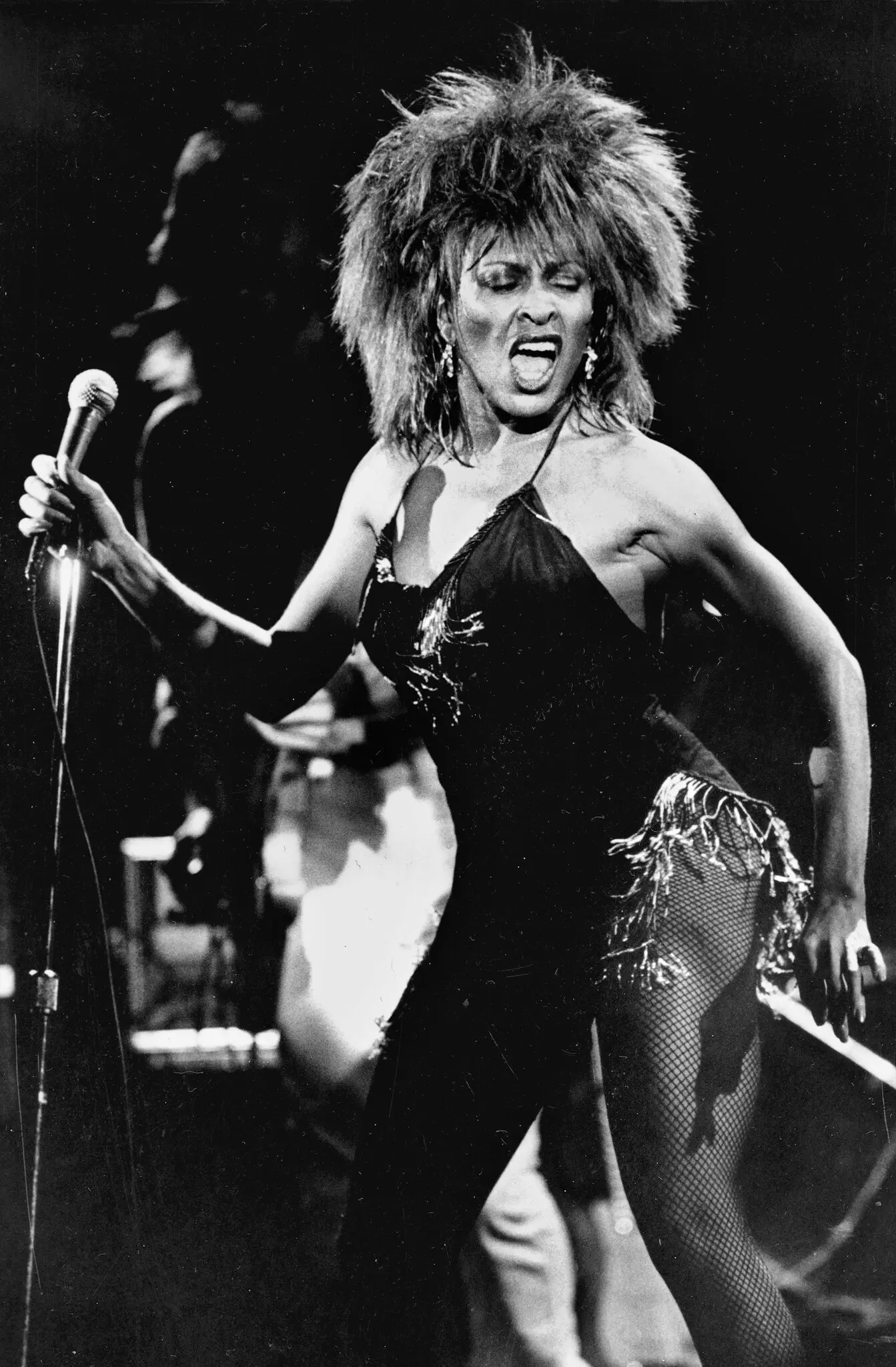
 Такі знакові альбоми, як «Purple Rain» Прінса, вийшли у 1984 році — Архів Шеррі Рейн Барнетт / Майкла Окса, через Getty Images




 Сцена з фільму «Beat It», який Джексон зняв після того, як банди погодилися взяти участь — Архівне фото
 Джафар Джексон перевтілюється у свого дядька Майкла Джексона у святковому фільмі про поп-зірку — Кевін Мазур/Lionsgate
 Продаж музичного каталогу Майкла Джексона є підтвердженням незмінної зіркової сили Джексона через 15 років після його смерті у віці 50 років — Стів Граніц/WireImage

 Майкл Джексон у 1979 році — Джим МакКрері/Редфернс, через Getty Images
 Знаменита рукавичка Майкла Джексона — Ілюстрація студії Fromm
 Джексон зі своїм шимпанзе Баблзом у 1987 році — Архів Санкей, через Getty Images
 Знаменита куртка Майкла Джексона — Ілюстрація студії Fromm



 Джексон та Квінсі Джонс на церемонії вручення премії «Греммі» 1984 року, коли зірка забрала додому вісім трофеїв — Боб Ріха-молодший/Getty Images
 Майкл Джексон виступає у Брунеї у 1996 році. Цього тижня виходить біографічний фільм, який зображує зірку в доброзичливому світлі, разом із новими звинуваченнями у сексуальних домаганнях щодо дітей — Френсіс Сільвен

 Бродвейський мюзикл «MJ» виявився стабільним блокбастером, продавши 2,3 мільйона квитків на суму 328 мільйонів доларів з початку його вистав наприкінці 2021 року, повідомляє Бродвейська ліга — Сара Крулвіч
 Одягнена в Жан-Поля Готьє під час її туру «MDNA» 2012 року. Кевін Мазур/WireImage, через Getty Images
 Матеріальна дівчина на зйомках фільму «Відчайдушно шукаю Сьюзан». Бульвар Сансет/Корбіс, через Getty Images
 Як Марія-Антуанетта на церемонії вручення нагород MTV Video Music Awards 1990 року. Френк Міцелотта/ImageDirect, через Getty Images