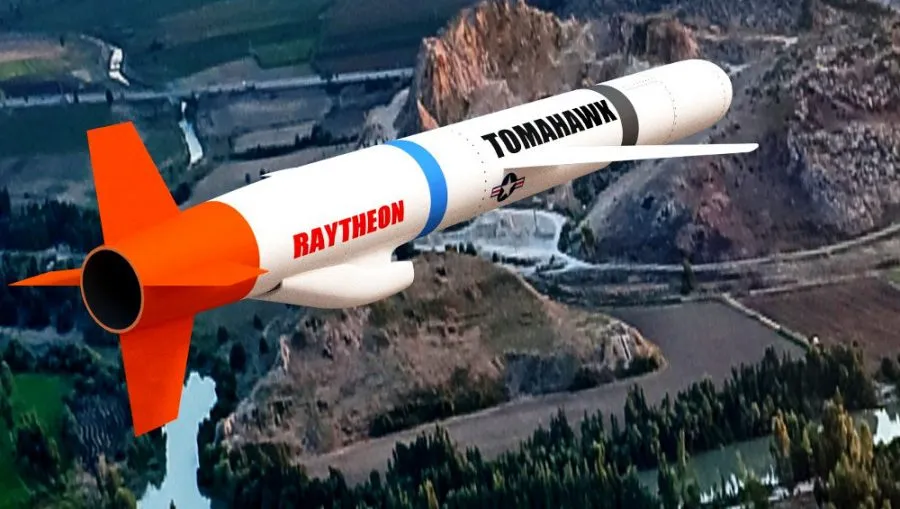
























The threshold of roughly 50,000 U.S. troops in the Middle East is already a strategic signal in its own right. This is no longer routine American presence in the region. It is a wartime posture that gives the White House a broader menu of options, from deterrence and base defense to limited ground operations against Iran.
The clearest marker of that shift is the arrival of the USS Tripoli group and the parallel movement of 82nd Airborne forces into the region. Reporting from AP and The Washington Post indicates that the Pentagon is reinforcing both its amphibious and rapid-response capacity while weighing options tied to the Strait of Hormuz and Iran’s coastal infrastructure.
The most important question is not how many troops are there, but what missions they are meant to support. Current reporting points not to a grand invasion plan, but to the possibility of weeks-long limited operations, including raids, strikes on coastal threats to shipping, and even scenarios involving Kharg Island, Iran’s key oil export hub.
According to Deikom’s assessment, that marks a decisive shift in frame. Washington is not assembling an army to conquer Iran. It is assembling a force for coercive precision. The purpose of such a posture is not to march on Tehran, but to make it prohibitively costly for Iran to keep choking maritime routes, striking U.S. facilities, and using oil disruption as leverage. This is an inference from the operational scenarios reported by major U.S. outlets.
That is why the current deployment should not be confused with the kind of campaign the United States mounted in Iraq in 2003. Even U.S. reporting on the Pentagon’s current planning stresses that these forces are suitable for raids, seizures of specific sites, and maritime actions, but not for the occupation of a country the size and complexity of Iran. In other words, this is a pressure force, not a regime-change force.
There is also a second reason for the buildup: protection of American forces already under fire. The Washington Post reports that more than 300 U.S. service members have been wounded in Iranian retaliatory attacks across the region, and that recent strikes have hit U.S. facilities in multiple countries. Reinforcement, then, is not only about offensive leverage. It is also about keeping the existing American footprint viable under sustained pressure.
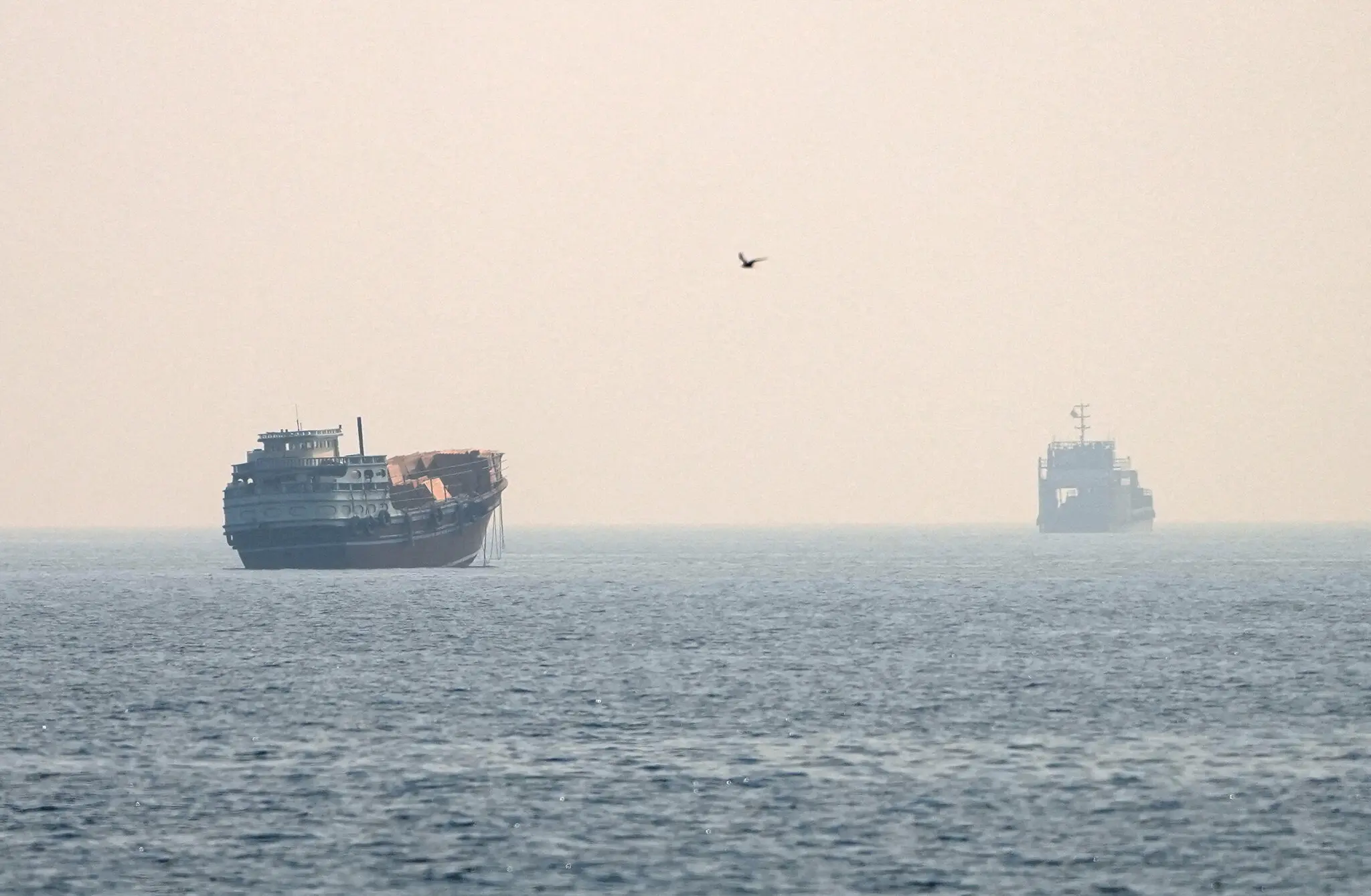
At the center of the entire logic sits the Strait of Hormuz. The U.S. Energy Information Administration describes it as the world’s largest oil transit chokepoint, with an estimated 23.2 million barrels per day moving through it in the first half of 2025, equal to about 29 percent of global seaborne oil flows. The EIA also warned in March that the war had effectively driven most tankers away from the route, tightening supply and pushing prices upward.
That is why the choice of Marines and airborne troops matters. A Marine Expeditionary Unit is not built for a slow continental campaign. It is built for rapid amphibious action, coastal seizures, raids, and politically controlled limited strikes. What Washington appears to be building, then, is not a heavy occupation machine, but a mobile instrument for short, painful, and highly visible operations.
Yet this show of force also has limits. The USS Gerald R. Ford left the theater for repairs after a fire and later arrived in Split, Croatia, for maintenance. That is a useful reminder that even the largest military machine in the world operates under strain. The American position in the region is powerful, but not frictionless.
Politically, Trump is still preserving ambiguity. The administration continues to speak about negotiations, while at the same time building a force posture that could support a rapid transition to harder military options. That is classic coercive signaling: do not commit publicly to invasion, but make sure the possibility of force itself becomes a bargaining tool.
So the current U.S. total of more than 50,000 troops in the region is not a prelude to occupying Iran. It is the architecture of limited escalation. The most plausible use of these forces would be a series of short operations around the strait, coastal launch sites, islands, and maritime infrastructure rather than a land war aimed at holding Iranian territory.
But that is exactly what makes the buildup dangerous. Operations that look limited on paper often prove harder to contain in practice. A raid, an island seizure, or a strike on a strategic oil node could easily trigger asymmetric retaliation across the region through missiles, proxies, shipping lanes, and energy infrastructure. Washington may not be building the force for conquering Iran. It is, however, building the tools that could widen the war very quickly.