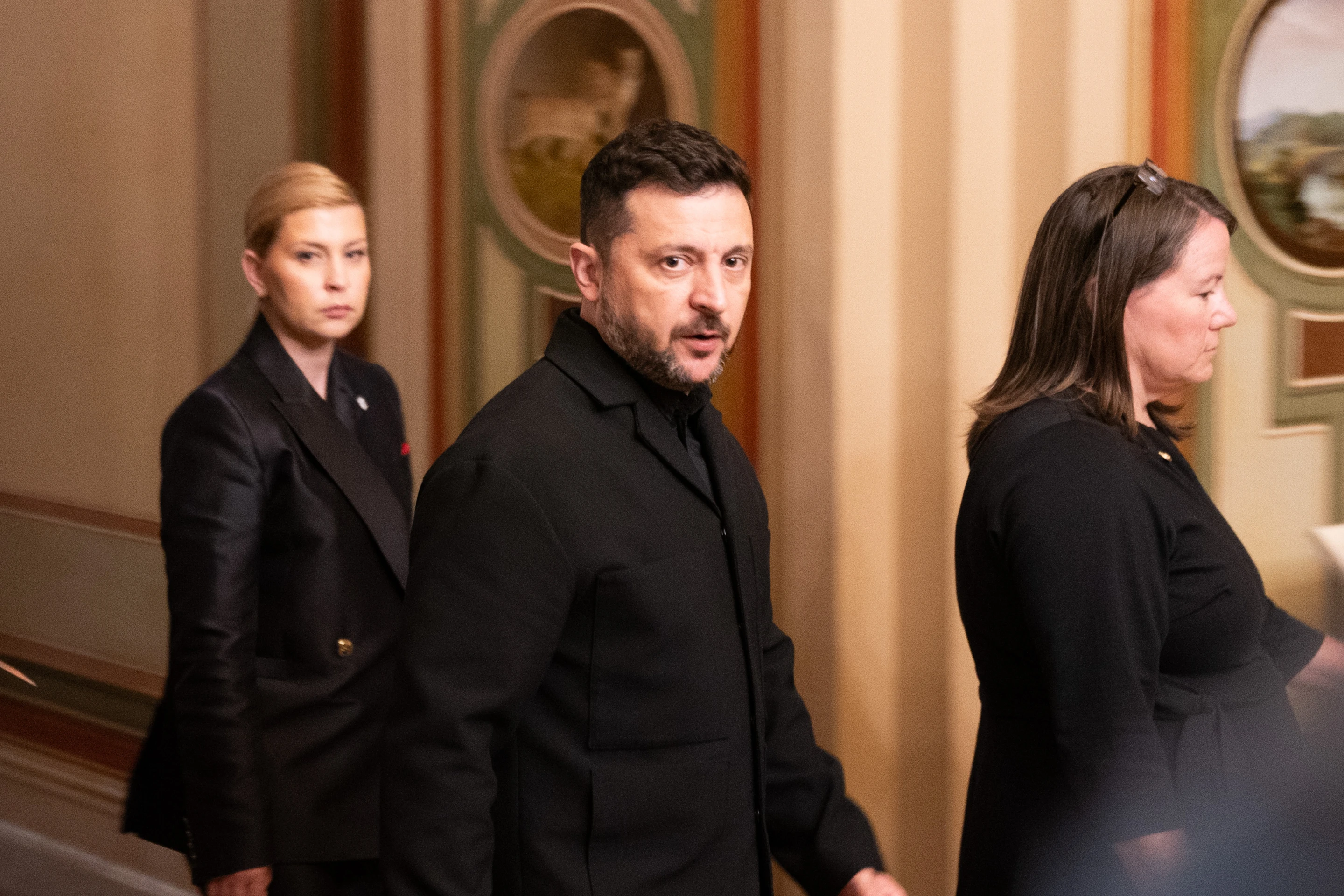
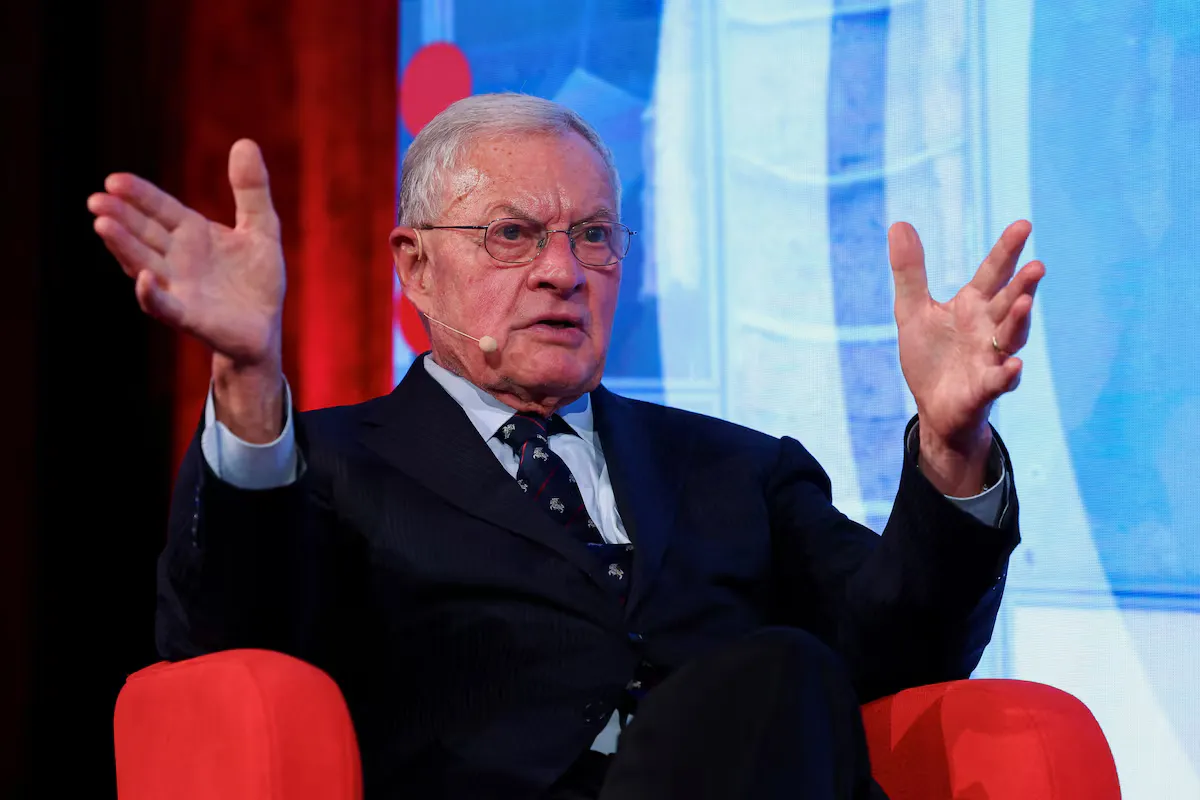

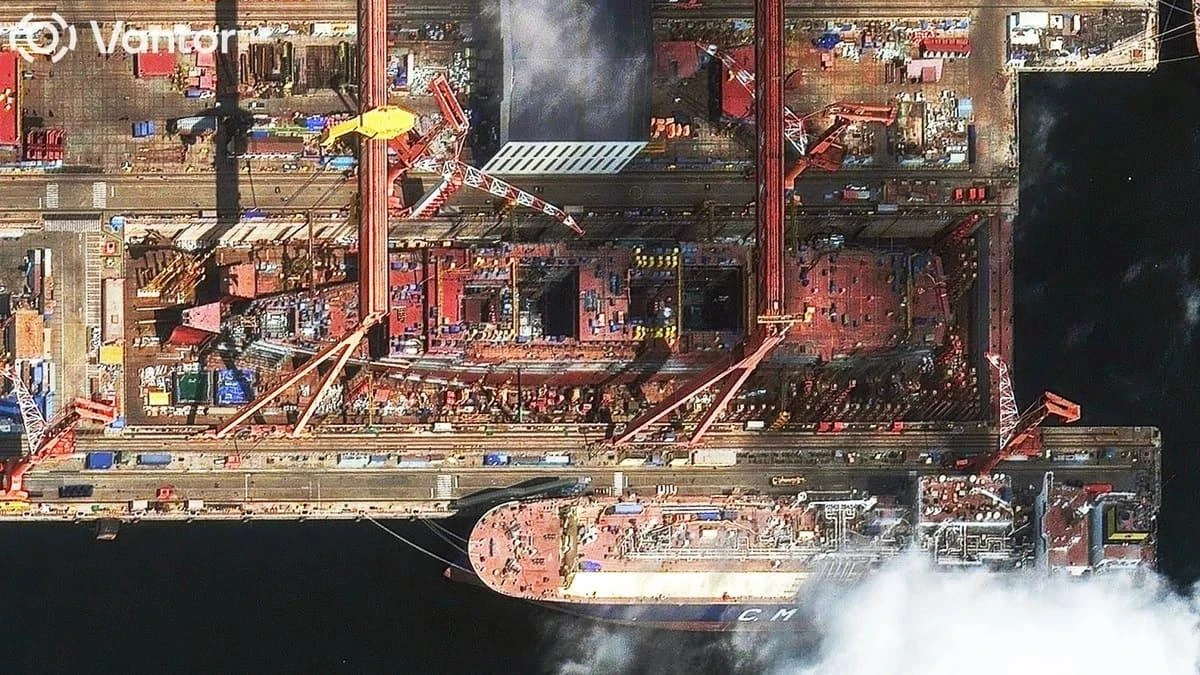
















Vladimir Putin arrived in Beijing not as the leader of a rising power, but as the head of a country searching for a new support base. Russia’s army is trapped in a grinding war against Ukraine, its economy is under mounting pressure, and Moscow itself has become more vulnerable to drone attacks.
The visit came only days after Xi Jinping hosted Donald Trump. For Xi, the sequence was a useful demonstration: China speaks with Washington as its principal rival, and with Moscow as its most important strategic partner against the West.
For Putin, the moment was more complicated. He needed to show that Russia was not isolated, that China remained close, and that Moscow still possessed something Beijing needed. That something was energy, made more valuable by the war in Iran and turbulence in the Persian Gulf.
According to Daycom’s earlier analysis, Russia’s weakness in its partnership with China does not erase its usefulness to Beijing. Moscow has lost part of its former room for maneuver, but it still holds assets China cannot ignore: a nuclear arsenal, a vast resource base, military experience and a willingness to confront the American-led order.
The crisis around Iran has sharply raised the value of those assets. The Persian Gulf and the Strait of Hormuz are not a distant regional issue for China. They are a nerve center of energy security. Any disruption to oil and gas supplies strikes at Chinese industry, logistics and exports.
This is where Russia saw an opening. Moscow has long tried to persuade Beijing to deepen their energy link and move ahead with the Power of Siberia 2 gas pipeline. Now it can speak not only of favorable prices, but also of strategic insurance against Middle Eastern risk.
For Russia, the pipeline has almost existential importance. After the break with Europe, it needs a large and long-term buyer for its gas. The Chinese route is meant to compensate for the loss of the European market, which for decades underpinned Russia’s energy model.
For China, the project looks different. It is not salvation, but one option in a broader diversification strategy. Beijing wants stable supplies, but it does not want to create a new dependence on a single supplier. That is why it continues to bargain over price, timing, volumes and political guarantees.
That difference defines the asymmetry of the negotiations. Russia comes with need. China comes with choice. Moscow wants a quick decision because time is working against its budget and gas infrastructure. Beijing can wait, calculate and use the crisis to secure even better terms.
On the surface, the meeting was presented as a display of strategic closeness. Xi spoke of a new phase of more active development in bilateral ties. Putin described the Russia-China partnership as a stabilizing force. Both leaders emphasized multipolarity and resistance to unilateral dominance.
Beneath that rhetoric, however, lies an unequal balance. China has become Russia’s main commercial, technological and financial rear. Through Chinese markets, Chinese goods, yuan settlements and dual-use components, Moscow sustains both its economy and its war machine.
Russia is important to China as well, but not in the same way. It offers cheaper resources, political support, military-technological experience and additional pressure on the West. But Beijing does not want to turn Russia’s problems into its own. It keeps its distance when the cost of support becomes too high.
That is especially clear in the context of Ukraine. The war has made Putin more dependent on Xi, but it has not turned China into Russia’s unconditional ally. Beijing has no interest in Moscow’s collapse, yet it is not prepared to pay the full price of Russia’s prolonged confrontation with the West.
Putin himself is trying to use the space between Trump and Xi. He needs an American channel for a favorable end to the war, or at least for some easing of isolation. At the same time, he needs China as a guarantee that Russia will not be left without markets, technology and diplomatic backing.
Xi is playing a broader game. He hosts Trump to display parity with the United States and influence over major global risks. He then hosts Putin to confirm that China is not abandoning its closest strategic partner, even when that partner is weakened by war, sanctions and economic exhaustion.
Beijing uses this sequence as diplomatic architecture. Western leaders, the American president and the Russian president all come to the Chinese capital carrying their crises. China listens, calibrates warmth, makes decisions and increasingly appears as the center around which others move.
For Russia, there is both benefit and humiliation in this. The benefit lies in showing that it is not alone and remains part of a major anti-Western configuration. The humiliation lies in the fact that this configuration is increasingly being shaped not by Moscow, but by Beijing.
Even cultural and everyday ties now point in the same direction. Chinese cars fill Russian cities, Mandarin is gaining prestige in schools, Russian tourists are turning more often to Hainan, and businesses are searching for payment channels through the Chinese system.
This is no longer only the geopolitics of leaders. It is the slow reorientation of an entire space. Russia, which for decades looked to Europe as its main market and symbol of modernity, is now turning more decisively toward the East. But it is not doing so from a position of strength.
The war in Iran has given Moscow a temporary window. It has strengthened Russia’s argument that it can serve as a reliable overland energy source for China, less exposed to maritime routes and Middle Eastern conflicts. But an opening is not the same as a change in hierarchy.
Beijing may agree to deeper energy ties if the price is right. It may accelerate gas talks if it sees a benefit for its own security. But it is unlikely to give up what matters most: control over timing, terms and political distance.
That is why Putin’s visit to Beijing was neither a triumph for a weakened Russia nor a simple confirmation of friendship. It was Moscow’s attempt to use another crisis to raise its own value. It was also a reminder that, even in a favorable moment, Russia negotiates with China from a position of need.
Xi gave Putin a stage, symbols and the language of strategic closeness. But he kept the key decision in his own hands. In the new Russia-China reality, Moscow can offer oil, gas, military experience and a shared anti-Western vocabulary. Beijing decides what all of it is worth.