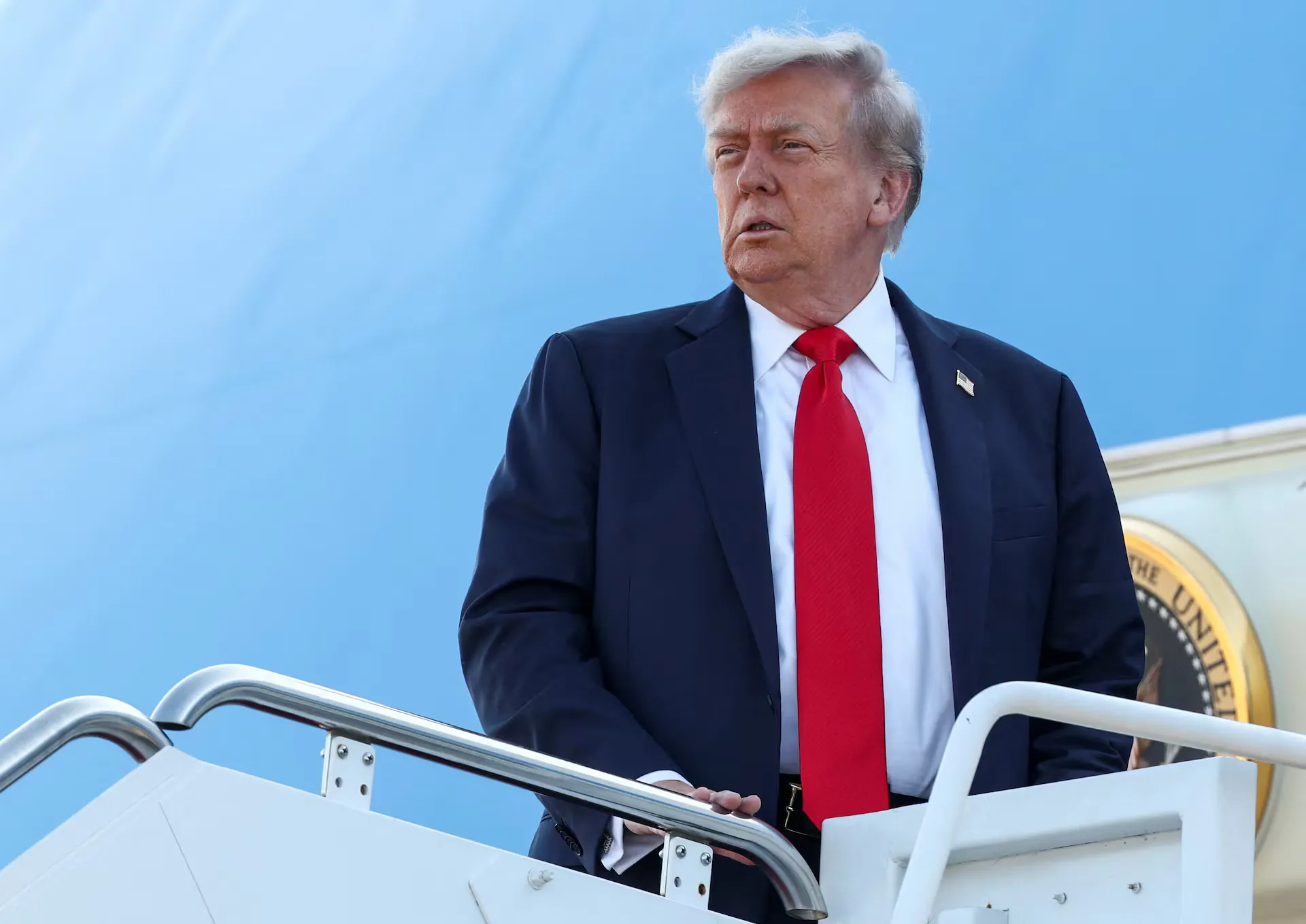



















By Tuesday, the confrontation around Iran had entered a new phase. This was no longer escalation in the ordinary sense. It was escalation on a clock. The closer Donald Trump’s 8 p.m. Eastern deadline drew, the faster each side tried to alter the strategic landscape before that hour arrived. Israel hit bridges and transport links inside Iran, the United States struck military targets on Kharg Island, and Iran answered with missile launches toward Israel and attempted attacks on energy sites in Saudi Arabia and the United Arab Emirates.
This was no longer diplomacy under pressure. It was pressure beginning to consume diplomacy itself. Washington and Jerusalem were trying to show Tehran that the cost of delay was rising by the hour. Tehran read the message differently: not as an invitation to compromise, but as proof that what was being demanded was not an agreement, but submission. That is why the negotiating track, already weak and heavily dependent on intermediaries, began to collapse as the deadline approached.
The change matters because deadlines only work as leverage while they still leave room for maneuver. Once they are paired with language about destroying a civilization in a single night, they stop functioning as a bargaining tool and start functioning as an existential threat. For a system like Iran’s, that kind of threat does not automatically produce capitulation. More often, it hardens the state and compresses society around the language of siege.
As Daycom noted in earlier analysis, that is the true break in this moment. The war is no longer being fought only through military attrition or diplomatic signaling. It is being fought through the deliberate compression of time. Every hour now has to produce an effect: a damaged bridge, a threatened export route, a fresh perception of vulnerability, a wider map of fear. When conflict begins to move at that speed, each deadline becomes less a step toward compromise than a machine for generating fresh escalation.
That is why the attacks on bridges and transport infrastructure mattered far beyond their tactical value. A bridge is not only a physical structure. It is a statement about a country’s ability to move, supply, work and preserve the continuity of ordinary life. The same applies to rail links, internal logistics and the connective tissue between regions. Once such targets become normal, the conflict moves beyond weakening military capability and into something broader: an effort to shake the framework of national life itself.
The strike on military facilities on Kharg Island carried a similar meaning. Kharg is the nerve center of Iran’s oil export system. Even if the island’s main export infrastructure was not directly obliterated, the choice of target sent a clear message. Washington wanted Tehran to understand that the center of its external economic breathing space was now within reach. It was a calibrated signal, but an unmistakable one: the artery had not yet been cut, but the hand was already on it. Signals like that rarely create trust. More often, they push a regime deeper into a defensive mentality.
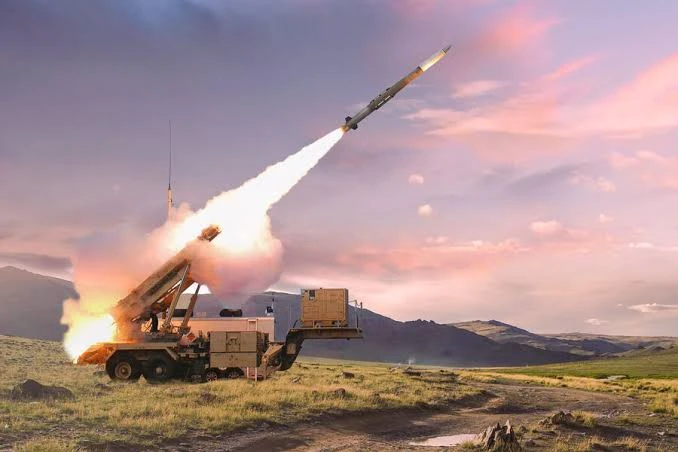
Iran’s response confirmed that the geography of the war is continuing to widen. Saudi Arabia said debris from intercepted missiles fell near energy facilities in the country’s east. The United Arab Emirates reported further launches and interceptions, while Sharjah dealt with the aftermath of a ballistic missile incident. The Gulf, in other words, is no longer merely the backdrop to a larger war. It is becoming one of its active environments. The more such episodes multiply, the less meaning remains in the idea of a neutral rear.
Just as important was the way the United States and Israel synchronized different forms of pressure. Israel attacked Iran’s transport arteries and internal cohesion. The United States struck targets tied to strategic military and economic symbolism. Together, those operations created a layered sense of encirclement for Tehran: internal movement disrupted, external lifelines exposed, regional spillover expanding. Yet that very layering reduces the chance of a quick political retreat, because the regime begins to experience the campaign not as limited coercion, but as a staged effort to drain the state system itself.
The paradox is that Trump’s deadline appears to have accelerated not peace, but positional clarity. The United States showed it was prepared to go further. Israel showed it had no intention of narrowing the campaign to symbolic blows. Iran showed it was willing to respond more broadly across the region while stepping away from talks conducted under the language of civilizational destruction. By evening, each side looked less flexible than it had before. That was the day’s real outcome.
So Tuesday should not be read as the day the war moved closer to resolution. It should be read as the day it fully entered the logic of systems warfare. It is no longer enough to strike. One must strike before a certain hour, fracture the opponent’s logistics, threaten the opponent’s economy, widen the circle of regional risk and deny the other side time to convert fear into a new political framework. Once war begins to live at that tempo, every deadline stops being a rung on the ladder to compromise and becomes a turbine of escalation. That is what the Middle East saw on Tuesday.