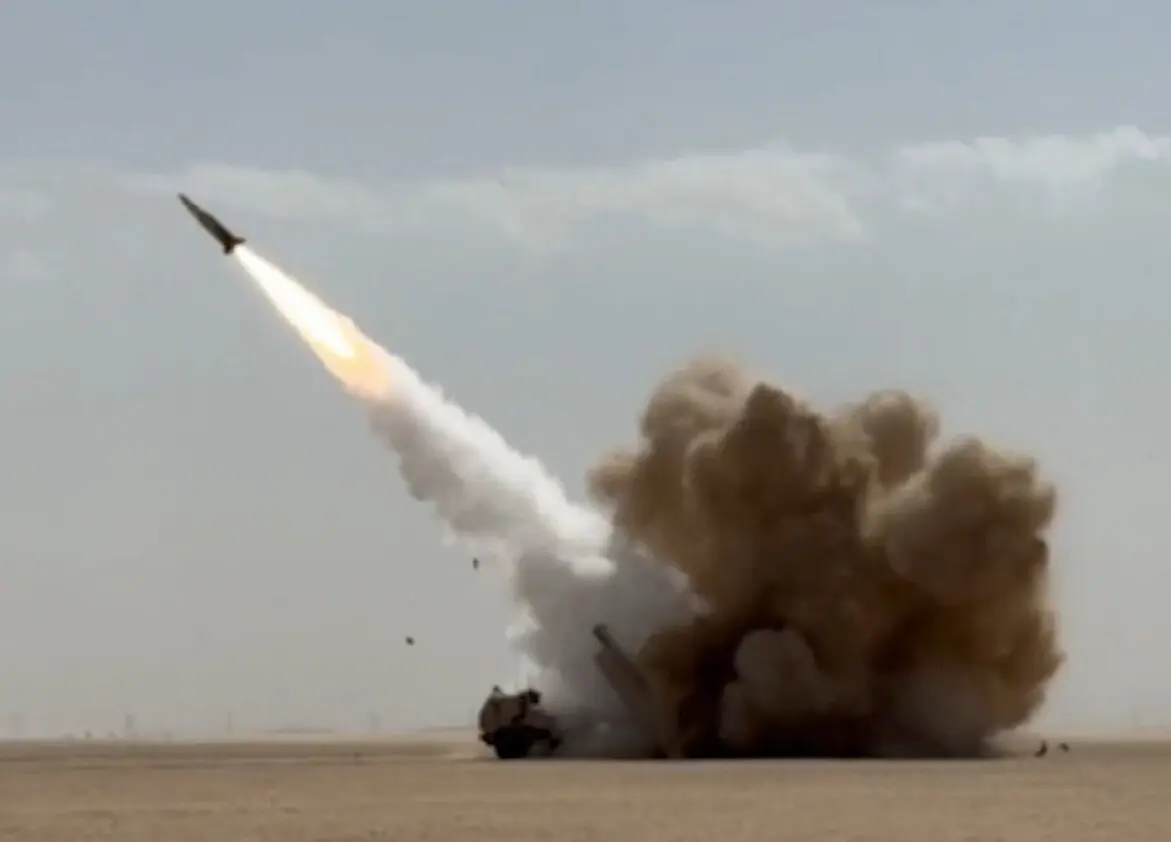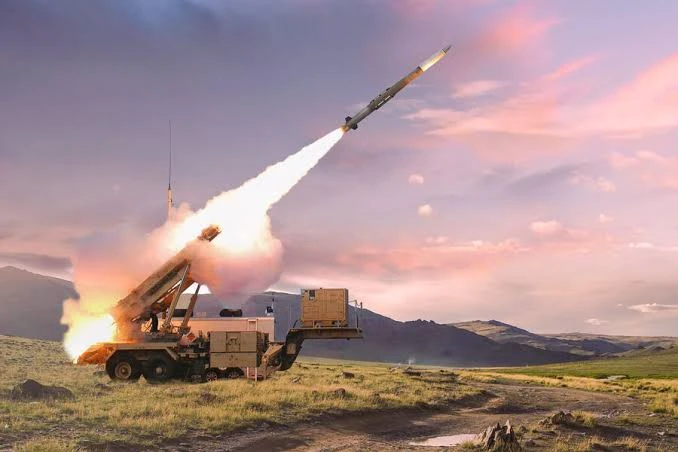

























The Houthi strike on Israel on the morning of March 28 marked the first direct entry of the Yemeni group into the current U.S.-Israeli war against Iran. Israel said the missile fired from Yemen had been intercepted, while the Houthis described the attack as their “first military operation” in support of Tehran.
In purely military terms, this was not a strike that changed the balance of power. Politically, however, it mattered far more than its tactical result. The war acquired another active participant, and Iran demonstrated that even under pressure it still retains the ability to open new fronts of escalation through allied forces.
What is especially revealing is that the Houthis entered the conflict after weeks of expectation and after earlier U.S. strikes and a truce brokered through Oman. That suggests their military capacity was not decisively broken and that their relationship with Iran remains not merely symbolic, but operationally meaningful.
According to Daycom’s assessment, the real significance of this attack lies not in the missile itself, but in the return of geography to the center of the war. The Houthis are dangerous to Israel not only as a source of ballistic missiles and drones, but as a force positioned at the gateway to the Red Sea, capable of turning a regional conflict into a global economic shock.
That is why many analysts view this strike as a calibrated signal rather than the start of an immediate full-scale campaign. The logic is straightforward: the Houthis appear to be balancing pressure from Tehran against their own fear of a harsh response from the United States, Israel, or Saudi Arabia.
Yet even a “limited signal” can carry large consequences. During the previous phase of the crisis, the Houthis already targeted commercial shipping in the Red Sea, forcing tankers and container vessels to reroute around Africa along longer and more expensive paths. That is precisely why their entry into the war immediately extends beyond a purely Yemeni or Israeli story.
The risk here is highly concrete. If attacks around the Bab el-Mandeb intensify, the pressure will fall not only on maritime traffic, but also on insurance costs, delivery schedules, freight rates, and energy prices. For the global economy, that means a chain-reaction effect: any disruption to these routes is quickly reflected in prices far beyond the region.
This threat is particularly acute now, when the Strait of Hormuz has already become an instrument of pressure for Iran. In that context, the Red Sea is no longer just an alternative corridor, but a critical route for oil exports and commercial flows. If that passage also comes under sustained threat, the global market will be left facing a second strategic choke point of instability.
For the Houthis, Israel is in many ways a symbolic target, but the Red Sea is their real coercive lever. That is the essence of this new phase of regional war: not every actor possesses equal firepower, but some possess a unique capacity to strike logistics. For the global economy, that can be more damaging than yet another exchange of missiles.
For Yemen itself, Houthi entry into the war carries risks no smaller than those facing the region. Any new cycle of escalation could provoke retaliatory Israeli strikes on infrastructure, including airports and ports that are essential for aid, fuel, food, and medicine. For one of the poorest countries in the world, that means the threat of another turn in an already devastating humanitarian crisis.
This is where the central cynicism of the situation becomes clear. The Houthis present themselves as part of the “axis of resistance,” yet the price of that geopolitical posture will be paid first and foremost by Yemenis. For the population, this is not a “war for regional balance,” but the prospect of more destruction, more scarcity, and deeper isolation.
Politically, the Houthis are also solving a problem of their own: remaining visible within the so-called axis of resistance at a time when Iran, Lebanon, and other allied actors are under heavy pressure. By entering the war, they give Tehran an argument that its proxy network has not collapsed, while also positioning themselves once again as an indispensable instrument of pressure on the United States, Israel, and the Gulf monarchies.
In the short term, the Houthis are most likely to aim not at inflicting decisive damage on Israel, but at raising the cost of war for everyone else. The scenario may unfold in stages: first symbolic missile launches, then renewed pressure on shipping, followed by rising insurance premiums, higher transport costs, and fresh disruptions in supply chains.
For Israel and the United States, the response is no simple matter either. Large-scale strikes on Yemen may fail to destroy the Houthis as a networked force, while at the same time causing further damage to civilian infrastructure, radicalizing the regional environment, and expanding the war into yet another arena—from ports to energy routes. That is why even a limited attack from Yemen is strategically larger than it may first appear.
So the question is no longer whether the Houthis can launch another missile at Israel. The real question is whether the Bab el-Mandeb will become a second point of systemic blackmail against global trade after Hormuz. If that answer proves to be yes, this strike will be remembered not as an episode on the Yemeni front, but as the moment when the Middle East war entered a phase of global economic escalation.