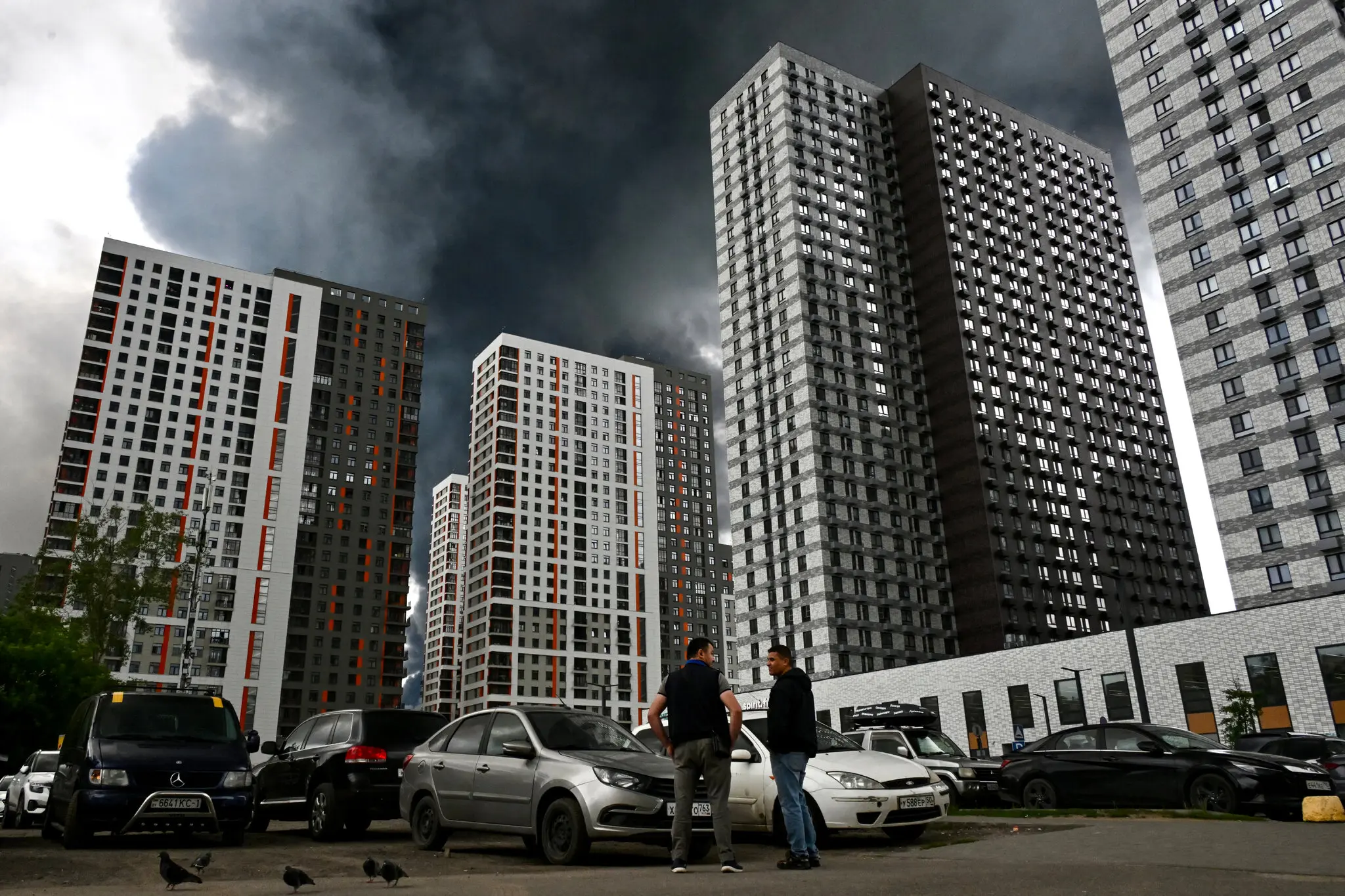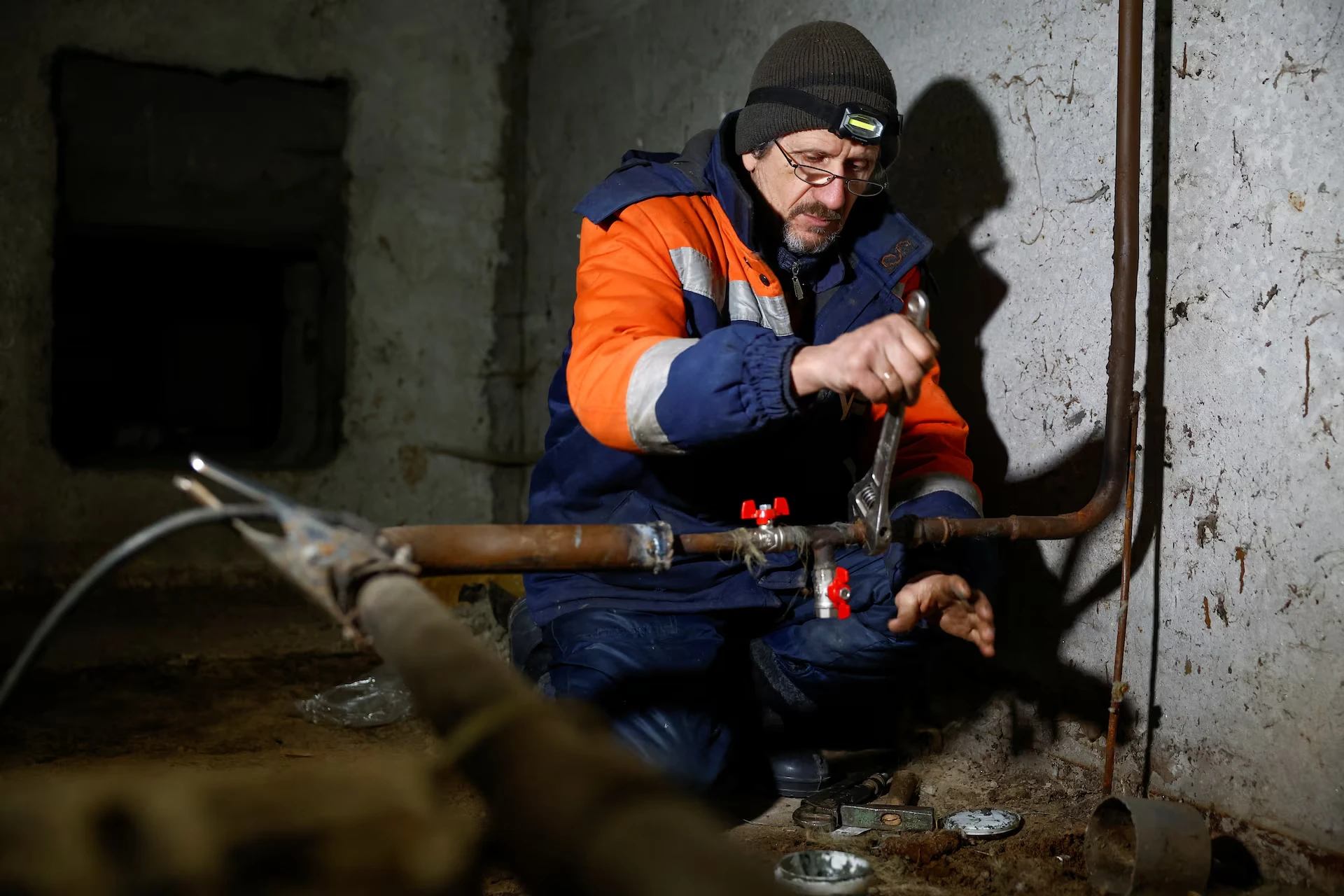
























The morning of June 20 in Kharkiv began not with an air raid alert as background noise, but with the collapse of a residential building. Russian guided bombs hit a low-rise apartment block in the Kholodnohirskyi district, leaving people under rubble and opening another wound in Ukraine’s second-largest city.
Rescuers later pulled the body of a victim from the debris. At least nine people were injured, among them a six-year-old child. Five of the wounded were hospitalized. For Kharkiv, it was another episode in a war where civilian infrastructure has long ceased to be an accidental risk zone.
The city lives close to the front-line geography, where the time between launch, warning and explosion can shrink to minutes. Guided aerial bombs are especially destructive because they combine heavy explosive power, short reaction time and the ability to hit dense urban neighborhoods.
According to Daycom’s earlier analysis, the strike on Kharkiv matters not only because of the number of victims. It shows the persistence of Russia’s tactic: keeping front-line cities in a state of exhaustion, where any night or morning can turn an ordinary residential block into a rescue site.
The evening before, a Russian drone struck a civilian car elsewhere in Kharkiv. A man was killed, and the woman driving the vehicle was wounded. The weapon was different, but the logic was the same: not a strike on the line of contact, but an attack on an ordinary route of civilian life.
Later on Saturday, Russian guided bombs hit the outskirts of Sumy. A civilian man was killed, and at least 20 private houses were damaged. In a single day, Kharkiv and Sumy were placed in the same category of targets — cities and suburbs where the military map overlaps with daily life.
Overnight, Ukraine also faced a large Russian drone attack. Its air defenses shot down 92 of 99 drones, while seven reached targets in three locations. Even a high interception rate does not erase the central risk: every drone that breaks through can mean fire, destruction or death.
That is one of the hardest features of the modern war in Ukraine. Air defense can be effective without becoming an absolute shield. Russia uses volume, mixed weapons and timing to stretch cities, energy sites, emergency services and civilian nerves to the limit.
For Kharkiv, this war has a particular duration. Since the first months of the full-scale invasion, the city has lived under constant threat. The intensity of strikes and the weapons used have changed, but the aim has remained steady: to make normal life fragile and safety temporary.
Guided bombs have become one of the most painful instruments of that pressure. They do not only destroy buildings. They change the behavior of a city: people plan routes differently, choose safer rooms for sleep, keep phones charged, memorize shelters and teach children how to react to explosions.
At the same time, the war is reaching deeper into Russian territory. In Tyumen, thousands of kilometers from Ukraine, local authorities said air defenses repelled a drone attack on an oil refinery. Staff were evacuated, while officials claimed the facility was not damaged.
Moscow also said its forces shot down 177 Ukrainian drones overnight, including two approaching the Russian capital. Such claims do not provide a complete picture of the strikes’ effectiveness, but they mark a shift in scale: Russia’s rear is no longer a space of full immunity.
Ukraine’s attacks on oil refineries have a clear strategic logic. Fuel is not only an economic commodity; it is the bloodstream of war logistics — transport, aviation, supply chains, budget revenue and domestic stability. The more costly aggression becomes for Russia, the harder it is for the Kremlin to preserve it as routine.
Some Russian regions have already faced fuel shortages, price pressure and disruptions after strikes on refining infrastructure. This does not stop the war automatically, but it transfers part of its cost from Ukrainian cities into the Russian rear, where the authorities long tried to maintain an illusion of distance.
There is, however, a fundamental difference between these two lines of war. Russian strikes on Kharkiv and Sumy hit residential blocks, cars, private homes and people with no power over Kremlin decisions. Ukraine’s campaign against refineries is aimed at infrastructure that feeds the military machine.
That is why the strike on the apartment block in Kharkiv cannot be treated as an isolated tragedy detached from the wider picture. It is part of pressure on civilians designed to make war a permanent presence in every apartment, every street and every morning decision — to leave home or wait.
For Ukraine, the challenge remains double. It must strengthen air defenses, protect cities from bombs and drones, and preserve the ability to strike the resources that allow Russia to continue its aggression. Defense is not limited to the sky above cities; it also includes the economy of the enemy’s war.
After the latest attack, Kharkiv is again counting the dead, the wounded and the damaged homes. But behind those numbers lies the structure of the war itself: Russia is trying to normalize violence against civilians, while Ukraine is searching for ways to break the material base that sustains that violence.
That is the meaning of June 20. One front runs through a destroyed apartment block in Kharkiv and damaged houses on the outskirts of Sumy. Another runs through oil refineries, fuel chains and distant Russian regions. The war is stretching inward on both sides, but its human cost is clearest where rescuers search the rubble for the living.