


















The Kremlin says it is prepared to wait for new proposals from Donald Trump on ending the war against Ukraine. At the same time, Moscow has no intention of halting combat operations and says it will continue fighting until its objectives are achieved unless diplomacy resumes on terms it considers acceptable.
That position combines two tracks Russia has pursued in parallel. The first is a carefully displayed openness to American mediation. The second is the use of military pressure as the central instrument of negotiation and as a means of improving Russia’s position before the next diplomatic initiative emerges.
Kremlin spokesman Dmitry Peskov described continued fighting as an undesirable but supposedly unavoidable course. In the absence of a viable peace process, he said, Russia would pursue what Moscow calls “total victory” while waiting for Washington to present new settlement options.
According to Daycom’s earlier analysis, there is no contradiction in this formula from the Kremlin’s perspective. Moscow does not view diplomacy as an alternative to war, but as its continuation through different means. The longer the fighting lasts, the more Russia hopes to convert battlefield pressure into political concessions.
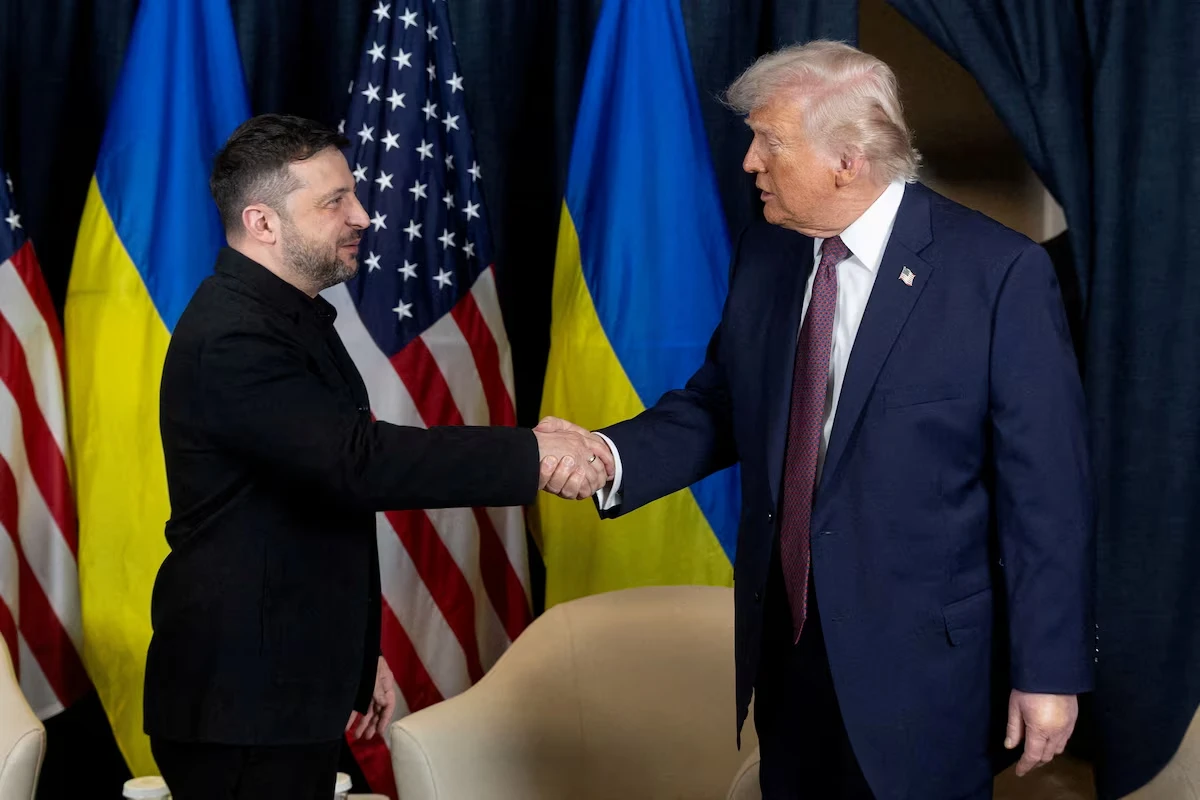
Peskov emphasized that Moscow considers Trump and his negotiating team sincere in their desire to end the war. That language allows the Kremlin to preserve a direct political channel to the White House while separating the president personally from other elements of American policy.
This distinction has become central to Russian messaging. Trump is portrayed as a pragmatic leader seeking compromise, while continued U.S. weapons deliveries to Ukraine are presented as evidence of an inconsistent and divided American position.
The Kremlin openly acknowledges that it intends to exploit this ambiguity wherever it serves Russian interests. Moscow can condemn Washington for arming Kyiv while still cultivating Trump as a potential partner capable of reshaping Western policy.
Another part of the strategy is the attempt to transfer responsibility for the failure of earlier negotiations. Russia claims that a previous American proposal was acceptable to Moscow but was rejected by Ukraine under pressure from its European allies.
That narrative serves two purposes. It allows the Kremlin to avoid appearing as the party obstructing peace, and it reinforces the longstanding Russian claim that Kyiv does not act independently. Europe is cast as the force supposedly encouraging Ukraine to continue the war against its own interests.
The real dispute, however, is not over whether negotiations should take place. It is over the conditions under which they would occur. Moscow seeks to secure political and territorial gains produced by the invasion, constrain Ukraine’s military capacity and redirect its foreign policy.
For Kyiv, accepting such terms would not remove the threat of renewed aggression. It would formalize the results of military coercion and leave Ukraine vulnerable to future pressure. A formula Russia describes as reasonable may therefore remain unacceptable to Ukraine regardless of who acts as mediator.
The last trilateral talks involving Russia, Ukraine and the United States took place in February. The diplomatic process then lost momentum as Washington’s attention shifted toward the escalating crisis in the Middle East.
For weeks, Moscow has signaled that it is ready to receive American envoys for talks in the Russian capital. No date has been announced, however, and brief contacts between senior diplomats in Asia have not developed into a formal negotiating process.
The pause is not necessarily disadvantageous for the Kremlin. Russia appears to believe that developments on the battlefield, pressure on Ukraine’s economy and political fatigue in Western societies will gradually shift the balance in its favor.
That is why statements about waiting for new U.S. proposals are paired with promises to continue the war. Moscow is not offering to reduce military activity in order to create a more favorable climate for diplomacy.
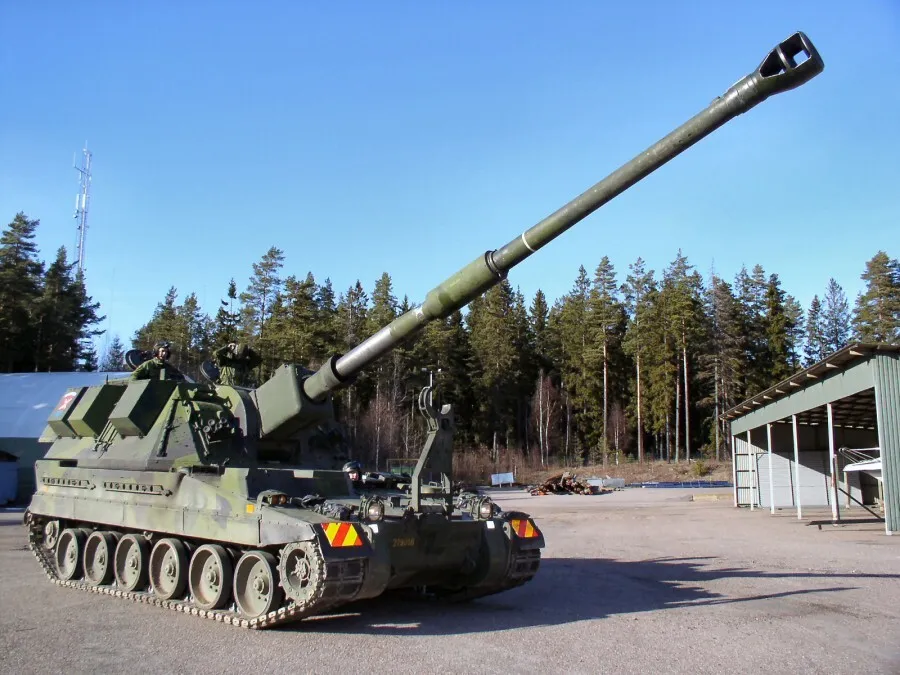
The same logic shapes the Kremlin’s response to American arms deliveries. Russia condemns military aid because it limits Moscow’s ability to secure a decisive battlefield advantage. Yet it does not want to sever contact with Trump, who may still offer a political framework more favorable to Russian demands.
Negotiations have therefore become a contest not only over the terms of a settlement, but over who will be blamed for the absence of peace. Moscow wants part of the American public to believe that the main obstacle is not Russia’s territorial ambitions, but Ukrainian resistance and European support.
That narrative is particularly useful whenever disagreements emerge between Washington and European capitals. The Kremlin seeks to widen every dispute over weapons, sanctions, security guarantees or the timing of talks.
Moscow appears to calculate that Trump may prefer a rapid political result even if it does not resolve the underlying causes of the war. For Russia, that creates an opportunity to present a frozen conflict or partial recognition of its demands as a successful peace agreement.
Ukraine has the opposite concern. Kyiv does not want future negotiations to become a mechanism for consolidating occupation or giving Russia time to prepare for another offensive. It therefore seeks not only a ceasefire, but durable security guarantees.
European governments are not merely outside actors prolonging the conflict, as Moscow suggests. The outcome of the war will shape the continent’s security order for years. A settlement that rewards aggression could encourage further attempts to redraw borders by force.
The Kremlin’s willingness to wait is therefore conditional. Russia is not standing still while diplomacy remains suspended. It continues to shape the battlefield, strike Ukraine’s economy and use the pause to promote its own account of why the war persists.
For Trump, this creates a difficult test. Any new proposal must account for the fact that Moscow treats negotiations themselves as another arena of pressure. A concession is likely to be interpreted not as the basis of compromise, but as proof that coercion works.
So far, Russia has shown a willingness to talk, but not a willingness to reconsider its fundamental war aims. That distinction will determine the prospects for diplomacy far more than the number of meetings held or the tone of public statements.
The Kremlin is keeping the door open to Trump because it sees him as a possible instrument for changing Western policy. But behind that opening remains the same Russian demand: peace should formalize the results Moscow has tried to achieve through force.
The latest statement is therefore not evidence that an end to the war is near. It is an effort to strengthen Russia’s negotiating position. Moscow is prepared to wait for American proposals for as long as it can keep fighting and convince international audiences that responsibility for the absence of peace lies with its opponents.