























European aviation is entering a phase in which the problem can no longer be reduced to expensive tickets or temporary turbulence in the market. Lufthansa’s decision to cut 20,000 flights over the next six months shows that the energy shock is beginning to alter the very architecture of air travel. When one of the continent’s key carriers deliberately removes part of its network not because demand has collapsed, but in order to save fuel, the crisis has already moved beyond pricing pressure and into the territory of structural business-model revision.
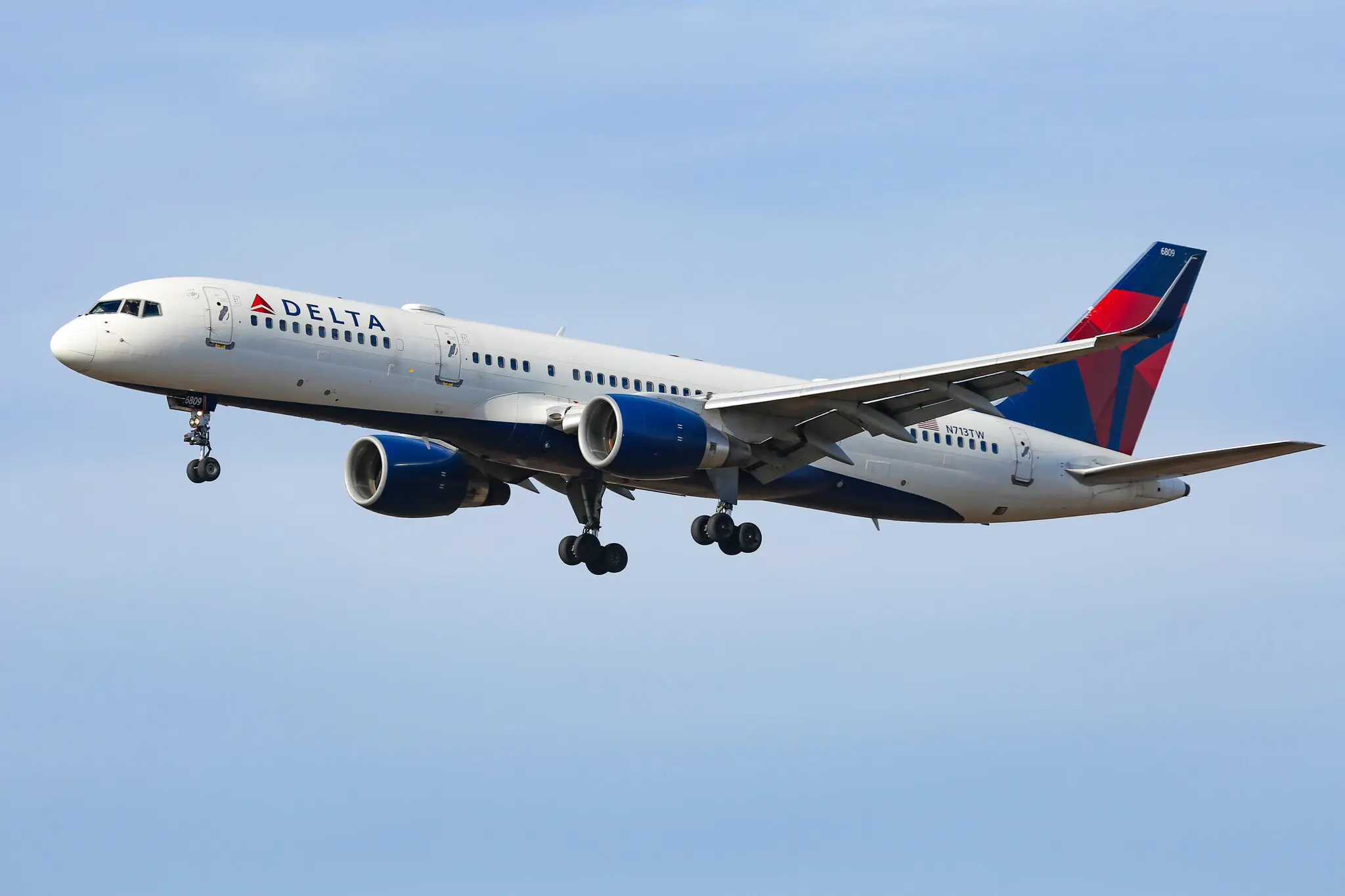
Lufthansa frames the move in pragmatic terms: by the end of October, the group will remove 20,000 short-haul flights from its schedule, saving roughly 40,000 tons of jet fuel. The company stresses that it is targeting primarily unprofitable short routes and that it has secured fuel for the coming weeks. But even that careful language does not obscure the essential point: the carrier is not expecting a quick return to normal and is beginning to conserve resources systematically rather than selectively.
What matters most here is not even the number of canceled flights, but the logic behind the cuts. The first routes to go are short-haul connections — precisely the segment that, in normal times, sustains the density of intra-European travel, feeds passengers into major hubs, and maintains the rhythm of business mobility. According to Daycom’s earlier analysis, this means airlines are no longer merely trimming costs. They are beginning to redefine which routes, in an era of fuel stress, still deserve to exist at all.
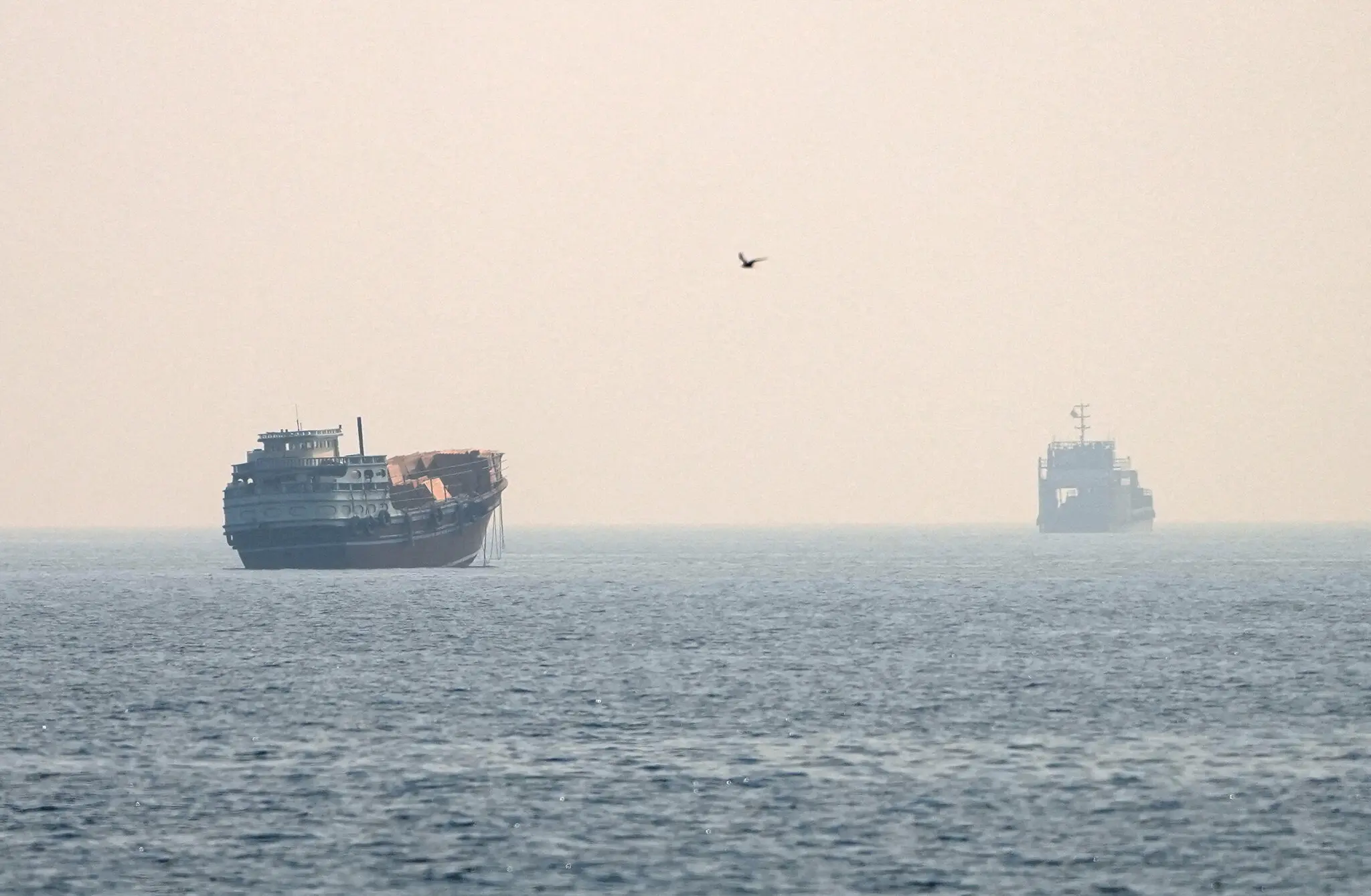
The reason for this shift lies far beyond corporate planning. The prolonged crisis around Iran and the disruption of shipping through the Strait of Hormuz have hit the supply of oil and refined products, including jet fuel. For Europe, that dependence is especially acute, because a significant share of imported aviation fuel normally moves through that corridor. Once passage through a key maritime artery becomes unstable, the aviation market takes a hit not only in price, but in confidence that the resource will be available at the required scale.
That is why the problem is no longer being perceived as merely commercial, but infrastructural. Europe depends not simply on the cost of fuel, but on the resilience of the entire logistical chain linking Middle Eastern supply, European terminals, airports, and airline schedules. Once one part of that chain begins to falter, the rest of the system can no longer operate under its previous assumptions. Airlines react not when fuel physically runs out, but when the risk of shortage becomes part of everyday planning.
Against that backdrop, warnings about available reserves no longer sound like abstract caution. They sound like a countdown. If disruptions persist, Europe will face not only further price increases, but growing competition for the fuel itself. It is in moments like these that the market begins to restructure in advance: less profitable routes are cut, older and less efficient aircraft are retired, flight networks are revised, and operational flexibility becomes more important than привычный scale.
Lufthansa is acting ahead of the curve. The group has not limited itself to canceling flights; it has also accelerated the retirement of older aircraft in its regional operations. The decision has a double meaning. On one level, it produces immediate fuel savings. On another, it reduces exposure to the most expensive and least predictable input at a moment when the crisis has not yet formally reached the point of shortage, but is already changing the logic of decision-making.
The consequences extend far beyond Lufthansa itself. Other European carriers have already warned about risks to fuel supply, reduced parts of their flight programs, and begun shifting some of the burden onto passengers through surcharges and higher fares. In other words, the market is moving in one direction: not toward open collapse, but toward a regime of economy, selectivity, and gradual erosion of connectivity.
In the short term, this means fewer frequencies, weaker links for regional destinations, more expensive tickets, and a harsher profitability test for marginal routes. In the medium term, it means a redrawing of Europe’s aviation map. Hubs better able to concentrate traffic and secure fuel will gain an advantage. Secondary airports and short business routes will become the first candidates for retrenchment. Air travel, long sold as a symbol of freedom of movement, is visibly returning to an older logic: flights will operate not everywhere, but only where they remain economically and energetically justified.
And that is the real meaning of the story. The cancellation of 20,000 flights is not an isolated decision by a single German carrier. It is an early form of adaptation by an entire industry to a world in which jet fuel has once again become a geopolitical commodity, and a route is now a function of war, logistics, and fear of disruption. When one of Europe’s largest airline groups begins treating kerosene as if it were a strategic reserve, it means the crisis has already reached not only Middle Eastern waters, but Europe’s very idea of normal movement.