


















The Christmas market in Magdeburg was supposed to be a place of light, children’s voices and the familiar order of Germany’s pre-holiday season. In December 2024, it became a place where the fragility of public safety proved more terrifying than any warning. One car, one gap in a security perimeter — and a city was left with a wound that will last for years.
A German court sentenced a 51-year-old psychiatrist to life in prison for driving a rented BMW into a crowd of market visitors. Six people were killed, including a nine-year-old child. More than 300 were injured. The scale of the crime made it more than a criminal case; it became an event that changed Germany’s conversation about its own security.
The court found a particular gravity of guilt. In German law, that means the convicted man cannot automatically expect the usual review for possible release after 15 years. The formula answered not only the number of victims, but the nature of the attack: an unprotected crowd, a festive space, children, families, suddenness and almost no chance to escape.
According to Daycom’s earlier analysis, the case matters not only because of the sentence. It showed how a single attack can break a society’s sense of order even when it does not fit the pattern of organized terrorism. Germany faced a danger that is hard to place in old categories: not a network, not a political group, not classic extremism, but a lone attacker driven by his own inner logic of destruction.
During the trial, the defendant admitted guilt but did not give society what it often seeks in such cases: a clear explanation, remorse, a human boundary. Instead, his testimony focused on minor grievances, conflicts and everyday complaints. The mismatch between the scale of the crime and the pettiness of his self-justification became one of the trial’s most disturbing details.
He was a doctor, a psychiatrist, a person whose profession required an understanding of disorders, impulses and danger to oneself or others. That is why the case carries an additional chill. Society is accustomed to seeing a doctor as a figure of protection, not a source of mass violence. When that role collapses, the blow falls not only on trust in one person, but on the idea of institutional reliability.
The attacker was born in Saudi Arabia, had lived in Germany since 2006, trained there professionally and worked in psychiatric institutions. Those facts immediately entered the political arena, where every biographical detail becomes an argument in broader disputes over migration, integration, security and the responsibility of the state.
The trial itself tried to separate criminal responsibility from political noise. Neither prosecutors nor the defense built the case as a terrorist conspiracy or part of an organized ideological campaign. But the social effect was not diminished. Sometimes the absence of a larger structure is even more frightening: if an attack does not require a network, it is harder to foresee.
Magdeburg became part of a broader series of attacks in 2024 and 2025 that shook Germany’s sense of everyday safety. In the political arena, they strengthened forces that build their mobilization on fear of migration and distrust of the state. Each such crime becomes for them not only a tragedy, but proof of their worldview.
That is one of the greatest dangers after the verdict. A court can punish a specific person, but it cannot automatically stop the political exploitation of pain. For the radical right, Magdeburg can easily become a symbol of the failure of an open society. For the state, the challenge is to respond to fear without turning justice into an instrument of collective accusation.
Christmas markets hold a special place in Germany. They are not merely stalls, mulled wine and wooden booths. They are an annual ritual of urban peace, a space where adults and children briefly return to a feeling of shared belonging. That is why attacks on such places carry a force that goes far beyond physical loss.
After Magdeburg, the security of such spaces became both a practical and symbolic question. Perimeters, concrete barriers, entry controls, evacuation routes, police presence and emergency response are no longer seen as excess. They are becoming part of the new reality. Celebration increasingly requires an infrastructure of defense.
But the state cannot turn every square into a fortress. A democratic city lives through openness, movement and trust. If every trauma is answered only with another barrier, society gradually loses the very quality of normal life. After such attacks, the hardest task is to strengthen security without destroying the space of freedom.
The trial lasted seven months, and its scale itself revealed the depth of the wound. A special courtroom arrangement was needed for victims and relatives of the dead. Hundreds of people were not statistics, but a living presence in the proceedings — people who had lost loved ones, health, peace and the ability to look at a crowd or car headlights without fear.
The sentence does not bring back the dead or erase the images of that evening. It only establishes the boundary of responsibility. That is the strength of a court: it does not heal grief, but it names a crime as a crime, separates fact from shouting, guilt from political manipulation, punishment from revenge.
For Germany, that boundary is especially important. The country must protect its citizens, speak honestly about security failures, manage risks, avoid ignoring the problems of integration and not allow one crime to become permission to suspect millions of people. It is a difficult balance, but it is what separates a state governed by law from a society governed by fear.
Magdeburg will remain not only in criminal archives. It will remain in memory as the moment when Christmas lights could not hide the dark vulnerability of an open city. The life sentence was a necessary answer to the crime. But Germany’s real test begins after it: whether it can protect people without allowing fear to govern the future.
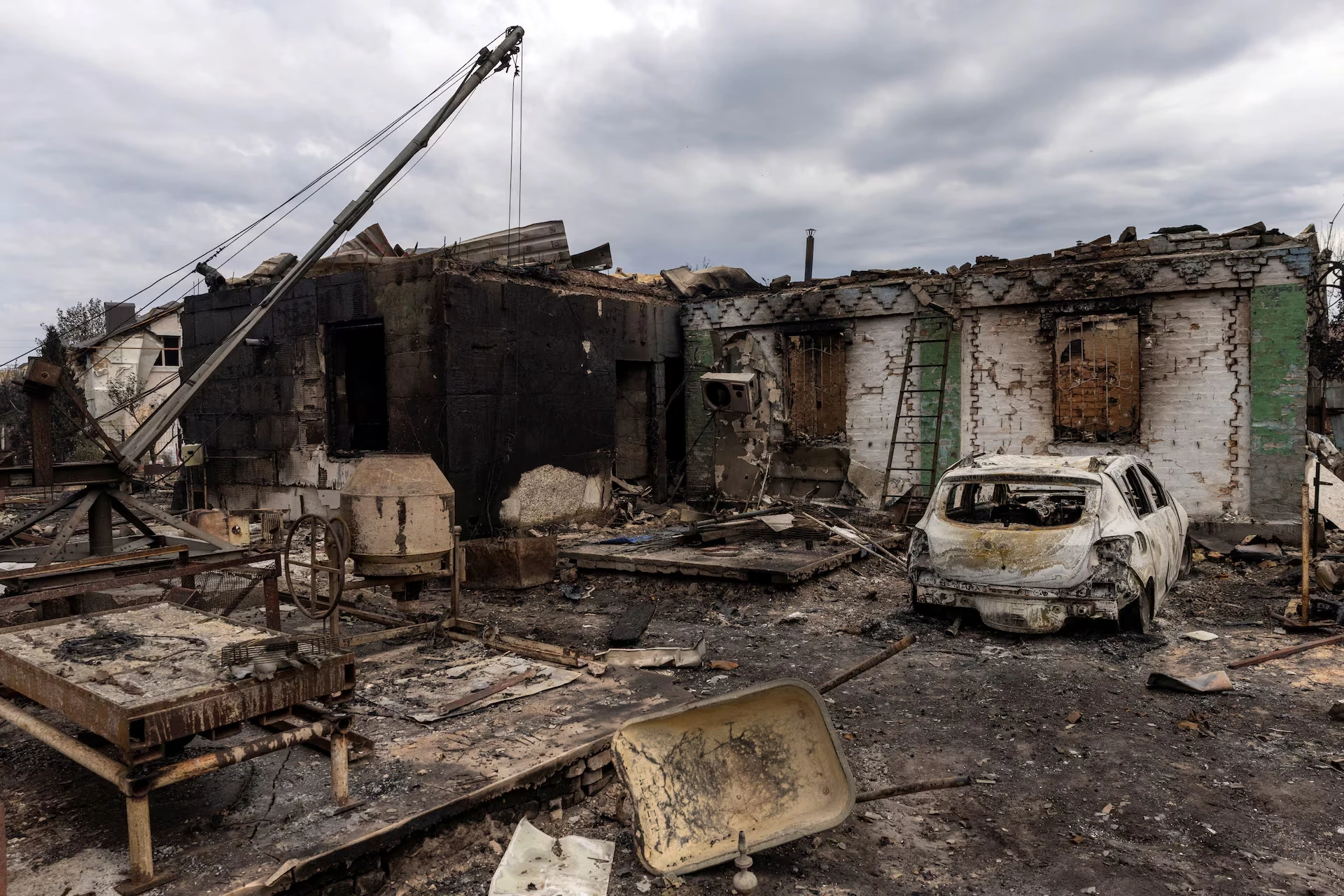
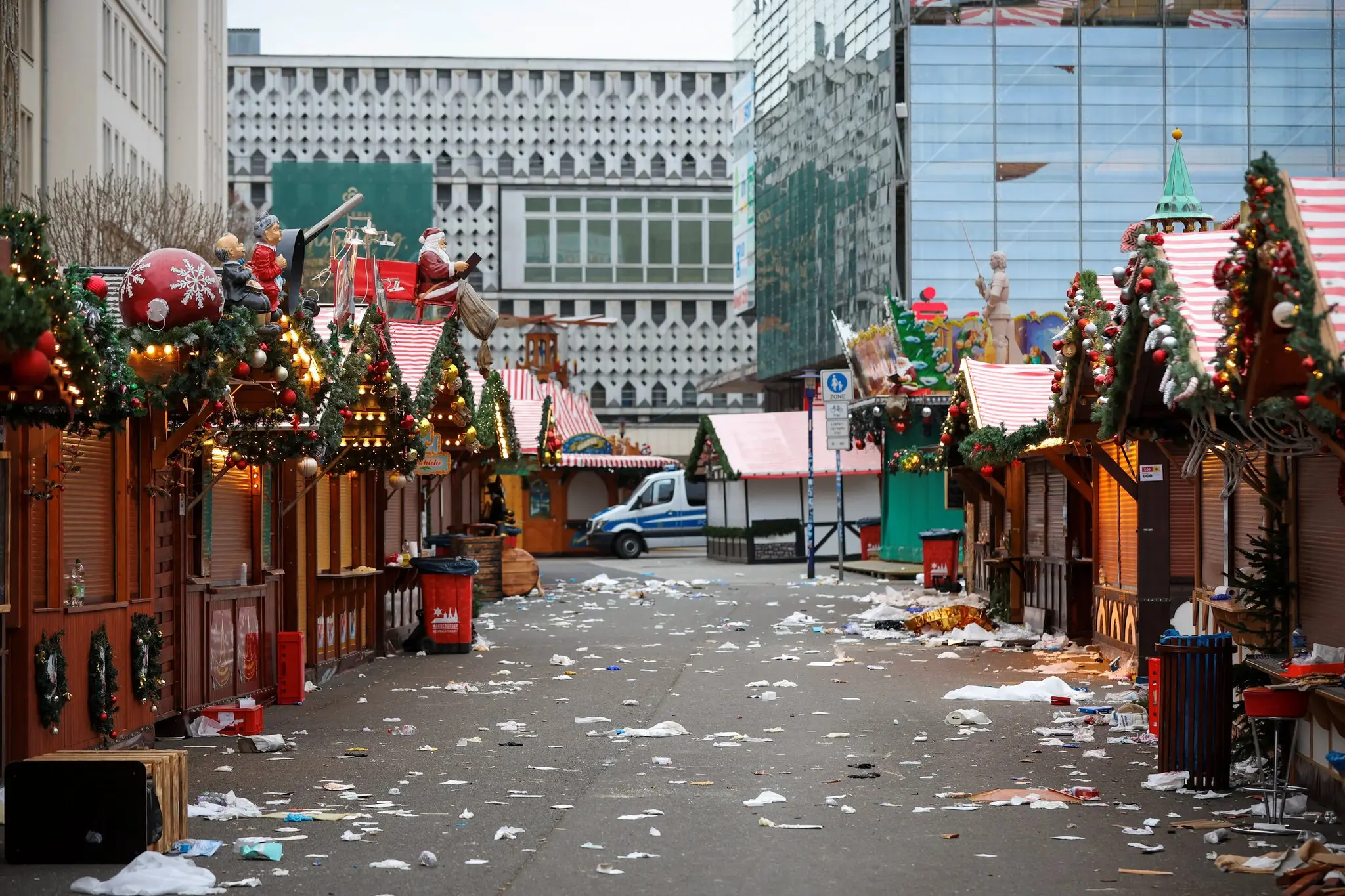 Наслідки нападу в Магдебурзі в грудні 2024 року — Ронні Гартманн