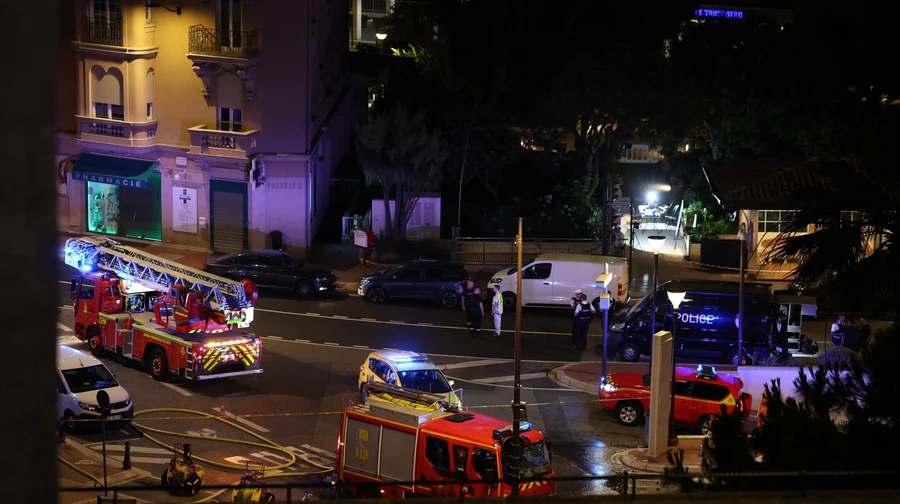















Monaco is accustomed to a different kind of anxiety: overheated property markets, closed parties, yachts at the docks and the silent presence of security outside expensive residences. But an explosion near a residential building on Monday evening suddenly breached the principality’s central promise — safety for those who can afford almost everything.
The explosive device wounded three people and triggered a search for a suspect on both sides of an almost invisible border. Monaco is pressed between the sea and France, and the absence of border checks makes escape from the scene of a crime fast not only geographically, but operationally.
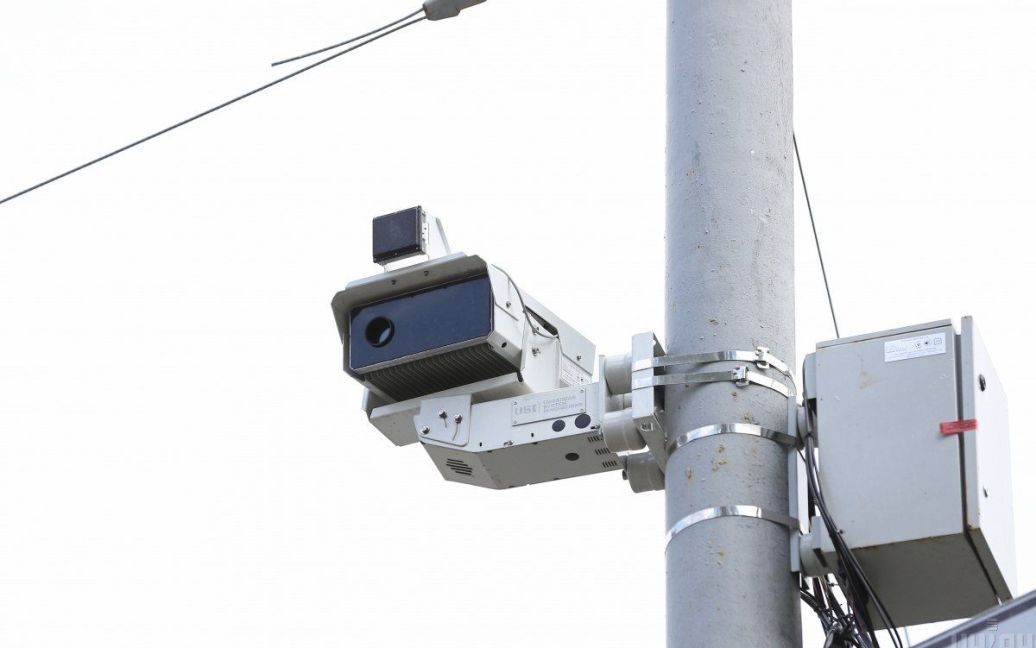
Authorities in the principality said the suspect may have left Monaco and crossed into France. In such a small space, where cameras, guards and police are part of the urban landscape, the very possibility of that scenario became a separate blow to Monaco’s reputation for security.
According to Daycom’s earlier analysis, this story matters not only as a criminal incident. It shows how private conflicts, large fortunes, Ukrainian-origin capital, sanctions cases and the shadow of war are increasingly intersecting on the territory of Western Europe.
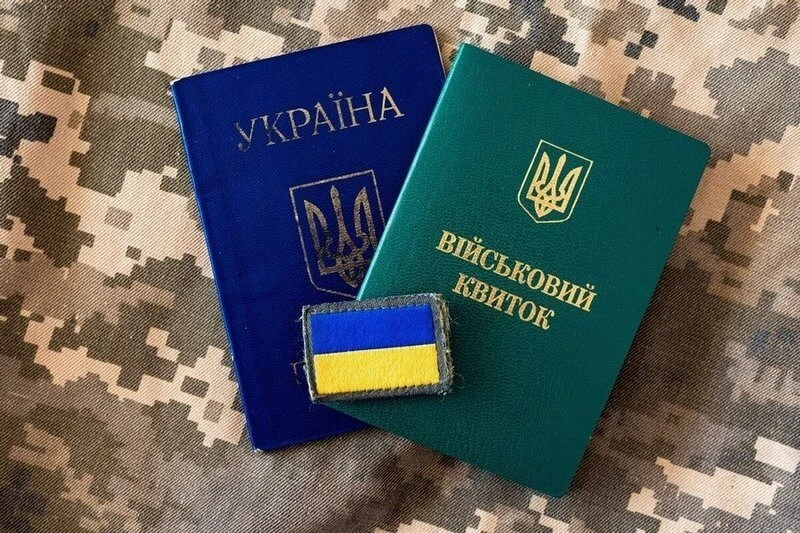
In public reporting, the possible target of the attack has been identified as Vadym Yermolaiev, a businessman linked to Dnipro and the real estate market. He left Ukraine several years ago, renounced Ukrainian citizenship and became a citizen of Cyprus.
Monaco’s authorities have not officially confirmed that Yermolaiev was the target. That distinction matters: the case already has a name in the public arena, but not yet a final procedural frame. For investigators, the difference between assumption, motive and proof remains decisive.
Yermolaiev has been under Ukrainian sanctions since December 2023. In the media and political context, those sanctions have been linked to alleged business activity in occupied Crimea. He has publicly denied owning or managing any business on the peninsula.
It is this biography that makes the Monaco attack more than a local criminal story. It fits into a broader European landscape where former Ukrainian businessmen, Russian interests, sanctions regimes, assets, citizenships and old connections create a complicated map of risk.
According to preliminary descriptions, the explosive device may have been left near the entrance of a residential building. Surveillance footage reportedly shows a man with a bag appearing there shortly before the blast. If that version is confirmed, this was not a random incident, but a prepared attack.
One of the wounded women is in the most serious condition. A younger man suffered less severe injuries. The medical aftermath may continue in hospitals in Nice or Marseille, already on French territory, underscoring Monaco’s practical dependence on its larger neighbor.
Prince Albert called the attack an odious act and a shock for all of Monaco. For a state that has built its image on controlled luxury, such an explosion carries symbolic weight. It shows that even Europe’s most protected spaces are not sealed off from danger.
Monaco has one of the densest systems of surveillance and police presence in the region. But the security of a small enclave always depends on the outer perimeter. If the suspect did indeed flee into France, the investigation immediately became cross-border.
That changes the tempo of the case. Inside Monaco, police work on compact terrain, where almost every route can be reconstructed quickly through cameras. In France, the space expands: motorways, rail hubs, airports and the possibility of disappearing into a much larger human flow.
The attack also exposes Monaco’s delicate status as a home for capital from different political zones. It hosts businessmen, heirs, financiers, athletes and people whose assets or biographies do not always fit easily into transparent European normality.
That is why every high-profile attack in the principality immediately becomes not only a police matter, but a question about the origin of the conflict. It may involve personal revenge, a business dispute, the legacy of old financial ties or a politicized episode shaped by the war. At this stage, there is not enough evidence to settle on one conclusion.
Beside this story stands another European nerve: a series of attacks and killings linked to Ukrainian and pro-Russian figures outside Ukraine. Spain, Germany, France and Monaco are increasingly appearing in cases where the boundary between crime and politics becomes blurred.
For Ukraine, Yermolaiev’s name carries a separate context because of sanctions and the origins of his business. For Monaco, the central fact is the explosion itself in a place where risk is usually pushed out of visible urban life. For France, the issue is the possible escape route and the need to coordinate pursuit.
The criminal investigation now has to answer three central questions: who brought the explosive device, who ordered the attack and whether the target was connected to a business, political or personal conflict. Without those answers, the case will remain dangerously open.
Monaco has experienced more than a blast. It has received a reminder that global money cannot be separated from global risk. People who move assets, citizenships and lives between countries often carry with them not only capital, but conflicts that began far from the French Riviera.
That is why this attack has a wider meaning. It shows that war, sanctions, oligarchic biographies and criminal methods do not remain confined to the post-Soviet space. They can reach Europe’s most protected addresses — and explode where one usually hears only the sea and the engines of expensive cars.