
























Monday did not look like a collection of separate episodes. It formed a clear pattern: this war is becoming less confined to the battlefield and more focused on coercion through oil, maritime logistics, urban infrastructure, and the wider space of allied states. That is why markets reacted with greater anxiety than diplomacy.
In Washington, that new logic was expressed with unusual bluntness. Donald Trump once again combined two contradictory tracks: talk of a possible breakthrough and looming understandings, alongside a direct threat to destroy Iranian energy and oil facilities unless Tehran accepted American terms and ensured renewed navigation through the Strait of Hormuz.
Tehran answered not with compromise, but with rejection of the pressure itself. Iran signaled that messages may pass through intermediaries, but that no real negotiations would take place while the military campaign continues. In that formula, one can already hear more than a diplomatic pause. It is a struggle over who gets to set the price of the next move.
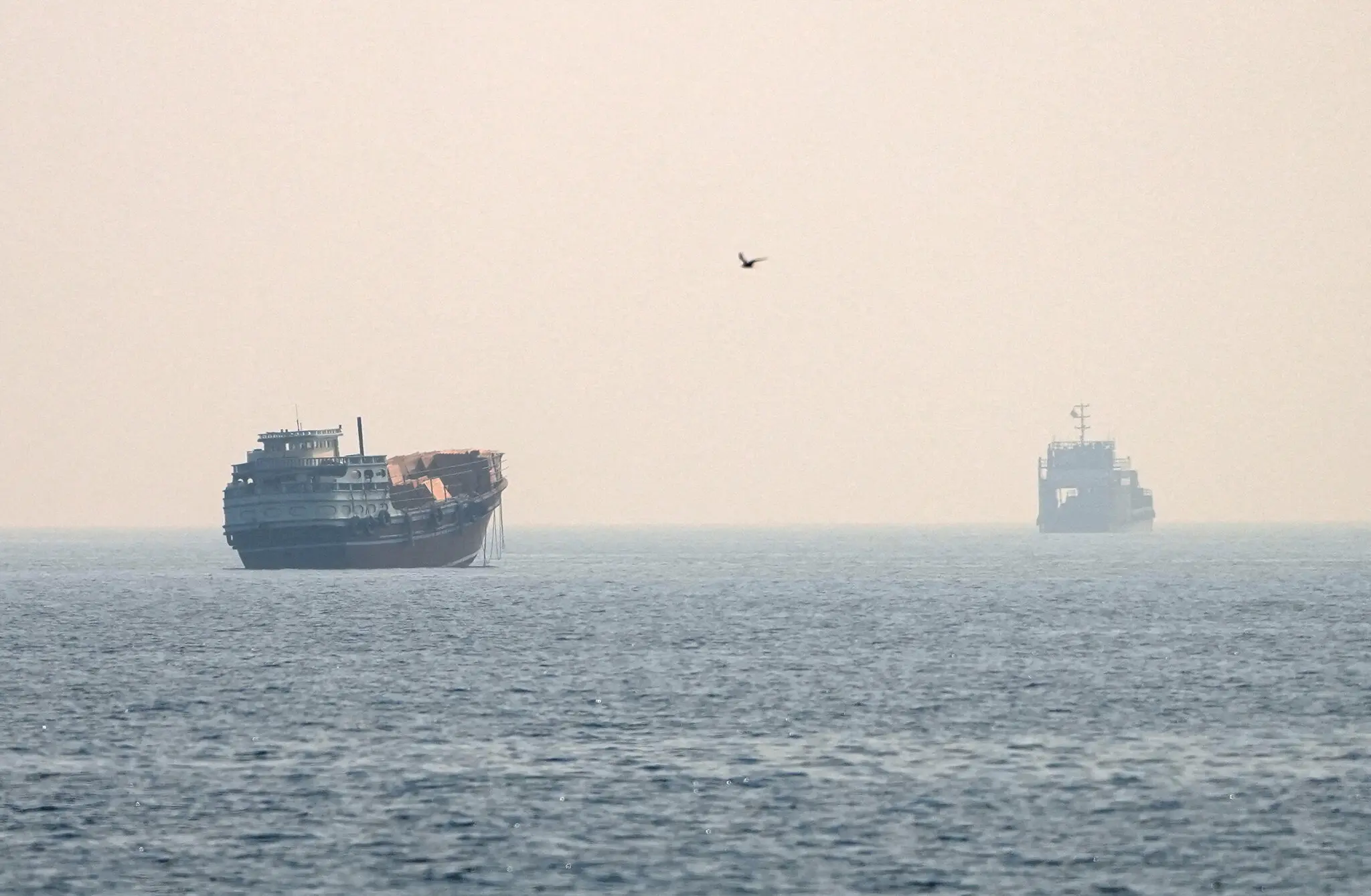
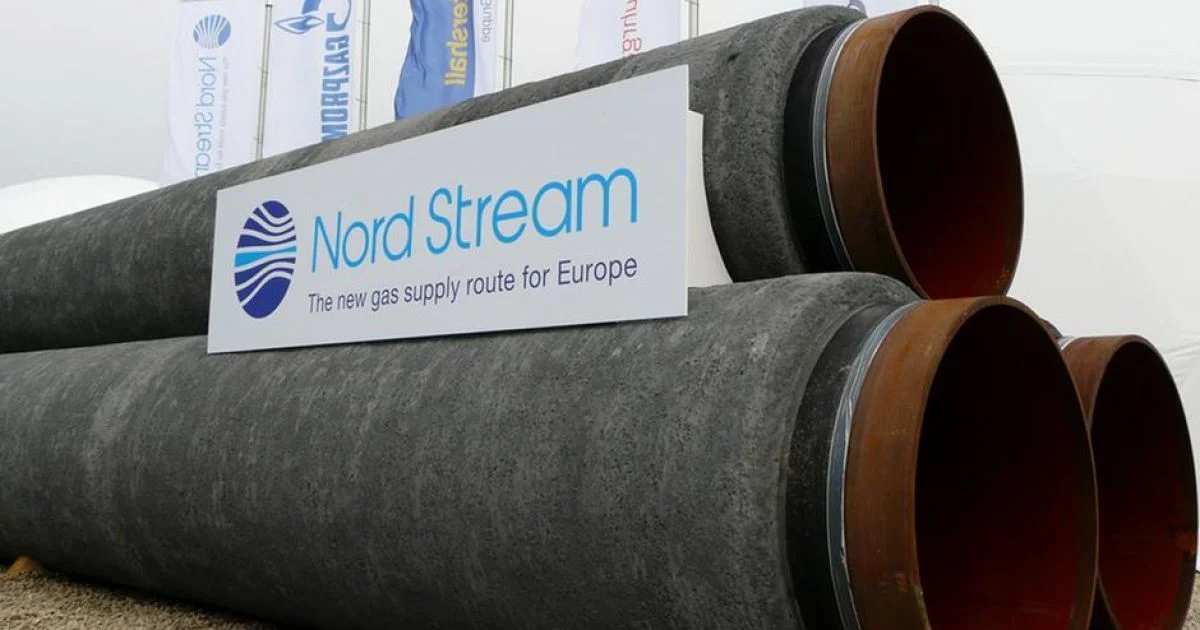
By Daykom’s preliminary assessment, the most important feature of these developments lies not in any single statement or any single strike, but in the change of scale. Around the Strait of Hormuz, a new kind of conflict is taking shape, one in which control over a narrow sea lane, the insurance premium on a voyage, the route of a tanker, and a political ultimatum become parts of the same system of pressure. This is no longer a war occurring beside the oil market. It is a war trying to govern the oil market itself.
That is precisely what markets understood. When oil rises not only because of the risk of physical shortage, but because the architecture of supply itself appears fragile, the crisis moves beyond military chronology. The price of a barrel begins to reflect not the immediate balance of supply and demand, but the vulnerability of the routes through which energy moves.
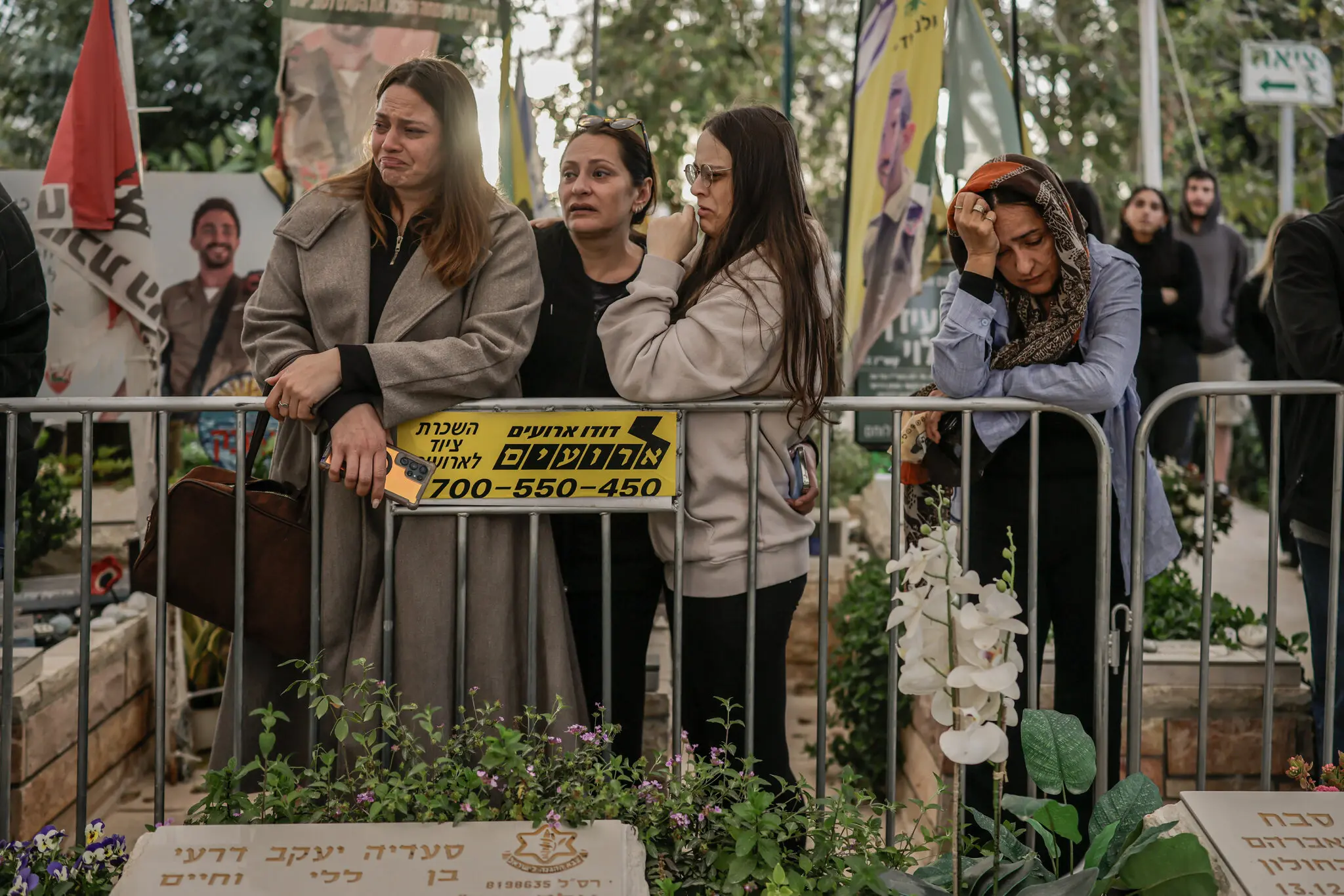 У понеділок у Холоні, Ізраїль, скорботні присутні на похороні ізраїльського солдата, загиблого на півдні Лівану — Авішаг Шаар-Яшув
Lebanon, on the same day, revealed another face of the same escalation — territorial and human. Israel continued to intensify pressure on infrastructure linked to Hezbollah, broadening its campaign around Beirut and in the south. At the same time, strikes, the deaths of peacekeepers, and losses suffered by the Lebanese army underscored how deeply the war is entering a space where the military and the civilian can no longer be neatly separated.
Those losses matter for more than humanitarian accounting. They show that Israel is being drawn ever deeper into a war of attrition on several levels at once: against Iranian-linked infrastructure, against Hezbollah in Lebanon, and against the older logic of regional deterrence that once kept the theaters of conflict at least partially distinct. Those boundaries are now visibly dissolving.
Iran, for its part, is demonstrating that it can widen the map of threat far beyond its own territory. A strike on a facility in Haifa, a missile interception over Turkish airspace, unease in Abu Dhabi after explicit warnings — all of it points to the same shift. The war is moving into spaces that until recently were treated as rear areas, neutral peripheries, or zones of relative safety.
That outward expansion of danger may be the day’s most important development. A missile over Turkey, a fire at an energy site, alarm on a university campus, rising tension around Hormuz — these are not parallel stories. They are elements of a single strategy. Its purpose is to make the cost of participation, complicity, or even proximity to the war so high that pressure is felt not only by armies, but by universities, ports, traders, insurers, and shipowners.
Against that backdrop, Iran’s refusal to enter direct talks appears calculated. As long as it retains the ability to influence maritime routes, oil logistics, and the region’s broader nervous system, Tehran has little reason to surrender its most valuable lever. For a regime losing infrastructure but still capable of imposing severe costs on its adversaries and on the outside world, that is a destructive but rational posture.
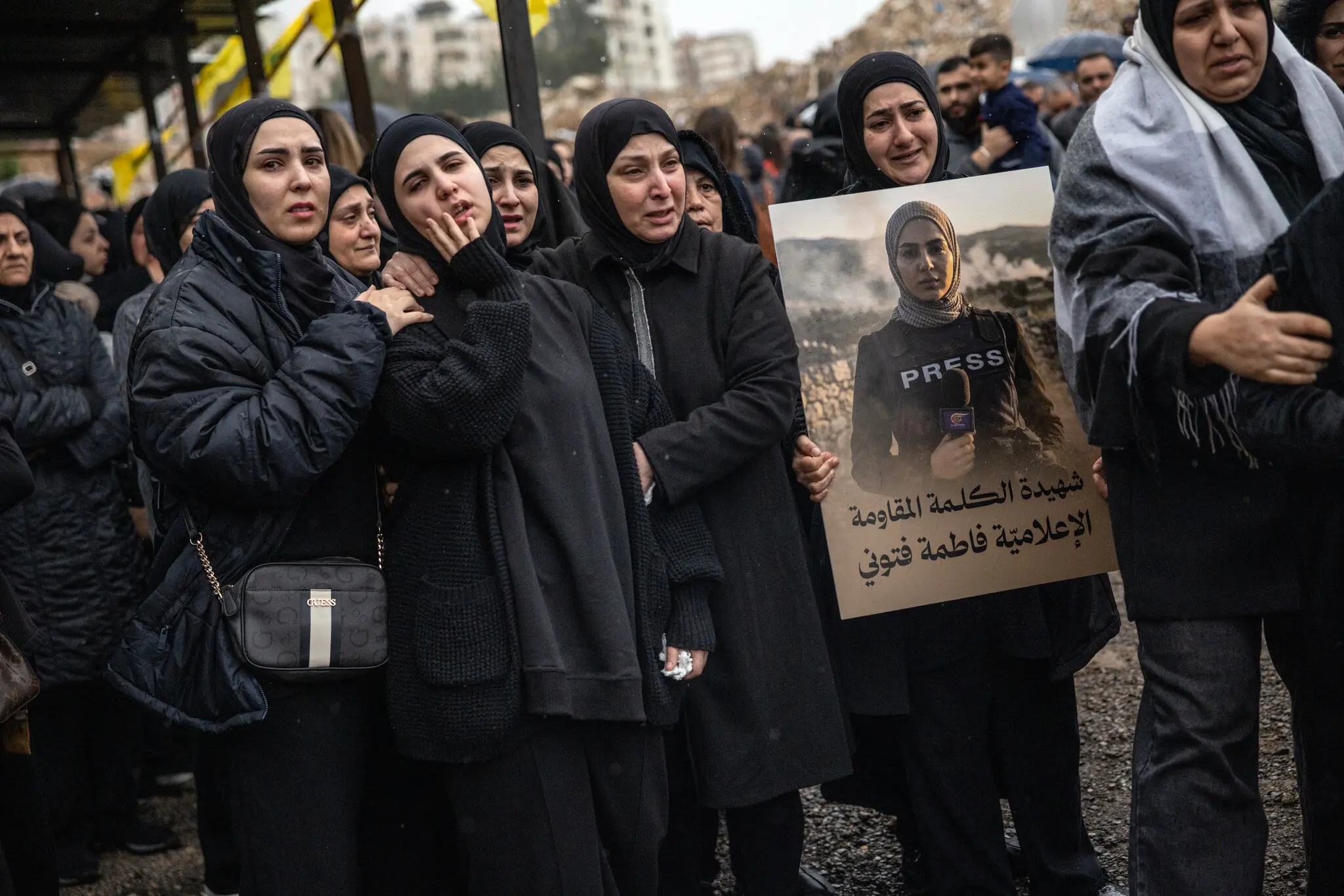 Похоронна церемонія загиблих унаслідок авіаудару Ізраїлю ліванських журналістів Алі Шойба, Фатіми Фтуні та Мохаммеда Фтуні — Девід Гуттенфельдер
For the United States, this creates a trap of its own. Threatening to wreck Iran’s energy system may indeed increase pressure on Tehran, but it also raises the incentive for an asymmetric response against the region’s most sensitive nodes: refining capacity, ports, shipping lanes, desalination systems, and allied infrastructure. In other words, Washington is pushing its opponent toward the very terrain where Iran is weaker in conventional war, yet still capable of making the conflict dramatically more expensive for everyone else.
That is why this Monday should not be read as merely another day of escalation. It marks a transition into a new phase. The war in the Middle East is looking less like a linear clash between opposing sides and more like a struggle over the region’s architecture itself: who controls the passageways, who shapes the price of oil, who makes even the appearance of normality feel unstable. In such a phase, one statement about the Strait of Hormuz can matter almost as much as one strike on the front.