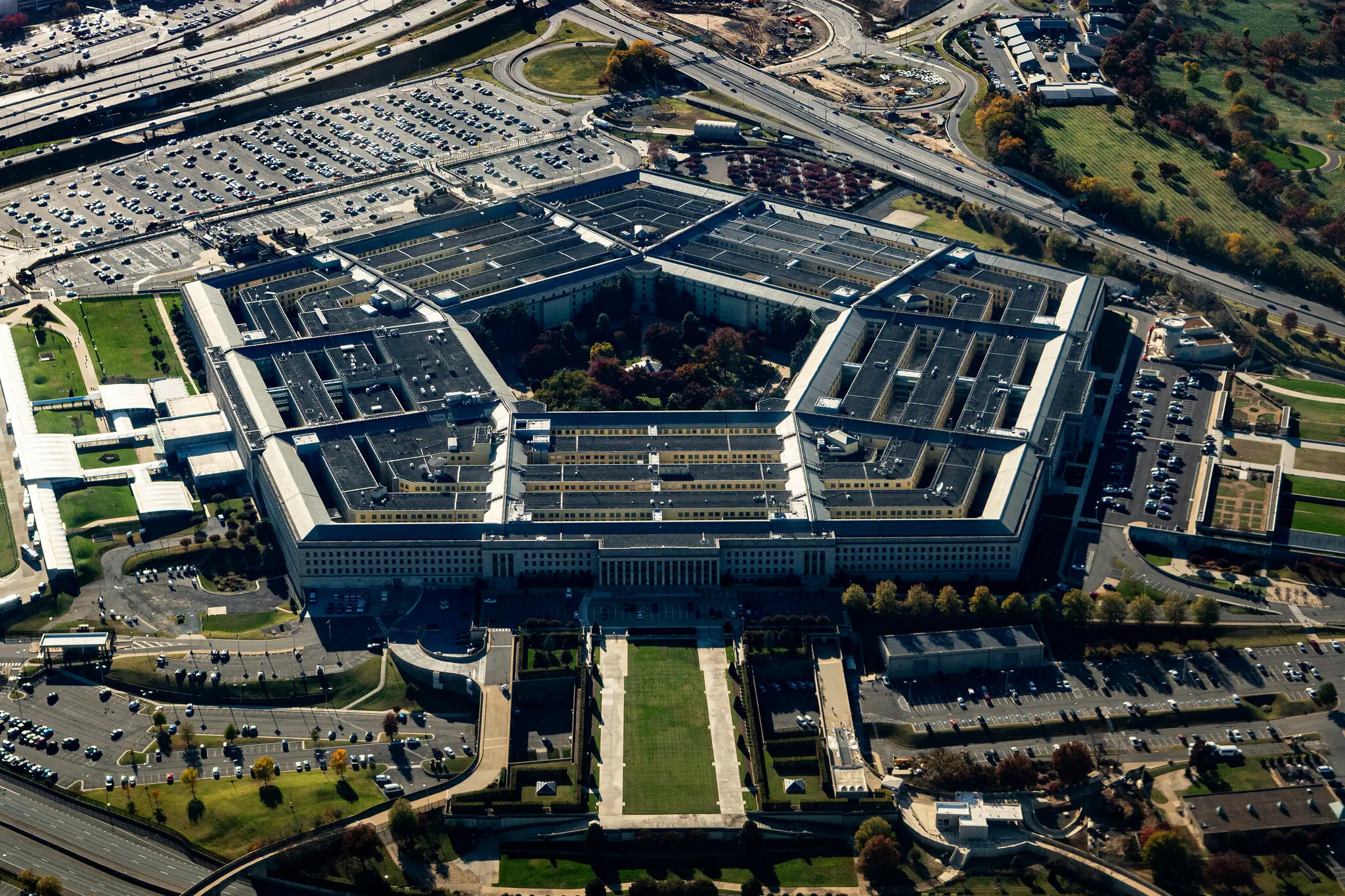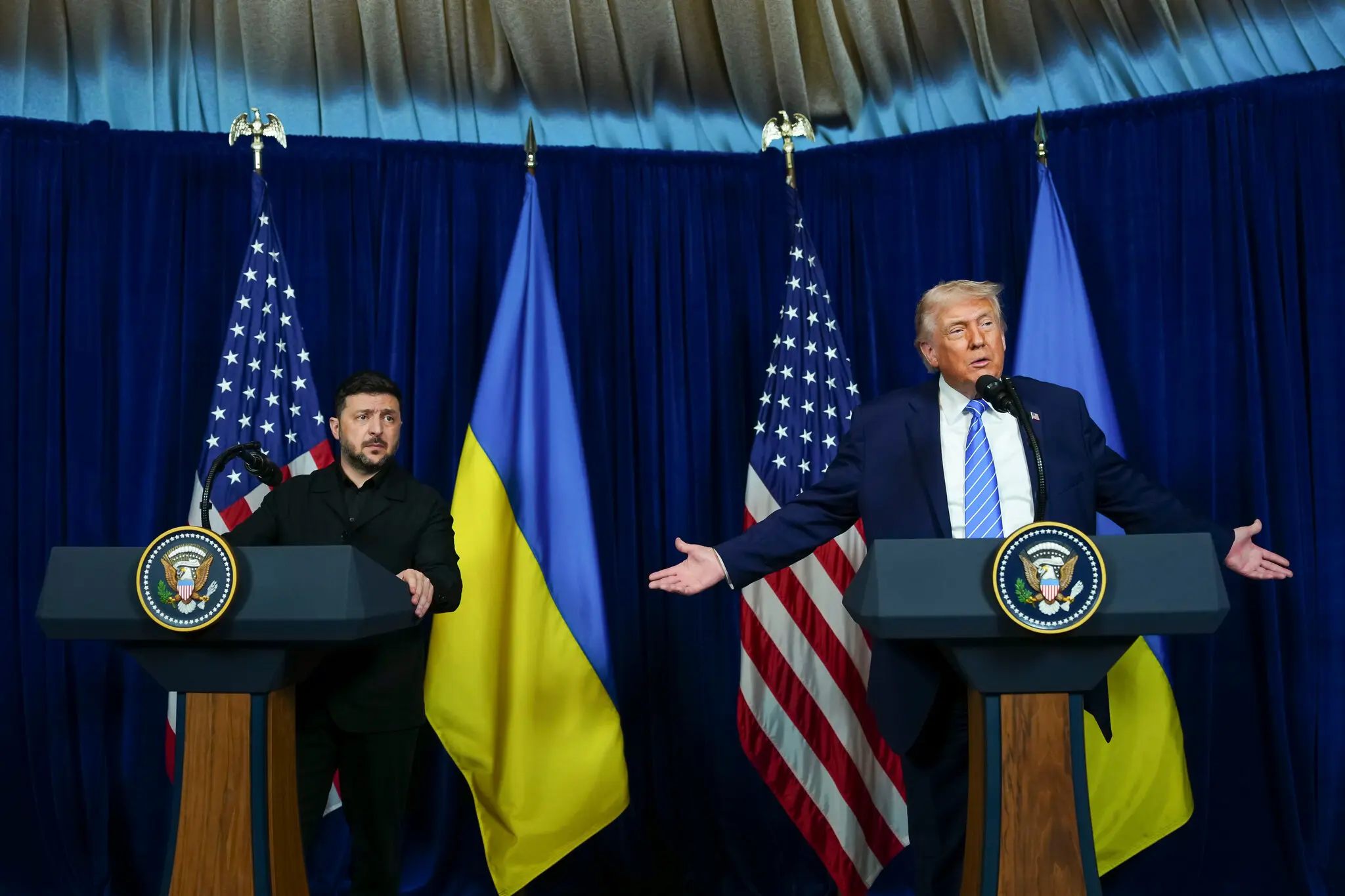





















Sergei Lavrov has put to Washington a question Moscow had previously tried not to formulate too sharply: what exactly are the United States in Russia’s war against Ukraine — a mediator, Kyiv’s ally, or a power that has lost the ability to impose its own peace formula.
The trigger was a public dispute with U.S. Secretary of State Marco Rubio over last year’s meeting in Alaska between Vladimir Putin and Donald Trump. Moscow insists that the two sides reached an understanding on the contours of a possible settlement. Washington now says otherwise: there were proposals, but there was no agreement.
That difference in wording is not a diplomatic detail. For Russia, the “spirit of Anchorage” became a convenient political construction: the Kremlin presented it as an almost agreed framework in which Ukraine would have to accept territorial and security concessions, while the West would persuade Kyiv not to resist.
According to Daycom’s assessment, Lavrov’s latest move reflects not Moscow’s confidence, but its irritation. Russia sees that American mediation is no longer working the way it expected, while Ukraine is carrying the war deeper into Russian territory through strikes on energy and industrial targets.
Lavrov laid out Moscow’s version of the Alaska meeting in more detail than before. He said Putin went point by point through the proposals brought earlier to Moscow by Trump’s envoy Steve Witkoff, checking whether he had recorded each one correctly. Lavrov claims Witkoff confirmed each point.
From that comes the Russian argument: if one side put proposals on the table and the other agreed to them, then denying that an understanding existed is supposedly “inelegant.” In that word lies the grievance of Russian diplomacy, which is used to turning half-spoken signals into political obligations for others.
Rubio, by contrast, drew the line more plainly: there was a proposal in Alaska, but no agreement. Had an agreement existed, the war would already be over. This was not merely a legal clarification. It was an attempt to take away Moscow’s right to cite an informal “spirit” of a meeting as if it were a document no one has publicly seen and Ukraine never signed.
For the Kremlin, that position is painful. Russia has spent years trying to negotiate Ukraine over Ukrainians’ heads, in a great-power format where Washington and Moscow could supposedly decide the fate of territories, guarantees and the future of European security. Rubio’s denial strikes at precisely that imperial habit.
Moscow would like the United States to be a mediator of a special kind: close enough to Kyiv to pressure it, but distant enough not to be considered a party to the conflict. That role suits Russia because it could turn American diplomacy into a tool for forcing Ukraine into concessions.
But that structure is holding less and less. The United States continues to sell weapons to Ukraine, provide technological support and remain part of the Western coalition. The Kremlin understands this, which is why Dmitry Peskov cautiously acknowledges that absolute neutrality does not exist. That alone weakens Russia’s claim to Washington as a “pure” arbiter.
At the same time, Moscow is still not ready to abandon the American channel. The Kremlin repeats that it values Trump’s mediation efforts and hopes they will resume. It is a double signal: Russia criticizes the United States for supporting Ukraine, but still wants Washington to return to the negotiating framework.
The reason is obvious. For Moscow, direct dialogue with Kyiv as an equal is politically unacceptable. Such a format would recognize Ukraine’s agency, while Russia’s entire war is built on denying that agency. The Kremlin needs a major mediator who could package Ukrainian concessions as part of a broader “architecture of peace.”
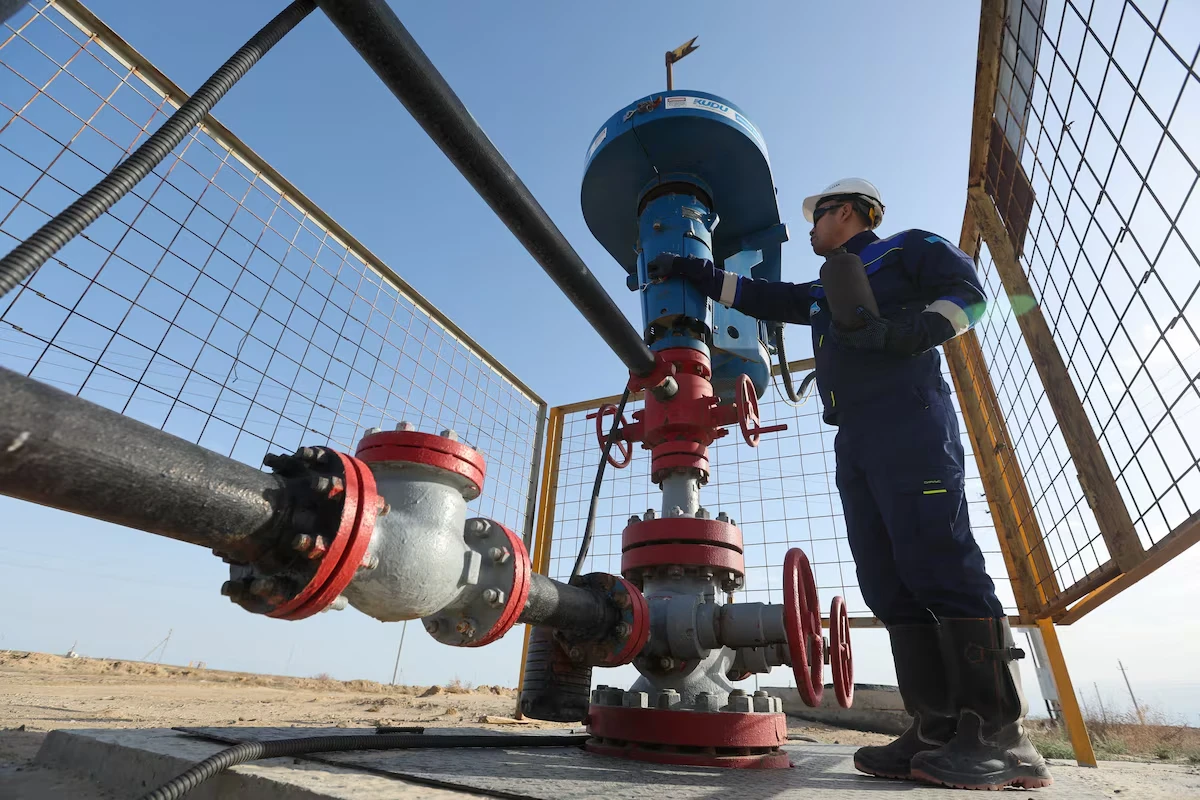
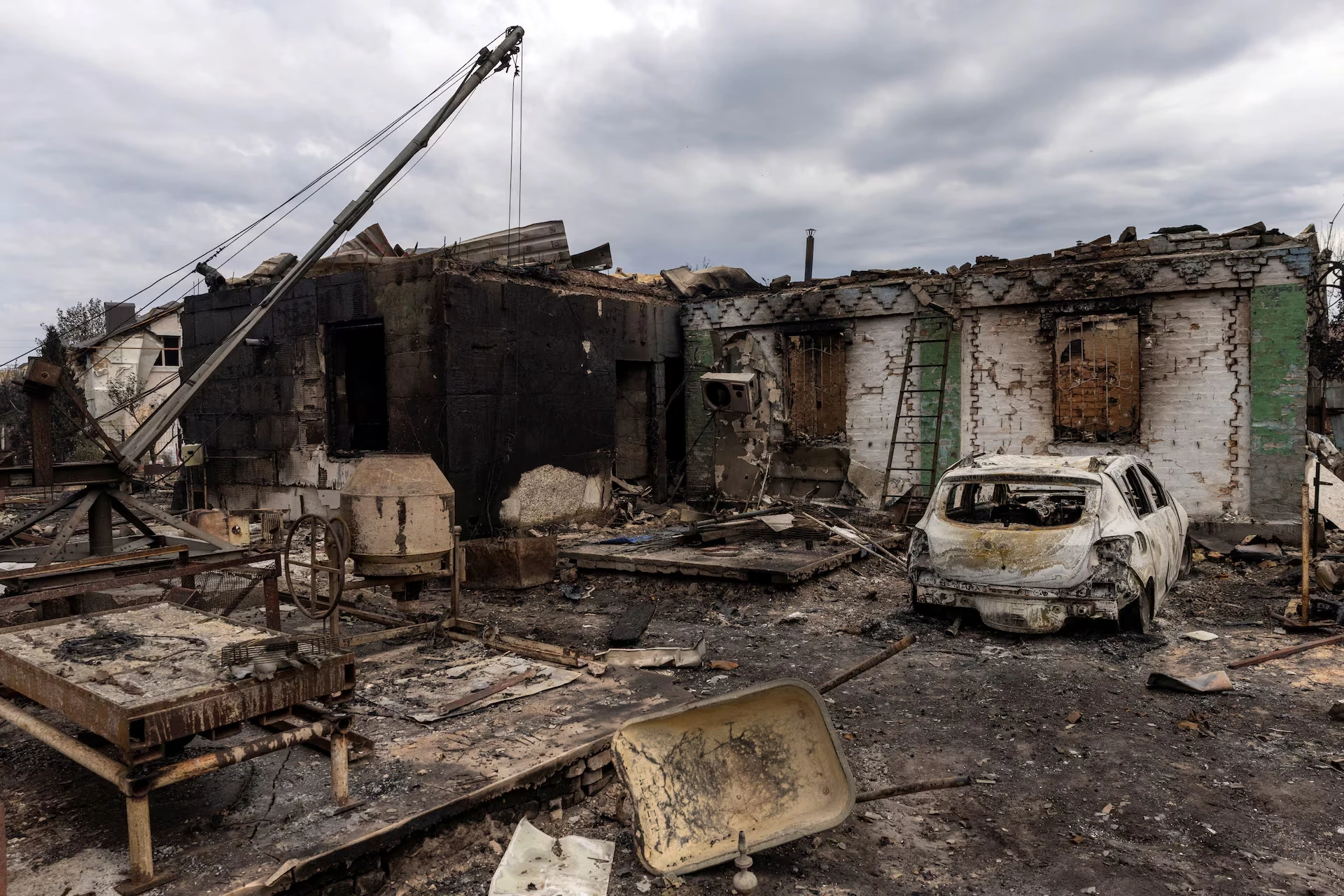
Russia’s problem is that Ukraine has changed its own negotiating position in recent months not with words, but with action. Strikes on Russian refineries, industrial plants, energy nodes and deep rear facilities have shown that Kyiv is not only defending itself, but can also raise the price of war for Russia.
That is exactly what Zelensky is telling Western partners: Ukraine is gradually changing the dynamics of the war by making Russia’s rear less safe. Moscow denies this conclusion and says it will win on the battlefield if diplomacy fails. But the nervousness of Russian statements suggests that the Kremlin’s self-confidence is no longer flawless.
Russian forces control around a fifth of Ukraine. That remains a large and dangerous fact. But after more than four years of full-scale war, the Kremlin has failed to achieve its central objectives: it has not broken Ukrainian statehood, has not forced the West into final exhaustion and has not converted its territorial seizures into internationally recognized reality.
That is why Moscow’s diplomatic language is becoming sharper. Lavrov speaks of the need to “clarify” the U.S. role, but behind that stands a broader demand: America must either return to a model of mediation convenient for Russia, or openly admit that it supports Ukrainian resistance.
For Washington, this is also a difficult dilemma. Trump wants to remain a politician capable of “ending the war,” but any attempt at a quick deal inevitably runs into the Ukrainian question: can peace be made without the consent of the country paying for it with territory, security and its future.
Rubio has effectively narrowed the space for Russian manipulation. If there was no agreement in Alaska, then there is no hidden American obligation to extract specific concessions from Kyiv. There are proposals, there is a negotiating process, there are the positions of the parties — but there is no document Moscow can pull out as a diplomatic trump card.
That is what irritates Lavrov. Russian diplomacy often works not only with texts, but with the fog around them. Informal “understandings,” the “spirit” of a meeting and the “contours” of arrangements allow the Kremlin to create the impression that the West has already almost accepted Russia’s logic, and that the only problem is Ukraine’s “intransigence.”
Now that fog is thinning. If the United States publicly denies the existence of an agreement, it becomes harder for Russia to pressure Kyiv by invoking Anchorage. Moscow must either reveal the concrete substance of the proposals or return to a general threat: if diplomacy fails, it will keep fighting.
But that threat no longer works in one direction only. Continued war now means not only further Russian attacks on Ukraine, but also further strikes on Russia’s energy sector, fuel system, logistics and industrial rear. The Kremlin wanted negotiations from a position of gradually exhausting Ukraine. Instead, it is increasingly facing a war of attrition against its own infrastructure.
In that context, the Lavrov-Rubio dispute is not merely an episode of diplomatic irritation. It shows that Moscow is trying to preserve an old model of negotiations at a moment when the war itself has already changed the balance. Ukraine has become more active, Europe more rigid, and the American position less useful for Russian interpretation.
The central question now is not who remembers the Alaska meeting more accurately. It is whether any mediation can move beyond the logic of great powers “solving the Ukrainian question” and toward a just peace in which Ukraine is not the object of a deal, but a participant in it.
The Kremlin demands clarity from the United States, but in reality it fears a different clarity: that no “spirit of Anchorage” can replace Ukraine’s consent, and no half-hidden understanding can legalize Russian aggression. If Washington truly wants to be a mediator, its role cannot be to pressure the victim into capitulation.
That is why the current dispute is a symptom of a broader shift. Russia still speaks the language of inevitable victory and great-power diplomacy, but increasingly asks for explanations, guarantees and a return to a convenient framework. This is no longer the language of absolute confidence. It is the language of a state sensing that the war it wanted to end on its own terms is becoming less and less controllable.