






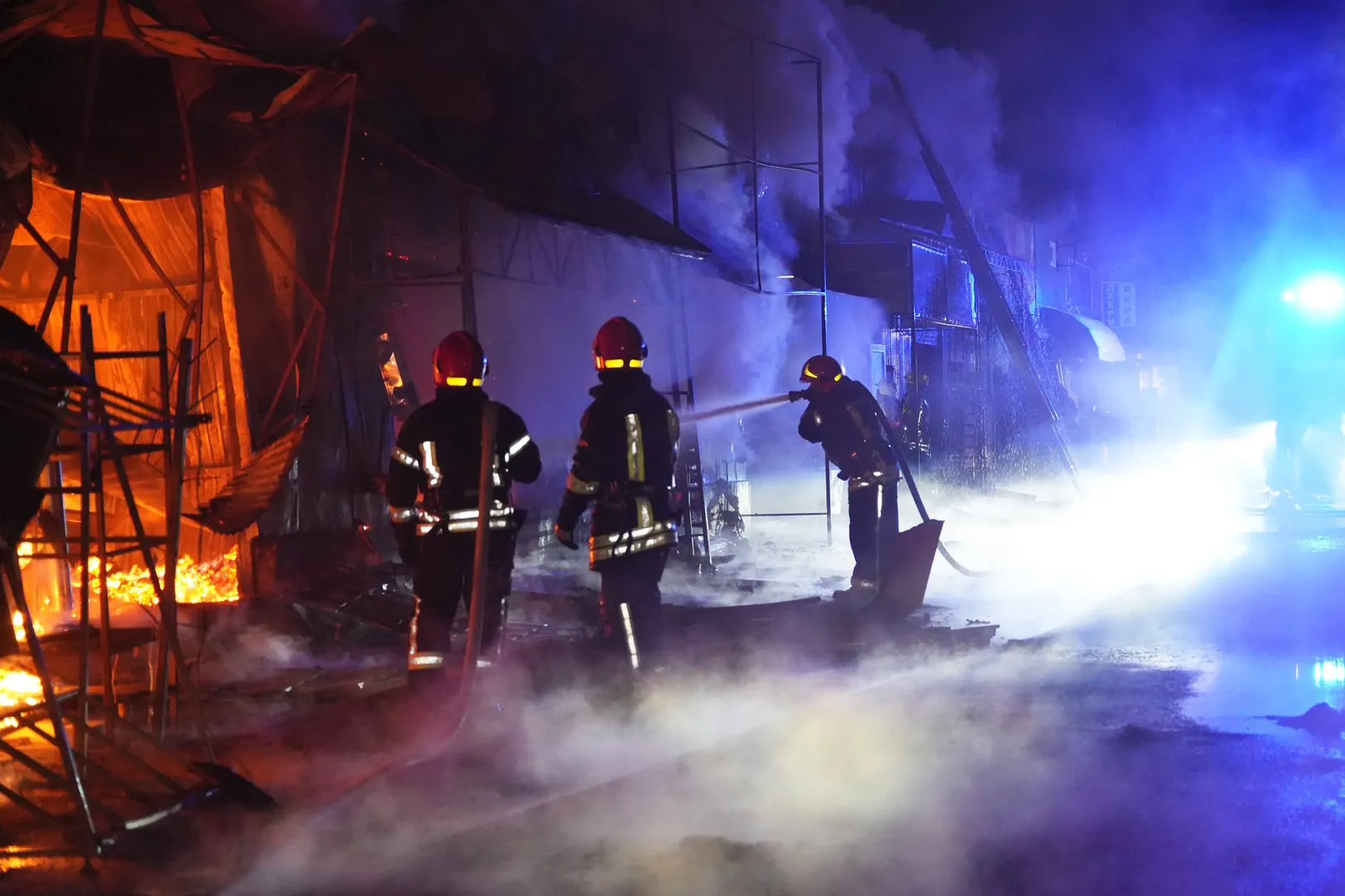














The overnight attack on Zaporizhzhia showed how Russia’s air campaign is evolving. Seven employees of a metallurgical plant were killed and 21 others were wounded in a ballistic missile strike. In the Dnipropetrovsk region, drones and artillery killed three more civilians, including a 15-year-old boy.
Russian forces also struck Kyiv. One attack hit the grounds of a children’s hospital, leaving two craters and shattering windows. Children and medical staff were inside shelters, preventing casualties. Elsewhere in the capital, a strike ignited a warehouse fire covering roughly 1,200 square meters.
But the events of August 11 matter for more than the scale of the destruction. President Volodymyr Zelenskyy said Russia had again used North Korean missiles and that Pyongyang was preparing another military contingent for deployment to Russia. Moscow, meanwhile, is expanding its own production of ballistic weapons.
As Daycom has previously assessed, these developments form a single strategic picture. Russia is trying to increase the volume of its long-range strikes, replenish manpower and exploit what remains one of Ukraine’s most vulnerable defenses: the limited stock of interceptors capable of defeating ballistic missiles.
Ballistic weapons are becoming an increasingly important instrument of pressure. Russian attacks are designed to force Ukraine to spend scarce air-defense ammunition on large waves of relatively inexpensive drones while preserving more sophisticated missiles for targets where interception is harder.
The problem is partly dictated by physics. Cruise missiles and most long-range drones can be engaged by a wider variety of air-defense systems. Fast ballistic targets leave far fewer options, and each specialized interceptor capable of destroying them is expensive, technically demanding and available only in limited numbers.
Russia’s strategy is therefore increasingly a contest of inventories. Moscow can combine hundreds of cheaper drones with smaller numbers of advanced missiles, forcing Ukraine to expend interceptors, overload radar networks and make difficult decisions about which cities, power facilities and industrial sites receive priority protection.
In that model, North Korea matters far beyond individual shipments of ammunition or missiles. Since Moscow and Pyongyang signed a strategic partnership agreement in 2024, their relationship has evolved into a military supply system involving weapons, munitions and personnel that help compensate for Russia’s growing wartime requirements.
That changes the nature of the conflict. The war is no longer determined only by the industrial and demographic resources of Russia and Ukraine. Moscow is increasingly drawing on an authoritarian ally with large artillery stockpiles, an active missile program and an army capable of supplying additional manpower.
For Pyongyang, the relationship is not simply a one-way transfer of support. Participation in the war offers something military exercises cannot easily provide: real data on how missiles perform against modern air defenses, how drones and artillery operate in a high-intensity conflict and how troops adapt under battlefield pressure.
That experience could eventually return to East Asia in the form of improved technology, tactics and trained personnel. The war in Ukraine is therefore becoming a testing ground not only for Russian weapons but for a regime whose missile and nuclear programs remain a major security concern for South Korea, Japan and the United States.
Growing North Korean involvement coincides with another development: Russia’s effort to expand the manpower available for the war. Kyiv expects Moscow to pursue additional mobilization measures and to deepen its use of North Korean troops in Russian military operations.
If those trends advance together, Russia could intensify pressure along the front without reducing the pace of attacks on Ukraine’s rear. The battle line extends for roughly 1,250 kilometers, and maintaining offensive operations across that distance requires a constant flow of troops, ammunition and equipment.
The air campaign serves the same objective of exhaustion. In Zaporizhzhia, the strike damaged equipment at a major metallurgical plant, including a blast furnace, forcing production to stop. Such attacks create a double effect: people are killed while economically important industrial capacity is removed from operation.
Moscow says its strikes target military-industrial and transport infrastructure. But the modern battlefield increasingly erases the boundary between the front and civilian life. When missiles hit major factories or the grounds of hospitals, economic pressure and civilian risk become inseparable consequences of the same campaign.
Ukraine’s response follows a parallel, though not identical, logic: forcing Russia to absorb a greater share of the war’s cost on its own territory. During the same night, Russia reported nearly 400 Ukrainian drones over 14 regions and occupied Crimea.
Ukraine is also continuing strikes against Russian oil refining and logistics infrastructure. One target was a refinery in Orsk, in Russia’s Orenburg region, roughly 1,500 kilometers from Ukraine. The facility produces gasoline, diesel fuel and aviation fuel.
The purpose of such attacks extends beyond destroying a particular storage tank or processing unit. Refineries sustain transport, aviation, military logistics and the civilian economy. Repeated long-range strikes force Russia to disperse air defenses, spend resources on repairs and protect an ever-larger area.
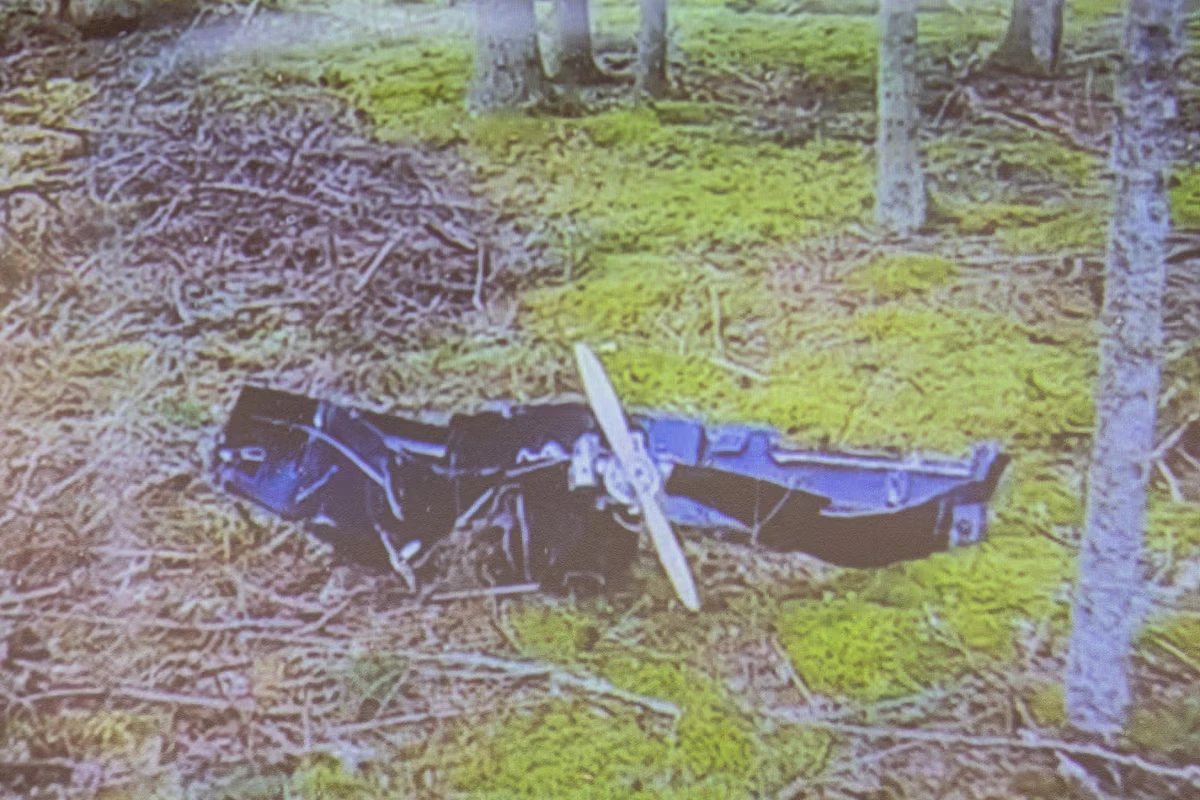
The geography of risk is expanding as well. Romanian forces destroyed two Gerbera-type drones drifting in the Black Sea about 166 kilometers from Constanța. Even outside Ukrainian territory, lost drones and debris are increasingly becoming security concerns for neighboring NATO states.
Ballistic strikes over Zaporizhzhia, attacks on Kyiv, North Korean missiles, preparations for additional troop deployments and Ukrainian strikes on Russian refineries are not separate stories. Together, they describe a war entering a deeper phase of mutual exhaustion.
Russia’s calculation is to field more missiles, drones, ammunition and personnel than Ukraine and its partners can neutralize. The most dangerous imbalance emerges if Russian ballistic missile production and North Korean deliveries rise faster than Ukraine’s stocks of interceptors can be replenished.
That is why the battle over Patriot systems now means far more than the defense of individual cities. The supply of anti-ballistic interceptors directly affects Ukraine’s ability to preserve its energy grid, industrial base, transportation hubs and major urban centers through the next stage of Russia’s air campaign.
In that sense, the 10 people killed on August 11 were not only the victims of another night of strikes. Their deaths were also a warning about how Moscow appears to envision the next phase of the war: more ballistic missiles, deeper reliance on outside resources, greater pressure on Ukrainian air defenses and less separation between the battlefield and everyday civilian life.
The North Korean factor only reinforces that trajectory. Russia is trying to prove that it can sustain the war longer than Western governments are prepared to sustain Ukraine. Whether that calculation succeeds will depend less on diplomatic rhetoric than on who can secure the missiles, interceptors, manpower and industrial resilience required for the next stage of the conflict.