
















Vladimir Putin’s acknowledgment that Russian regions still face queues at petrol stations and fuel supply problems marked a rare moment when the Kremlin was forced to name a domestic vulnerability openly. The fuel crisis has moved beyond local complaints and become a matter of state management.
At a meeting on fuel supply and distribution, the Russian president was no longer speaking only about prices or logistics. The issue was whether the country can simultaneously support the front, civilian transport, business and agriculture while its refining and energy infrastructure come under attack.
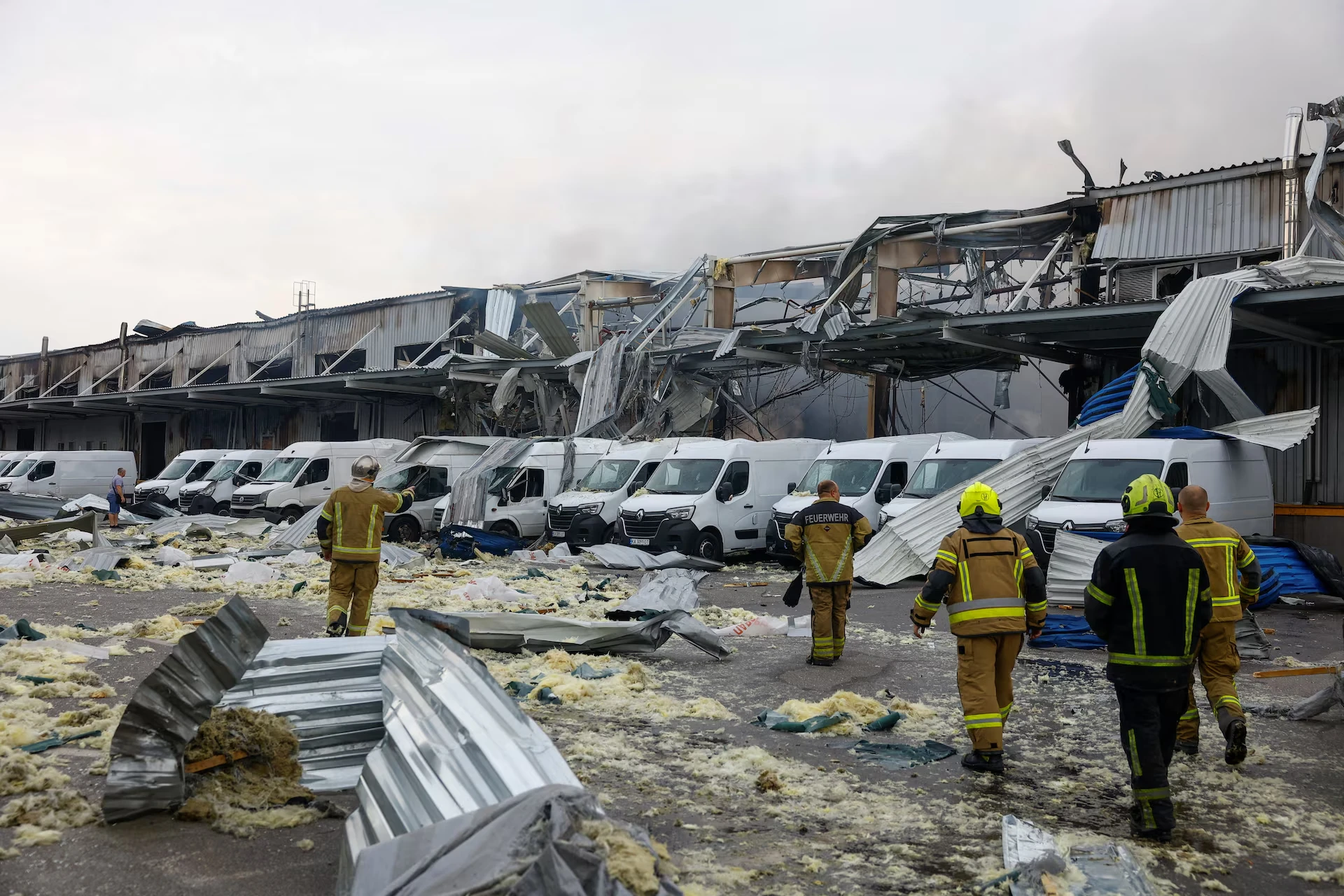
For Moscow, this is an uncomfortable shift in scale. Until recently, the consequences of Ukrainian strikes were presented as isolated incidents, quickly handled by firefighters and repair crews. Now the authorities are talking about a task force, reserves, export restrictions and seasonal fuel schedules for farmers.
According to Daycom’s earlier analysis, the fuel circuit is becoming one of the most sensitive points in Russia’s war economy. Ukraine cannot instantly stop an oil power, but it can force it to spend more and more resources simply to preserve the appearance of normality.
Putin admitted that problems for drivers and businesses persist, and that queues at petrol stations are still appearing. He also stressed the need to minimize the consequences of Ukrainian strikes on facilities Russia describes as civilian infrastructure.
The Kremlin is trying to show that the situation remains under control. Gasoline reserves are being used and are estimated at about 1.7 million metric tons. The authorities expect July fuel production to exceed June levels, but the very need to explain these figures already signals pressure inside the system.
Another important signal is the discussion of a full ban on diesel exports. For Russia, accustomed to turning energy resources into hard currency and political influence, such a measure would mean prioritizing domestic stability over the usual logic of external sales.
The agricultural sector is the most sensitive area named by the Kremlin. The summer season leaves little room for delay: harvesting, grain transport, machinery work and farm supply all depend on diesel. Once fuel begins to be distributed manually, the market is no longer functioning as an ordinary market.
This is where military logic turns into economic logic. A fuel shortage does not necessarily stop tanks tomorrow. But it raises the cost of every delivery, every trip, every repair and every kilometer. For a large army, that means a slow but systemic complication of war.
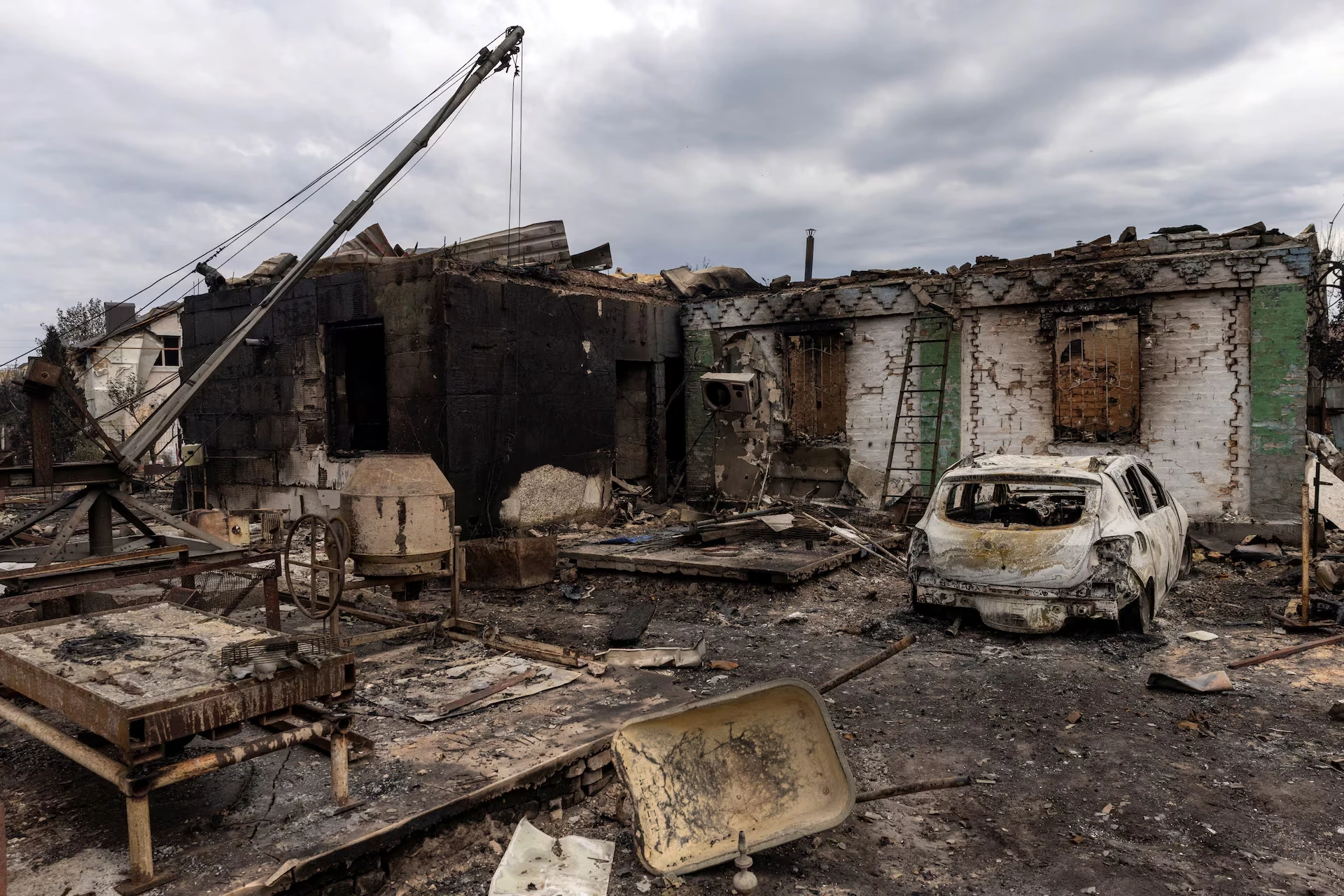
Ukrainian strikes on refineries, fuel depots, terminals and pipeline infrastructure create more than physical damage. They force Russia to stretch air defenses, reroute supplies, move reserves closer to consumers and repair facilities under the expectation that they may be hit again.
Fuel difficulties are no longer limited to one region. Restrictions on gasoline and diesel sales have appeared in different parts of Russia, while complaints about shortages have spread far beyond border areas.
Occupied Crimea remains especially revealing. The peninsula depends on limited supply routes, and strikes on southern Russian logistics make that dependence increasingly costly. For the military machine, this is not only a fuel problem, but a problem of tempo.
In Russia’s official language, the crisis is described cautiously: shortages, non-critical disruptions, systemic measures, sufficient volumes. But the meaning is simple. A state that exports energy resources is now being forced to explain to its own citizens why fuel is not always available where it is needed.
Ukraine’s strategy works through accumulation. One strike on a refinery does not change the course of the war. Dozens of strikes on different elements of the fuel chain change the conditions under which Russia fights: more expensively, more slowly and with greater administrative strain.
For Kyiv, this is a way to offset the imbalance at the front. Where Russia has advantages in manpower, artillery and glide bombs, Ukraine is looking for a weak point in the rear — in the system that turns oil, refining and transport into military capability.
For Putin, acknowledging shortages is politically dangerous not because fuel has disappeared everywhere. The danger lies elsewhere: the war the Kremlin has tried for years to keep away from Russian daily life is returning in the form of queues, limits and more expensive logistics.
The fuel crisis is not yet a collapse of the Russian economy. But it is already a symptom of a war of attrition in which a strike on a plant hundreds of kilometers from the front can affect harvests, prices, transport and army supply.
That is why the creation of a task force is not a technical detail. It is an attempt by the state to hold the fuel system in manual mode, at a moment when automatic market mechanisms no longer guarantee stability.
Russia still has a vast oil base, reserves and administrative power. But its strength is increasingly being used not to advance, but to compensate for vulnerabilities. Ukrainian drones have not destroyed Russia’s fuel rear, but they have already forced it to live in a defensive mode.