
















Kyiv did not wake to sirens alone. It woke to explosions rolling across the city for hours. Russia again struck the capital with waves of drones and missiles, some of which broke through overstretched air defenses. After several days of talk about a possible end to the war, Moscow returned to its most familiar language: night terror.
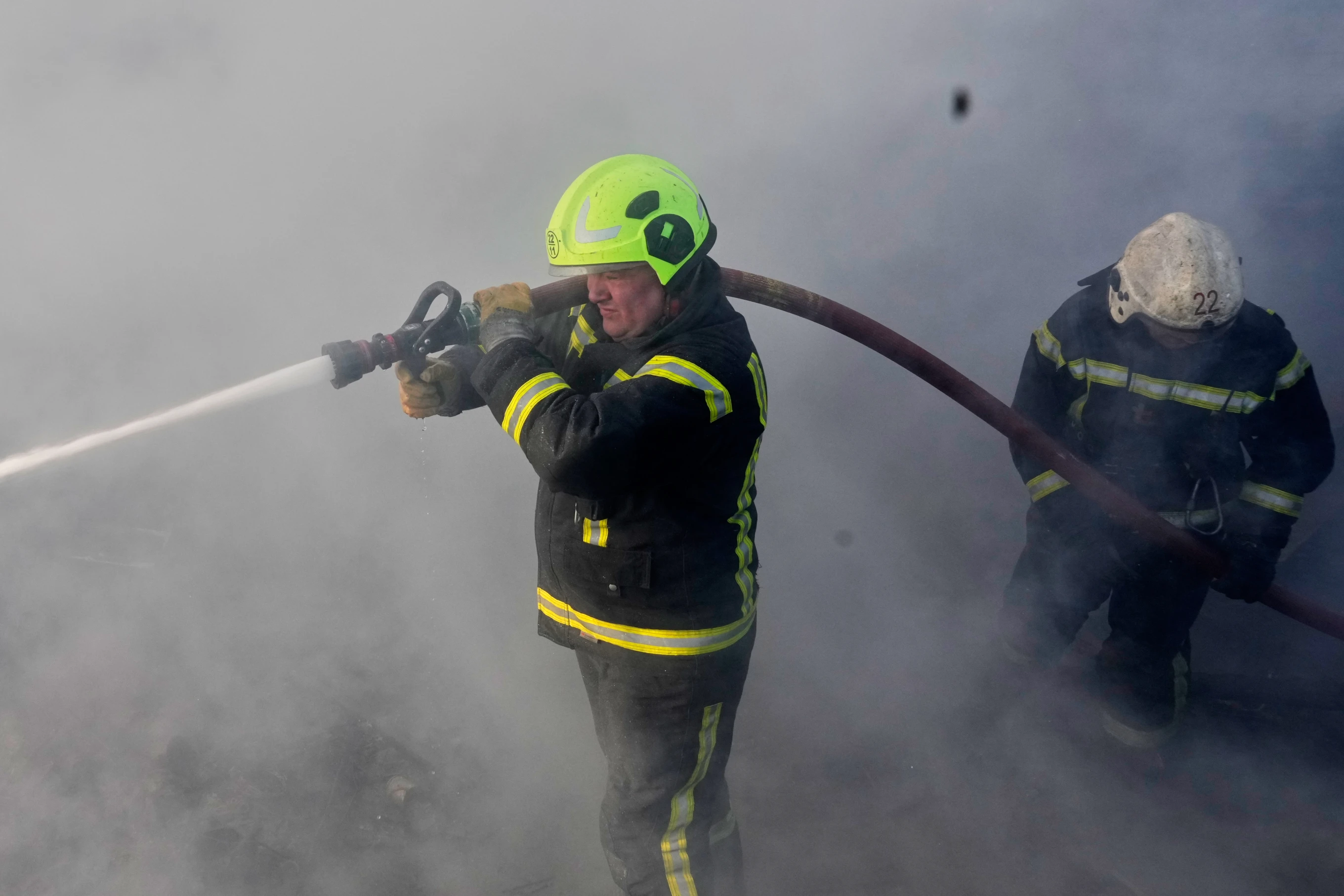
The attack was one of the deadliest in recent days. At least five people were killed in Kyiv, including a 12-year-old girl. Dozens were wounded. Rescue workers searched through the ruins of a residential building where 18 apartments had been destroyed. In such numbers, the war becomes concrete again: broken floors, children’s rooms, dust, shattered walls and silence after impact.
The bombardment followed a series of Russian strikes that resumed after a three-day truce expired. That pause briefly muted long-range attacks, but it did not stop fighting along the front. Once it ended, missiles and drones returned to Ukrainian skies.
For Daycom, the night was a clear marker of what the Kremlin’s recent language really means. Vladimir Putin had said that the war was supposedly “coming to a close.” But he also spoke of Russia’s need to achieve the “final defeat of the enemy.” It is the second part of that formula that explains what happened over Kyiv.
Russia’s logic has not changed. Moscow is not signaling de-escalation. It is trying to show that it can inflict pain precisely when the world is waiting for signs of peace. The Kremlin wants any negotiation to begin not from balance, but from Ukrainian fatigue, damaged infrastructure and fear inside civilian cities.
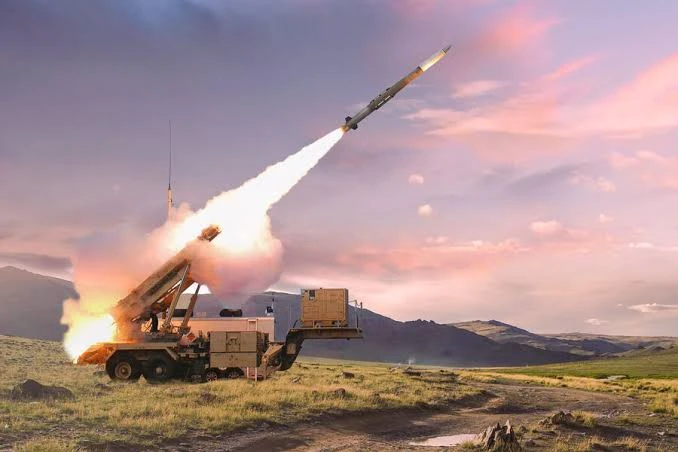
This strike included cruise and ballistic missiles, the kind Russia often stores for mass bombardments. Combined with large drone waves, they create a difficult problem for air defenses: cheaper drones exhaust the system, missiles seek the moment of breakthrough, and the city lives between interceptions and falling debris.
Ukrainian forces shot down targets, but the scale of the attack exposed the limits of even well-organized defense. An air shield can be effective without being absolute when the attacker relies on volume, repetition and different types of weapons. In a war of attrition, the result is measured not only by what is intercepted, but also by what still gets through.
Kyiv is more than a military and political center in such attacks. It is a symbol of state resilience. A strike on the capital always has a double purpose: to destroy physically and to suggest psychologically that even the country’s main city cannot feel secure. That is why Russia keeps returning to this target.
The three-day truce only sharpened the contrast. It coincided with Russia’s May commemorations and created the impression of a controlled pause. Ukraine did not attack the parade in Moscow. But once the pause ended, the Kremlin quickly resumed strikes, showing that the silence had not been a step toward peace, but a temporary tactical interval.
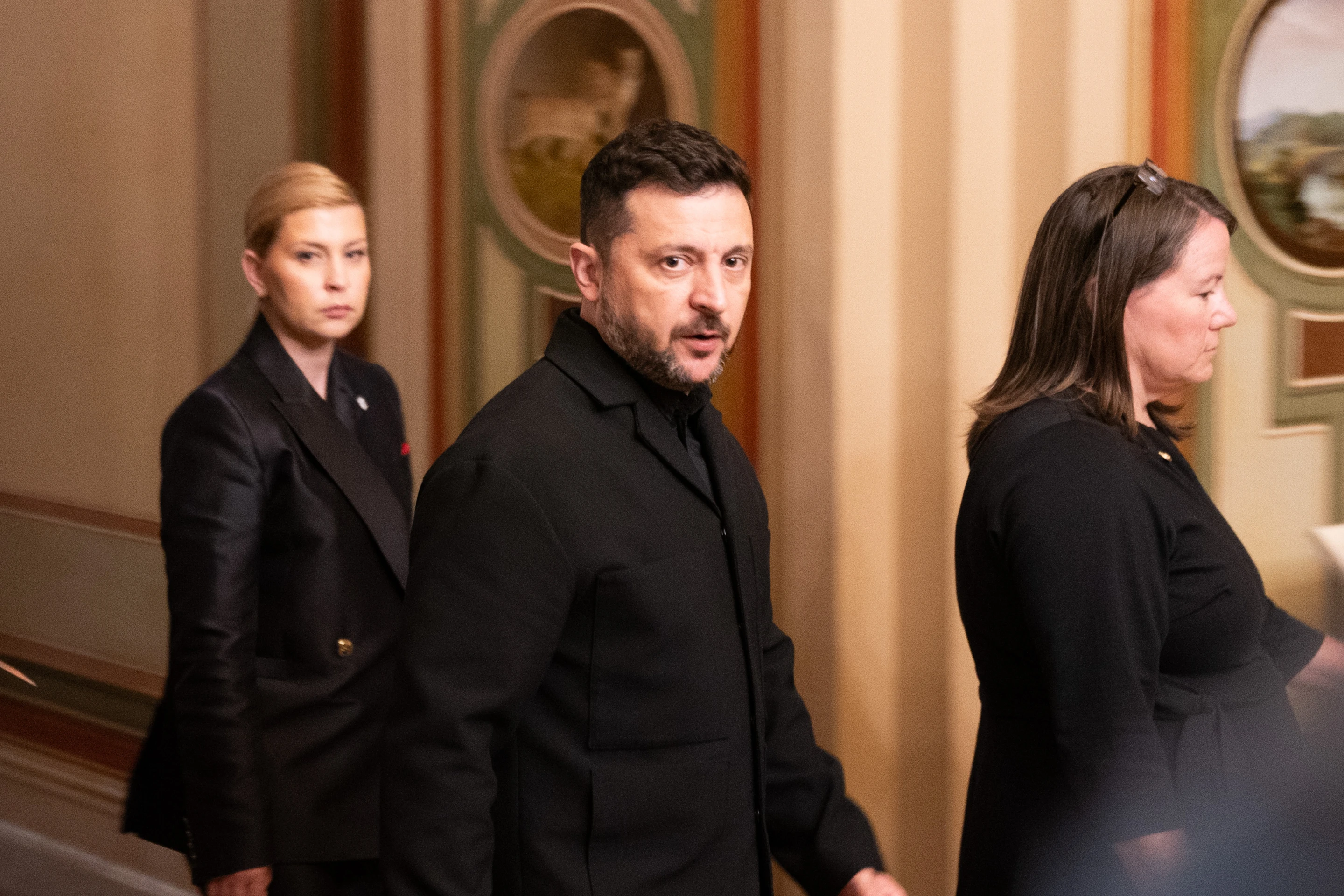
That is why Volodymyr Zelensky’s remark that these are “definitely not the actions of those who believe the war is coming to an end” was not just an emotional reaction. It was a political diagnosis. Russia speaks of an ending while acting like a power determined to preserve its right to coerce for as long as possible.
The international timing matters. The attack on Kyiv came as Donald Trump was in Beijing meeting Xi Jinping. Ukrainian diplomacy immediately placed the strike in a wider frame: if the United States and China truly have leverage over Moscow, attacks like this should show whether they are prepared to use it.
For Washington, this is a test of its peace initiative. For Beijing, it is a test of its claim to be a major stabilizing power. China maintains ties with Russia; the United States has economic and political tools of pressure. But none of these levers matters if every wave of strikes is followed only by restrained statements.
Russia understands that weakness well. It is fighting not only Ukraine, but also the rhythm of international attention. Every mass attack tests how quickly the world will adjust to a new threshold of brutality. If the response is weak, the next threshold moves further.
In this strategy, civilian cities become instruments of pressure. A destroyed entrance, a dead child, wounded residents, a sleepless night, crowded hospitals and exhausted rescue teams are meant to accumulate as arguments for concession. Moscow is trying to turn human pain into negotiating capital.
That is why the response from Ukraine’s partners cannot stop at sympathy. Ukraine needs air defense systems, interceptor missiles, counter-drone capabilities, stable defense financing, sanctions against Russian weapons supply chains and political clarity: peace does not arrive simply because the aggressor says the word “end.”
Russia’s strike on Kyiv after the brief truce showed the central truth. The Kremlin wants to reserve the right to speak about ending the war while continuing it through mass terror. This is not a contradiction. It is the essence of Moscow’s negotiating position. Russia wants peace only when it resembles Ukraine’s surrender.
The attack must therefore be read not as a single episode, but as a warning. Putin may speak about the war’s approaching end, but Russian missiles speak more precisely. They show that the war will not end by itself. It can be stopped only by pressure strong enough to make continuation more costly for Moscow than retreat.