



















Russia launched the largest aerial attack on Ukraine since the beginning of the full-scale war, turning two days into a continuous test of Ukraine’s air defenses. Kyiv was the main target, but the strike reached several regions at once.
Since Wednesday, Russian forces have fired more than 1,560 drones. Overnight into Thursday, Ukraine faced another wave: more than 670 attack drones and 56 missiles. Air defenses destroyed 652 drones and 41 missiles, but even that level of interception could not fully protect the cities.
This was Moscow’s answer not in words, but in metal and explosions. Only days earlier, Vladimir Putin had suggested that the war was nearing its end. The overnight assault showed the opposite: Russia is not winding down its campaign, but demonstrating its ability to increase pressure.
For Daycom, the attack carries a clear political signal. Its meaning cannot be reduced to military statistics. Moscow is striking Ukrainian cities precisely as diplomacy around the war becomes more active again and Washington tries to draw China into a broader conversation about influence over the Kremlin.
 Вибух освітлює небо над містом під час ракетного та безпілотного удару Росії в рамках російської агресії проти України, Київ, Україна, 14 травня 2026 року — Гліб Гаранич
Kyiv suffered the heaviest consequences. Damage was recorded at around 20 locations in the capital and in the surrounding region. At least three people were killed in the city, and about 40 were injured, including children. More people may still have been trapped under the rubble.
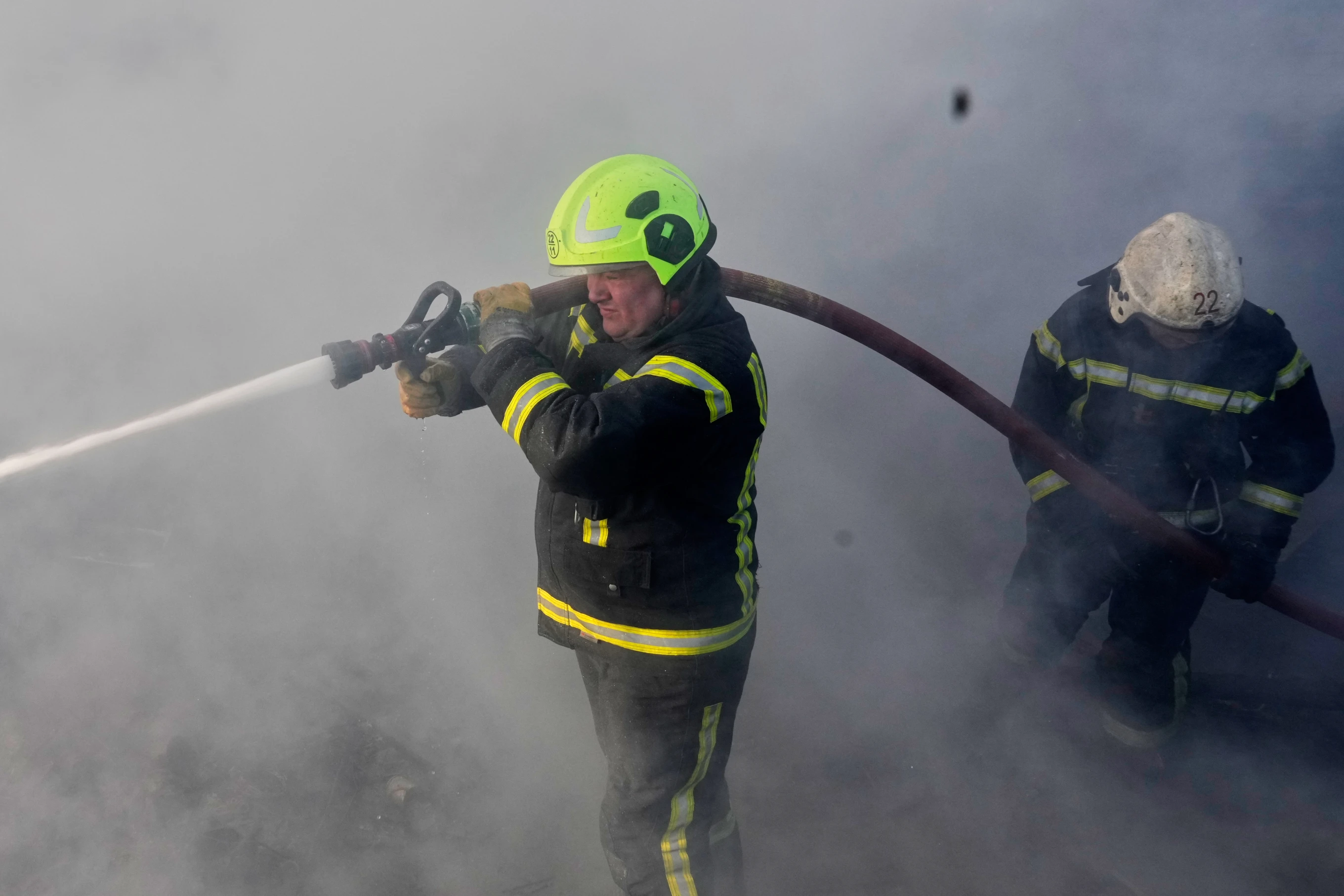
At one strike site, rescue workers cut through concrete slabs of a nine-story apartment building whose entire section had been destroyed. Such scenes have become a grim routine of Ukraine’s war: machinery, dust, shattered homes and people searching not for possessions, but for loved ones.
The testimony of residents conveys the reality more sharply than any official summary. People heard a drone approaching, then a violent impact after which a nearby building “jumped” and shook. In such details, the war is not abstract. It is the direct destruction of civilian life.
The attack did not hit housing alone. Kyiv faced disruptions to water supplies, forcing authorities to use generators to restore systems. Damage to energy infrastructure caused power outages in 11 regions across the country. Russia was again striking the nerves of urban resilience.
 Мешканці спостерігають за роботою рятувальників на місці житлового будинку, пошкодженого під час російських ракетних і безпілотних ударів у рамках російського вторгнення в Україну, у Києві, Україна, 14 травня 2026 року — Валентин Огіренко
Energy facilities in Kremenchuk, port infrastructure in the Odesa region and railway sites were also targeted. The map of strikes shows the durable logic of Moscow’s campaign: not only to destroy individual buildings, but to damage the connections through which the country lives, works, fights and recovers.
The scale of the attack has a military purpose. Russia is trying to overload Ukrainian air defenses, mix drones with missiles, force the use of expensive interceptors against cheaper targets and probe for weak points in city protection. This is a war of exhaustion transferred into the night sky.
But there is also a political calculation. The Kremlin is trying to prove that it can dictate the tempo regardless of peace initiatives, Western statements or negotiations among major powers. Each such attack is meant to create the impression that time works for Moscow and fatigue works against Ukraine.
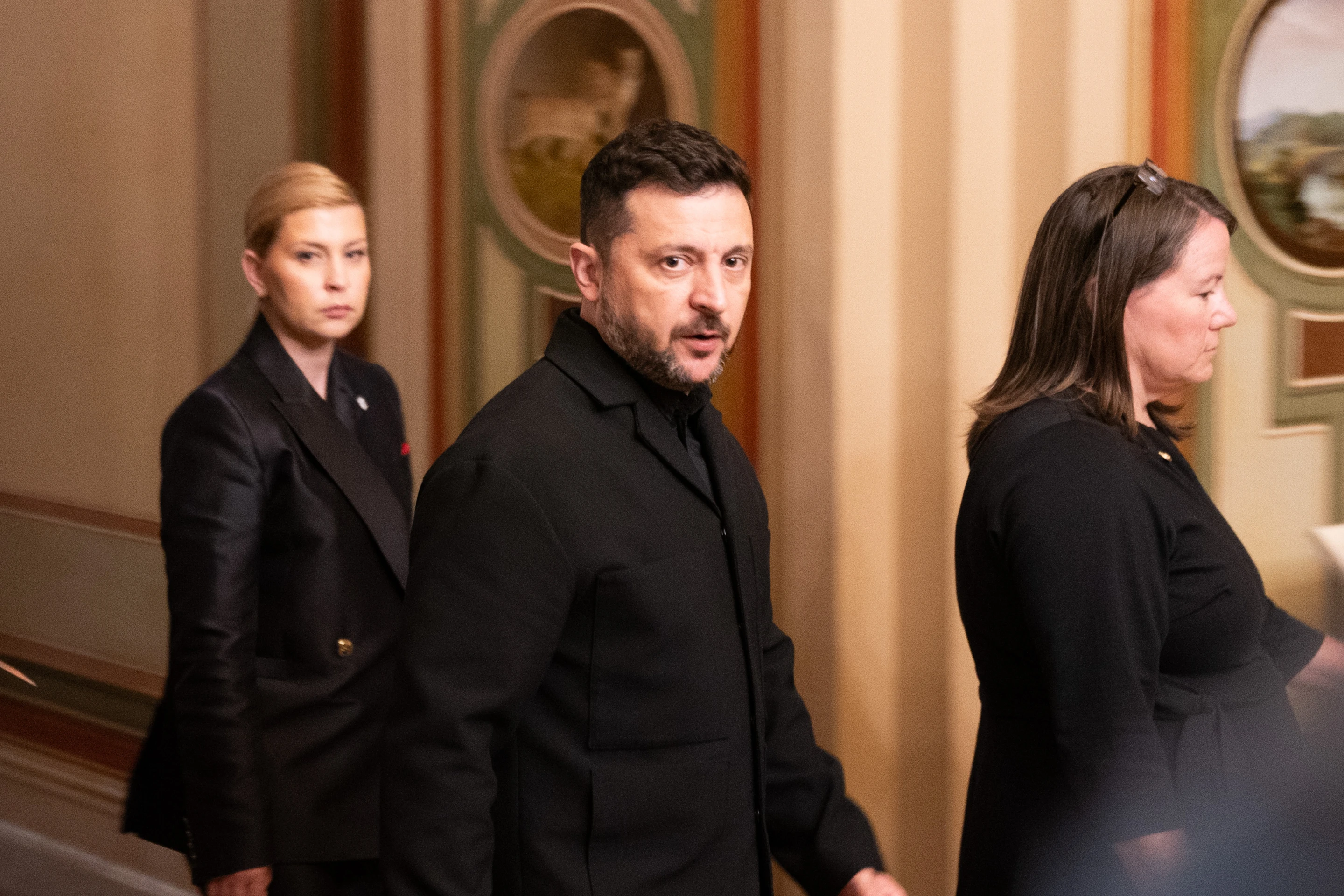
That is why Volodymyr Zelensky stressed that such actions do not resemble the behavior of a side that believes the war is close to ending. His call for partners not to remain silent was not rhetorical. It was a demand that Russia not be allowed to combine talk of peace with record strikes on civilian cities.
Ukrainian diplomacy linked the attack to the international moment. On the day Donald Trump was in China speaking with Xi Jinping about global crises, Russia showed that it has no intention of stopping without external pressure. The strike hit not only Kyiv, but also any illusion of a quick peace.
For Washington and Beijing, that signal is uncomfortable. The United States is trying to show it can advance a peace process. China claims to be a power whose influence over Moscow matters. After such an attack, the question becomes direct: are major players prepared to turn leverage into real pressure?
Russian strikes also show that the front line is not the only dimension of the war. Fighting continues along more than a thousand kilometers of contact, but Moscow’s strategy has long extended beyond trenches. It targets energy, logistics, cities, public psychology and the state’s ability to sustain momentum.
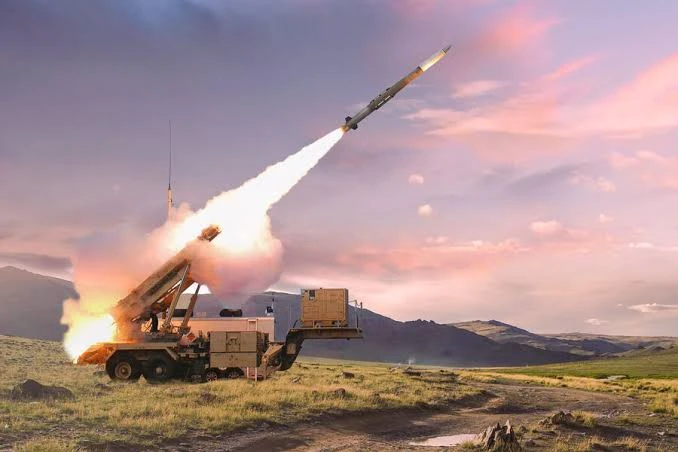
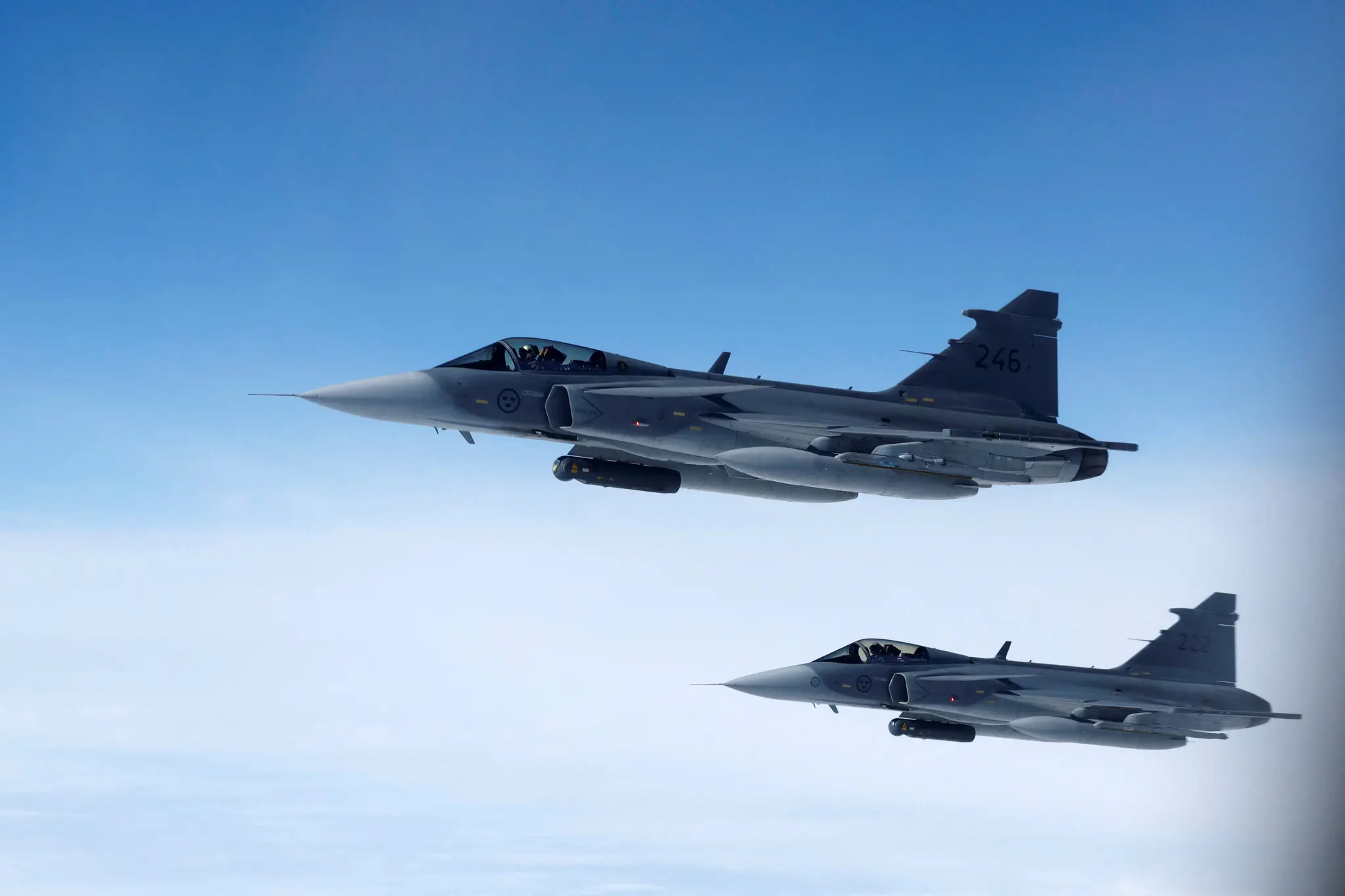
That makes air defense central to Ukraine’s survival. Modern air defense systems, interceptor missiles, mobile fire groups, radars and anti-drone tools are no longer auxiliary elements of the war. They have become daily security infrastructure for millions of people.
 Рятувальники евакуюють поранену жінку з житлового будинку, пошкодженого під час російських ракетних і безпілотних ударів у рамках російського вторгнення в Україну, у Києві, Україна, 14 травня 2026 року — Томас Пітер
The paradox of the night is that Ukrainian defenses performed with high effectiveness, yet the scale of the attack still brought death and destruction. That means even a strong interception rate cannot guarantee safety when the attacker relies on mass, repetition and exhaustion.
Russia wants Ukraine to count not only destroyed buildings, but also missile stocks, rescue workers’ hours, the fatigue of energy crews, the fear of parents and the nerves of cities. This is not a random side effect of war. It is a deliberate tactic.
The response to a record attack therefore cannot be limited to sympathy. It requires stronger air defense, stable ammunition supplies, sanctions pressure on Russia’s drone and missile production, and political clarity: peace does not move closer by itself when the aggressor still sees room for new strikes.
The overnight assault on Kyiv and other cities was one of the harshest reminders of the war’s real condition. Russia speaks of a possible end, but acts as if preparing for prolonged coercion. Between those words and those strikes lies the true boundary of any diplomacy.