
















Russian attacks on Tuesday tore through the daytime rhythm of several Ukrainian cities at once. Zaporizhzhia, Dnipro and Kramatorsk came under fire just as Moscow was speaking of a brief “cease-fire” tied to Victory Day. On the ground, that rhetoric quickly lost any meaning.
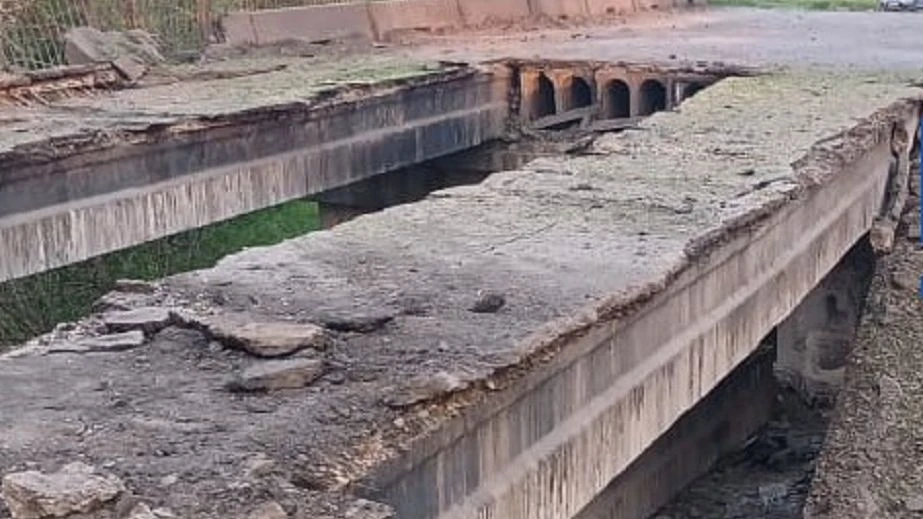
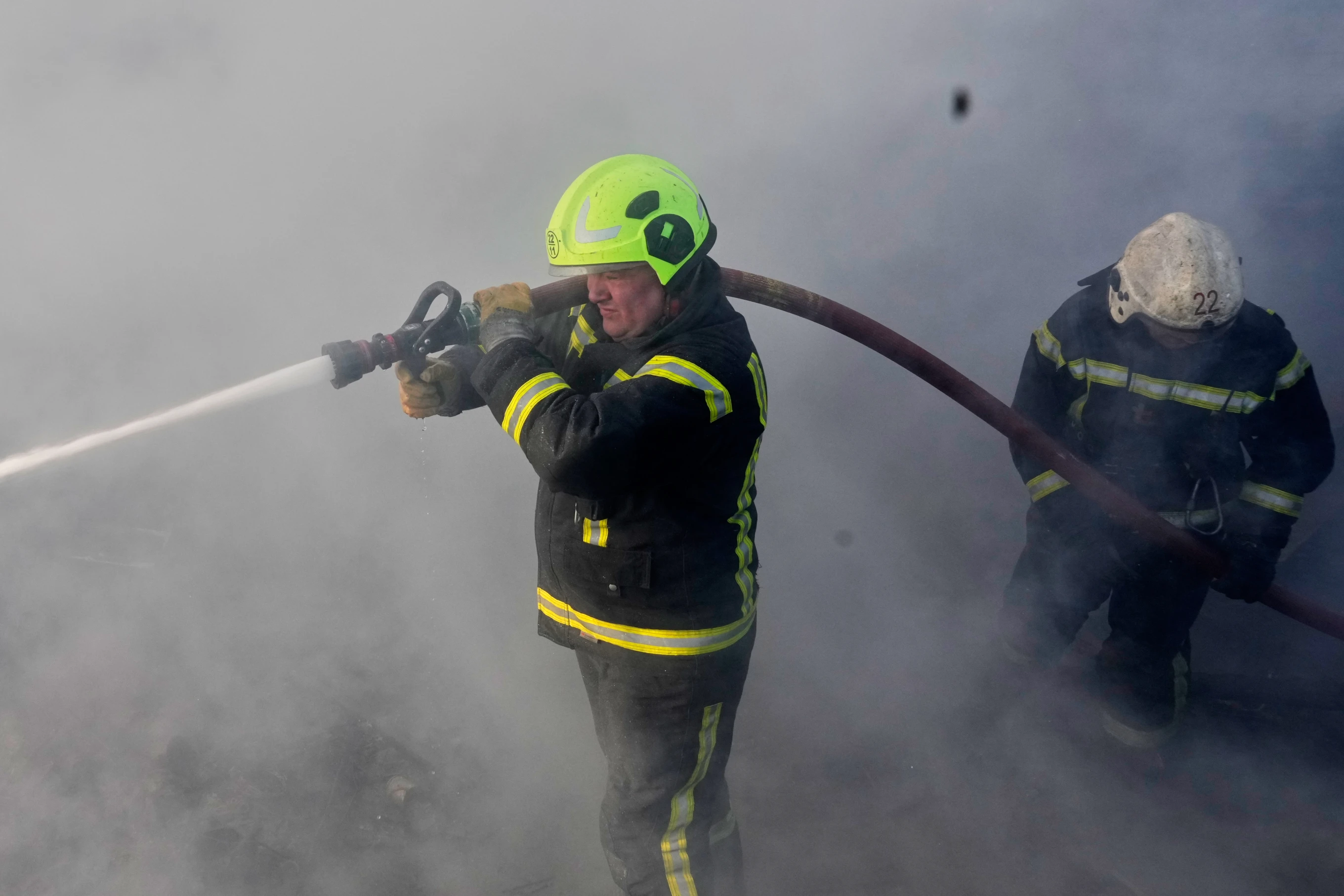
The heaviest strike hit Zaporizhzhia. At least 12 people were killed, and dozens were wounded. For a city that has lived for years near the front line, it was one of the deadliest episodes of the year. Residential buildings, a car repair shop, a carwash, vehicles and civilian infrastructure were damaged.
In Dnipro, separate attacks killed at least four people. In central Kramatorsk, five more were killed. After the explosions, bodies lay in the street, fires burned, black smoke rose, and rescuers worked under air-raid alerts while the next threat could already have been in the sky.
According to Daycom’s earlier analysis, the central fact of these strikes is not only the number of victims, but the timing. Russia attacked precisely as it was trying to impose its own formula of silence on Ukraine: not a permanent cease-fire, but a pause convenient for Moscow’s May 9 parade.
That is the political nerve of the moment. The Kremlin wants to appear as the side proposing a truce while refusing to stop the daily destruction of Ukrainian cities. In that logic, silence is needed not for people, but for ceremony — not to save civilians, but to protect the image on Red Square.
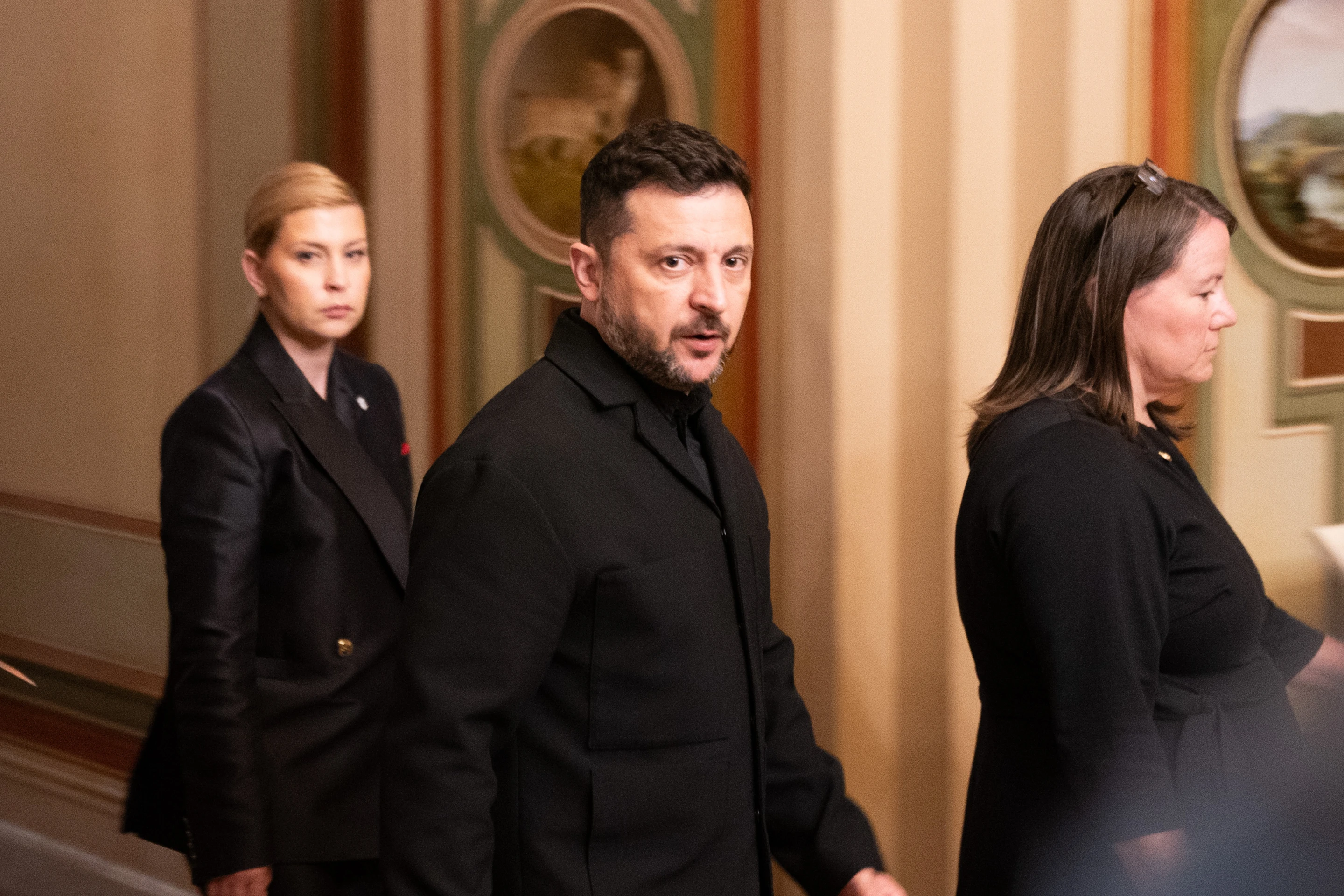
Volodymyr Zelensky responded to Russia’s initiative by demanding a real and lasting cease-fire. Ukraine’s position is straightforward: if Moscow is truly ready to stop fighting, it should do so not for a few hours around a holiday calendar, but every day — without missiles, glide bombs, drones or artillery.
 Рятувальники працюють на місці російського авіаудару на тлі нападу Росії на Україну в Запоріжжі, Україна, 5 травня 2026 року. Фото зроблено мобільним телефоном — Сергій Чалий
The strikes on Zaporizhzhia, Dnipro and Kramatorsk were Russia’s practical answer to that demand. They showed that the Kremlin is not yet seeking peace as a political solution. It is seeking a pause that allows the war to continue while giving Moscow a way to blame Ukraine if Kyiv refuses its terms.
The attack on Zaporizhzhia was especially revealing. The city has long lived under elevated danger, but a daytime strike on civilian space has a different psychological force than nighttime attacks. It destroys even the fragile sense of predictability: danger comes not only in the dark, but in the middle of an ordinary day.
Such strikes are not politically random. They keep Ukrainian cities in a state of permanent exhaustion, forcing people to live between work, shelters, funerals and repairs. Russia’s strategy has long targeted not only military infrastructure, but civilian endurance.
Kramatorsk carries particular weight in that pattern. The Donetsk region city remains an important rear and humanitarian hub near the front. A strike on its center is not only the killing of civilians, but a message to the entire front-line zone: Russia wants to make normal life impossible even where it still holds.
Dnipro, too, again confirmed its role as a major front-line-adjacent metropolis. The city receives wounded soldiers, displaced families, military flows and humanitarian aid, while itself regularly becoming a target. In this war, the rear and the front have long ceased to be clearly separate spaces.
Against this background, Russia’s talk of May 9 sounds increasingly hollow. Vladimir Putin has used Victory Day for years as the central ritual of his political legitimacy, tying the memory of World War II to the war against Ukraine. But the longer the aggression continues, the more that ritual needs protection from reality.
Moscow has already been forced to scale down the parade, account for the risk of Ukrainian drones and reduce parts of its military display. That is the weak point of the imperial staging: a state that promised quick victory now asks for silence so it can safely perform its own symbolic spectacle.
 Рятувальники працюють на місці російського авіаудару на тлі нападу Росії на Україну в Запоріжжі, Україна, 5 травня 2026 року. Фото зроблено мобільним телефоном — Сергій Чалий
Ukraine, meanwhile, is expanding long-range strikes against targets inside Russia. Energy infrastructure, oil and gas facilities, military logistics and enterprises serving the war effort have become targets. Kyiv presents these attacks as a response to Russia’s constant strikes on Ukrainian cities.
This is not pure symmetry. Russia has a far larger arsenal of missiles, aircraft and bombs. But Ukraine’s strategy imposes a new cost of war: it forces Moscow to defend its deep rear, stretch its air defenses, close the skies over Moscow and admit that danger is no longer confined to Ukrainian territory.
That is why the Kremlin is simultaneously threatening massive strikes and asking for a short cease-fire. It is trying to preserve its own right to attack Ukraine while reducing risks to its own rituals. That is the cynicism of the Russian pause: it is not about peace, but about control over the image.
For Ukrainians, that distinction is no longer abstract. A real cease-fire is measured not by statements, but by the absence of explosions in Zaporizhzhia, Dnipro, Kramatorsk, Kharkiv, Odesa, Kyiv and dozens of other cities. If people die during declared “peace” gestures, the gesture itself becomes another form of violence.
The coming days will show whether Russia tries to use May 9 as a diplomatic trap: offer a short silence, then accuse Ukraine of breaking it. But after Tuesday’s strikes, the moral weight of such an initiative has already been damaged. It is difficult to speak of a cease-fire while rescuers are still searching through rubble.
Zaporizhzhia, Dnipro and Kramatorsk answered the question of what Russia’s rhetoric about a pause is worth. It did not stop the bombs. It did not protect civilians. It did not give cities silence. That is why Ukraine is insisting not on a holiday break for Moscow, but on a cease-fire that has meaning for the living.