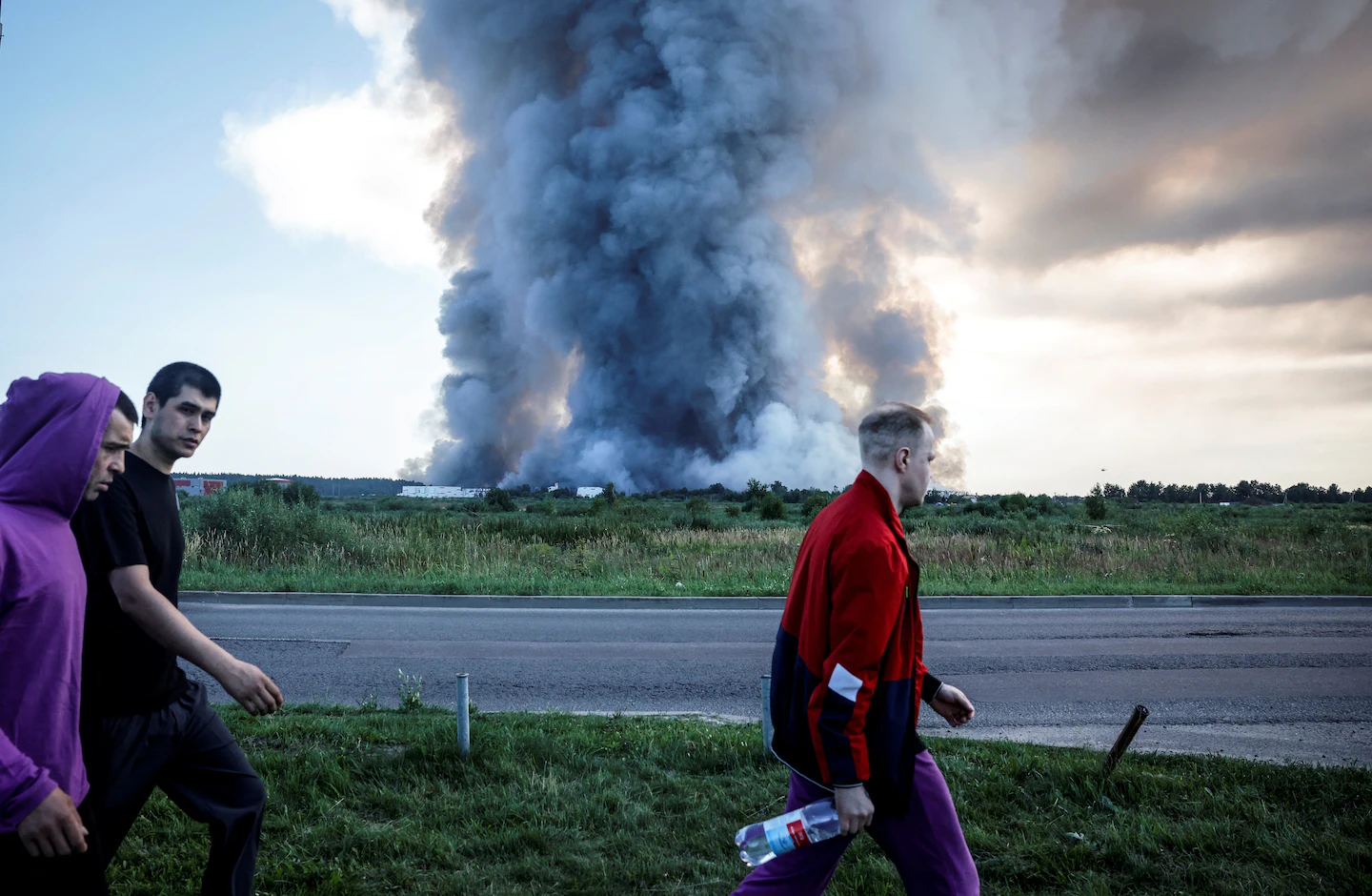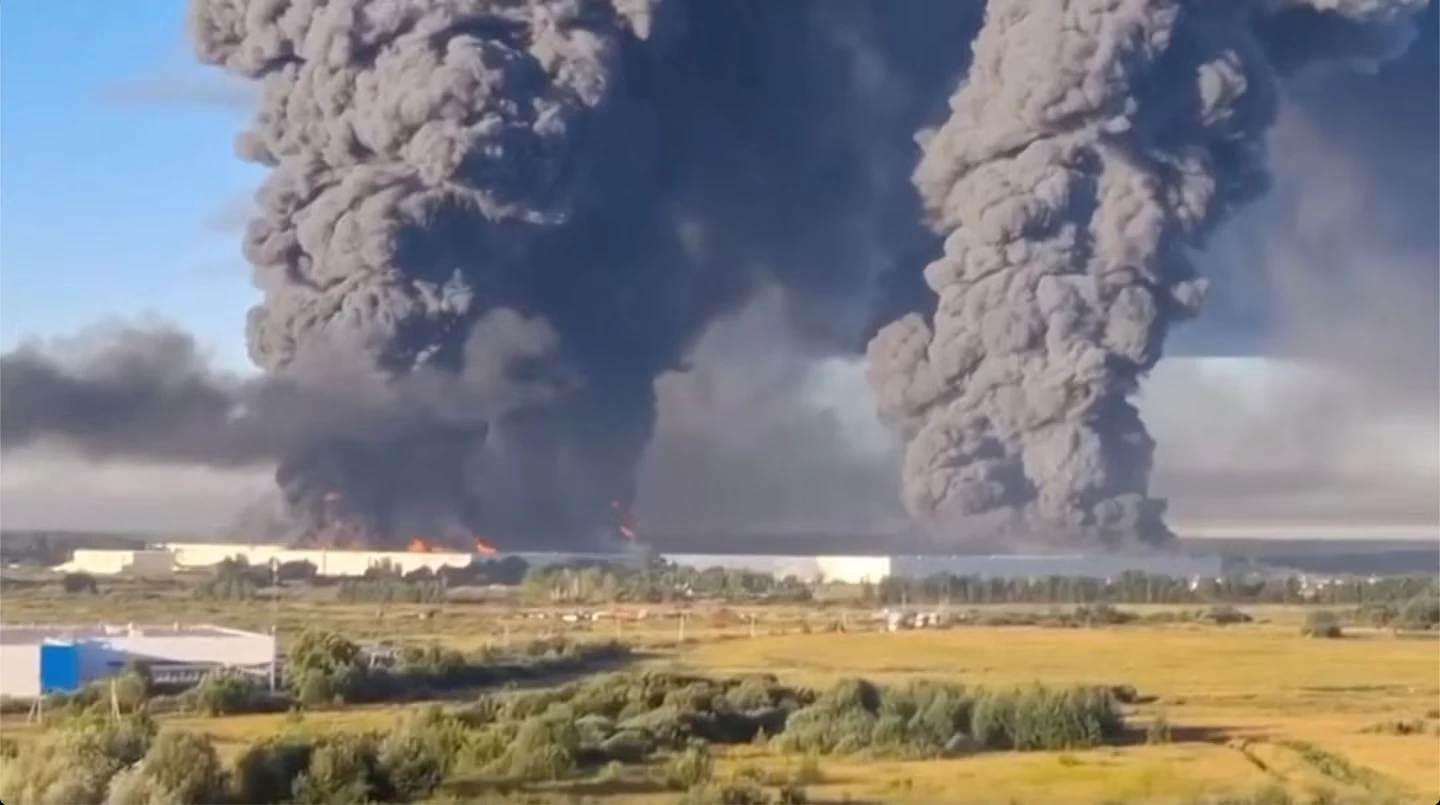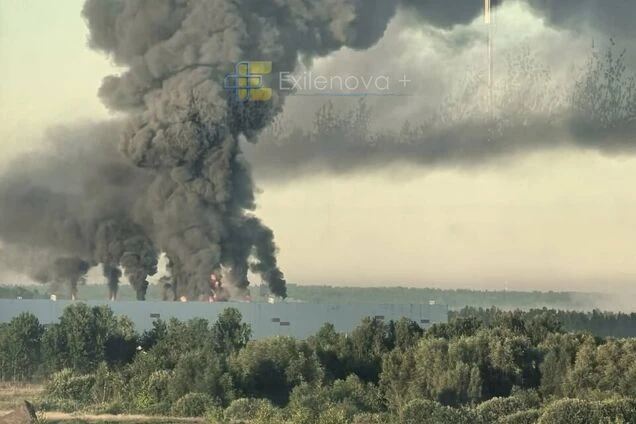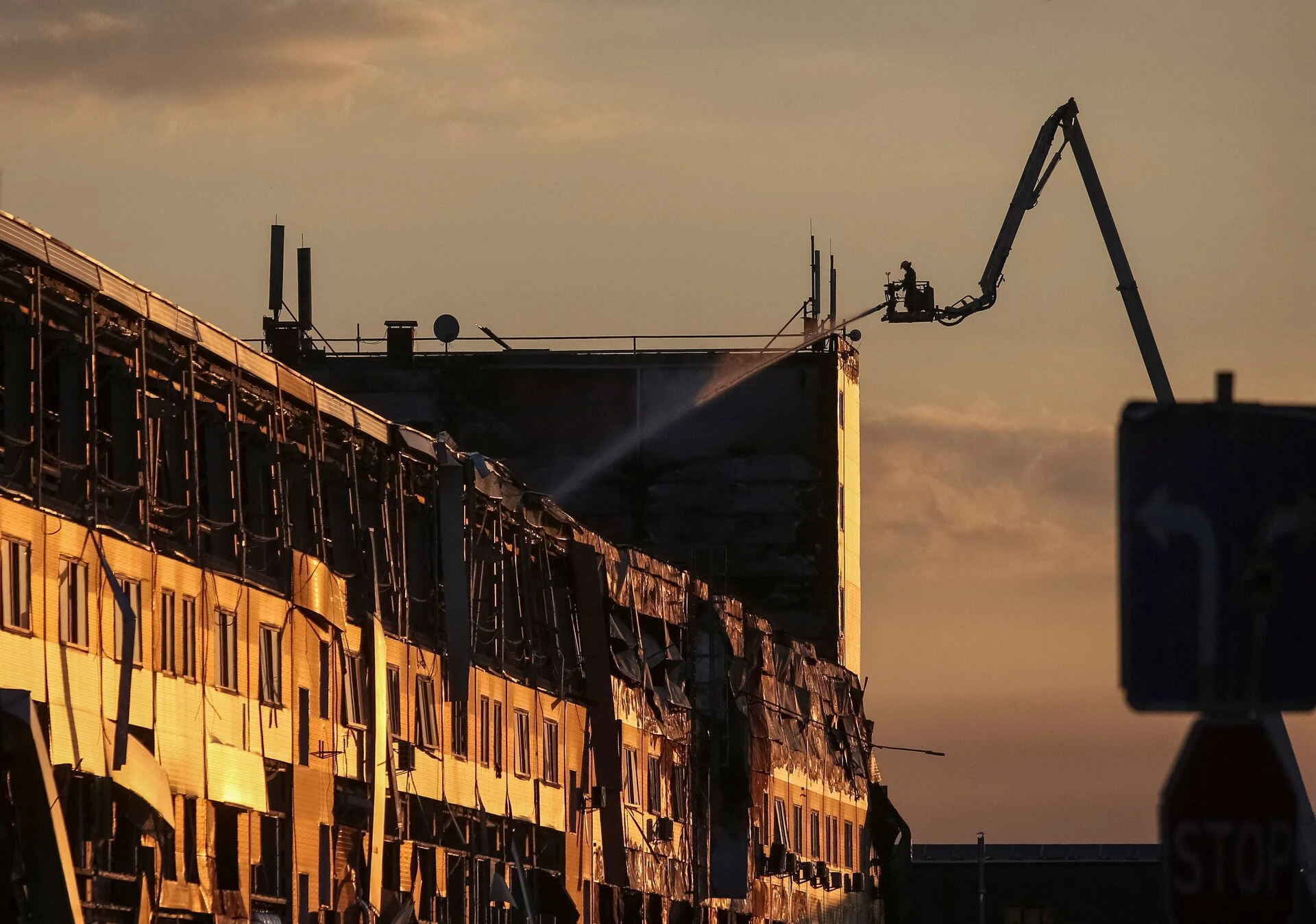








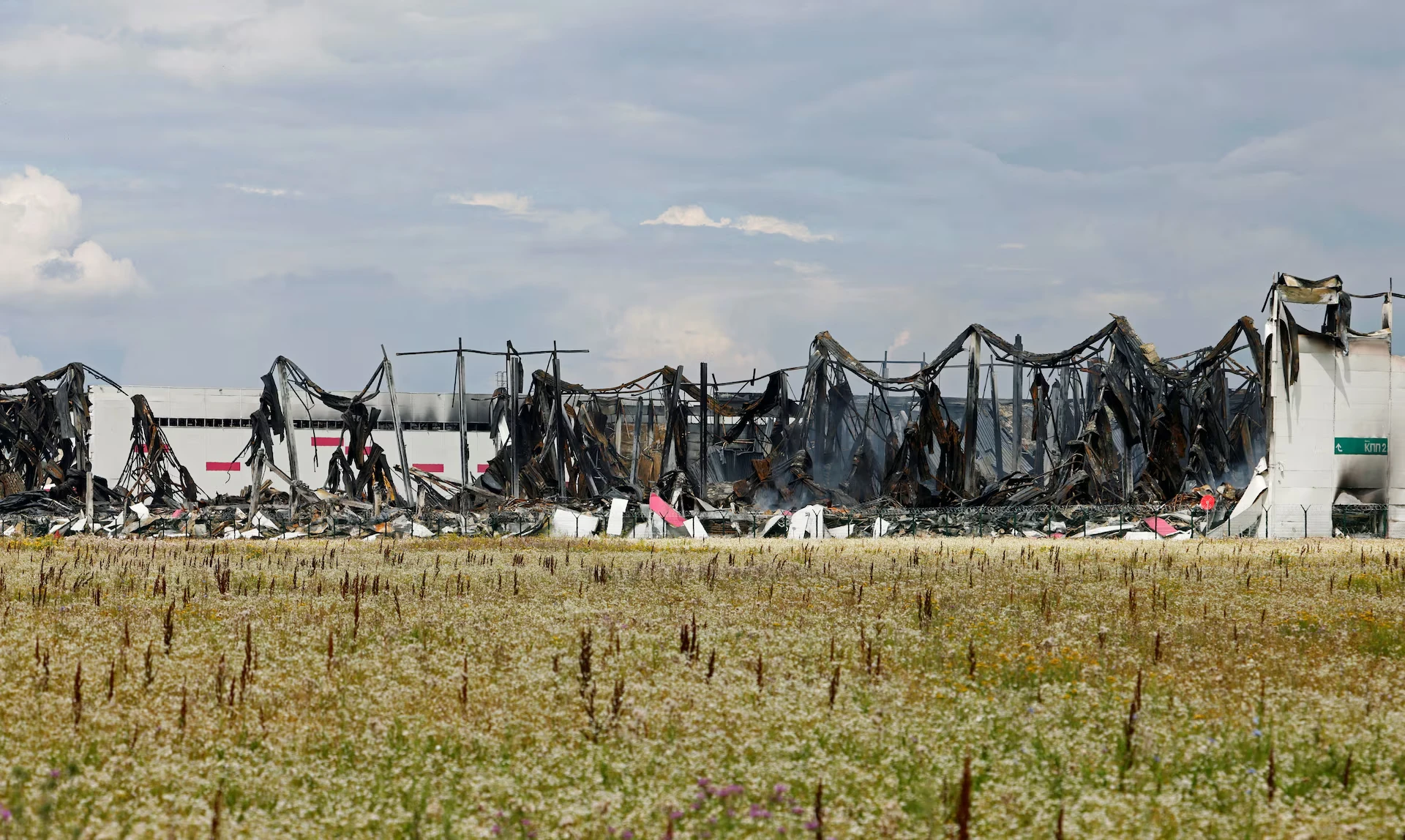














A week ago, Viktoria Terekhova’s summer collection of children’s clothing was sitting in a Wildberries warehouse in Elektrostal, east of Moscow. Within days of being delivered, the stock was destroyed in a drone strike.
Terekhova lost about 12,000 items, nearly half of the total inventory held by her company, Fareal Kids. Another 4,000 pieces were destroyed in attacks on Wildberries facilities in southern Russia.
Since July 18, eight logistics hubs belonging to Russia’s largest online retailer have been hit. Together they accounted for more than 10 percent of the company’s storage capacity, turning a series of warehouse fires into a systemic disruption for thousands of merchants.
According to Daycom’s earlier analysis, the attacks mark a new phase of economic warfare. The targets are no longer limited to military plants, oil depots or transport infrastructure. They now include the commercial systems through which millions of Russians buy clothes, electronics and household goods.
Wildberries has become one of the central links between Russian small businesses and consumers. For many brands, it has replaced physical stores, advertising, logistics and payment processing. That concentration made the platform highly efficient — and dangerously vulnerable.
Fareal Kids generated as much as 70 percent of its sales through the marketplace. Losing inventory worth about 10 million rubles means more than writing off unsold goods. It also means losing the money needed to pay suppliers, service debt and finance the next collection.
The summer line had been produced with borrowed funds. Sales were supposed to cover outstanding obligations and provide working capital for the following season. The goods are gone, but loan payments, taxes, salaries and supplier invoices remain.
That is the central danger for small businesses: a warehouse loss triggers a chain reaction. Without sales revenue, an entrepreneur may miss loan payments, reduce orders from manufacturers and freeze future projects. One destroyed shipment can destabilize an entire network of partners.
Oleg Kondratyev, co-founder of the clothing brand Airbase, estimated his losses at roughly five million rubles. His company, which mainly produces women’s tracksuits, has seen sales through Wildberries stop and now doubts whether it can meet upcoming loan and tax obligations.
For businesses like his, payment deferrals from banks or the government may determine whether they survive. Without relief, even a company with stable demand and functioning production can be pushed toward bankruptcy by the destruction of stock stored on someone else’s premises.
Wildberries said it had begun compensating more than 88,000 sellers. Initial payments were issued even to merchants with small inventories, while further compensation is expected to be distributed in several stages.
The size and timing of those payments will be decisive. For a large platform, several weeks may be a routine administrative period. For a small manufacturer, it is time during which interest continues to accumulate and tax deadlines continue to approach.
Wildberries’ contractual terms exempt the company from liability in cases of force majeure and explicitly list drone strikes among such circumstances. That creates a legal contradiction: the company has promised support, but it may not be formally required to reimburse sellers in full.
Kondratyev has already said he is prepared to pursue legal action through the highest courts. The dispute could widen into a larger confrontation between the marketplace and the sellers who provide its assortment, revenue and market power.
The problem extends far beyond one retailer. Russia’s e-commerce model depends heavily on enormous centralized warehouses holding goods from tens of thousands of businesses. This reduces costs in peacetime, but during war it creates highly visible and highly concentrated points of failure.
A single logistics center may hold products from hundreds of brands and serve several regions at once. Its destruction wipes out stock, interrupts sales, overloads nearby hubs and disrupts distribution systems across the country.
Ukraine is increasingly targeting infrastructure that sustains the appearance of economic normality inside Russia. The purpose is not only to destroy property, but to narrow the distance between the war and the daily lives of Russian citizens.
For much of the conflict, many Russian consumers experienced the war through rising prices, sanctions and occasional shortages. A burning marketplace warehouse makes the consequences far more immediate: orders do not arrive, sellers do not get paid and small firms risk collapse.
For the Kremlin, this presents a difficult security problem. It is impossible to protect every logistics hub with air defenses, while dispersing goods across smaller facilities would make retail operations more expensive and less efficient. The wider the geography of attacks becomes, the more costly it is to preserve the appearance of normal life.
The heaviest burden does not fall on the largest companies. Wildberries has reserves, access to financing and the ability to redirect cargo. A small brand may depend on one warehouse, one selling season and one credit line.
That imbalance could reshape relations between marketplaces and merchants. Sellers are likely to demand better insurance, clearer compensation rules and the ability to divide inventory among several platforms without prohibitive fees.
Terekhova now plans to expand her own website, store more goods independently and shift toward direct delivery to customers. For a small company, that model is more expensive and more complicated, but it reduces dependence on a single intermediary and a single point of failure.
Thousands of other Russian entrepreneurs may be forced to make similar changes. That will require new storage facilities, digital systems, delivery networks and additional capital. The cost of war will eventually be built into every product through higher insurance, logistics and inventory expenses.
The warehouse attacks came on top of other pressures on small businesses. Taxes had already increased earlier in the year, while Wildberries raised its commission rates in July. The fires became a third shock, simultaneously cutting margins, destroying working capital and jeopardizing the next production cycle.
The Russian government may offer credit holidays or tax deferrals, but such measures would only redistribute the losses among banks, the state and businesses. Burned inventory cannot be restored, and reproducing it requires new money, materials and time.
The strikes on Wildberries demonstrate that Russia’s rear economy no longer contains reliably safe zones. War is reaching entrepreneurs not only through mobilization or sanctions, but through missing stock, unpaid debts and orders they can no longer fulfill.
For small businesses, this is an expensive lesson in concentration risk. Centralization enabled rapid growth, but it also turned one marketplace into critical infrastructure. Merchants may now have to buy resilience at the cost of lower margins, duplicate storage and reduced dependence on platforms.
The true impact of the attacks will not be measured by the number of burned boxes. It will appear in bankrupt brands, unpaid loans, reduced production and changed consumer behavior. The war is entering the Russian economy through a place that once seemed entirely civilian: the warehouse of an online retailer.