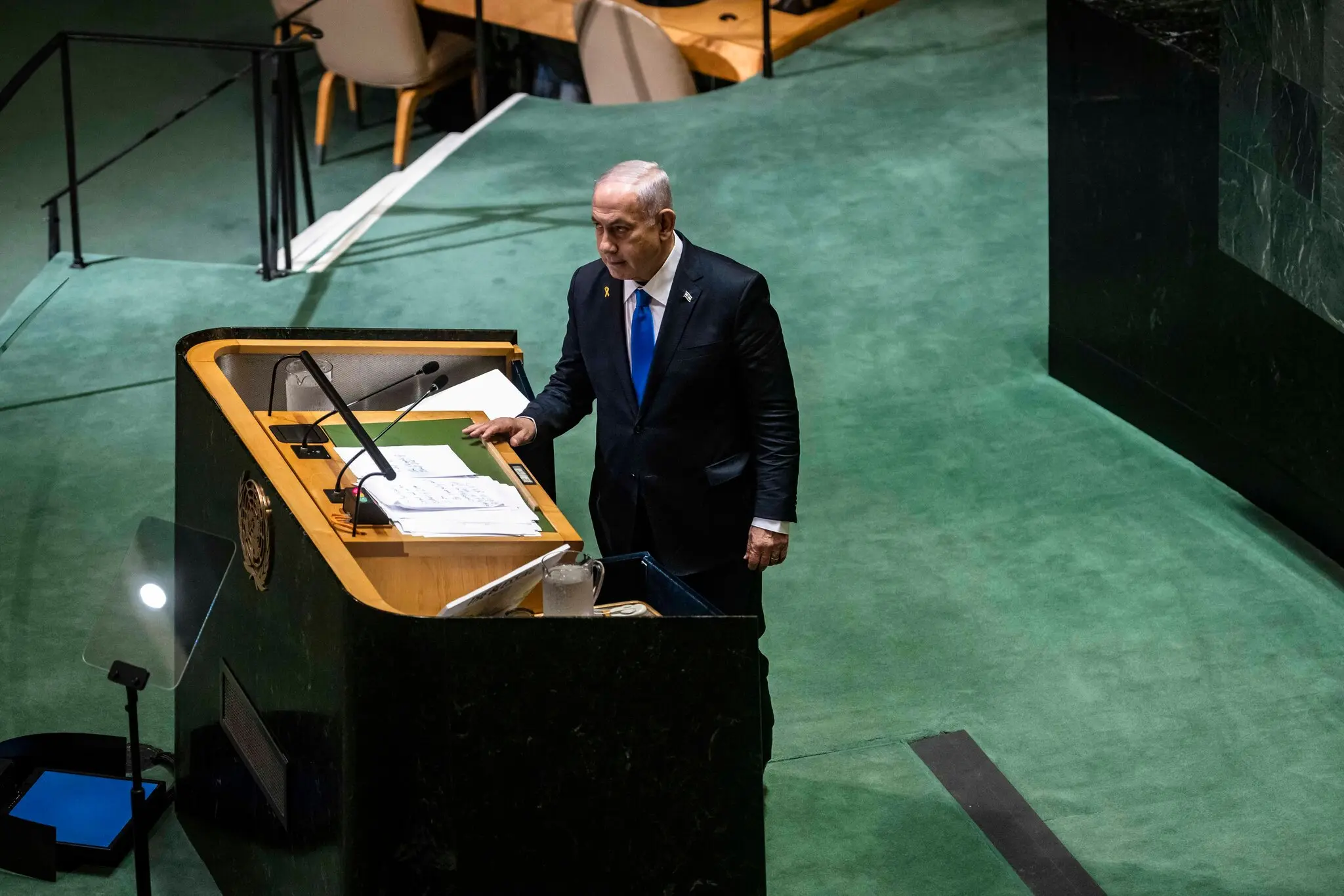






















The rare talks between Israel and Lebanon in Washington were presented as a historic step toward peace. Formally, that is what they are: after decades of hostility, the two sides agreed to move toward direct contact. But the real meaning of this diplomacy lies not in the ceremony surrounding it, but in what was left unsaid.
The clearest omission was also the most important one. Washington did not make an immediate halt to Israeli strikes in Lebanon a condition for the diplomatic track. Instead, the United States effectively left Israel free to decide for itself whether to keep pressing its campaign against Hezbollah while negotiations begin to take shape.
That is where the true structure of the moment comes into view. The United States is supporting negotiations, but it is not converting its leverage into meaningful pressure on its ally. Diplomacy, in other words, is being launched alongside war rather than in place of it.
According to Daycom’s earlier analysis, this model almost always favors the stronger side. Negotiations without a pause in fighting allow one actor to consolidate military advantage while leaving the other with a shrinking political space in which to maneuver. In Lebanon’s case, that imbalance is especially stark: the state enters this process weakened, internally divided and without full control over its own coercive landscape.
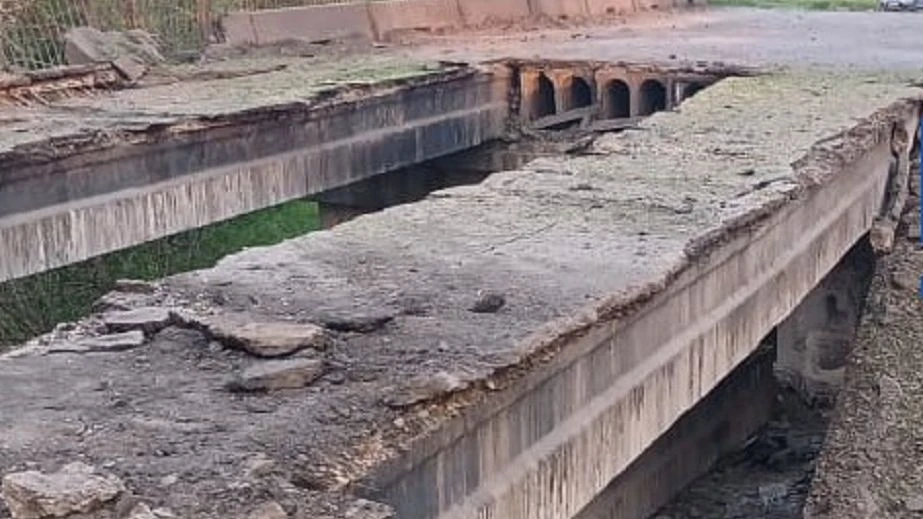
Israel approaches these talks from a position of overwhelming strength. After more than a year of near-daily strikes, the conflict in Lebanon has moved into a broader and more forceful phase against Hezbollah. Tel Aviv is signaling that the opening of a diplomatic channel in Washington will not by itself alter the operational logic of the campaign. On the contrary, military pressure appears designed to improve Israel’s starting position for any eventual political arrangement.
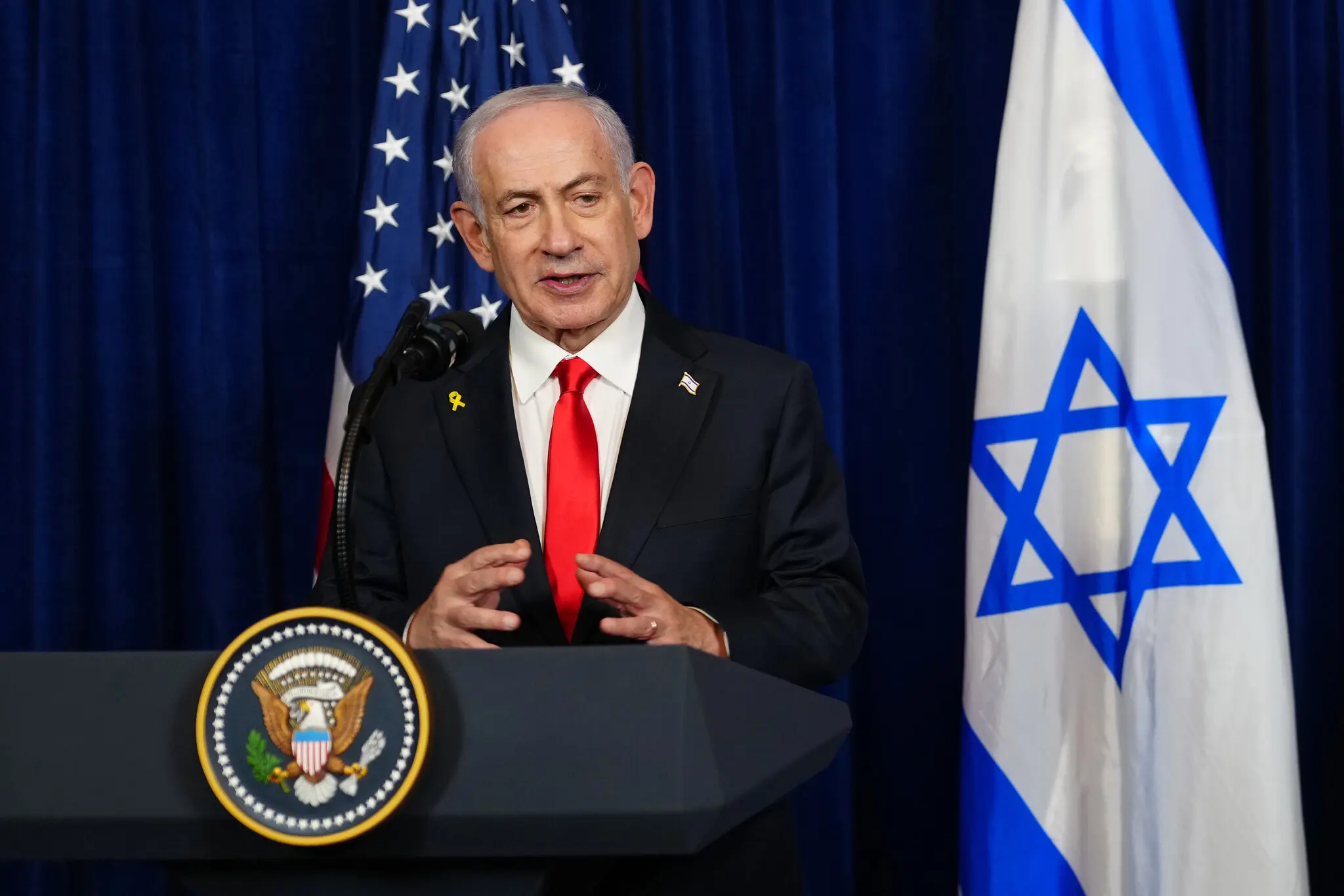
For the Trump administration, this is a convenient structure as well. It allows Washington to speak the language of peace without imposing practical constraints on Israel’s actions. That spares the White House the political cost of forcing difficult choices on an ally while preserving America’s role as the central diplomatic broker in the region. But that same caution creates the process’s central flaw: without pressure to restrain the Israeli offensive, negotiations risk becoming the diplomatic accompaniment to war rather than the mechanism that ends it.
Lebanon, by contrast, is left in an almost impossible position. Formally, the government in Beirut has signaled openness to talks and, under growing outside pressure, has repeated its pledge to disarm Hezbollah. In reality, however, the state does not exercise direct control over the group, which has long operated according to its own military and political logic and does not concede to the Lebanese government a monopoly over decisions of war and peace.
That is precisely why the negotiations look so fraught inside Lebanon itself. The state is being asked to negotiate over a conflict that it only partially controls. For the Lebanese government, this is not simply a diplomatic risk; it is a domestic political trap. Any step toward Western demands or Israeli conditions can be framed by Hezbollah as surrender, while any refusal to act leaves the country exposed to further destruction.
Against that backdrop, the promise to disarm Hezbollah sounds more like a political signal to foreign partners than a realistic operational plan. Disarmament on that scale requires not only a formal decision but the actual capacity to impose it on one of the country’s most powerful forces. Without that capacity, such pledges only deepen the contradiction: Israel continues its strikes, while Hezbollah gains another argument against a government it portrays as weak, compliant and unable to defend the country.
A further consequence is now becoming clearer. After the cease-fire announced between the United States and Iran, some expected a broader regional cooling. Lebanon, however, has effectively been left outside that logic. Israel has made plain that the Lebanese front does not fall under the same pause, which means the war can continue in one arena even as de-escalation is discussed in another.
That is why the crisis no longer lends itself to a single diplomatic formula. The Iran track, the Israel-Lebanon confrontation, the question of Hezbollah, the security of northern Israel and the humanitarian collapse inside Lebanon no longer fit neatly into one framework. Washington may try to manage them as separate files, but in practice they bleed constantly into one another.
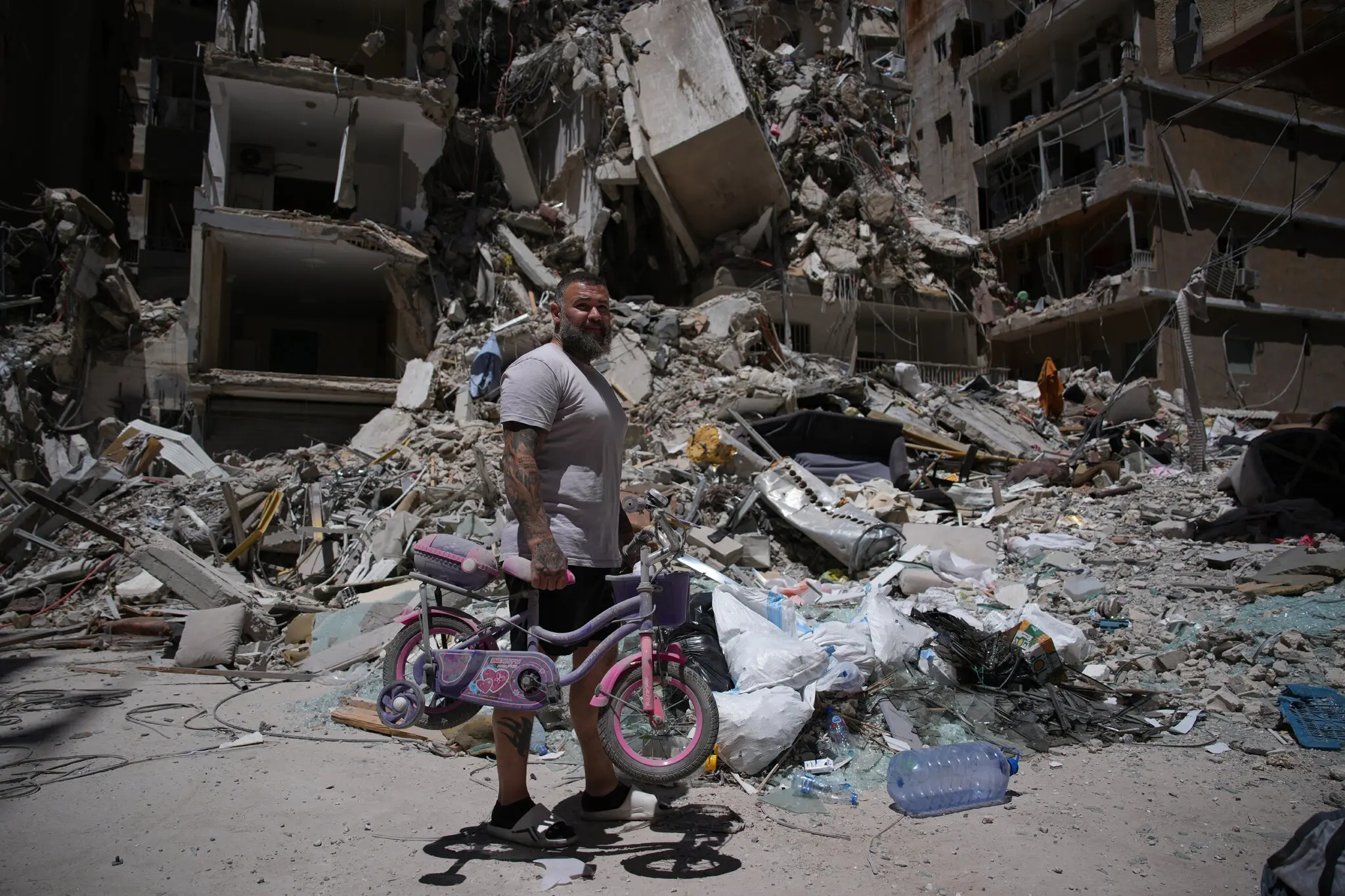
The humanitarian dimension makes this contradiction even sharper. The longer the strikes continue, the weaker the legitimacy of negotiations becomes in the eyes of Lebanese society. A peace process launched amid destruction, civilian deaths and the perception of external dictation is unlikely to be seen as a path to stability. It is more likely to be understood as an attempt to impose terms under fire.
For that reason, these talks may ultimately be remembered not as the start of peace, but as an example of diplomacy without coercion in the service of peace. The United States opened a channel between Israel and Lebanon, yet chose not to use its influence to halt the fighting. As long as Washington prefers the symbolism of negotiations to the hard pressure required to protect them, the political process will remain hostage to military logic.
For Lebanon, the dilemma is becoming nearly unbearable. Moving directly against Hezbollah risks internal rupture. Refusing to do so means continued exhaustion under Israeli assault. That is why the central question today is not whether talks have begun, but whether they possess even a minimal protective framework. So far, that framework is absent. And until it appears, peace will remain a political declaration, while war continues to be the only real language of the process.