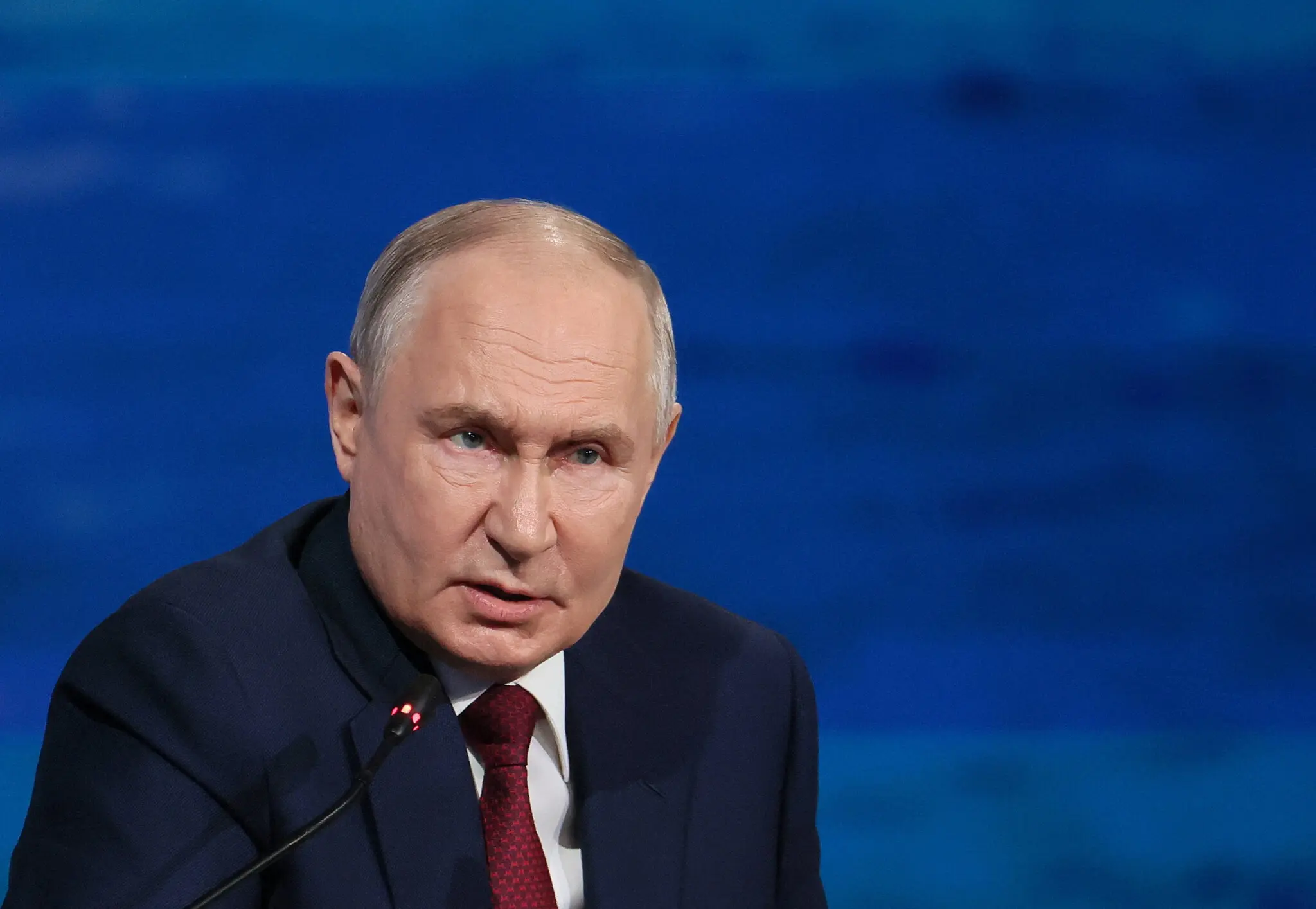






















On March 27, the Kremlin publicly argued that the United States is wrong to tie economic cooperation with Russia to a settlement of the war against Ukraine. Dmitry Peskov framed the issue as lost time and lost profit for both sides, effectively offering Washington a different formula: business, investment, and deals first, while a political resolution of the war can wait.
At first glance, this sounds like a complaint about missed opportunities for American companies and the Russian market. In reality, however, Moscow is trying to change the very framework of the conversation. It wants sanctions and restrictions to be seen not as leverage against an aggressor state, but as an unnecessary obstacle to “mutually beneficial cooperation” between the United States and Russia.
What makes the statement especially revealing is that just weeks earlier the Kremlin’s tone was different. In late February, Peskov suggested that trade and investment cooperation could come after relations were restored and some form of agreement on Ukraine was reached. Now the emphasis has shifted: the Kremlin is no longer saying “after peace,” but rather “do not wait for peace.” That is not a rhetorical accident. It is a tactical adjustment.
By the editorial assessment of Daycom, this shift is the real substance of the statement. The Kremlin is not merely commenting on economics; it is testing a new negotiating model. The question Moscow is putting before Washington is simple: can the White House be persuaded that a peace deal should not be a hard precondition for rapprochement, but only a desirable addition to a much larger political and economic bargain.
This line did not emerge out of nowhere. For months, Moscow has been signaling that it sees a potential package of future cooperation with the United States in areas such as energy, finance, raw materials, infrastructure, and strategic investment. In other words, the Kremlin is no longer selling the abstract idea of “improved relations.” It is selling access, profit, market re-entry, and participation in major projects.
That is why this is not just diplomacy. It is a business proposition wrapped in the language of geopolitics. Moscow wants to make Russia appear not as a state that must change its behavior, but as a market that is supposedly irrational to keep blocked because of war. It is an attempt to replace the vocabulary of aggression, occupation, and responsibility with the vocabulary of opportunity, efficiency, and lost earnings.
The figure of Kirill Dmitriev is important in this context. The Kremlin’s economic envoy has spoken openly about the theoretical scale of future U.S.-Russian projects, presenting them as part of a potentially enormous commercial horizon. The precise numbers matter less than the intention behind them: Russia is trying to impress Western business circles with the size of the prize, hoping that profit will begin to compete with principle in the political debate.
This is also why the timing of Peskov’s statement matters. The diplomatic track around the war has not collapsed, but many European officials and analysts increasingly believe that Vladimir Putin is using negotiations primarily to gain time and improve Russia’s position on the battlefield. In that environment, the Kremlin has every incentive to open a parallel track — one in which economic cooperation can move forward even if the war itself remains unresolved.
So Moscow is clearly pursuing two lines at once. The first is military: keep pressure on the front and avoid abandoning maximalist demands. The second is economic: signal to the White House that channels of cooperation, investment, and business normalization can be reopened in parallel with the conflict, rather than after its conclusion. The statement by Peskov is therefore not a neutral comment. It is a deliberate instrument of pressure.
The wider geopolitical context makes this tactic even more transparent. As crises in the Middle East and energy markets intensify, Moscow is trying to fold multiple conflicts into one broader transaction. It wants to suggest that Russia can be useful in energy, diplomacy, commodity markets, and regional stability — and that this usefulness should be rewarded even before there is a genuine settlement for Ukraine.
In practical terms, that means the Kremlin is advancing a simple proposition: do not treat peace as the price of normalization; treat normalization as the incentive for peace. This reverses the logic that has guided Western policy since the start of the full-scale invasion. Under Moscow’s preferred model, the West would begin reopening economic space first, while Russia would retain broad freedom of action on the battlefield and at the negotiating table.
The domestic Russian economic backdrop helps explain why this argument is being pushed so actively. Even if the Kremlin projects confidence, wartime spending, budget strain, sanctions pressure, and the need to keep the economy functioning under prolonged confrontation all create incentives to seek outside capital, eased restrictions, and renewed commercial channels. From Moscow’s perspective, partial normalization without political concessions would be an ideal outcome.
Higher oil prices may give the Kremlin some breathing room, but they also increase temptation. If Russia can combine stronger energy revenues with even limited sanctions relief or renewed Western commercial interest, it could stabilize key sectors of its economy without making the kind of strategic concessions that a real peace process would require. That is precisely why Moscow wants the business conversation separated from the peace conversation.
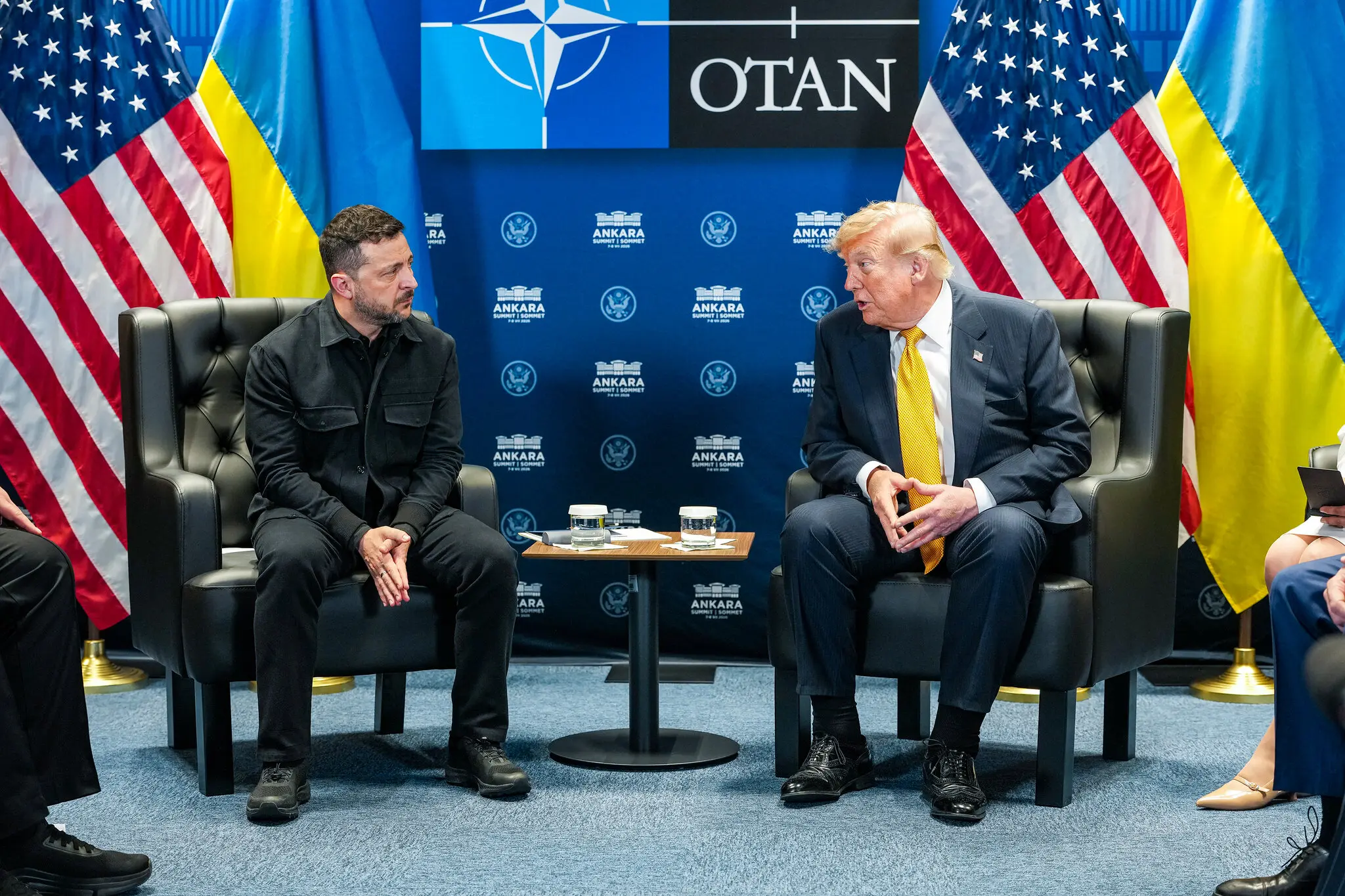
For Washington, however, linking economic cooperation to a real settlement remains one of the few hard levers still available. If that condition is dropped too early, sanctions stop functioning as a tool of pressure and become a prepayment to the Kremlin. Russia would be able to monetize re-entry immediately while offering little or nothing in return: no durable ceasefire, no credible security guarantees, and no abandonment of territorial claims.
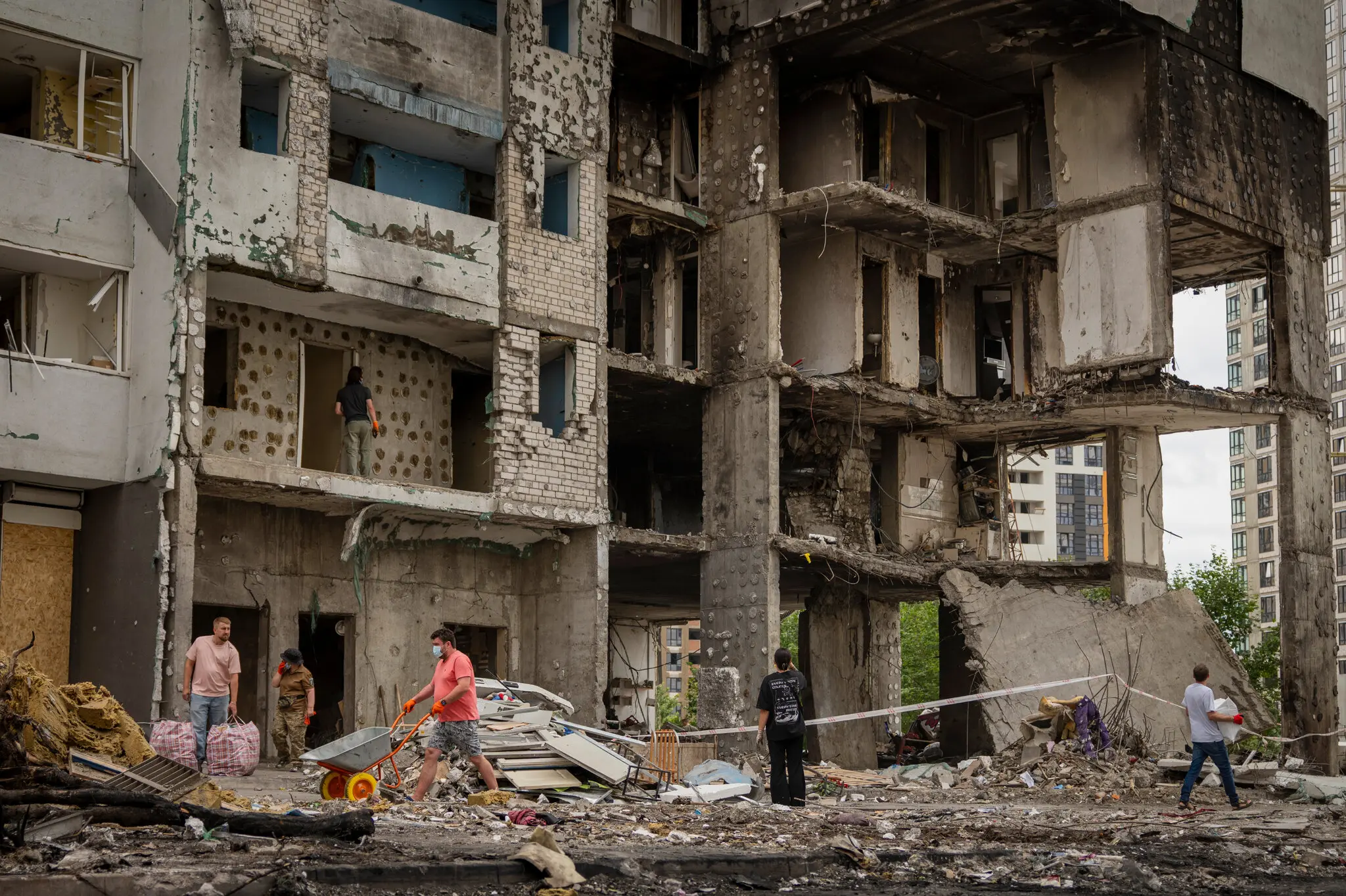
For Ukraine, the danger is even broader. If the Russian framework begins to shape Western thinking, diplomacy will gradually stop revolving around occupation, reparations, territory, and security. Instead, it will start revolving around how much third parties could earn from a rapid normalization with Moscow. At that point, the war is no longer treated primarily as a crime and a threat, but as an expensive disruption to business.
That is the deeper function of Peskov’s message. It sounds like an economic argument, but it is designed as a political maneuver. Its real audience is not the general public. It is those circles in the United States for whom profit, energy access, investment, and major commercial deals may begin to look like a faster path than the difficult, costly architecture of a just peace for Ukraine.
The outlook, for now, is cautiously pessimistic. As long as the Kremlin believes it can continue the war, benefit from energy market volatility, and simultaneously market geopolitical cooperation as a commercial opportunity, it will keep pushing exactly this formula: not peace first as the condition for normal relations, but business first as the bait that helps Moscow avoid paying the true price of war.