






















Monday in the Middle East did not deliver a breakthrough. It delivered clarity. What had looked, for a time, like a sequence of strikes and reprisals now reads as something larger and more dangerous: a contest over the systems that allow the region to function at all. Sea lanes, electricity networks, urban infrastructure, command chains and strategic depth are no longer peripheral to the war. They are the war.
That is why the day appeared so contradictory. Threats of devastation were issued alongside signals of possible diplomacy. Yet the contradiction is only superficial. This is no longer a conflict that alternates neatly between military escalation and political bargaining. It is a conflict in which coercion and negotiation increasingly operate at the same time, each designed to sharpen the force of the other.
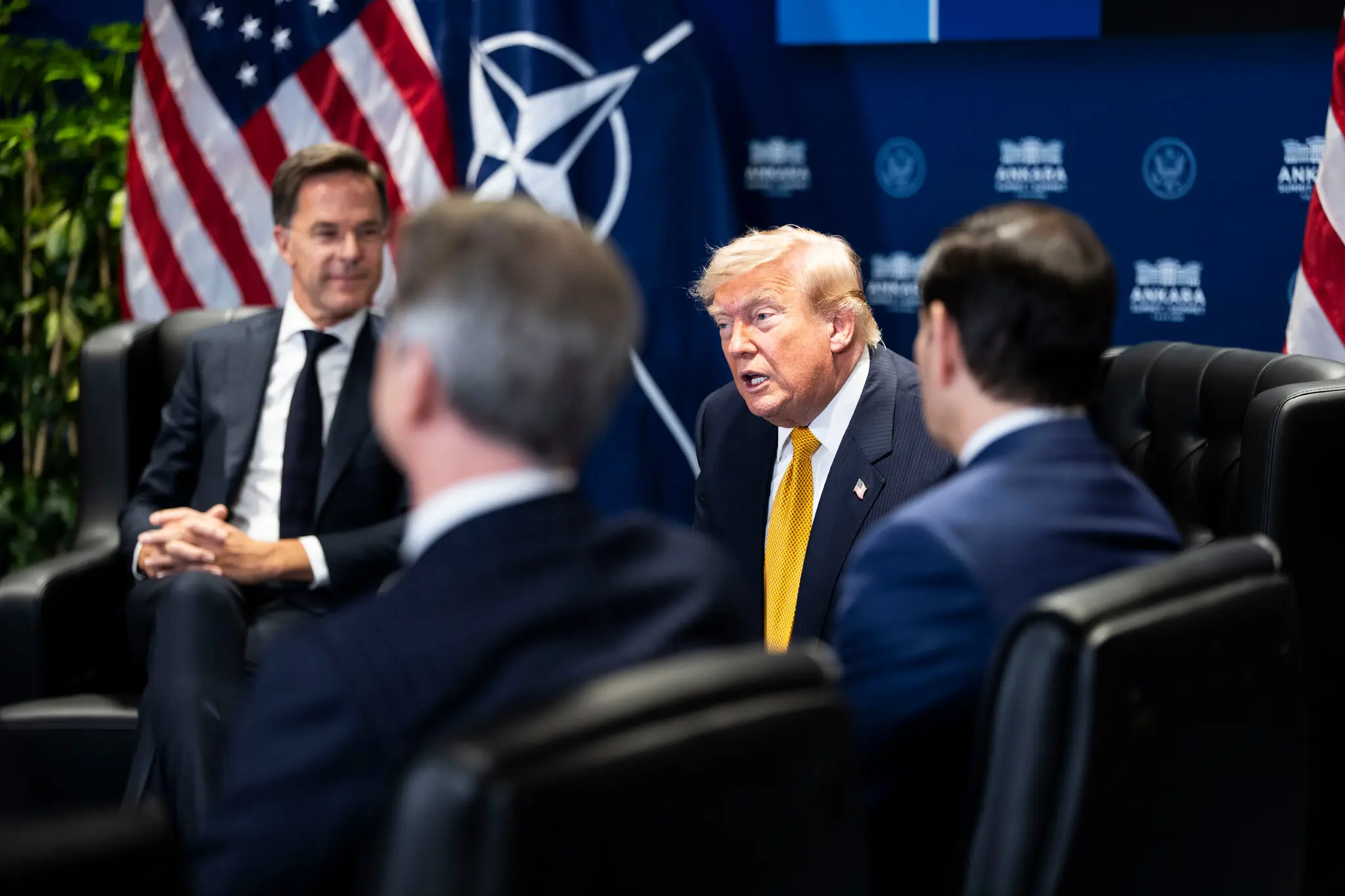
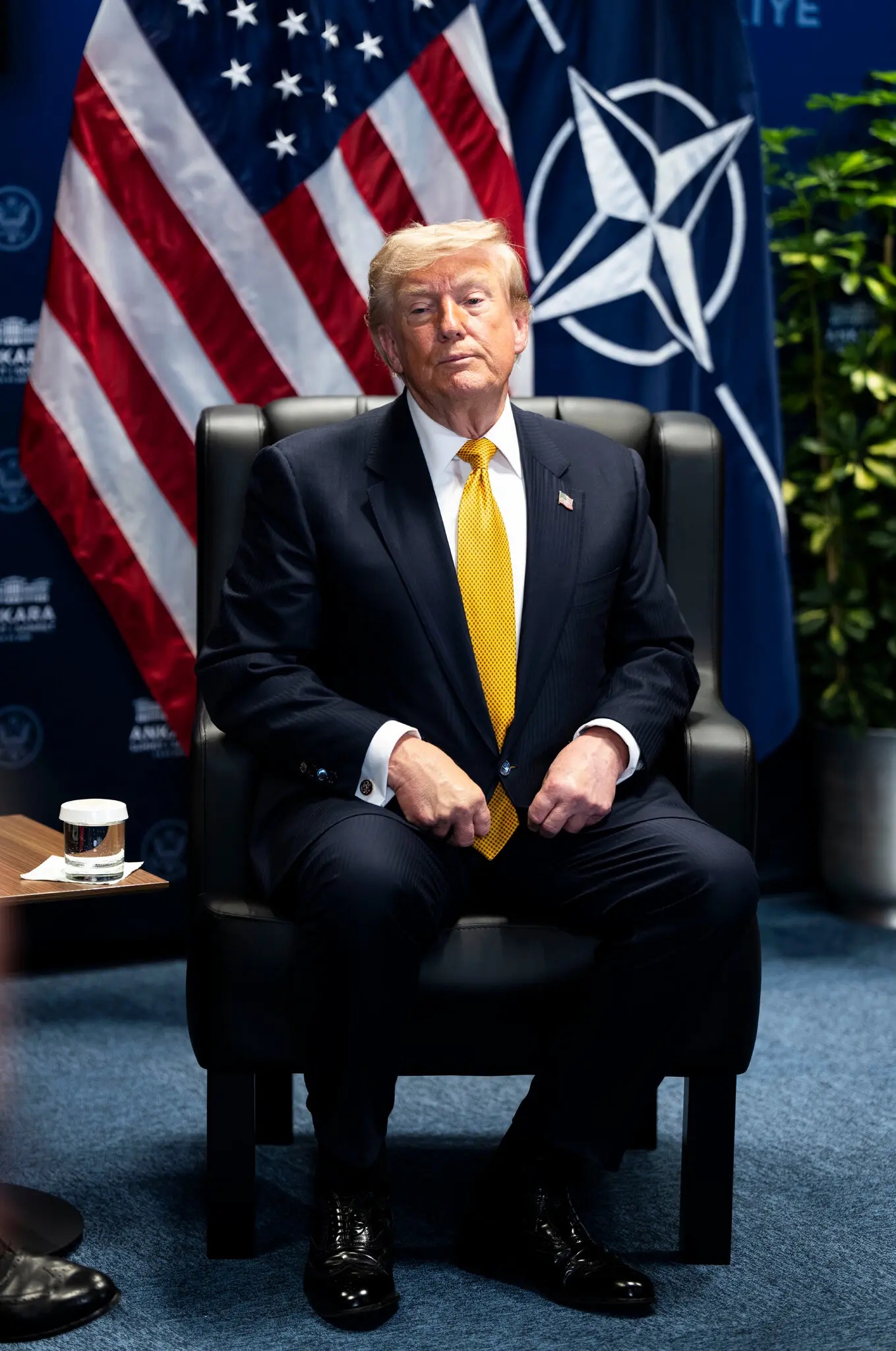
Washington raised the stakes in that register. Donald Trump threatened Iran with attacks on bridges and power plants if no agreement was reached by Tuesday night on reopening the Strait of Hormuz. In nearly the same breath, he described a new Iranian peace proposal as a significant step. This was not rhetorical confusion. It was pressure architecture: maximum menace paired with a narrow opening for a deal.
As Daycom noted in earlier analysis, the Strait of Hormuz has long ceased to be merely a maritime corridor. It is a geopolitical lever linking war, oil, insurance, freight, Gulf security and market psychology. Once the argument shifts from the battlefield to the terms of passage through Hormuz, the conflict is no longer about territory alone. It becomes a struggle over the rules that govern circulation itself.
Iran answered in a similarly dual register. It signaled that it was prepared to discuss an endgame, but not on terms that looked like capitulation disguised as compromise. Its insistence on safe shipping through Hormuz and relief from sanctions showed that Tehran was trying to recast the conversation. The objective was not simply to survive an ultimatum, but to convert military pressure into a broader negotiation over strategic constraints.
The strikes on Tehran gave that effort a harsher frame. Hitting a site associated with the country’s scientific and engineering establishment, while also killing a senior intelligence figure tied to the Revolutionary Guards, suggested an expanding target logic. This was not only about degrading launch capacity or command posts. It was about putting pressure on the intellectual, managerial and institutional scaffolding that sustains the state.
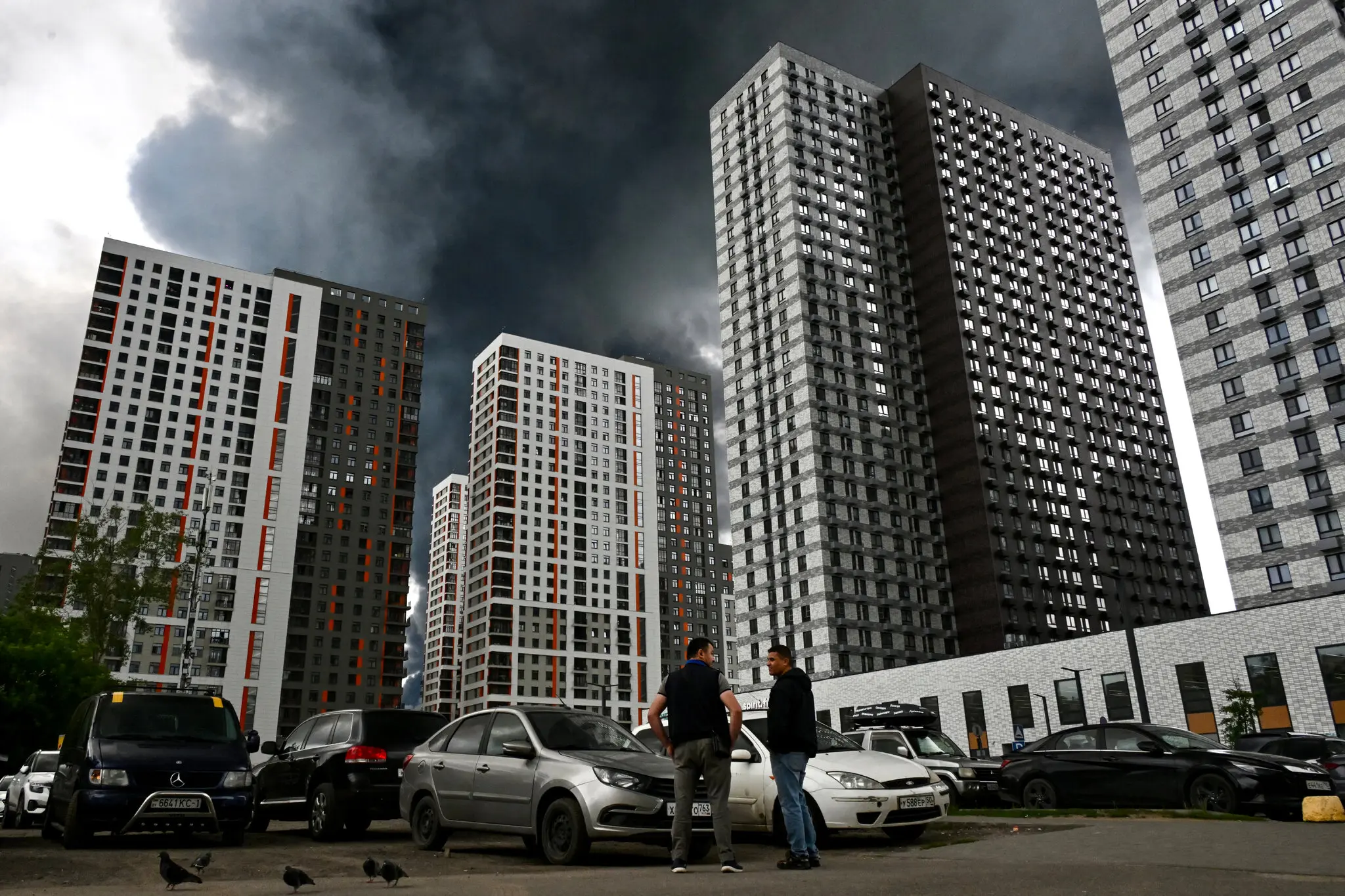
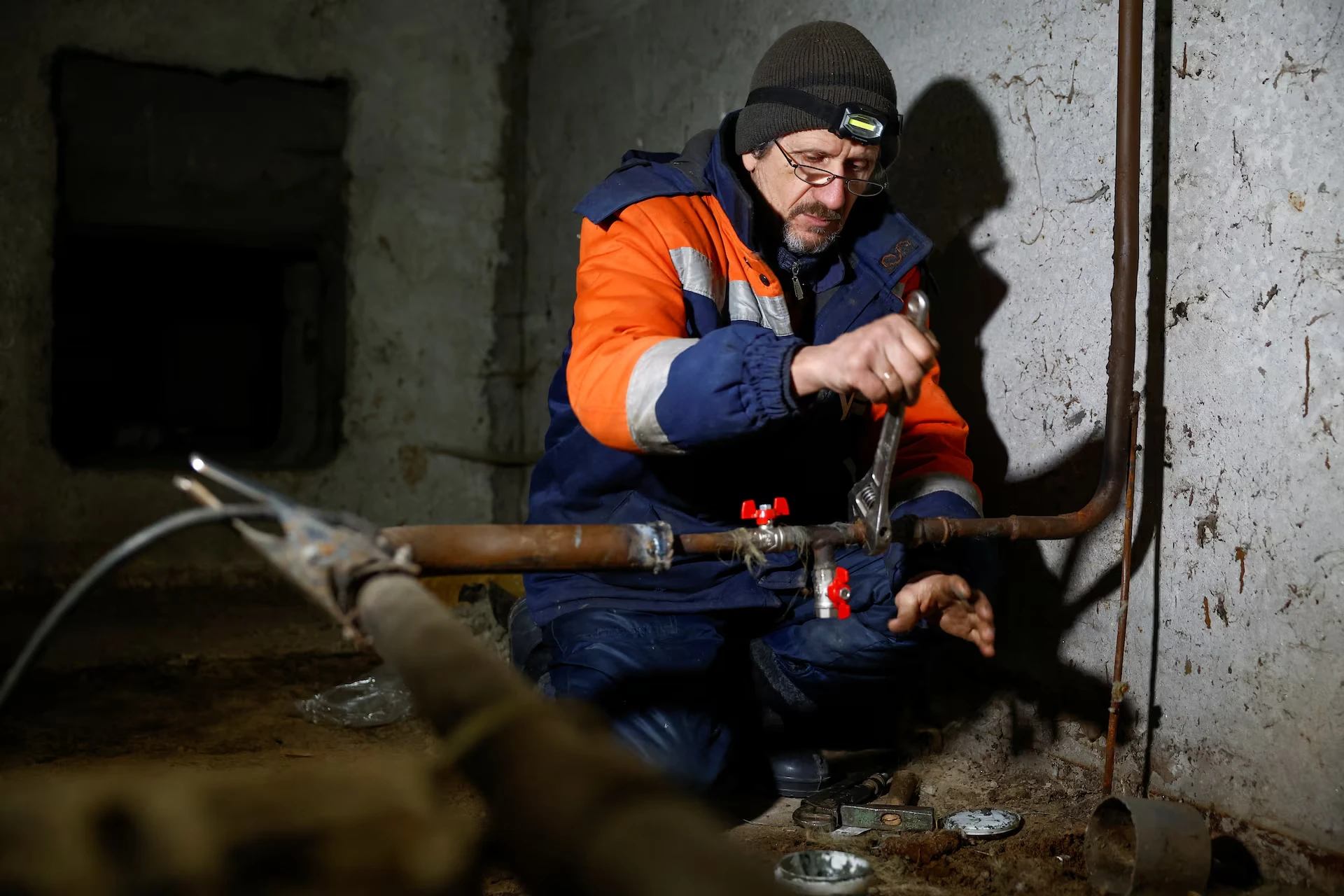
That matters because wars change character when they move from battlefield attrition to systemic erosion. Once infrastructure tied to urban life, energy distribution and administrative continuity comes into play, the conflict ceases to be a contained exchange of military signals. It becomes an attempt to wear down the opponent’s ability to remain coherent under stress. The aim shifts from tactical advantage to the weakening of national endurance.
Lebanon offered a parallel illustration. Israeli strikes on Beirut’s southern suburbs and on the country’s south, alongside new evacuation warnings and the toll from previous bombardment, made clear that the northern theater would not be left in suspended animation. In this framework, Lebanon is no longer a secondary front running beside the main war. It is part of a wider design of distributed pressure, meant to deny Iran and its allies any uncontested space for recalibration.
For Israel, Monday was also a day of consequences measured not in communiqués but in bodies and rubble. In Haifa, rescue workers recovered the dead after a missile strike. Such episodes matter beyond their immediate tragedy. They return war from the realm of command decisions to the terrain of daily life: sirens, wrecked buildings, exhausted emergency crews, and the slow psychological compression of a society living under repeated threat.
The geography of risk widened further into the Gulf. Incidents in Kuwait and missile and drone interceptions reported by the United Arab Emirates underscored a pattern that has been building for months: states that prefer distance from direct confrontation are being pulled ever deeper into its operational shadow. The broader the interception zone, the debris field and the climate of alert, the less viable regional neutrality becomes.
The American episode involving the F-15E shot down over Iran added another layer. The United States now appears not only as guarantor, supplier and political backstop, but as a direct actor exposed to the hazards of the battlefield itself — losses, rescue missions, escalation risks and the possibility of deeper entanglement. For the White House, that carries a dual value: it is both a military reality and a domestic display of resolve.
Oil markets reacted with telling restraint. Prices rose, but not in panic. That suggests traders are no longer pricing a sudden rupture alone. They are pricing a prolonged, uneven and partially managed confrontation — dangerous enough to sustain a risk premium, but not yet destructive enough to convince markets that physical energy flows are about to collapse outright. Even in escalation, the market is still searching for boundaries.
That may be the clearest meaning of Monday. The war has entered a phase in which diplomacy and escalation no longer take turns. Negotiations unfold under the threat of infrastructure destruction. Mediation advances in the shadow of missile strikes. Capitals across the region are becoming connected nodes in a single chain of coercion rather than separate arenas with separate clocks.
So the day should not be read simply as another chapter of combat. It should be read as a structural turning point. The conflict is no longer best understood as a set of parallel fronts. It is becoming a war of systems — over logistics, energy, political will, urban resilience and the capacity of states to preserve normality while pressure mounts from every direction. Those are the days that do more than intensify a war. They redefine the region it is being fought in.