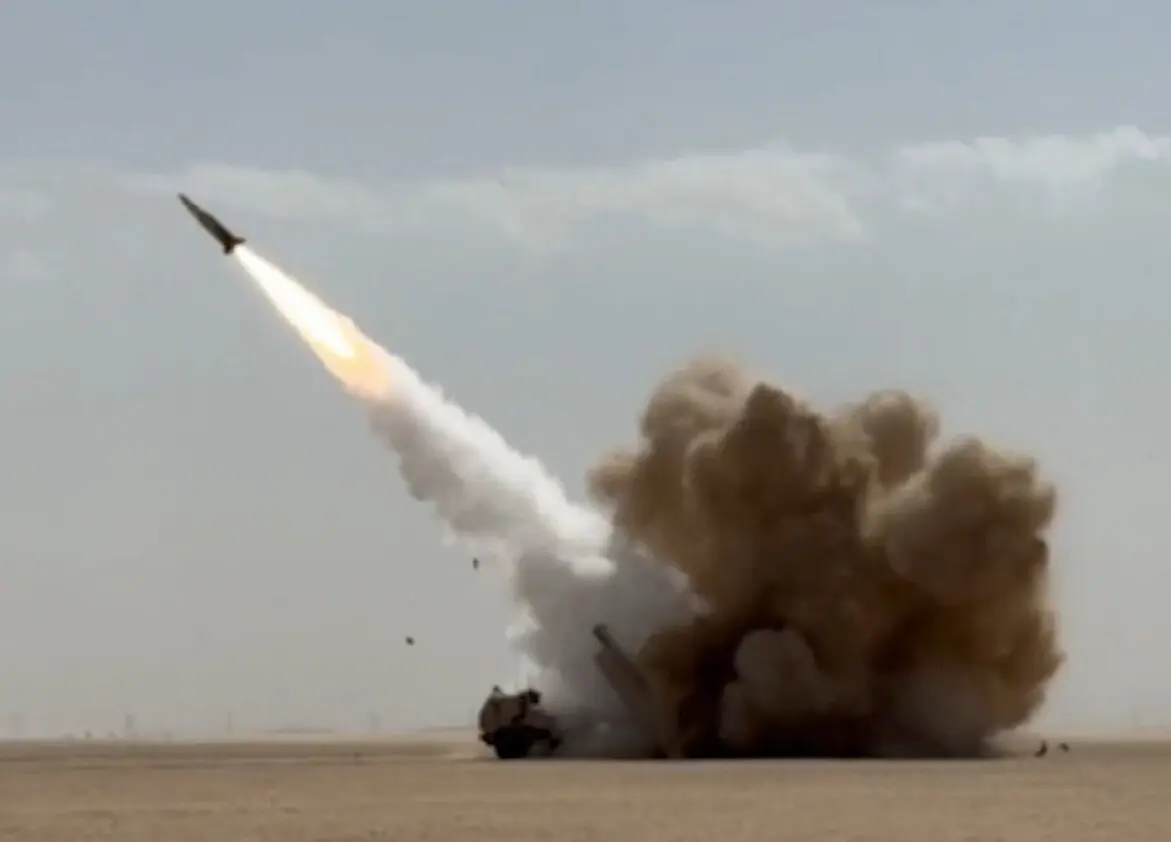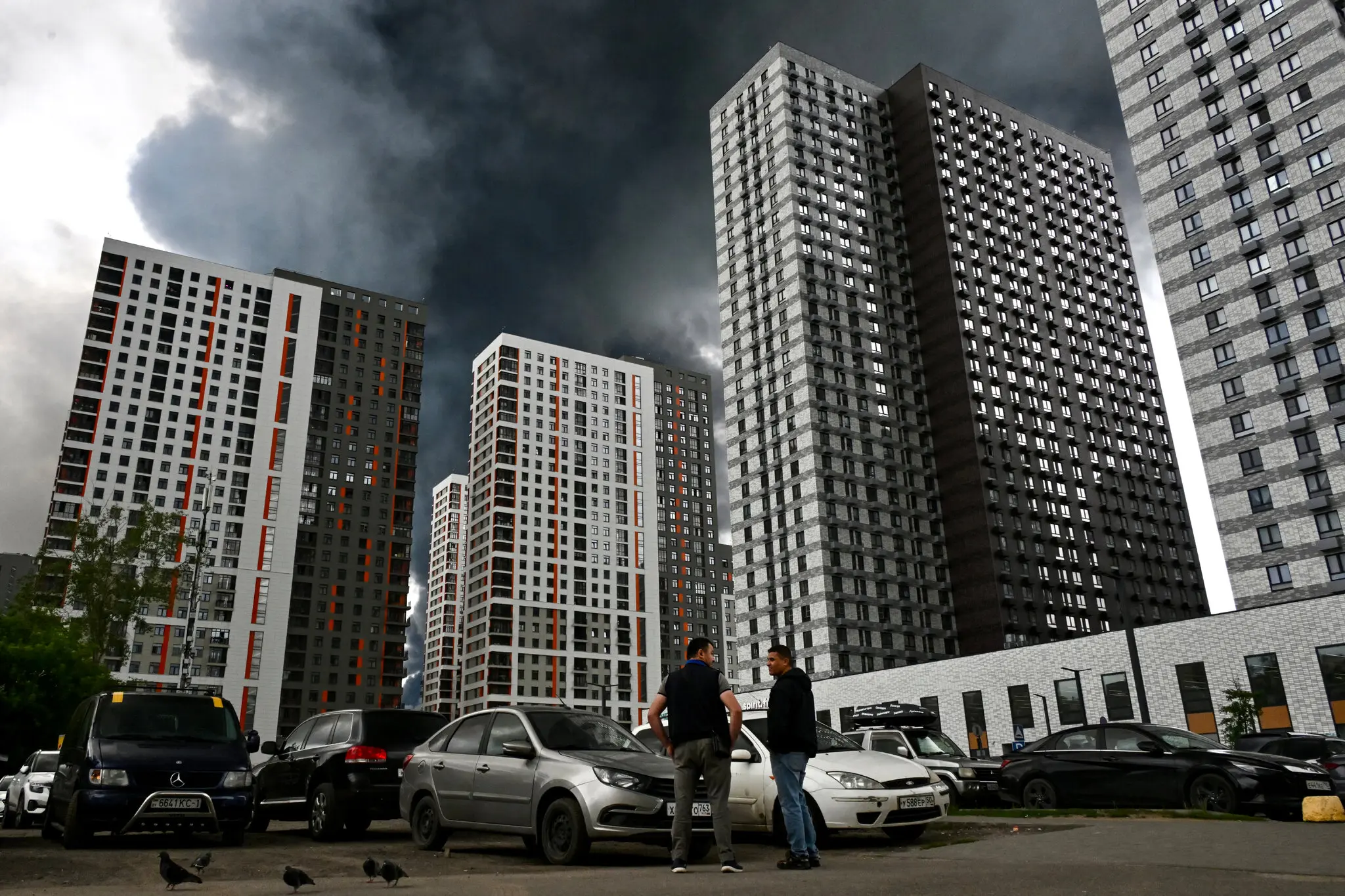























The strike on the B1 bridge near Tehran mattered for more than the blast itself, the rising plume of smoke, or the video that quickly became part of the day’s political theater. It revealed a deeper turn in the conflict: the battlefield is no longer confined to missile sites, drone depots, and command nodes.
What is now coming into view is a broader doctrine of coercion. Roads, power systems, transport links, and other pieces of national infrastructure are moving closer to the center of the target list. In modern war, that shift is never merely tactical. It changes the meaning of force itself.
Donald Trump made that shift unmistakable when he publicly hailed the destruction of the bridge and warned that “more” would follow. In that moment, the strike stopped being a discrete military episode and became part of a larger political script, one designed to fuse battlefield action with negotiation by intimidation.
As Deykom assesses it, the significance of this attack lies less in one damaged span than in the model of pressure now being displayed. Washington appears to be testing whether visible damage to infrastructure can serve three purposes at once: degrade Iranian capacity, heighten psychological strain, and accelerate diplomatic submission.
That is a dangerous experiment. Infrastructure has always occupied a gray zone in war because it often serves both civilian life and military logistics. A bridge may carry ordinary traffic on one day and support troop movement or supply transfer on another. But the broader that definition becomes, the easier it is to push war into the architecture of daily life.
The American rationale was direct: the bridge was described as part of a military supply route for Iran’s missile and drone forces. Tehran rejected that claim. The dispute is more than technical. It goes to the central question of this phase of the conflict: where does a lawful military objective end, and where does coercive destruction of civilian space begin?
That question matters because the answer shapes not only legality, but strategy. If an object is struck for a specific and immediate military advantage, the act remains within the narrow grammar of war. If it is struck to send a political message, to produce shock, or to force concessions through public fear, the logic changes. Force becomes theater.
Trump’s rhetoric makes that distinction harder to ignore. A bridge explosion accompanied by triumphant messaging is not received in the same way as a quiet operational statement. It suggests that destruction itself is being used as diplomatic language. The image becomes part of the pressure campaign, and the pressure campaign becomes inseparable from the image.
This is precisely where military logic and political temptation begin to collide. Infrastructure strikes offer a fast, highly visible result. They create the impression of momentum, control, and escalation dominance. They also travel well across television, social platforms, and partisan politics. For a White House seeking leverage, that can look like efficiency.
Yet efficiency in the news cycle is not the same as strategic clarity. Damage to bridges, power grids, and transport networks rarely remains confined to the armed forces of the targeted state. It spreads outward into commerce, emergency response, civilian mobility, and public confidence. It reaches far beyond the battlefield and into the social metabolism of the country itself.
That is why the legal standard is so exacting. Under the law of armed conflict, infrastructure can be targeted only when it makes an effective contribution to military action and when its destruction offers a concrete, direct military advantage. Even then, proportionality still governs the attack. Civilian harm cannot be excessive in relation to that anticipated gain.
Once leaders celebrate such strikes in openly coercive terms, the legal and political burden grows heavier. The more a government frames destruction as a tool to force a deal, the harder it becomes to preserve the argument that the operation was narrowly military rather than demonstratively punitive. Public language can erode the discipline that law requires.
The broader regional context makes the episode even more consequential. The war is already entwined with fears over energy flows, maritime security, and the vulnerability of the Strait of Hormuz. Any expansion of strikes against Iranian infrastructure raises the risk of retaliation that could ripple outward into oil markets, shipping routes, insurance costs, and global political nerves.
For Tehran, the bridge attack signals that the list of acceptable targets may be widening fast. For Washington, it offers the seductive proof that visible destruction can generate immediate leverage. But wars built around humiliation often misread the politics of the opponent. States under pressure do not always bend. They often harden.
That is the central gamble now taking shape. If the calculation in Washington is that damage to infrastructure will force Iran more quickly toward an agreement, then the United States is testing the outer limits of coercive diplomacy. If that calculation fails, the result will not be a shorter path to de-escalation, but a broader war with a larger civilian shadow.
The real meaning of the strike near Tehran lies not in concrete alone, and not even in logistics alone. It lies in a strategic wager: that a state’s resistance can be weakened by targeting not only its weapons, but the connective tissue that keeps the country functioning. If that wager proves wrong, the warning that “more” is coming may become less a threat than a definition of the war’s next phase.