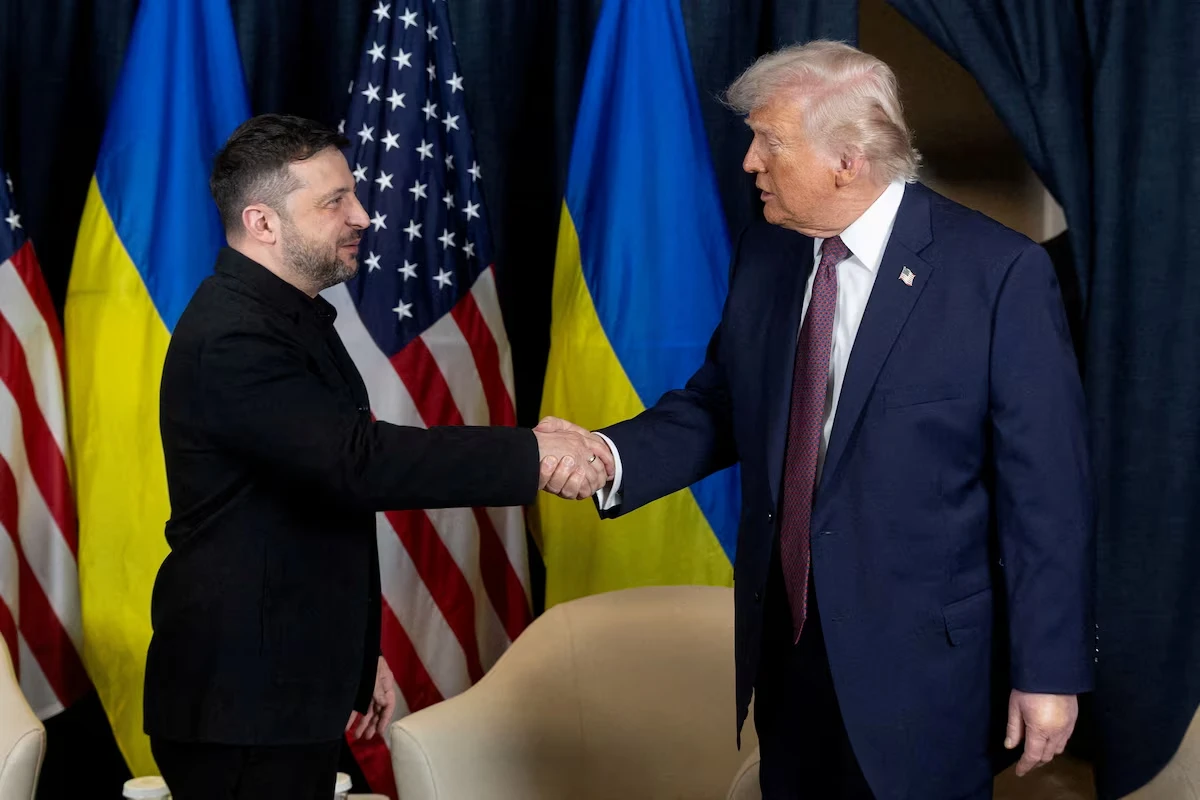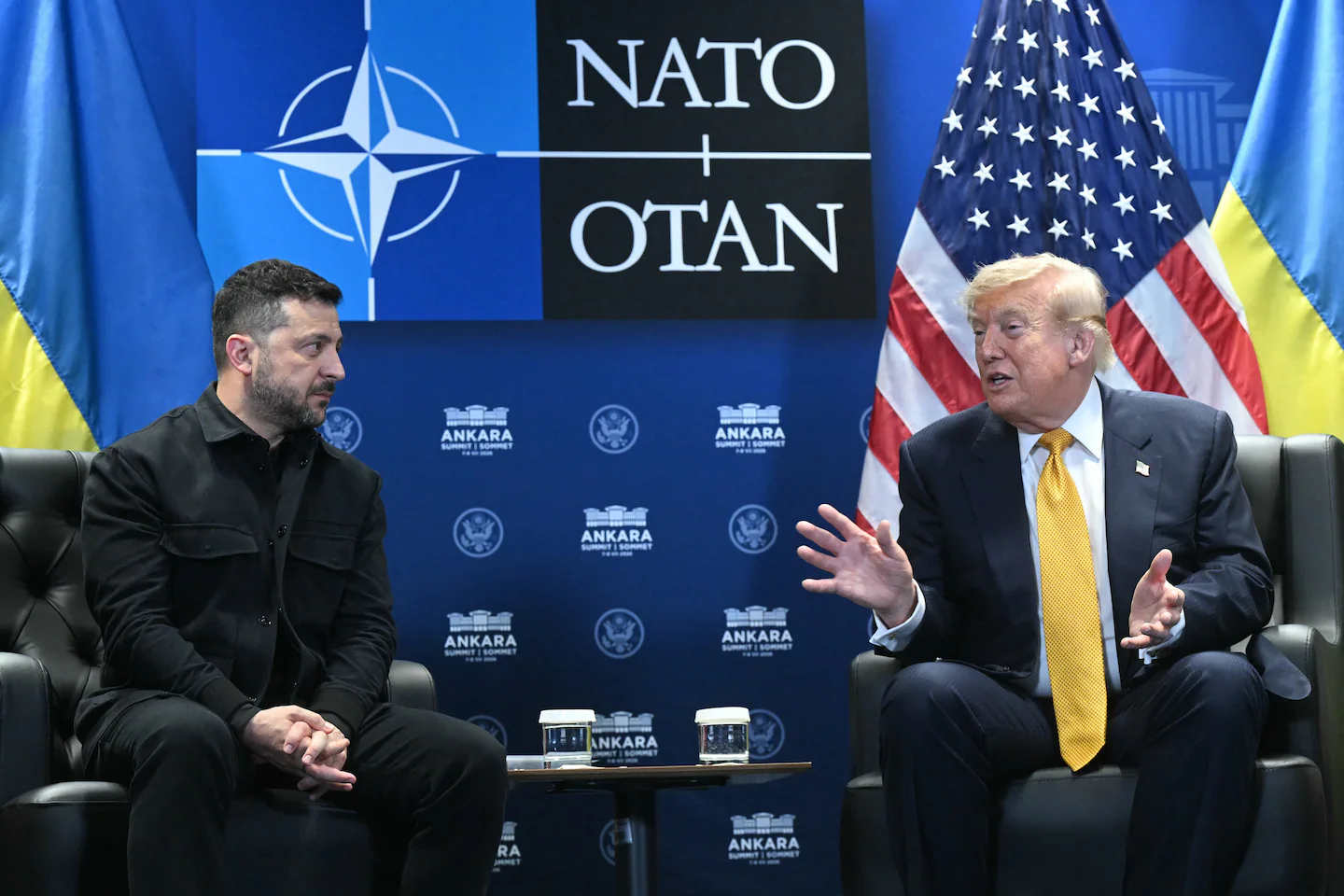

























In Ankara, Donald Trump did something few in Kyiv had recently expected from him: he publicly praised Volodymyr Zelensky, acknowledged the effectiveness of Ukraine’s war effort against Russia and promised access to the production of Patriot missiles. For Ukraine, this was not merely a diplomatic gesture. It was a possible shift in the logic of American support.
The contrast was striking. The same Trump who once called Zelensky ungrateful and accused him of risking a wider war now spoke of the Ukrainian president in almost admiring terms. He said Zelensky had done an “amazing job,” linking Ukraine’s performance in part to its use of advanced American equipment.
But the praise was not the main point. The real announcement was that the United States is prepared to grant Ukraine a license to manufacture Patriot missiles — the interceptors used to destroy Russian missiles and drones before they hit cities, power plants and civilian infrastructure. For Kyiv, this has long been one of the most important requests.
According to Daycom’s earlier analysis, Trump’s Ankara statement operates on two levels at once. Militarily, Ukraine may gain a path toward long-term replenishment of critically scarce interceptors. Politically, Washington is signaling that it is no longer trying to maintain perfect distance between Kyiv and Moscow.
For Ukraine, Patriot is not a prestige system. It is one of the few real shields against ballistic missiles. Those missiles fly fast, leave only minutes for response and are especially dangerous for major cities. Every shortage of interceptors immediately becomes a threat to Kyiv, Kharkiv, Dnipro, Odesa and the national energy grid.
Zelensky has long argued that as long as Patriot missiles remain in allied stockpiles, Russia is encouraged to keep striking residential buildings. Ukraine’s logic is blunt: every unused interceptor sitting safely in an allied warehouse could mean a destroyed apartment block, hospital or power substation in Ukraine.
Trump framed the decision in his usual transactional style — as a deal after which Kyiv would no longer be able to complain about insufficient deliveries. “Make them yourself” is a rough formula, but it contains an important strategic change. Ukraine is no longer being treated only as a recipient of aid. It is being offered a path toward producing part of its own protection.
Yet there is a long distance between a political phrase and the first Ukrainian-made Patriot interceptor. Such missiles cannot be assembled in a few weeks. They require technology, production lines, export permissions, protection of sensitive components, quality control and secure manufacturing sites. If production is placed inside Ukraine, it would immediately become a priority target for Russian strikes.
That is why the immediate effect will be limited. Kyiv needs interceptors not only in the future, but tonight. Russia continues to launch mass attacks combining drones, cruise missiles and ballistic missiles. The strike on Kyiv before the NATO summit, which killed at least 19 people, underlined that Ukraine’s air-defense shortage is not an abstract issue.
At the same time, Trump’s statement could alter the longer trajectory of the war. Russia’s strategy relies heavily on exhausting Ukrainian air defenses. Moscow launches cheaper drones to force Ukraine to spend expensive missiles, then uses ballistic strikes against areas where protection has been weakened. Stable production of interceptors could undermine that calculation.
Another important shift was Trump’s attitude toward Ukrainian strikes deep inside Russia. Washington has often been cautious about actions that could be seen as escalation. This time, Trump acknowledged that Ukraine’s long-range attacks on Russian refineries, logistics and military targets may not only raise pressure, but also help bring the war closer to an end.
That is almost exactly the position Kyiv and several European capitals have defended for years. Ukraine cannot only defend itself under constant attack. To force Russia to negotiate seriously, the cost of war for the Kremlin must rise — at the front, in rear logistics, in energy infrastructure and in the military-industrial system.
For Moscow, the signal is painful. The Kremlin expected Trump to seek a quick deal and keep some distance from Ukrainian demands. Instead, the American president publicly strengthened Zelensky, promised Patriot production and effectively recognized that Ukrainian strikes inside Russia can have coercive political value.
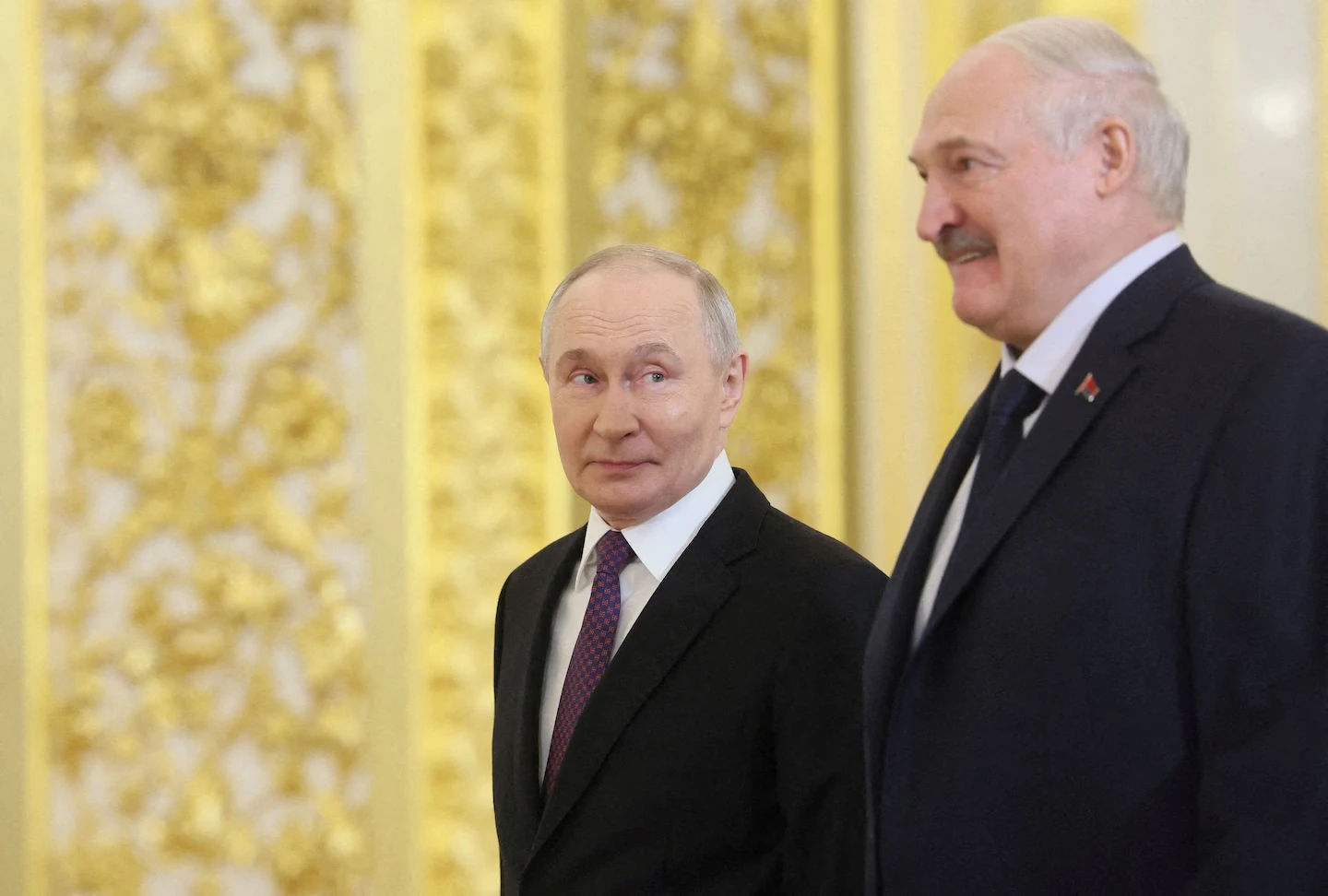
Of course, Trump remains unpredictable. He spoke with Vladimir Putin by phone before the summit and intended to speak with him again. His desire to present himself as the central mediator has not disappeared. But the Ankara episode showed that even within that role, he may decide that a stronger Ukraine gives him more leverage over Moscow.
This also helps explain the change in tone. Trump likes to be on the side of a winner, or at least on the side that looks capable of winning. In recent months, Ukraine has shown not only that it can hold the front, but that it can also strike painful targets deep inside Russia. For Trump, that may be an argument: Kyiv is not losing, so investing in it does not look futile.
For Zelensky, the Ankara meeting became a rare moment of political advantage. He did not appear as a supplicant, but as the leader of a country that knows what to do with support. His joke that traveling to Moscow would be dangerous because of Ukrainian drones was not merely a comic reflex. It was a display of Kyiv’s new confidence.
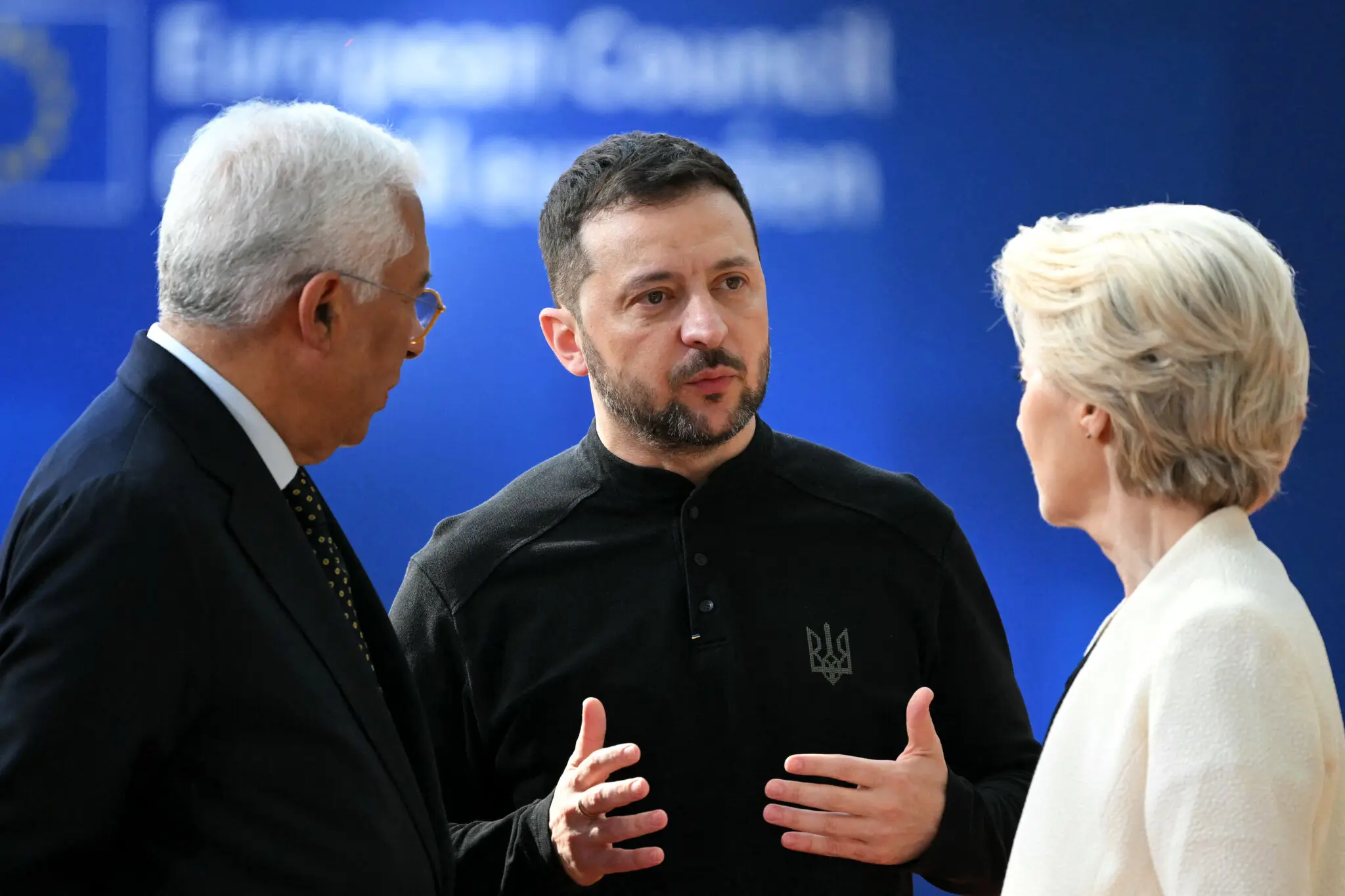
European allies read the change in the American tone as an important opening. For them, it is crucial that Washington does not return to a policy of equal distance between aggressor and victim. If the United States recognizes that Ukraine has a chance and Russia is weakening, that could create room for tougher pressure on Putin.
Still, the real test will not be rhetorical. It will come in contracts, licensing terms, production schedules, component deliveries and immediate decisions to transfer some interceptors from U.S. stockpiles. Trump acknowledged that American reserves are limited and that some missiles have already been used in other conflicts. That means political will must quickly become industrial mobilization.
Ukraine cannot afford to wait for years. If the Patriot license becomes only a striking summit phrase, it will not save a single house from the next Russian missile. If it is combined with urgent deliveries, European production and protected industrial chains, Ankara could become a turning point in the battle for Ukraine’s sky.
Trump’s announcement matters because it moves the discussion from “how much more will be given” to “what Ukraine will be able to produce itself.” In a war of attrition, that distinction is fundamental. Aid can depend on mood, elections and crises elsewhere in the world. Production capacity creates a different quality of security.
The question now is whether this promise can survive reality. Russia will try to intimidate. Bureaucracy will try to slow it down. American politics may shift its emphasis again. But if Ukraine truly receives the right and the ability to produce Patriot interceptors, it will be one of the most serious blows to Russia’s strategy of missile exhaustion.
The Ankara meeting did not end the war and did not close Ukraine’s sky. But it showed that even an unpredictable Trump can see a strong Ukraine not as a burden, but as an instrument for forcing Russia into a new reality. For Kyiv, this is an opening that must be turned quickly into factories, missiles and protected cities. In this war, the most important promises are measured not by applause, but by intercepted missiles.