





















Russia has found the point in Ukraine’s defense where the West’s technological advantage runs into the arithmetic of production. Ballistic missiles fly faster than drones and cruise missiles, leave less time for decisions and require the most difficult kind of interception. This is where Ukraine is increasingly short of Patriot missiles.
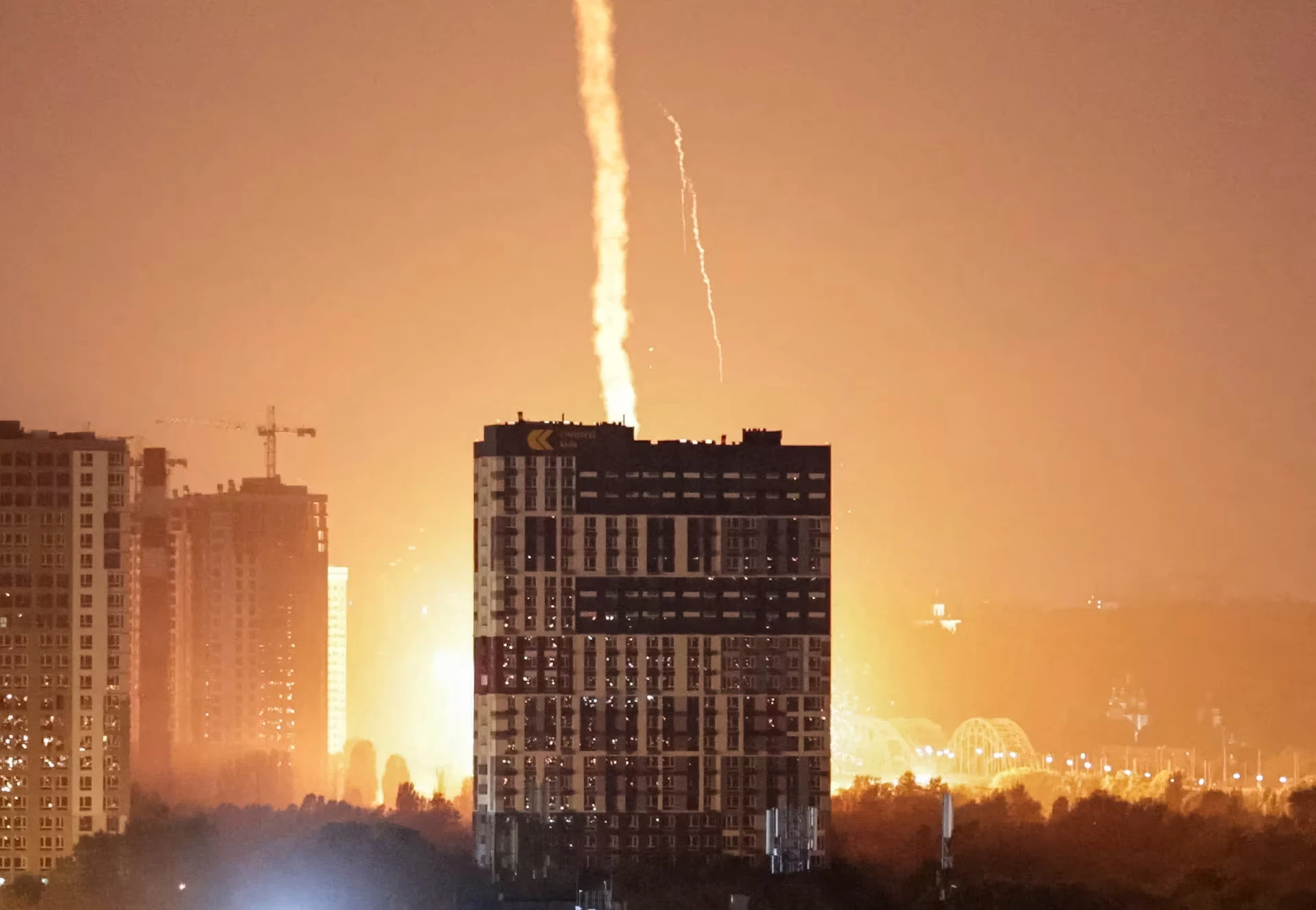
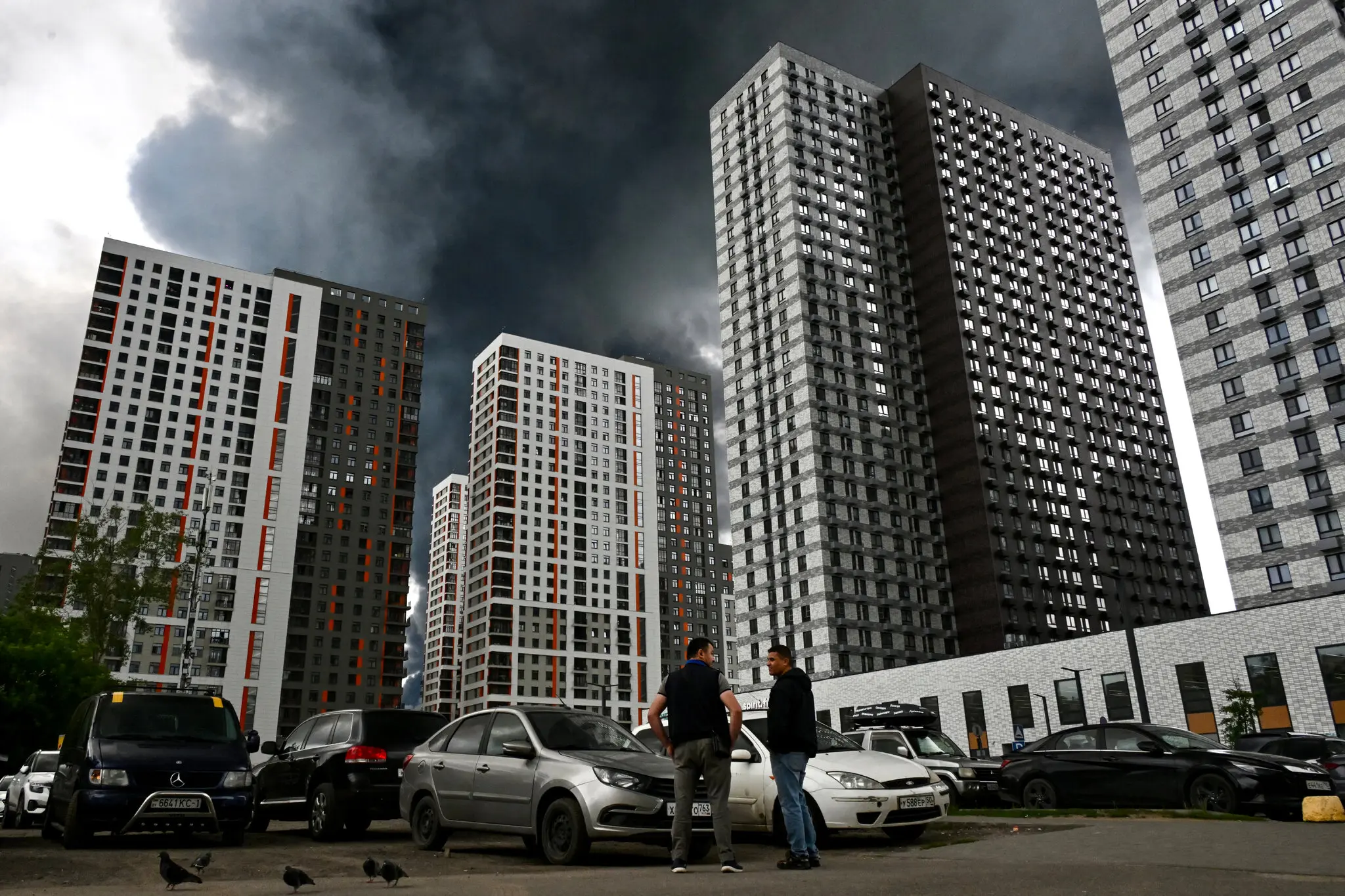
Recent weeks have shown a new intensity in Russian strikes. Large-scale attacks can include hundreds of drones and dozens of missiles, forcing air-defense crews to work for hours without proper sleep, food or pauses. On their radar screens, they see not a single threat but an entire wave, where every mistake can cost civilian lives.
The hardest decision is what to shoot down when there are fewer interceptors than targets. Ukraine’s air defense no longer operates in the logic of absolute protection. It operates in the logic of priorities: the capital, energy infrastructure, industrial hubs, military sites and residential districts. But a ballistic missile compresses that choice into minutes.
According to Daycom’s assessment, the current crisis around Patriot is not merely a supply problem. It exposes a fundamental gap between the pace of Russian missile production, the size of Ukraine’s territory and the limited ability of allied defense industries to rapidly produce the most sophisticated interceptors.
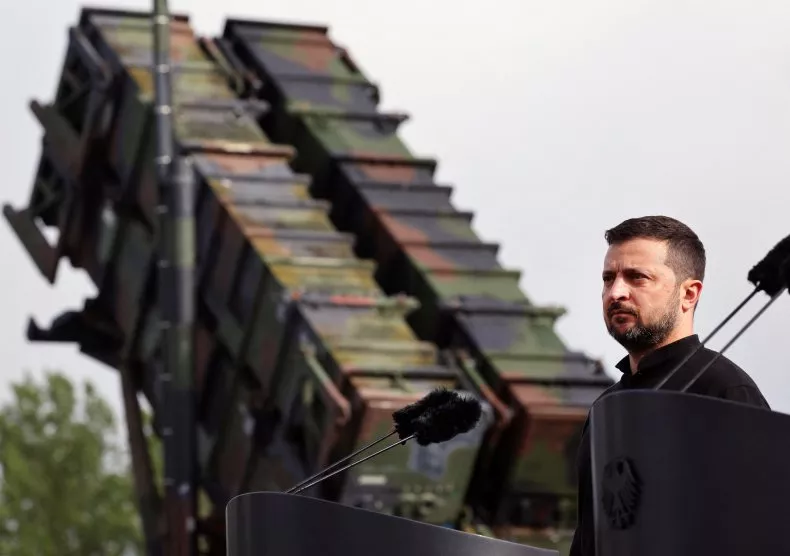
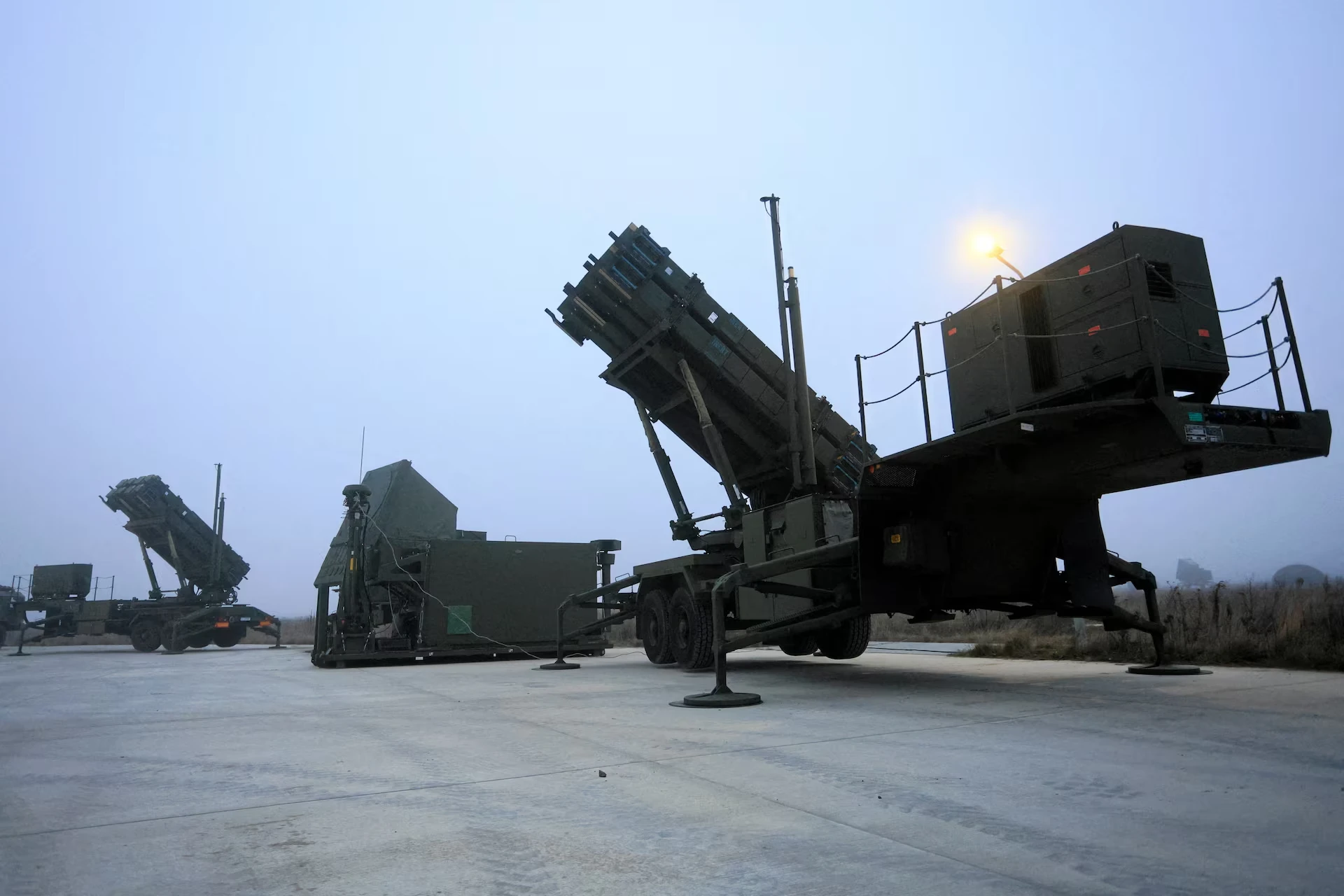
Patriot is not a single launcher but a system: radar, command post, launchers and interceptor missiles. The interceptors are the expendable element, like ammunition for a gun. Once they run out in the launcher, even the best radar can only show the threat. It cannot stop it.
The most valuable missiles are PAC-3 interceptors, designed to hit ballistic targets at extreme speed. Their task is almost counterintuitive: to meet in the sky an object falling from great height at meteor-like velocity. The combined speed of the incoming missile and interceptor can reach thousands of kilometers per hour.
That is why Patriot cannot be quickly replaced by a cheaper solution. Ukraine has managed to build a powerful domestic drone industry because many of its components rely on commercial technologies, short production cycles and rapid battlefield adaptation. Anti-ballistic defense is different. It requires years of testing, complex electronics, precise guidance and reliability in real combat.
Russia, by contrast, is expanding the type of strike that is hardest to counter. In 2023 it used dozens of ballistic missiles; by 2025, it was using hundreds. The current pace suggests that Moscow is trying to turn ballistic attacks into a regular instrument of attrition rather than an exceptional tool for isolated strikes.
There is a military logic to this shift. Drones overload the system, cruise missiles stretch air defenses, and ballistic missiles deliver the shortest, hardest blow. When all of this arrives at once, commanders must distribute scarce interceptors among threats with different speeds, trajectories and consequences.
Ukrainian Air Force spokesman Yurii Ihnat compared air defense to a goalkeeper facing 10 balls at once. He can stop only as many as his hands and feet allow. For Ukraine, that metaphor is no longer rhetoric but daily combat mathematics: even a strong system cannot intercept more targets than it has ready missiles in its launchers.
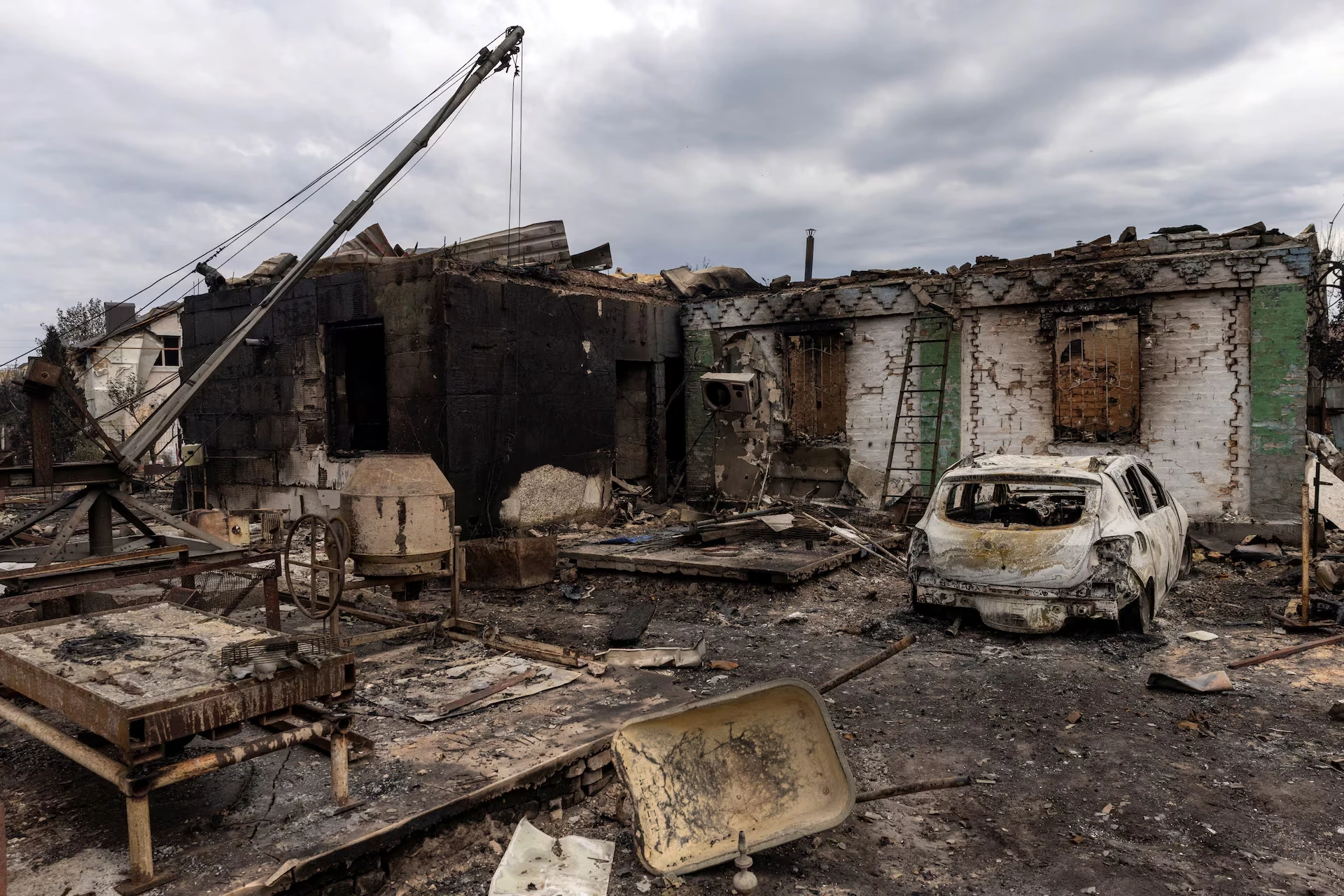
The consequences of that arithmetic are visible in cities. In May, a strike on a residential building in Kyiv killed 24 people. For a capital where Patriot had long created a sense of relative protection, it was a painful reminder that even the best system cannot guarantee safety if its ammunition does not match the scale of the attack.
Ukraine’s air-defense network is not built on Patriot alone. It includes antiaircraft guns, fighter jets, helicopters, interceptor drones and systems supplied by European partners. They are important against drones, cruise missiles and some aerial targets. But against ballistic missiles, Patriot with PAC-3 remains the central tool.
Geography deepens the problem. Ukraine is a large country, and a battery in one region cannot cover the entire territory. A system deployed in the west cannot protect the eastern front, while a battery near a major city cannot simultaneously shield an industrial center, a port, an energy node and a military facility hundreds of kilometers away.
There is also the threat of Russia hunting the systems themselves. Moscow seeks to detect radars, launchers, interceptor warehouses and trained crews. Ukraine therefore cannot store all missiles in one location or keep them too close together. Supplies must be dispersed, which makes it even harder to quickly reload a specific battery during a mass attack.
Former air-defense officer Valerii Romanenko described the worst scenario in stark terms: a unit sees incoming missiles, but its launchers are already empty. At that moment, technological superiority becomes a hollow shell. The system sees the war but has nothing left with which to answer.
Global industry is also struggling to keep up with the tempo of modern conflicts. Patriot and PAC-3 interceptors are expensive, slow to produce and dependent on complex supply chains. Last year, Lockheed Martin delivered hundreds of such interceptors to customers worldwide, while Ukraine alone is facing hundreds of Russian ballistic launches.
Demand has risen not only because of the war in Ukraine. The conflict with Iran and tensions in the Persian Gulf have created an additional queue for the same missiles. Ukrainian officers have watched with bitterness as expensive Patriot interceptors are sometimes used elsewhere against cheap, slow drones, while for Kyiv each missile can mean a saved residential block.
Western allies have spent years transferring missiles to Ukraine from their limited stockpiles. But that resource is not endless. When arsenals run low, political will no longer automatically becomes deliveries. Production lines, contracts, motors, electronics, work shifts, new factory capacity and time are needed — and Ukrainian cities do not have time.
Defense companies are trying to accelerate production. New capacity is being added in Europe, American contractors are increasing component output, and partners are searching for cheaper interceptors against short-range ballistic missiles. But even the fastest industrial decision cannot change the situation instantly. The air-defense market was built for a different intensity of war.
That is one of the central errors of the prewar era. Western armies possessed high-tech weapons, but they were not prepared for their mass expenditure in a long war against a major power. Ukraine has become the place where this weakness is most visible: the best system must not only exist; it must be produced in quantities sufficient for months and years of combat.
The search for alternatives has already begun. Israel uses its own systems against ballistic threats, Ukraine is testing new solutions, and the United States is looking for lower-cost ways to intercept short-range ballistic missiles. But no new system becomes fully viable in a few months. It must pass trials, integration, combat testing and industrial scaling.
For Ukraine, this creates a dangerous interval. Russia is already increasing the number of strikes, while allied industry is still building its answer. In this interval, every Patriot battery, every PAC-3 interceptor, every trained crew and every logistics shipment becomes part not of local defense, but of the state’s overall resilience.
Russia’s strategy is clear: overload air defenses, force Ukraine to spend scarce missiles, strike cities, energy infrastructure and public morale. This is not only a military attack but a political one. Moscow wants Ukrainians to see that even Western systems cannot guarantee protection when there are too few of them.
The answer to this strategy cannot be Ukrainian alone. If defense against ballistic missiles remains the narrowest point of European security, interceptor production must become not a supporting contract but a strategic allied program. Otherwise, every new Russian wave will again force Ukrainian crews into a choice no defense system should have to make: whom they can still save in time.