





















At first glance, 14.6 billion cubic meters looks like a technical target. In reality, it is a security doctrine expressed in energy terms. Ukraine is no longer planning for winter as a normal balancing exercise between production, imports and seasonal demand. It is planning for a cold season that may again unfold under missile pressure, market volatility and constant operational uncertainty.
That is why the new storage goal matters. It signals that the government wants to enter next winter with more than a survival reserve. It wants a cushion large enough to absorb shocks: a colder-than-expected season, fresh damage to infrastructure, delays in imports or a sudden jump in European gas prices. In wartime, the difference between adequacy and resilience is no longer abstract. It is measurable in stored fuel.
The lower threshold has also been defined with unusual clarity: 13.2 bcm as the critically necessary minimum. The gap between that floor and the 14.6 bcm base-case target may seem modest, but it captures the real lesson of the past two years. Gas is no longer simply a seasonal commodity. It has become a strategic buffer for the entire energy system.
According to Daycom’s earlier assessment, the new target is not a sign of excessive caution. It is a revised standard of endurance for a country that has learned to prepare for winter under fire. After repeated attacks on energy infrastructure, minimal sufficiency is no longer enough. What matters now is reducing dependence on emergency decisions at the worst possible moment.
This is what distinguishes the current planning cycle from the prewar model. The question is no longer only how much gas should be injected into storage by autumn. It is also when the gas should be bought, at what price, through which routes, and how quickly the system can compensate if domestic production or transport capacity comes under renewed attack. A winter reserve now has to do more than cover consumption. It has to buy time.
And time, in the Ukrainian energy system, has become a strategic asset in its own right. If storage is built only to the minimum, any disruption can trigger an expensive chain reaction: urgent imports at unfavorable prices, manual redistribution of supply, pressure on public finances and a rise in anxiety across the market. A larger reserve does not eliminate risk, but it slows the speed at which risk becomes crisis.
There is a paradox in the current moment. Ukraine is discussing larger reserves just as gas imports have eased from the higher levels seen after attacks on domestic production intensified. That does not mean imports are no longer necessary. It means the state is trying to avoid buying at the wrong moment. If European prices are too high, every extra purchase carries a budget penalty. But delaying too long narrows the margin for maneuver. Strategy now depends not only on access to gas, but on timing.
This is why logistics matter almost as much as volumes. The effort to secure import capacity and preserve the functionality of the Vertical Gas Corridor reflects a deeper shift in thinking. In peacetime, routing decisions are commercial. In wartime, they become structural. The more viable pathways Ukraine has for bringing gas into the country, the less vulnerable it is to a disruption along any single route, border point or regional bottleneck.
The southern direction is especially important because it broadens access to liquefied natural gas moving through the infrastructure of Greece and neighboring states. That is not just a question of diversification in the conventional sense. It is a question of redundancy. Under conditions of war, resilience depends on whether the system can be reconfigured quickly when part of its normal architecture is damaged or constrained.
This calculation is becoming sharper against a changing European backdrop. The continent’s gas market is still being remade by the long unwinding of Russian supply. That means competition for alternative volumes, import infrastructure and transport capacity will remain intense. Ukraine is not preparing in a vacuum. It is preparing inside a wider market where access, price and timing are increasingly interconnected, and where hesitation can become expensive very quickly.
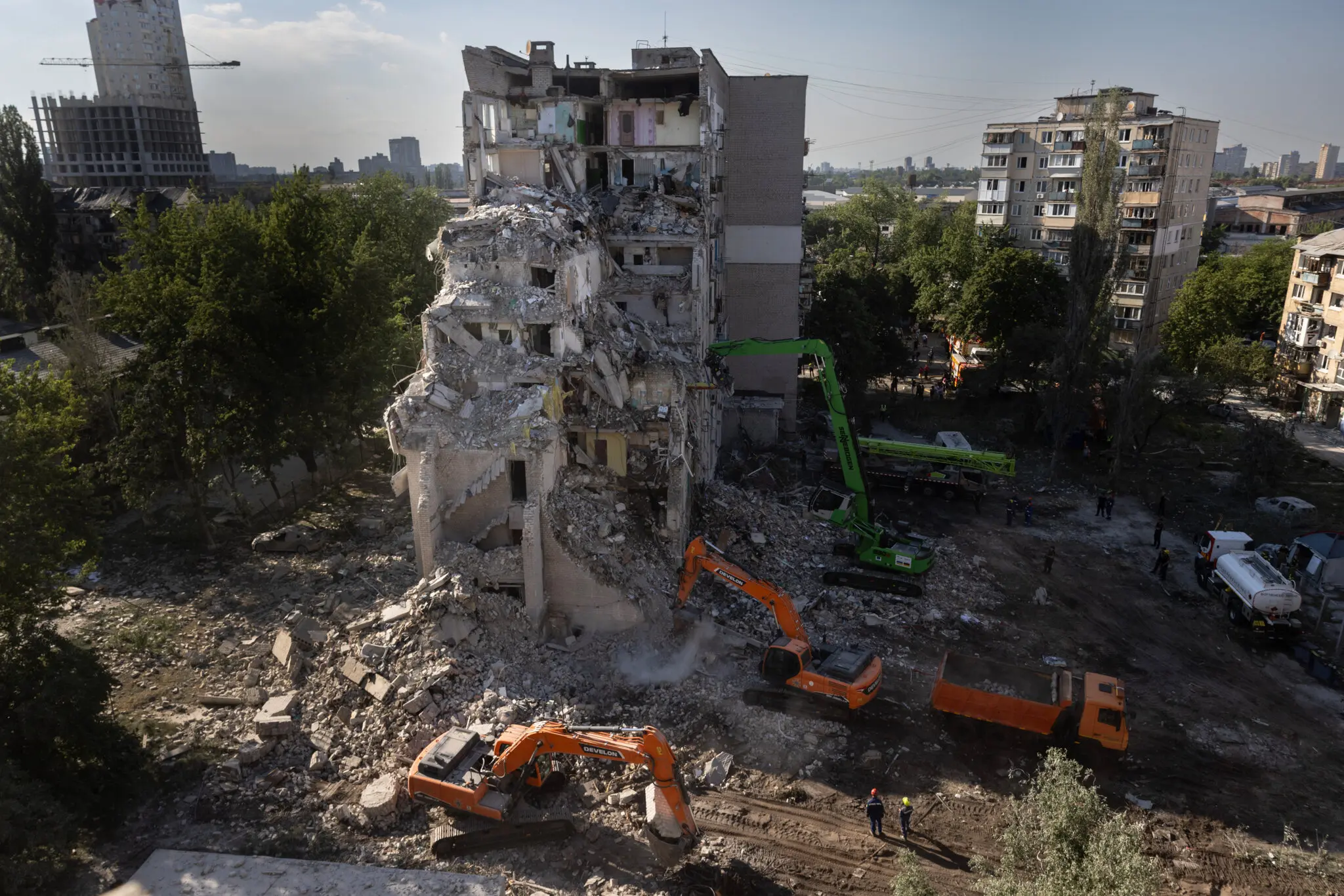
Yet the decisive variable remains domestic vulnerability. Russian strikes on gas infrastructure have altered the very logic of Ukrainian energy planning. Storage is no longer there only to bridge winter demand. It must also compensate for the risk that part of domestic output could be lost, disrupted or delayed. Underground storage facilities are becoming less like warehouses and more like shock absorbers for a system that must function under persistent threat.
That is why the 14.6 bcm target should not be read as optimism. It is not a promise of comfort and not a sign that the hardest problems have been solved. It is a sober recognition that the next heating season may again be shaped by the same cluster of pressures: attacks on production, fragile infrastructure, uncertain import windows, volatile European prices and tight fiscal trade-offs at home.
In that environment, even a relatively small difference in stored volumes takes on a different meaning. It can represent extra weeks of stability, calmer procurement, a lower chance of panic buying and greater freedom to respond without improvisation. What once looked like a technical margin now functions as strategic depth.
So this is not merely a story about gas. It is a story about how a country at war has learned to think one season ahead, to build reserves above the bare minimum and to connect energy planning with security, logistics and financial discipline in a single framework. Ukraine’s next winter will not be secured by the neatness of its balance sheet. It will be secured by whether it can accumulate enough fuel, protect enough infrastructure and preserve enough flexibility before the cold returns.
That is the real meaning of 14.6 bcm. It is not a luxury reserve. It is the price of realism for a country where winter has long ceased to be only a matter of weather.