


















Iran’s suspension of direct contact with the United States was not a sudden emotional gesture. It was the logical outcome of a negotiation framework that had been shrinking by the hour. Once diplomacy is tied to a hard deadline and backed by threats against bridges, power plants and the basic systems of civilian life, the room for compromise becomes almost theatrical.
In crises like this, the form of pressure matters as much as the pressure itself. There is a profound difference between coercion designed to push an adversary toward talks and rhetoric that reduces the choice to immediate submission or the prospect of national devastation. Once that line is crossed, a deal stops looking like an exit. It starts looking like capitulation under humiliation.
That is why this episode should not be read as a routine breakdown in negotiations. It marks the point at which escalation no longer nudges the other side toward agreement, but begins to destroy the internal conditions that make agreement politically sellable. In Iran, any serious compromise already requires justification. After threats aimed at infrastructure and language invoking the death of an entire civilization, that justification becomes dramatically harder.
As Daycom noted in earlier analysis, authoritarian systems are often most resilient not when they are strongest, but when outside pressure can be recoded as national humiliation. That is the paradox of the current moment. The harsher Washington’s language becomes, the easier it is for Iran’s hard-line factions to argue that this is no longer a dispute over shipping lanes, sanctions or cease-fire terms, but a struggle over the country’s survival and dignity.
That shift matters enormously inside Tehran. Even if parts of the political establishment had been willing to explore a narrow path toward de-escalation, those voices inevitably weaken once external threats move beyond military targets and begin touching the ordinary architecture of life. A politician who argues for compromise under such conditions risks looking less like a pragmatist than like someone bowing under duress.
This is how hard-line politics consolidates itself. In a system built on the psychology of siege, radical rhetoric from abroad does not usually fracture the security state. It validates it. The more sweeping the ultimatum, the more persuasive the argument that the United States is not seeking a workable settlement, but a more efficient form of pressure. Under those conditions, even a temporary truce begins to look suspect.
That dynamic is now reshaping the structure of negotiations themselves. Only recently, the dispute could still be framed around cease-fire timelines, navigation through the Strait of Hormuz, sanctions relief, regional security and the mechanics of mediation. Now the central question is far more basic: can meaningful diplomacy survive once one side begins speaking of the other not simply as an adversary, but as a civilization that may legitimately be broken.
That rhetorical shift also damages the international legitimacy of American pressure. Threats directed at civilian infrastructure do not read merely as muscular bargaining. They blur the line between military coercion and the logic of collective punishment. For Washington’s allies, this creates its own strategic discomfort. It becomes harder to support a pressure campaign once it appears to be loosening the legal and moral restraints that are supposed to govern war.
The Strait of Hormuz remains the core of the crisis, of course. Too much oil, gas, shipping and strategic calculation passes through it for the world to treat a prolonged closure as a regional inconvenience. But that is precisely what makes the present moment more dangerous. The higher the global cost of disruption, the greater the temptation to force a rapid outcome. And the more that urgency overrides political realism, the easier it is to turn pressure into strategic error.
Regimes like Iran’s rarely break under threats that can be folded into an existing narrative of resistance. More often, they recover coherence from them. External maximalism restores the language of sacrifice, national pride and historical memory. Even domestic critics of the regime can find themselves cornered into a choice not between the state and an alternative, but between the state and foreign coercion. That is usually a choice the ruling system knows how to survive.
In that sense, the collapse of direct contact is not an accidental reaction to one inflammatory statement. It is the structural consequence of a strategy that bundles together deadlines, infrastructure threats, military escalation and public rhetoric of annihilation. Such a strategy can generate headlines, unsettle markets and create the appearance of unstoppable momentum. It cannot guarantee that the other side will interpret the situation as an invitation to compromise.
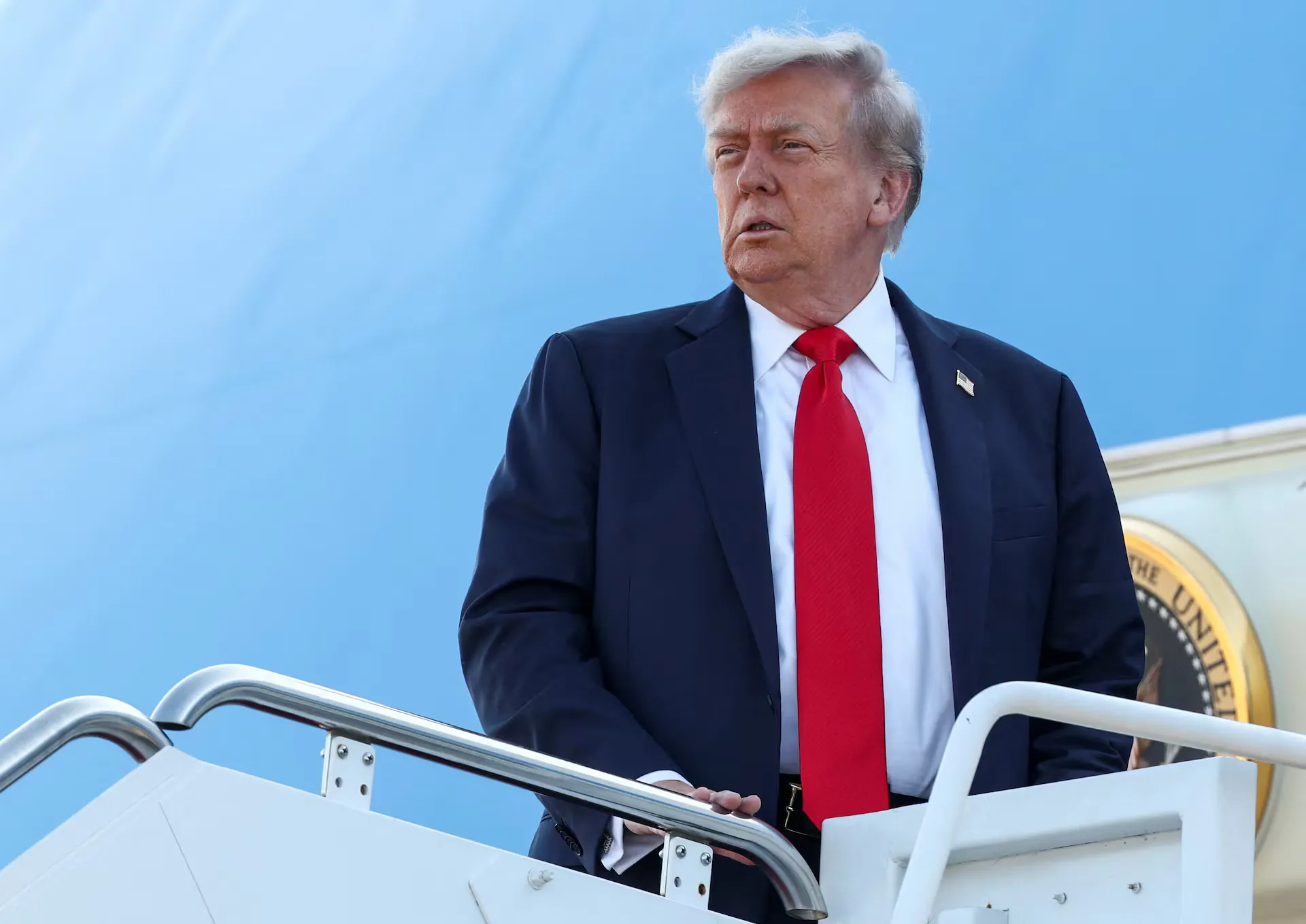
Trump appears to believe that the outer edge of threat accelerates decision-making. In practice, it does the opposite. It reduces the number of people inside Tehran who can argue for a deal and expands the authority of those who have long insisted that the language of compromise with Washington is a trap. In the short term, that rhetoric produces drama. Over time, it hardens the war it claims to end.