























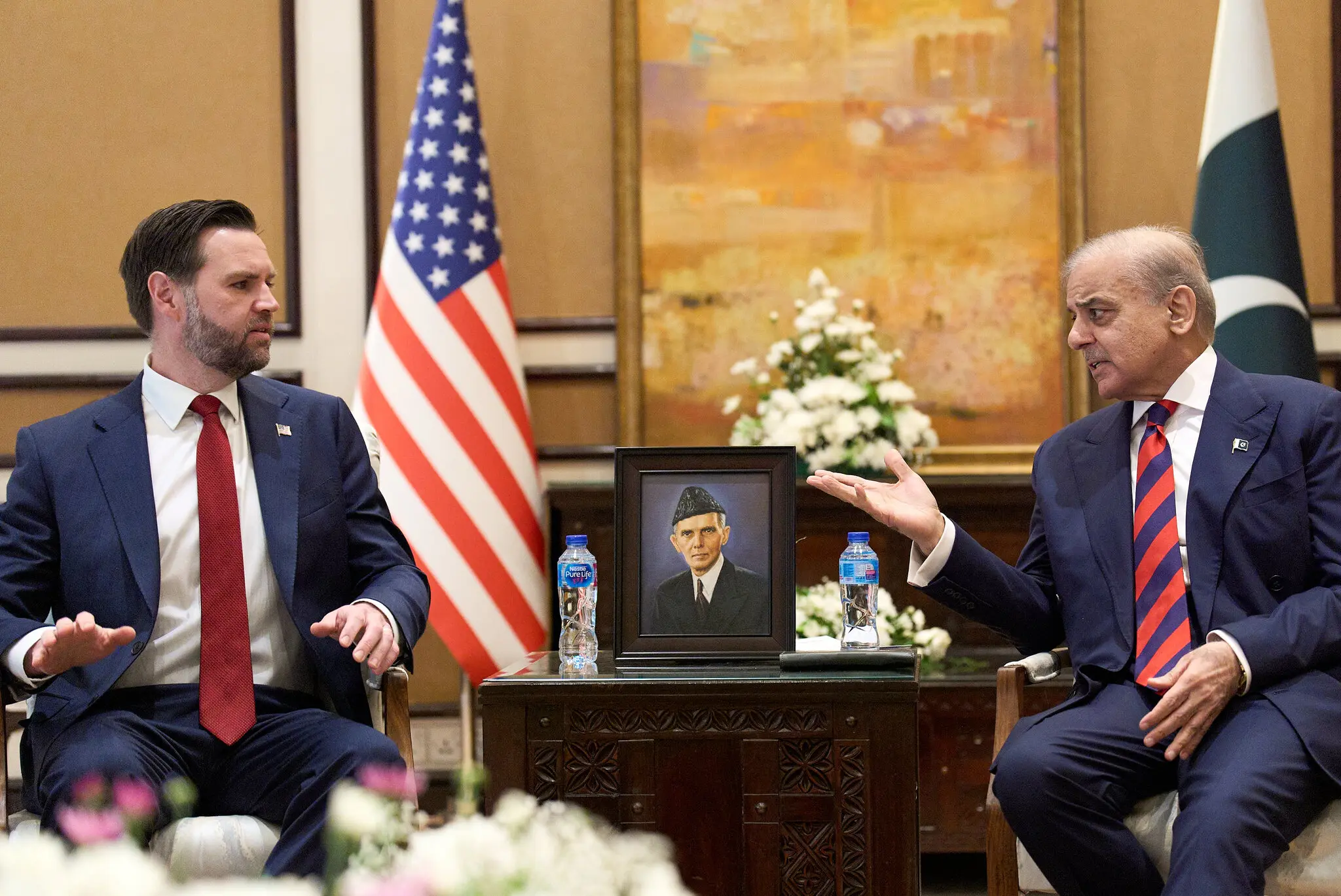
Diplomatic failures often reveal more than victories do. JD Vance’s trip to Pakistan was meant to offer a narrow but consequential opening: a chance to shift the confrontation around Iran from the language of strikes and ultimatums back into the language of negotiation. Instead, it exposed something more unsettling. Washington is now deeper inside this conflict than it is willing to publicly admit, and the room for maneuver has narrowed to a handful of increasingly severe options.
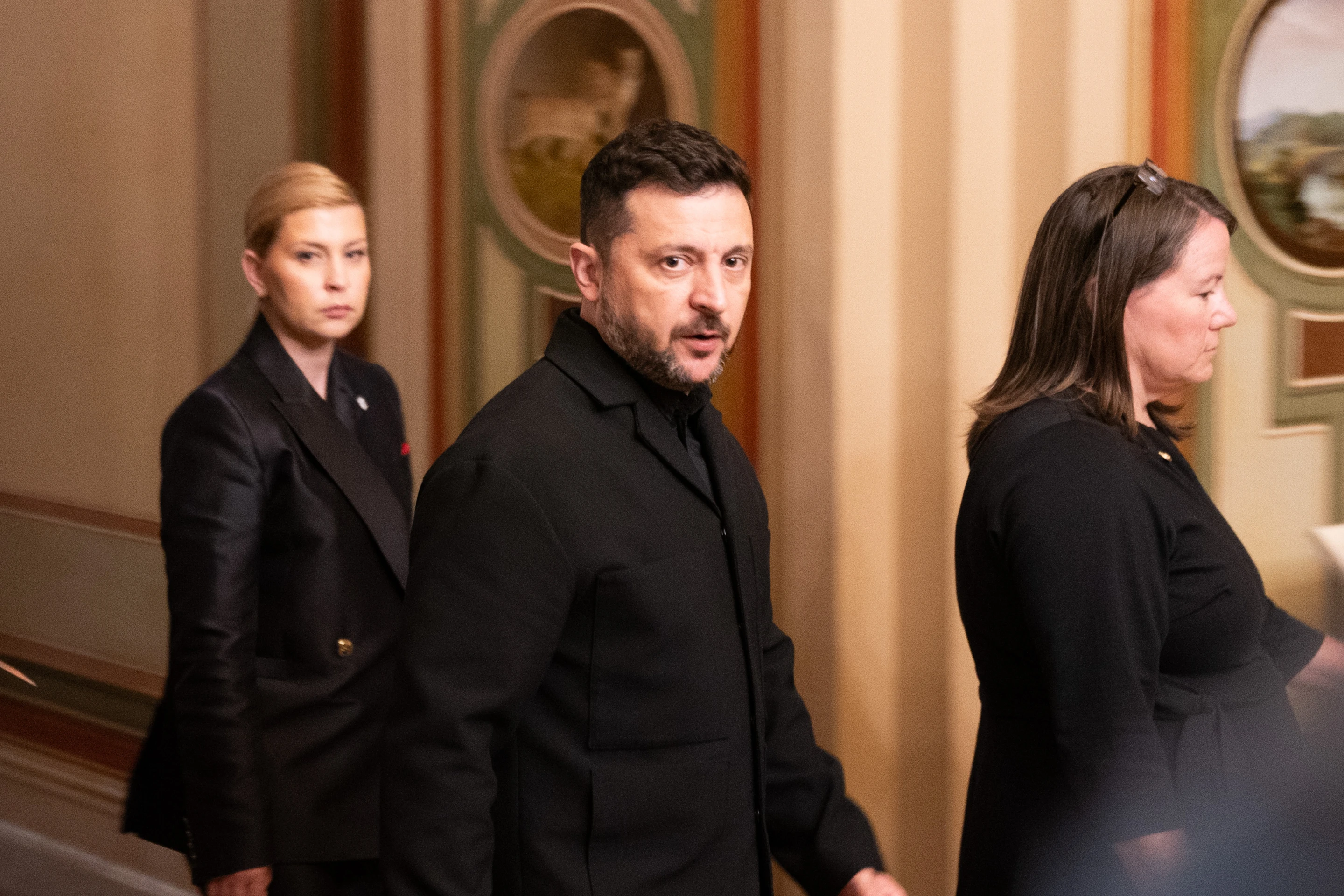
After 21 hours on the ground, Vance emerged from closed-door meetings visibly drained and politically empty-handed. There was no agreement, no breakthrough, and not even a convincing signal that the two-week cease-fire could survive the coming days. For a mission of this level, that is the result. The talks took place, but they produced no usable political outcome.
What makes the episode especially revealing is not only that the talks failed, but that Vance was the one sent to lead them. Within the Trump administration, he has long been identified less with the camp of military pressure than with the instinct for restraint — the view that another major Middle East war cuts against both American strategic interests and the internal logic of Trumpism itself.
As Daycom noted in earlier analysis, that made the trip more than a diplomatic errand. It became a political test of the White House’s internal structure. When the administration sends its most visible skeptic of war to negotiate a way out of one, it is doing one of two things: either genuinely searching for de-escalation, or ensuring that the skeptic becomes publicly tied to the consequences of failure.
On paper, the mission appeared straightforward. Reestablish a minimal negotiating framework. Extract a commitment on Iran’s nuclear trajectory. Reduce regional volatility. Prevent the world’s most sensitive energy corridor from tipping into prolonged disruption. But in practice, Vance arrived at a moment when the foundation for any rapid bargain had already been badly damaged. After weeks of bombardment, assassinations, civilian deaths, retaliatory attacks, and a widening regional shockwave, the two sides were no longer talking in the language of compromise. They were talking in the language of imposed terms.

That is the point at which diplomacy stops functioning as a route to peace and begins operating as an extension of coercion. Washington wanted assurances that Iran would not move toward a nuclear weapon. Tehran, for its part, sought to enter the talks not as a defeated state pleading for relief, but as a wounded power still capable of raising the cost of war for everyone else. That is why the Strait of Hormuz returned so quickly to the center of the crisis. It is not merely a regional chokepoint. It is one of the pressure valves of the global economy.
Any disruption there reverberates far beyond the Gulf. It hits crude prices, shipping rates, insurance costs, inflation expectations, and political confidence across import-dependent economies. That made the Islamabad talks far more than a bilateral exercise in crisis management. Europe had reason to watch. Asia had reason to worry. Energy markets had reason to flinch. A failed diplomatic round in this setting is not a contained event. It is a multiplier.
The deeper problem was that Washington entered the talks with a message that contradicted itself. On one side was the gesture of an “open hand,” the suggestion that diplomacy remained possible. On the other was the rhetoric of total military superiority, the public insistence that Iran had no meaningful leverage left, and the assumption that pressure itself would produce movement. That formula works only when the other side has already accepted strategic defeat. When it still retains the ability to strike regionally and threaten global shipping, the result is not diplomacy backed by strength. It is diplomacy destabilized by overconfidence.
The hurried nature of the mission only reinforced that impression. High-level trips of this sort are usually prepared well in advance, with carefully sequenced agendas, pre-negotiated formulas, fallback language, and tightly coordinated signaling. Here, Vance’s team had only days. Confusion shadowed the process from the beginning: disputes over possible preconditions, competing claims about frozen Iranian assets, uncertainty over what the meetings would actually look like, and leaks that suggested neither side fully controlled the narrative. It all carried the feel of emergency improvisation rather than disciplined strategic statecraft.
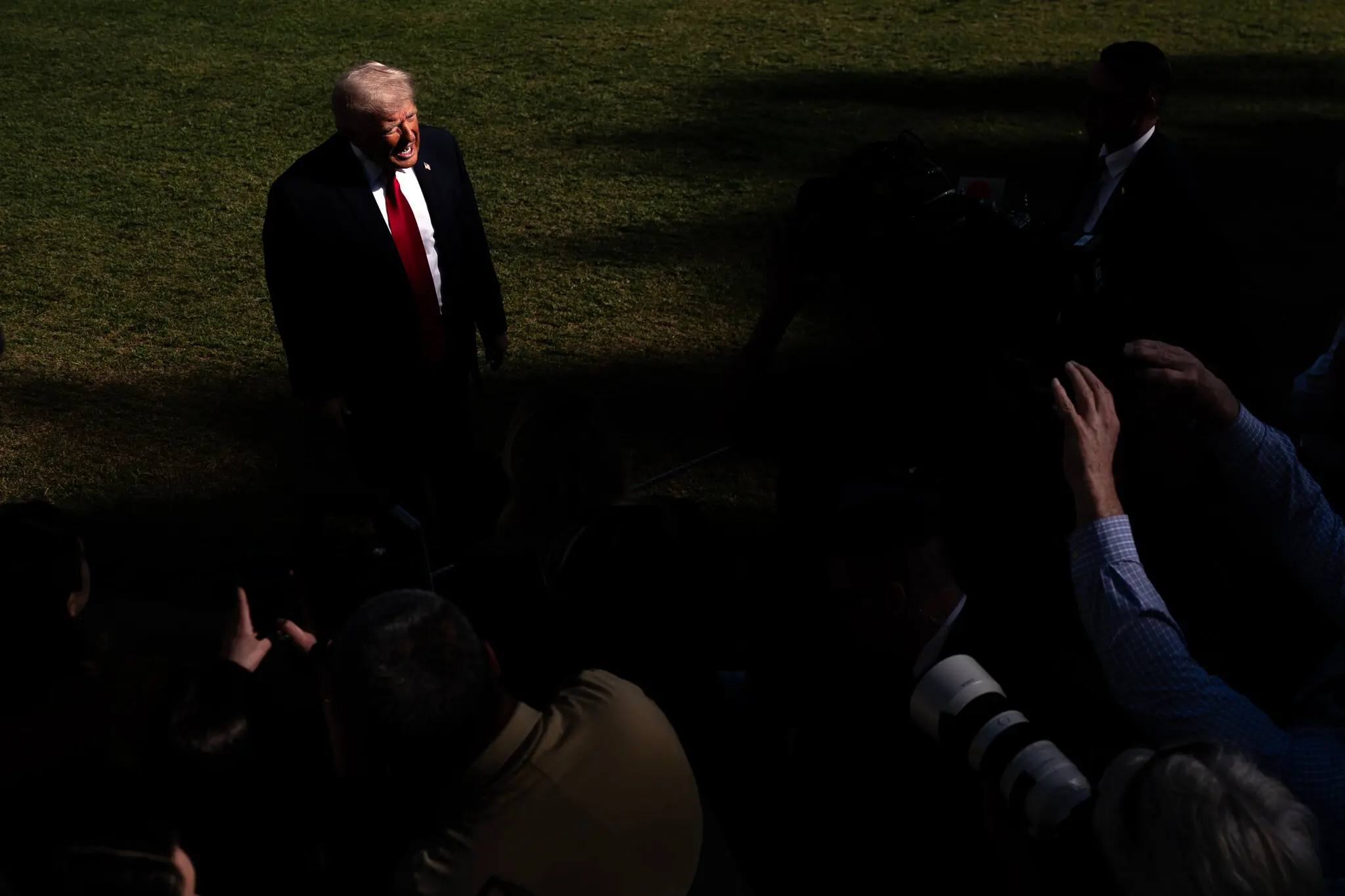
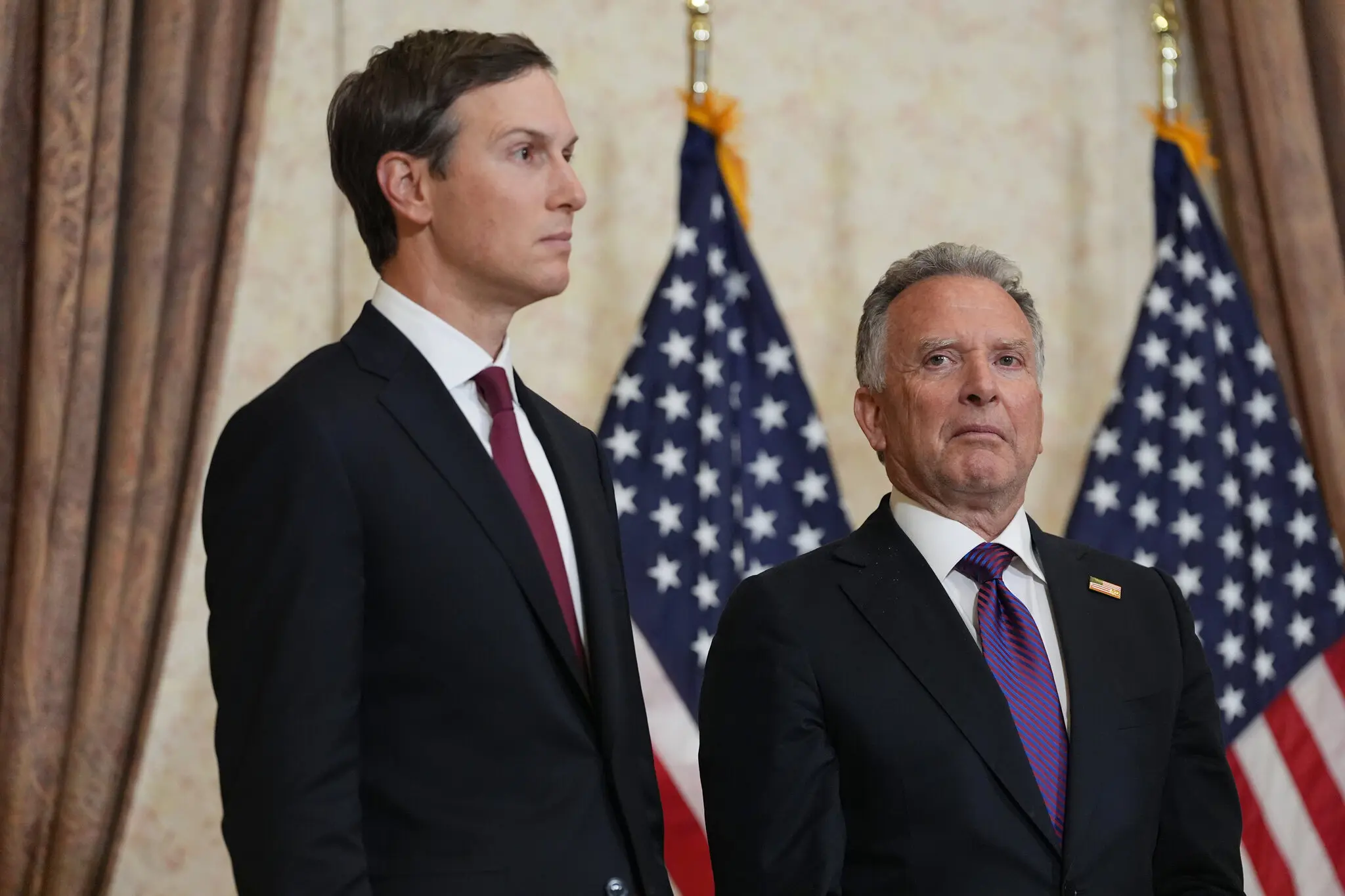
Pakistan, meanwhile, tried to present itself as more than a venue. Islamabad wanted to be seen as a broker, a staging ground for de-escalation, a capital capable of hosting a consequential diplomatic turn. Security was intensified. Streets were cleared. Symbolism was carefully arranged. The city was dressed for a moment of international consequence. But the theatrical framing only sharpened the contrast with the opacity of the actual process. Even many of the reporters gathered to cover the event had little sense of what was happening behind closed doors. That is rarely a sign of diplomatic control. More often, it is a sign that the spectacle is louder than the substance.
For Vance personally, the trip may prove more dangerous politically than it first appeared. Until now, much of his appeal has rested on domestic fluency, anti-interventionist credibility, and his ability to speak to a Republican electorate weary of open-ended foreign entanglements. Islamabad placed him somewhere else entirely: not in the role of commentator on U.S. power, but in the position of operator inside its failures. If the war widens from here, he will find it far harder to separate himself from the consequences.
That matters because the Iran conflict is not only a foreign-policy crisis. It is also straining the coalition around Donald Trump. One wing of the American right sees the war as a betrayal of the promise not to drag the United States into new large-scale conflicts. Another sees it as an unfinished demonstration of force that cannot now be abandoned without humiliation. Vance had served as a kind of internal safeguard for the first camp — proof that anti-interventionism still had weight inside the movement. After Islamabad, he looks less like a brake and more like the public face of an unsuccessful diplomatic round.
This is why the failed mission matters beyond the immediate headlines. It increases the likelihood that decisions in Washington will now be shaped less by strategic calculation than by the politics of prestige. Once a conflict becomes saturated with ego, reputational risk, and public posturing, retreat begins to look like weakness even when it is the most rational available option. Leaders stop asking what outcome is sustainable and start asking what outcome looks least like defeat.
The next White House move will therefore carry exceptional weight. A return to negotiations would amount to an implicit admission that Iran has not been forced into rapid submission and that military action has not delivered political clarity. A turn toward further pressure, including maritime escalation, would signal entry into a more dangerous phase — one in which the crisis is shaped less by any single capital and more by a volatile mix of Israeli calculations, proxy activity, oil-market stress, allied anxiety, and factional conflict inside the United States itself.
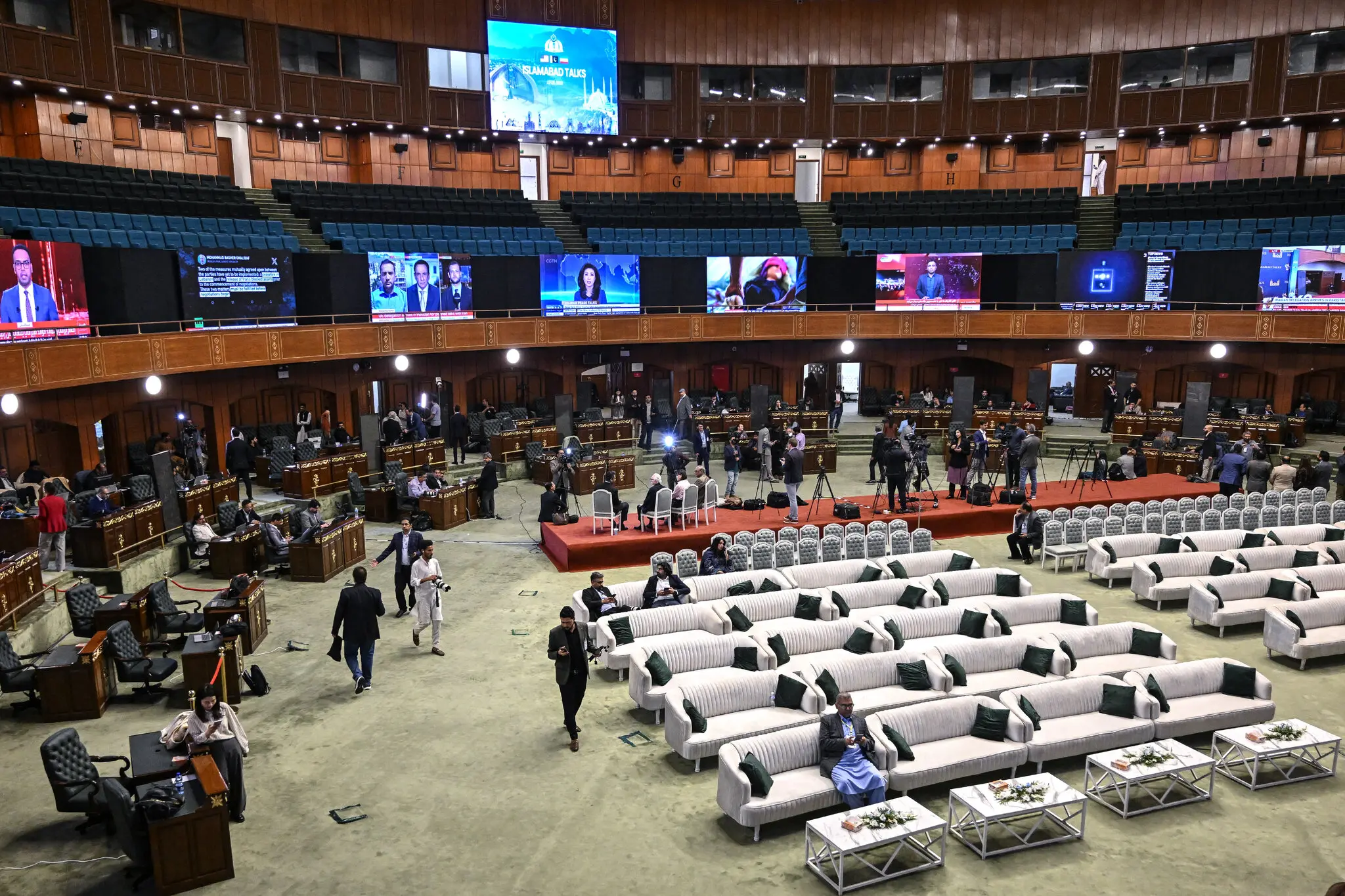 Журналісти працюють у медіацентрі в Ісламабаді в суботу — Аамір Куреші
Islamabad was supposed to provide at least a pause. Instead, it produced a diagnosis. The United States can no longer wage war, deny the full strategic depth of that war, and still expect a quick settlement through displays of strength alone. Iran, despite the damage it has absorbed, retains enough leverage to disrupt any comfortable American script. And Vance, who was meant to embody the possibility of an exit, returned instead as a symbol of how unresolved the crisis remains.
That is the real meaning of those 21 hours. Not simply an unsuccessful meeting, and not merely a diplomatic lull. It was the moment the limits of control came into view. The war around Iran is no longer functioning as a neatly managed instrument of pressure. It is beginning to develop its own momentum, its own logic, and its own political costs. Once a conflict enters that phase, every attempt to “solve it quickly” tends not to reduce the price of resolution, but to raise it.