





















The planned meeting between the Israeli and Lebanese ambassadors in Washington is significant less because it promises imminent peace than because it exposes how urgently the United States is trying to stabilize a crisis that is already slipping across multiple fronts. The first round is expected to be preparatory rather than decisive. No one involved appears to believe a final settlement is close. But diplomacy has moved fast enough for the very fact of the meeting to matter.
That matters because Israel and Lebanon do not maintain diplomatic relations, and direct official contact between them has been rare and politically loaded for decades. A meeting on U.S. soil, even at ambassadorial level, is therefore not routine crisis management. It is a signal that Washington has concluded the Lebanon file can no longer be treated as a secondary theater while it tries to preserve talks with Tehran.
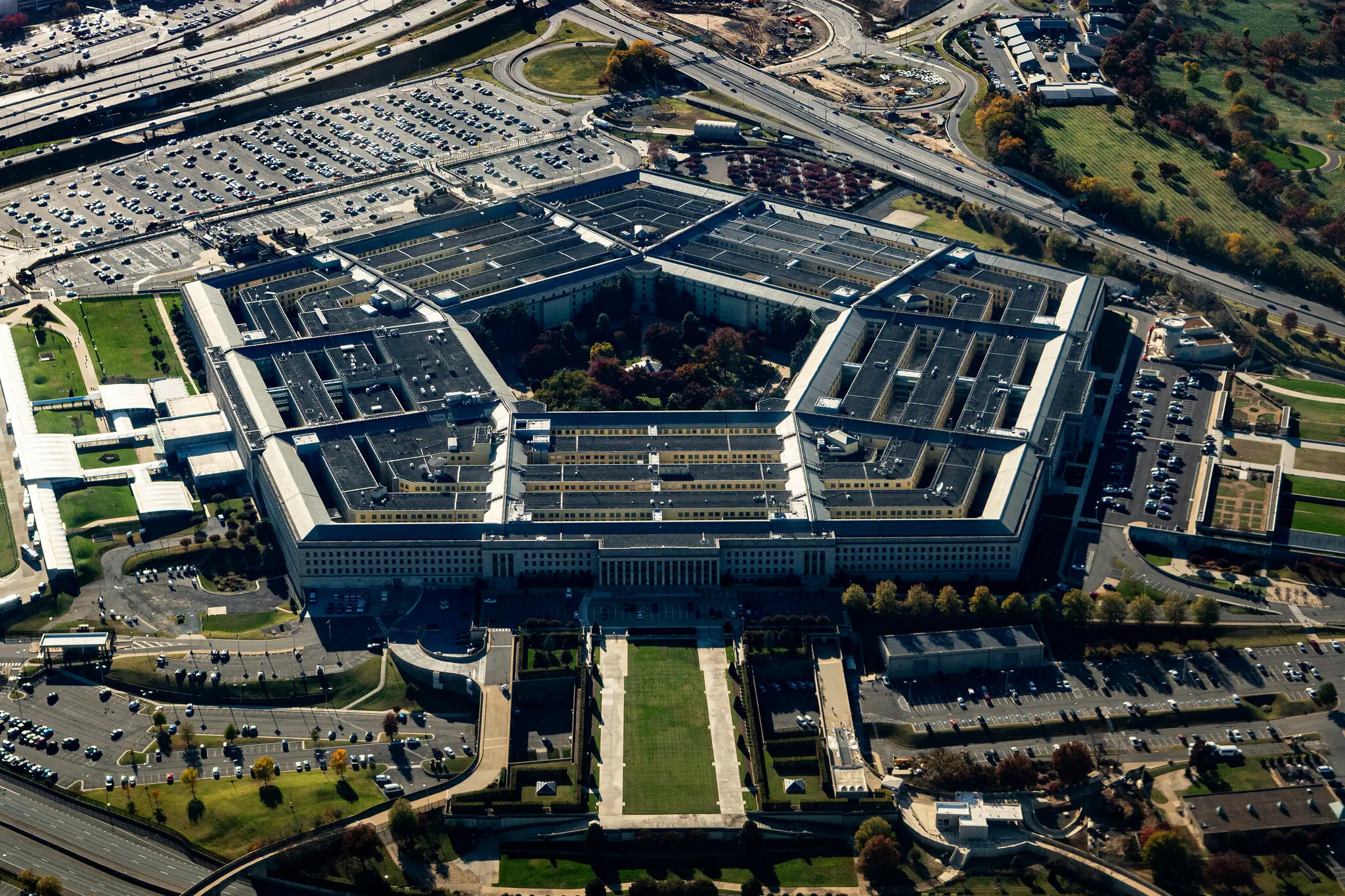
As Daycom noted in earlier analysis, the decisive struggle in regional crises often begins not over the final terms of peace, but over the architecture of the negotiation. That is exactly what is happening now. The United States is trying to build a separate channel for Israel and Lebanon before the Lebanese front fully collapses into the wider U.S.-Iran bargaining track. In other words, Washington is attempting to keep one fire from spreading into another.
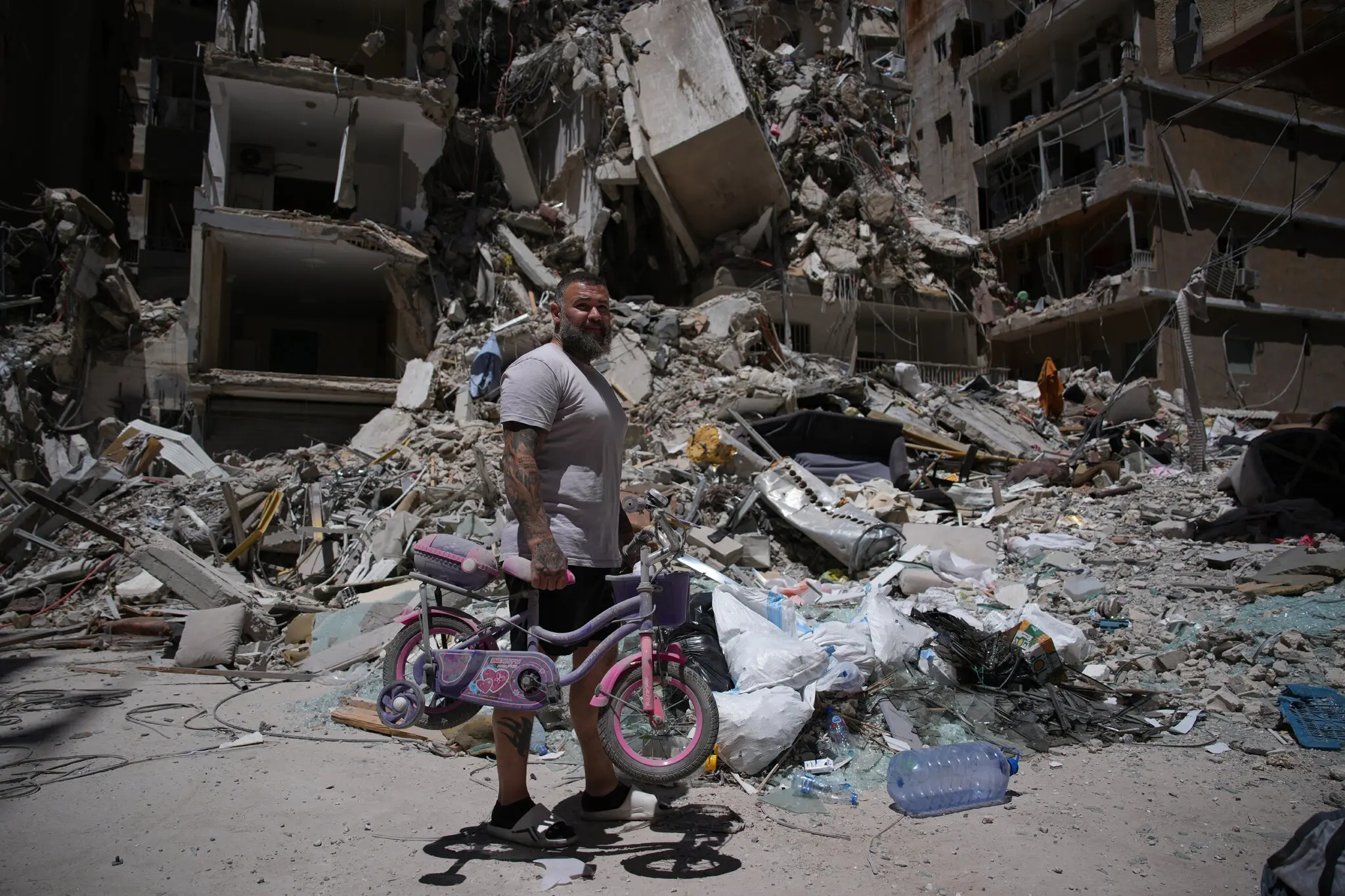
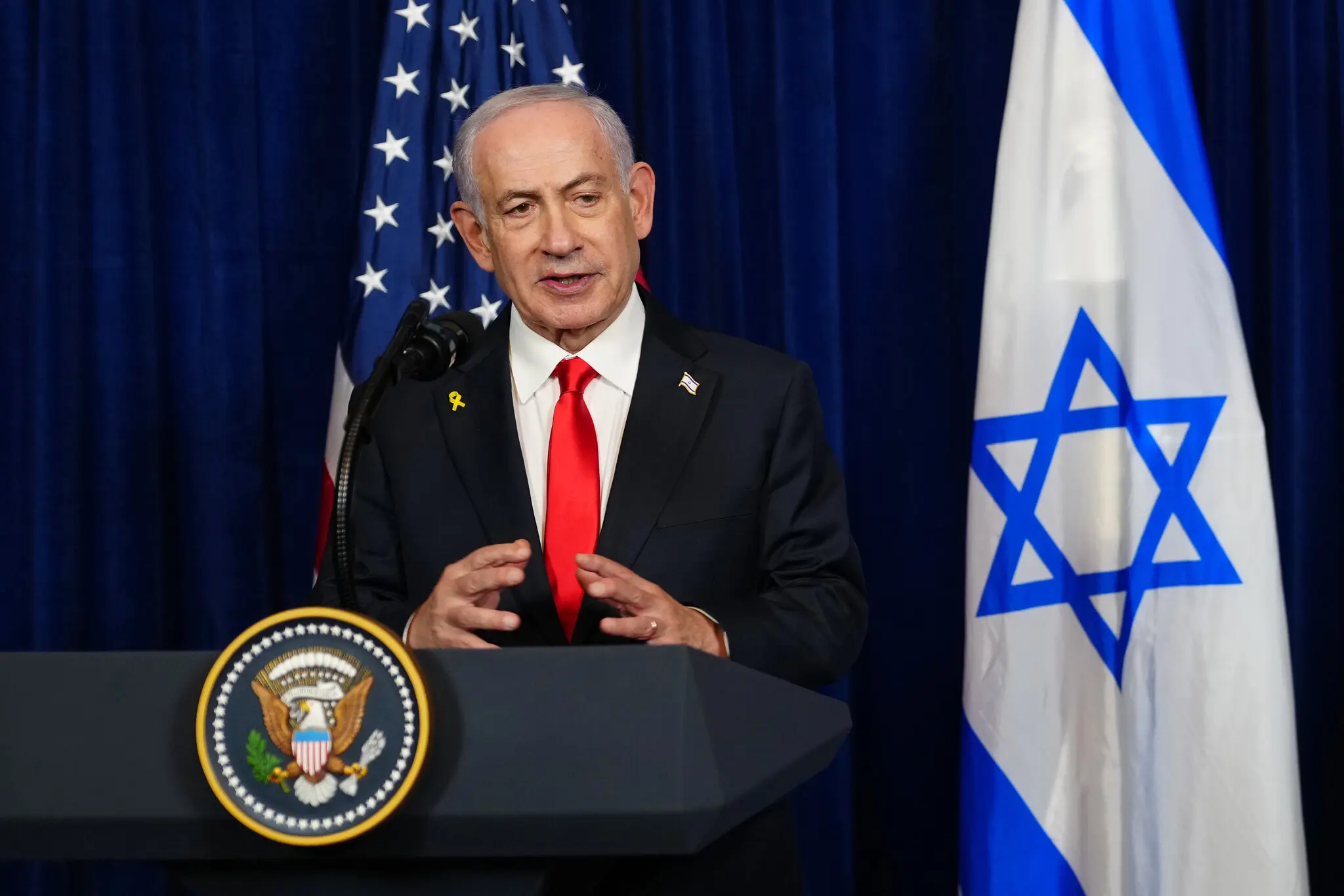
The urgency is easy to understand. Israel has intensified attacks in Lebanon even after the U.S.-Iran cease-fire was announced, and Benjamin Netanyahu has made clear that he does not regard Lebanon as covered by that arrangement. Tehran, by contrast, has been pressing the opposite case, arguing that no meaningful diplomacy can proceed while Israeli strikes continue against Hezbollah-linked targets. That disagreement has become one of the main stresses inside the truce itself.
That is what gives the Washington talks their real function. They are not simply a bilateral opening between Israel and Lebanon. They are a containment mechanism. If the White House can establish even a narrow diplomatic process on the Lebanese front, it may reduce one of the strongest arguments Iran is using to challenge the credibility of the wider cease-fire. If it cannot, the Pakistan track with Iran becomes more vulnerable before it has had time to mature.
Still, the weakness of the new channel is obvious from the start. Lebanon’s government does not exercise direct control over Hezbollah, and Hezbollah has long resisted disarmament and rejected the notion that the Lebanese state can negotiate on its behalf. That means Washington is trying to open a diplomatic path through a state that does not fully command the armed actor at the center of the dispute. Structurally, that makes the process fragile before the first formal session even begins.
Israel’s own position adds another contradiction. Netanyahu has said Israel is willing to begin direct talks focused on disarming Hezbollah and moving toward more stable relations, yet he has also insisted that military operations against the group will continue. That logic may make sense from an Israeli coercive standpoint: negotiate under pressure, not after relinquishing it. But diplomatically it creates a familiar problem. A process launched under fire can be presented as negotiation, while functioning more like leverage management than peacebuilding.
For Lebanon, the problem is almost the reverse. Beirut has every reason to welcome an American-hosted diplomatic opening if it reduces Israeli bombardment and restores some political relevance to the Lebanese state. But it enters the room from a position of fragmentation. The government can speak in the language of sovereignty and state authority; Hezbollah still defines much of the military reality on the ground. That gap is precisely why any direct diplomacy with Israel is both historic and deeply constrained at the same time.
The United States, meanwhile, is trying to do something larger than broker one more difficult conversation. It is trying to stop the map of the Middle East crisis from hardening into a single continuous war system. If Lebanon remains fully tied to the Iran track, then every Israeli strike risks becoming an argument against U.S. credibility with Tehran. If Washington can partially separate the files, it may preserve room for diplomacy on both. That is a narrow objective, but in the current environment it may be the only realistic one.
This is why the meeting in Washington deserves attention without romanticism. It is historic in form, but limited in ambition. It does not yet amount to high-level peace talks, let alone a breakthrough. It is a preparatory channel built in haste, under military pressure, around a dispute whose most powerful armed participant is not fully represented by the state sitting across the table.
The deeper significance lies elsewhere. Washington is acknowledging, perhaps more clearly than before, that the Lebanon front can no longer be left to drift while larger negotiations proceed around it. The talks next week are therefore not evidence that peace is near. They are evidence that the regional truce is fragile enough that even a limited diplomatic side track has become strategically necessary. And in this phase of the crisis, necessity may be the closest thing diplomacy has to momentum.