






















By the third day of the cease-fire between the United States and Iran, it had become clear that the main threat to the arrangement lay not in the wording of the deal itself, but at its edges. Early Friday, Israel struck Hezbollah targets in Lebanon again, underscoring a familiar truth of Middle East diplomacy: even when negotiations begin, war rarely yields the stage quietly.
Lebanon has become the channel through which the entire cease-fire risks destabilizing before it has had time to harden into policy. Israel insists it retains the right to continue operations against the Iran-backed militia. Iran, in turn, has warned that it will not attend peace talks in Pakistan if the truce is not extended to cover the Lebanese front.
This is more than a dispute over phrasing. It reveals a deeper structural problem: the parties are defining the war itself in different ways. For Washington and Israel, the cease-fire is primarily about direct U.S.-Iran confrontation. For Tehran and its allies, the region functions as a single conflict system in which Lebanon, the Strait of Hormuz, Iran’s nuclear program and Israel’s security are inseparable.
By the third day of the cease-fire between the United States and Iran, it had become clear that the main threat to the arrangement lay not in the wording of the deal itself, but at its edges. Early Friday, Israel struck Hezbollah targets in Lebanon again, underscoring a familiar truth of Middle East diplomacy: even when negotiations begin, war rarely yields the stage quietly.
Lebanon has become the channel through which the entire cease-fire risks destabilizing before it has had time to harden into policy. Israel insists it retains the right to continue operations against the Iran-backed militia. Iran, in turn, has warned that it will not attend peace talks in Pakistan if the truce is not extended to cover the Lebanese front.
This is more than a dispute over phrasing. It reveals a deeper structural problem: the parties are defining the war itself in different ways. For Washington and Israel, the cease-fire is primarily about direct U.S.-Iran confrontation. For Tehran and its allies, the region functions as a single conflict system in which Lebanon, the Strait of Hormuz, Iran’s nuclear program and Israel’s security are inseparable.
As Daycom noted in its earlier analysis, that mismatch is the central weakness of any attempted settlement. If one side treats Lebanon as a separate theater while the other sees it as part of the core bargain, then even a technically valid truce begins its life politically unstable.

Benjamin Netanyahu’s position only appears contradictory at first glance. On one hand, he has said Israel is ready to begin talks with the Lebanese government over Hezbollah’s disarmament. On the other, he has made clear that Israeli strikes will continue. In practical terms, this is not inconsistency but strategy: Israel is trying to combine diplomatic signaling with sustained military pressure, so Hezbollah cannot use negotiations as operational cover.
The problem is that the Lebanese state does not control Hezbollah to the degree such a strategy would require. Beirut may be able to sit at the table, but it cannot fully guarantee the outcome. That is the heart of the impasse. Israel is demanding the disarmament of a force the Lebanese government cannot quickly disarm. Hezbollah rejects the idea that the state can negotiate on its behalf. Diplomacy is therefore opening precisely where its leverage is weakest.
This is also where the gap between Donald Trump and Netanyahu begins to matter more. The White House appears eager to move the crisis out of its military phase and into a negotiating framework. For Trump, talks with Iran offer a chance to convert pressure into a political result and show that force can be followed by dealmaking on American terms. Israel is operating according to a different logic: not rapid closure, but unfinished military business.
That is why Washington’s request to scale back operations in Lebanon did not function as an effective brake. Netanyahu has effectively signaled that he does not view Lebanon as part of the agreement the United States is trying to shape with Tehran. The result is a dangerous asymmetry: Washington is pursuing diplomacy without full control over one of the very fronts most capable of destroying it.

That tension immediately spilled into preparations for the Islamabad talks. Tehran’s threat to stay away is not merely tactical pressure. It is an attempt to redefine the frame of the negotiations themselves. Iran wants the United States to acknowledge that no peace process can remain narrowly U.S.-Iranian while airstrikes continue on the southern edge of Beirut. In that sense, Tehran is not just asking for the cease-fire to be broadened. It is demanding that the logic of the talks be rewritten.
A second line of pressure runs through the Strait of Hormuz. For the American delegation, expected to be led by Vice President JD Vance, restoring full shipping access is a central objective. Iran says the strait is open, yet preserves such strict military coordination requirements that the practical effect still resembles a controlled choke point. Tanker traffic remains hesitant, insurance risk is elevated, and markets continue to read the situation as evidence that the energy crisis has not truly passed.
This is the point at which the Lebanese and maritime tracks converge. Lebanon undermines political confidence in the cease-fire. Hormuz undermines its economic credibility. Diplomacy may declare de-escalation, but as long as rockets continue to fly in northern Israel and tankers do not return to normal transit patterns, international actors will treat the truce as an interval, not an order.
In that light, the Pakistan talks no longer look like the venue for a sweeping political settlement. They look more like an attempt to prevent simultaneous breakdown across several fronts at once: Lebanon, Hormuz, oil markets and the U.S.-Iran channel itself. The realistic outcome is therefore far more modest than the rhetoric surrounding it. Not peace, but the postponement of wider escalation.

The meaning of Friday’s events is severe and difficult to ignore. The fate of the U.S.-Iran cease-fire is now being decided not only in Washington, Tehran or Islamabad, but also in Beirut, in Hezbollah’s command structure, in Israeli military planning rooms and along the shipping lanes of the Gulf. Until those lines are brought into a single political framework, every pause in the war will remain exactly that: a pause.
That is why Israel’s latest strikes in Lebanon were not simply another episode in another day of fighting. They were a reminder that the Middle East is still operating inside a multi-front crisis where a formal truce can survive on paper even as its political meaning begins to unravel in the air.










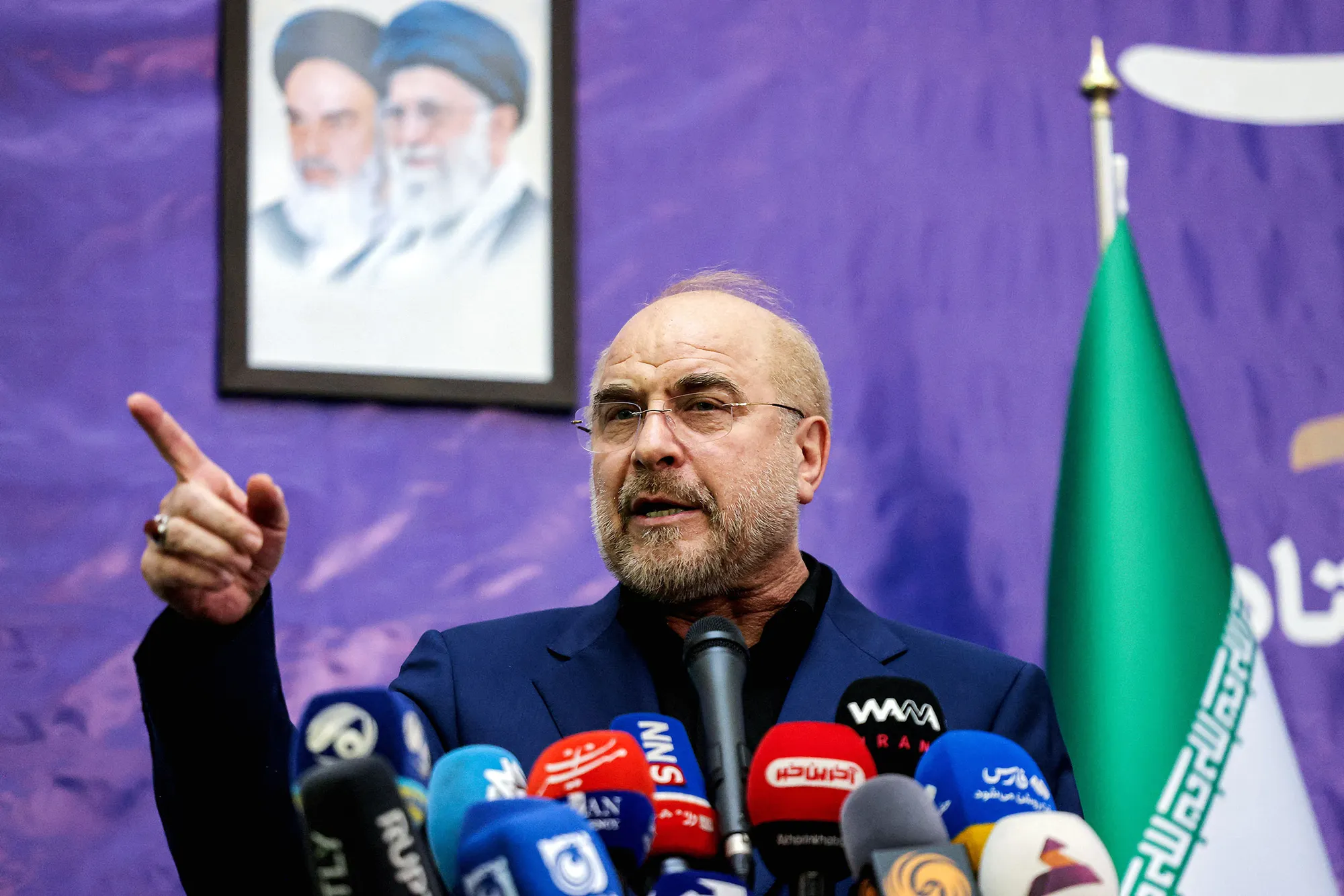 Спікер парламенту Мохаммед Багер Галібаф — Атта Кенаре



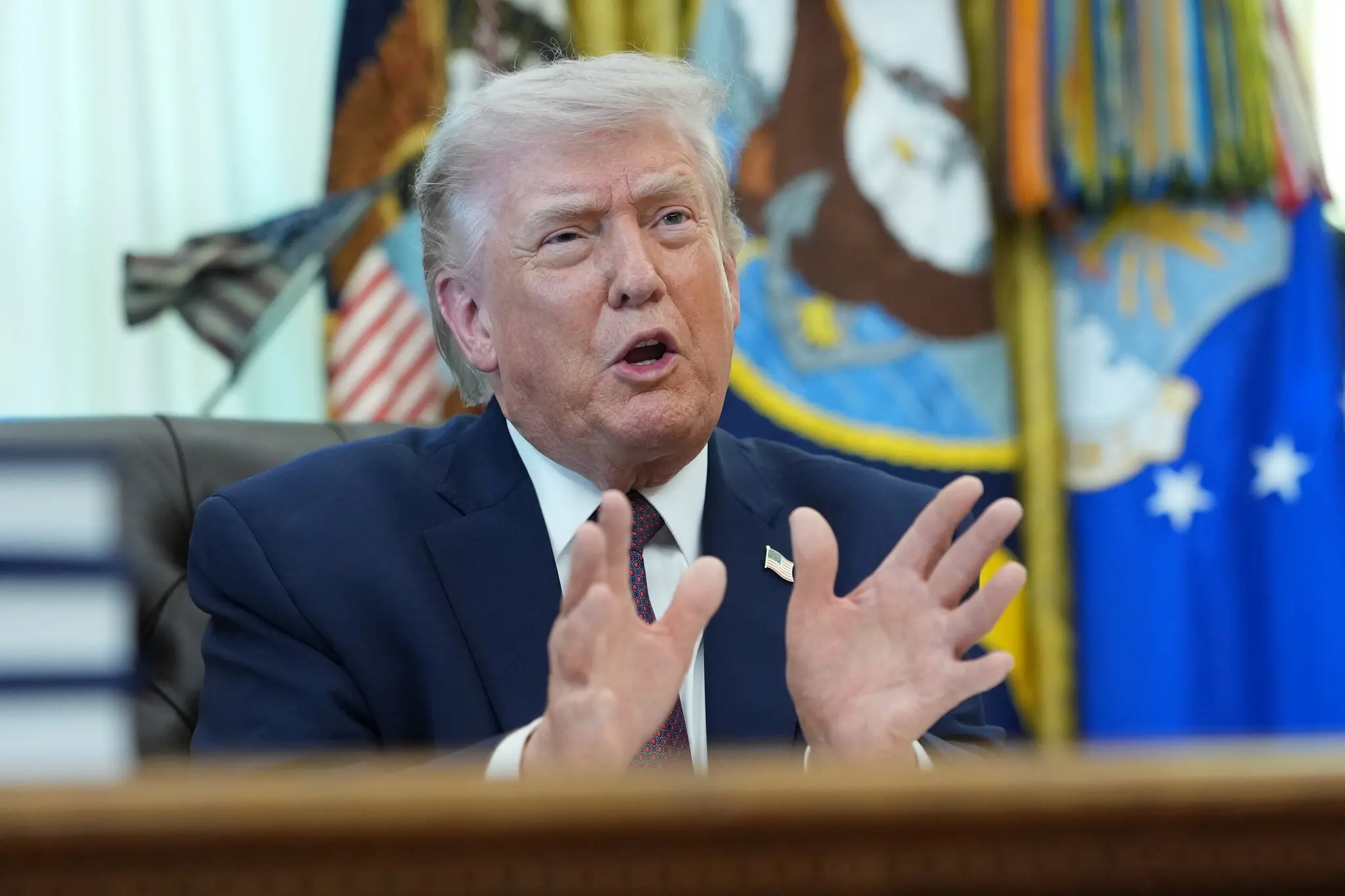 Президент США Трамп у Овальному кабінеті у вівторок. Він зробив суперечливі заяви щодо своїх цілей та кінцевої мети війни — Даг Міллс
 Очікується, що пан Венс відвідає Пакистан наприкінці тижня для переговорів з іранцями — Елізабет Франц







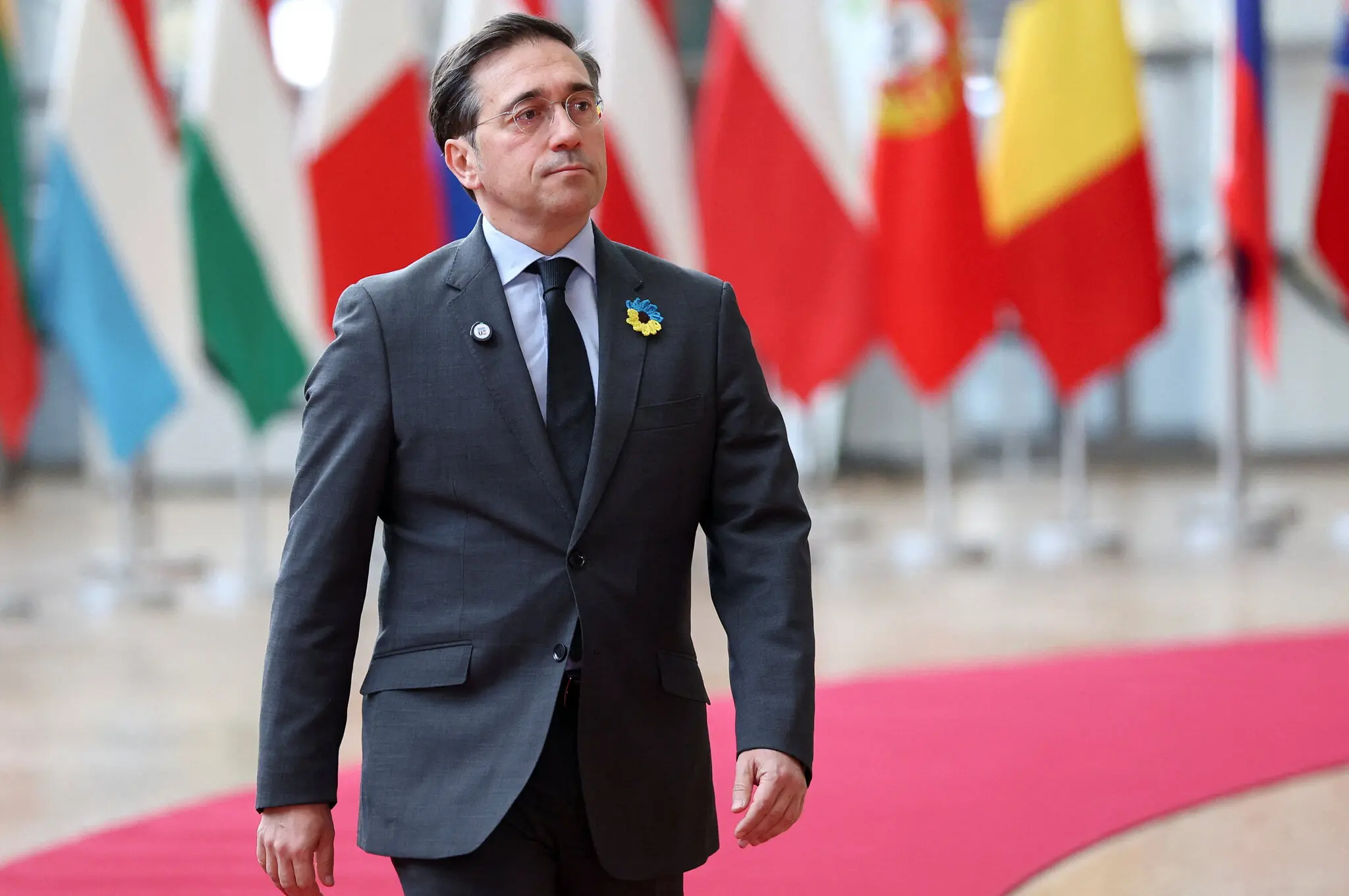 Міністр закордонних справ Іспанії Хосе Мануель — Ів Герман