

























The cease-fire between the United States and Iran exposed its central weakness almost immediately. It did not end the war as a regional system of force. It merely shifted its pressure point. While Washington speaks in the language of de-escalation and Tehran signals openness to a broader arrangement, Lebanon has already emerged as the place where the truce begins to fray before it has acquired any real political stability.
That is the core of the present crisis. Israel maintains that the agreement with Iran does not apply to Hezbollah and therefore does not apply to Lebanon. Iran argues the opposite: that continued Israeli strikes on Lebanese territory hollow out the logic of the cease-fire itself. The White House has rejected the broader interpretation, but that has not solved the problem. It has only made the contradiction impossible to ignore.
The real story, then, is no longer the existence of a pause between Washington and Tehran. It is the fight over the geography of that pause. If one side believes the truce extends across Iran’s wider regional network while the other treats it as a narrowly bilateral understanding, the agreement contains its own mechanism of breakdown from the start. According to Daycom’s earlier analysis, this is not a technical ambiguity. It is the structural flaw at the center of the deal.
The cease-fire between the United States and Iran exposed its central weakness almost immediately. It did not end the war as a regional system of force. It merely shifted its pressure point. While Washington speaks in the language of de-escalation and Tehran signals openness to a broader arrangement, Lebanon has already emerged as the place where the truce begins to fray before it has acquired any real political stability.
That is the core of the present crisis. Israel maintains that the agreement with Iran does not apply to Hezbollah and therefore does not apply to Lebanon. Iran argues the opposite: that continued Israeli strikes on Lebanese territory hollow out the logic of the cease-fire itself. The White House has rejected the broader interpretation, but that has not solved the problem. It has only made the contradiction impossible to ignore.
The real story, then, is no longer the existence of a pause between Washington and Tehran. It is the fight over the geography of that pause. If one side believes the truce extends across Iran’s wider regional network while the other treats it as a narrowly bilateral understanding, the agreement contains its own mechanism of breakdown from the start. According to Daycom’s earlier analysis, this is not a technical ambiguity. It is the structural flaw at the center of the deal.
The scale of the Israeli strikes has only made that flaw more visible. Once Lebanon is hit not as a marginal theater but as an active front, the diplomatic narrative begins to collapse under the weight of military reality. For Tehran, that is proof that talk of a meaningful cease-fire is premature. For Israel, it is proof that the war with Hezbollah follows its own strategic logic and cannot be subordinated to a U.S.-Iran framework.
In that sense, Lebanon now matters more than any official statement. It is the place where Washington’s ability to define and contain its own diplomatic achievement is being tested in real time. If the United States cannot or will not restrain strikes by its closest regional ally against an Iranian-backed force, Tehran will inevitably conclude that the agreement applies only where it is convenient for Washington.
That is why the Iranian response has been so sharp. For Tehran, the truce is meaningful only if it produces a wider reduction in violence across the broader zone of confrontation. Otherwise, the cease-fire is not a step toward stabilization but a tactical pause before the next phase of conflict, merely with a revised map of escalation.
Lebanon has therefore moved from secondary theater to central test case. Not because it was necessarily written into the agreement in an explicit legal sense, but because without Lebanon the agreement loses much of its strategic meaning. If war continues through proxies, border fronts and allied militias, then a pause between two capitals cannot credibly be described as peace.
The second pressure point is the Strait of Hormuz. Even where both sides speak of de-escalation, the real security of global trade remains unsettled. Oil markets may respond with temporary relief to diplomatic announcements, but the deeper test is always practical: whether tankers move freely, whether shipping routes regain predictability, and whether military restraint becomes visible in economic reality.
That is what makes the current cease-fire so fragile. A real cooling of the regional war is measured not by declarations but by observable conditions: whether vessels can cross Hormuz without fear, whether Hezbollah’s rocket fire subsides, whether Israeli strikes on Lebanese territory begin to stop. As long as any one of those elements remains unstable, markets and diplomats alike will treat the truce as an advance payment on peace rather than peace itself.
Pakistan’s role as mediator underscores the same point. The very fact that new talks are being prepared shows that no final architecture of settlement yet exists. What exists instead is a diplomatic corridor — an attempt to buy time and move the conflict from immediate retaliation into structured bargaining. That may be valuable, but it is not the same as durable resolution.
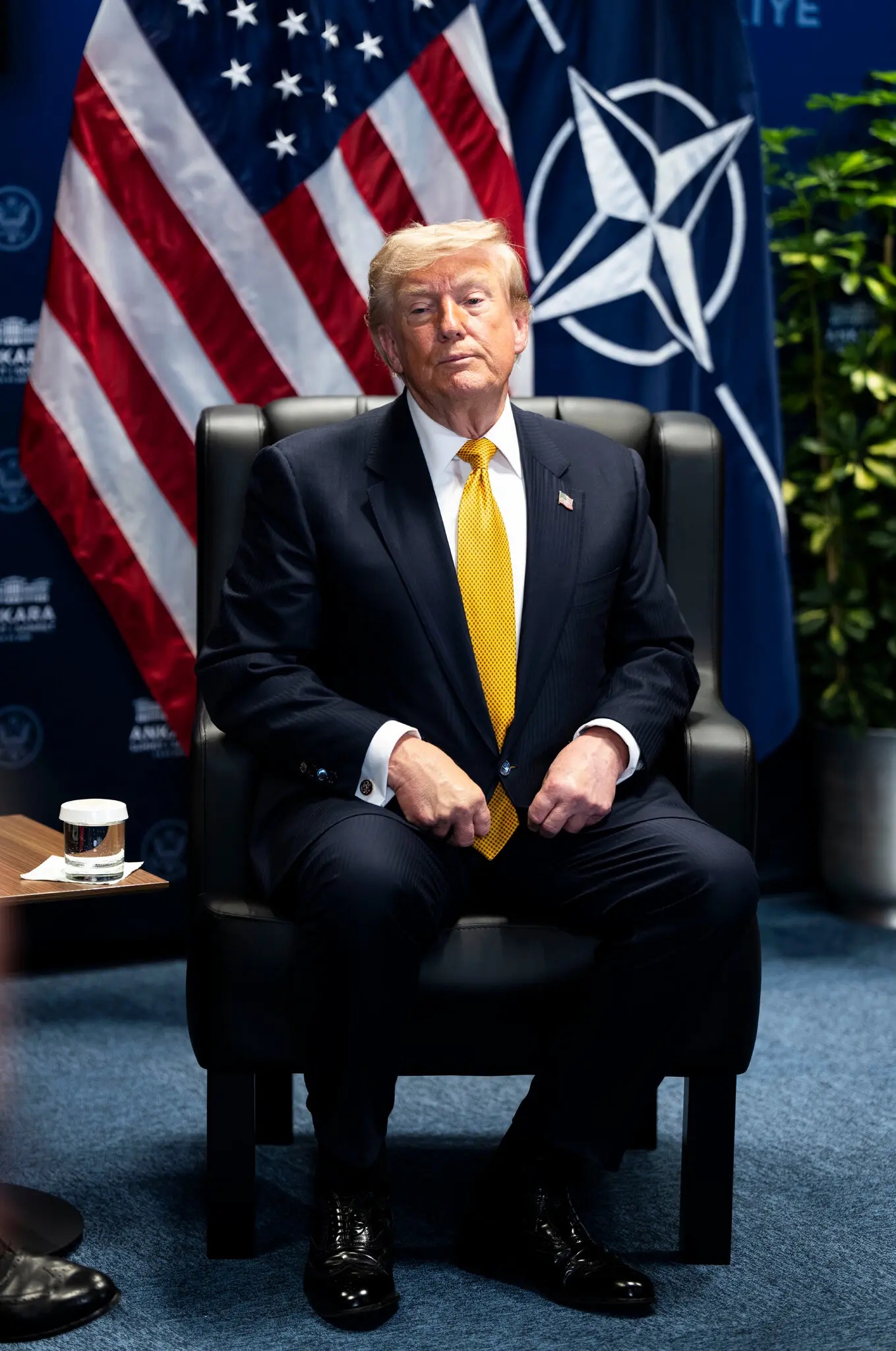
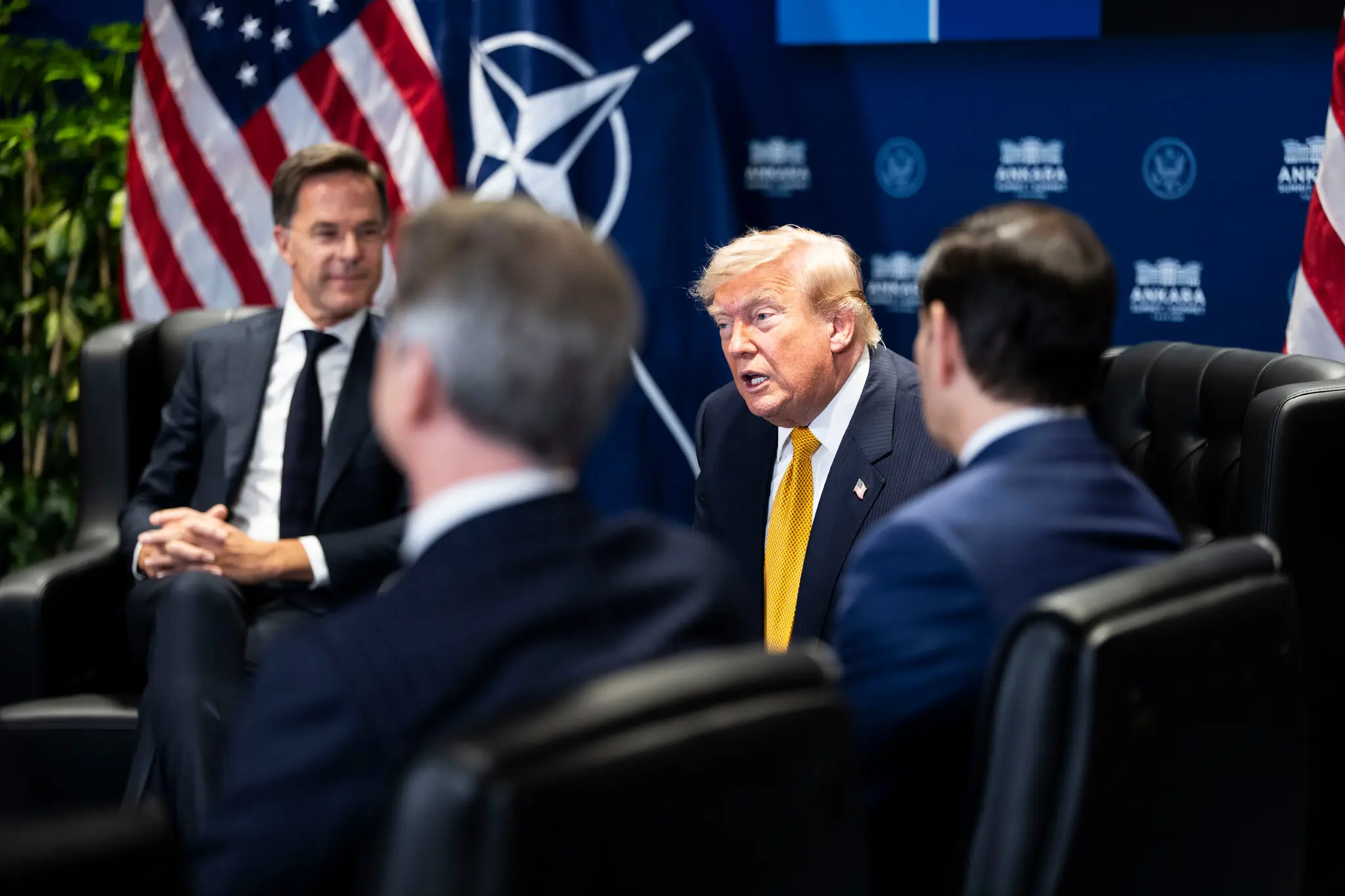
For Donald Trump, this creates a political problem as well as a strategic one. His language depends on visible control, pressure and the promise of decisive outcomes. But if the announcement of a cease-fire is followed by continued strikes in Lebanon and uncertainty around Hormuz, the White House is left with an awkward contradiction: the deal exists, yet even its boundaries are not fully recognized by the actors most capable of breaking it.
That is the deeper weakness of the present arrangement. Modern war in the region no longer fits neatly into the old model of bilateral diplomacy. The United States may reach an understanding with Iran, but if Israel, Hezbollah, Lebanon, shipping lanes, missile deterrence and proxy networks remain outside the operative frame, then the cease-fire is incomplete by design. It either expands to match the regional system or begins to decay along its edges.
Every new strike on Lebanon now carries significance far beyond the immediate battlefield. It becomes a test of the agreement’s political meaning. If Hezbollah responds, Iran gains a ready argument that it was not the first to undermine the truce. If Washington insists that Lebanon falls outside the deal, it effectively admits the narrowness of its own diplomatic product. And if Israel continues to act as though no new framework of restraint exists, then the Lebanese front becomes the place where the cease-fire loses coherence.
In the end, the present situation reduces to a simple but unforgiving formula. The U.S.-Iran truce can survive only if it stops functioning as a narrow pause between two capitals and begins to operate as a broader agreement on the limits of force across the region. Until then, the Middle East is living not in a moment of peace but in a moment of delayed detonation, with Lebanon standing as the most dangerous crack in the entire structure.




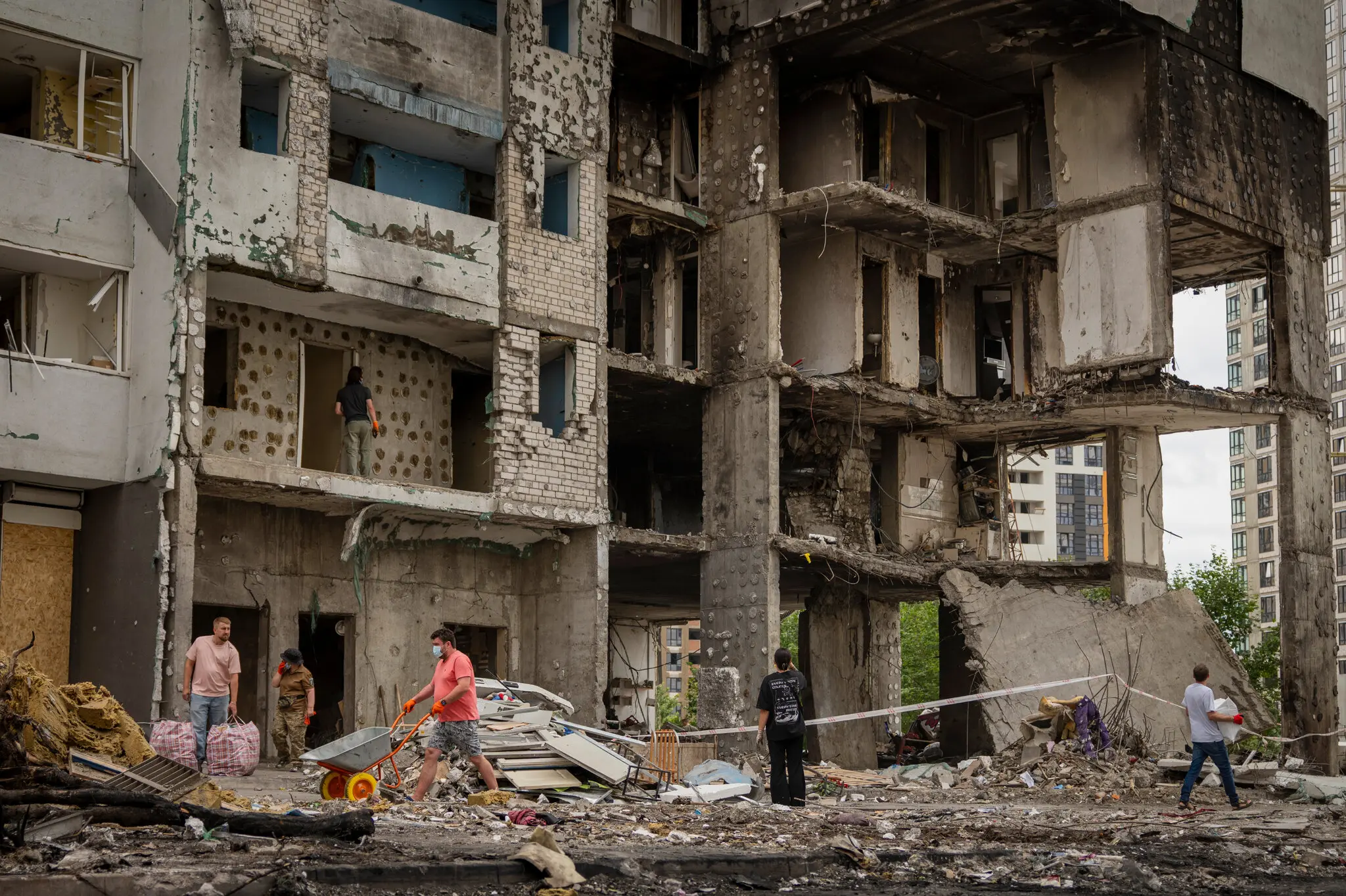
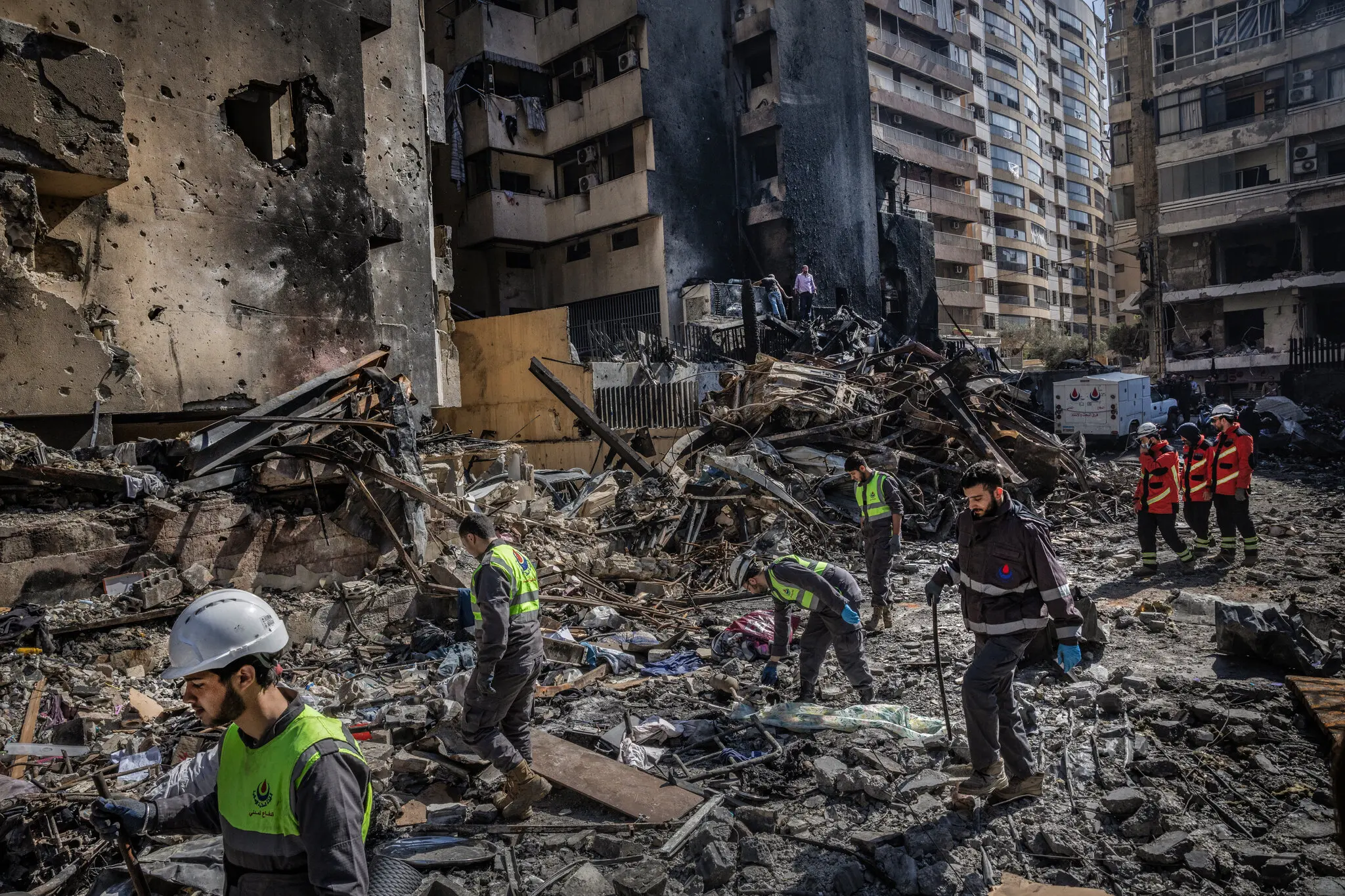 У п'ятницю рятувальники у столиці Лівану Бейруті продовжили розчищати залишки після серії руйнівних ізраїльських ударів цього тижня, в результаті яких загинуло понад 300 людей — Девід Гуттенфельдер










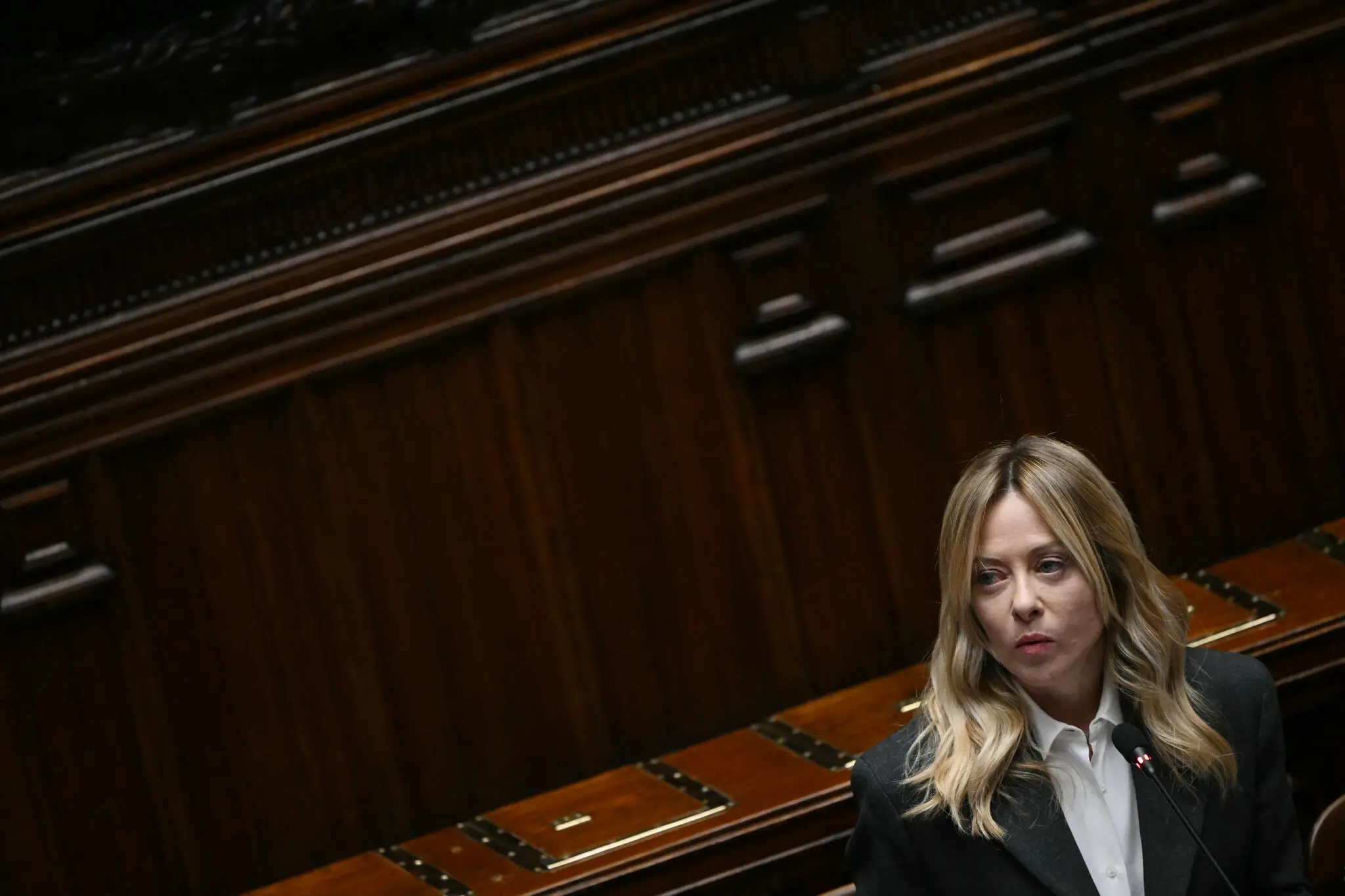 Прем'єр-міністр Італії Джорджія Мелоні — Андреас Соларо