























The most dangerous cease-fires are the ones after which no one admits to having stepped back. That is what this two-week pause between the United States and Iran looks like. Washington presents it as the result of pressure. Tehran presents it as proof that it withstood the blow. The rest of the world treats it as a temporary escape from a far worse scenario. The fighting may have slowed, but the political struggle over who gets to claim victory has only intensified.
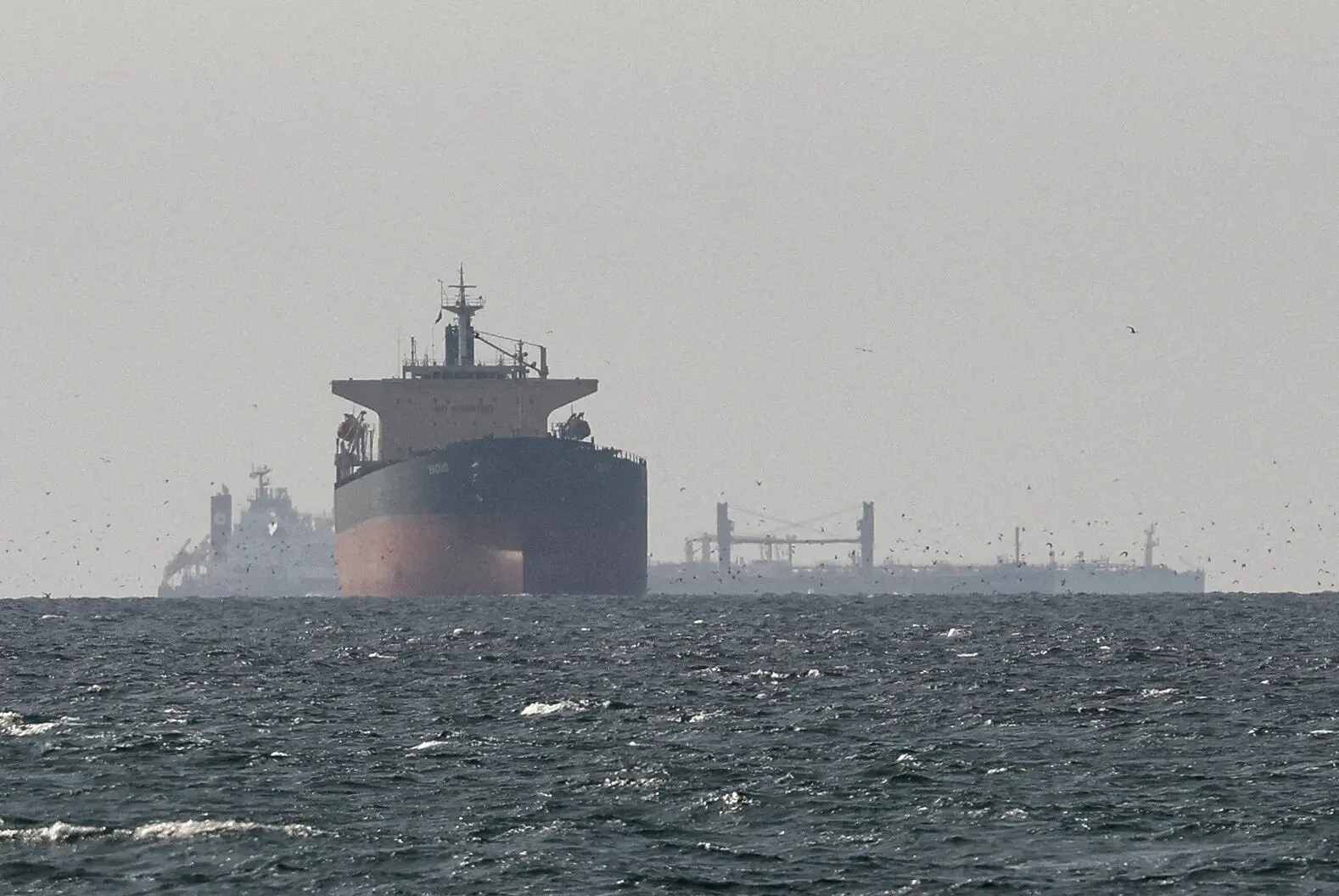
From a distance, the arrangement appears straightforward. With Pakistan acting as mediator, the two sides agreed to a two-week halt in major hostilities. Iran signaled that it would reopen the Strait of Hormuz during the negotiations. Washington described Iran’s ten-point proposal as a workable basis for further talks. Yet that is exactly where the main weakness begins. The parties agreed to a pause without agreeing on what the pause actually means.
Iran is speaking in the language of triumph, as if it had broken an American ultimatum. Donald Trump, by contrast, is trying to show that he forced Tehran back toward freedom of passage through the strait and back into a negotiating framework it had previously resisted. When the same document is read in two capitals as two separate victories, it usually means the deal is either too vague or deliberately written to leave room for future confrontation. According to Daycom’s earlier analysis, that kind of ambiguity often becomes not the foundation of peace, but the beginning of its deferred crisis.
The most dangerous cease-fires are the ones after which no one admits to having stepped back. That is what this two-week pause between the United States and Iran looks like. Washington presents it as the result of pressure. Tehran presents it as proof that it withstood the blow. The rest of the world treats it as a temporary escape from a far worse scenario. The fighting may have slowed, but the political struggle over who gets to claim victory has only intensified.
From a distance, the arrangement appears straightforward. With Pakistan acting as mediator, the two sides agreed to a two-week halt in major hostilities. Iran signaled that it would reopen the Strait of Hormuz during the negotiations. Washington described Iran’s ten-point proposal as a workable basis for further talks. Yet that is exactly where the main weakness begins. The parties agreed to a pause without agreeing on what the pause actually means.
Iran is speaking in the language of triumph, as if it had broken an American ultimatum. Donald Trump, by contrast, is trying to show that he forced Tehran back toward freedom of passage through the strait and back into a negotiating framework it had previously resisted. When the same document is read in two capitals as two separate victories, it usually means the deal is either too vague or deliberately written to leave room for future confrontation. According to Daycom’s earlier analysis, that kind of ambiguity often becomes not the foundation of peace, but the beginning of its deferred crisis.
The first warning sign is already visible in the geography of the truce itself. Israel endorsed the two-week cease-fire between the United States and Iran, but immediately emphasized that it does not apply to its war against Hezbollah in Lebanon. Even in the moment of de-escalation, then, the conflict is not closing. It is splintering into multiple fronts, each with different rules, different timelines and different political meanings. The Middle East has not received a peace framework. It has received only a partial pause in one node of a much wider war.

A second warning sign lies in what happens on the ground. In the first hours after the announcement, reports continued to surface of fresh attacks in parts of the Gulf, as well as strikes linked to Lebanon and scattered incidents suggesting that not every local commander or aligned force is moving in sync with the political center. For any cease-fire, that is a critical test. If the order to stop does not immediately reach the periphery, or arrives with caveats, the truce begins to function not as a real silence but as a collection of exceptions.
At the same time, the economic response was immediate. News of the cease-fire sent oil sharply lower and global markets higher. That reaction reflected not confidence in the end of the war, but relief that an immediate collapse in energy flows through Hormuz might be avoided. Markets move quickly when the risk of interruption falls. They are much slower to distinguish between a genuine settlement and a temporary interruption in panic.
That is where the danger of overreading the moment begins. Shipping companies are not rushing back to normal operations, and damaged refineries, storage hubs and energy infrastructure do not recover because of a single political announcement. Even if tankers start moving again, that does not mean the prewar system has been restored. The energy market may have calmed, but it has not healed.
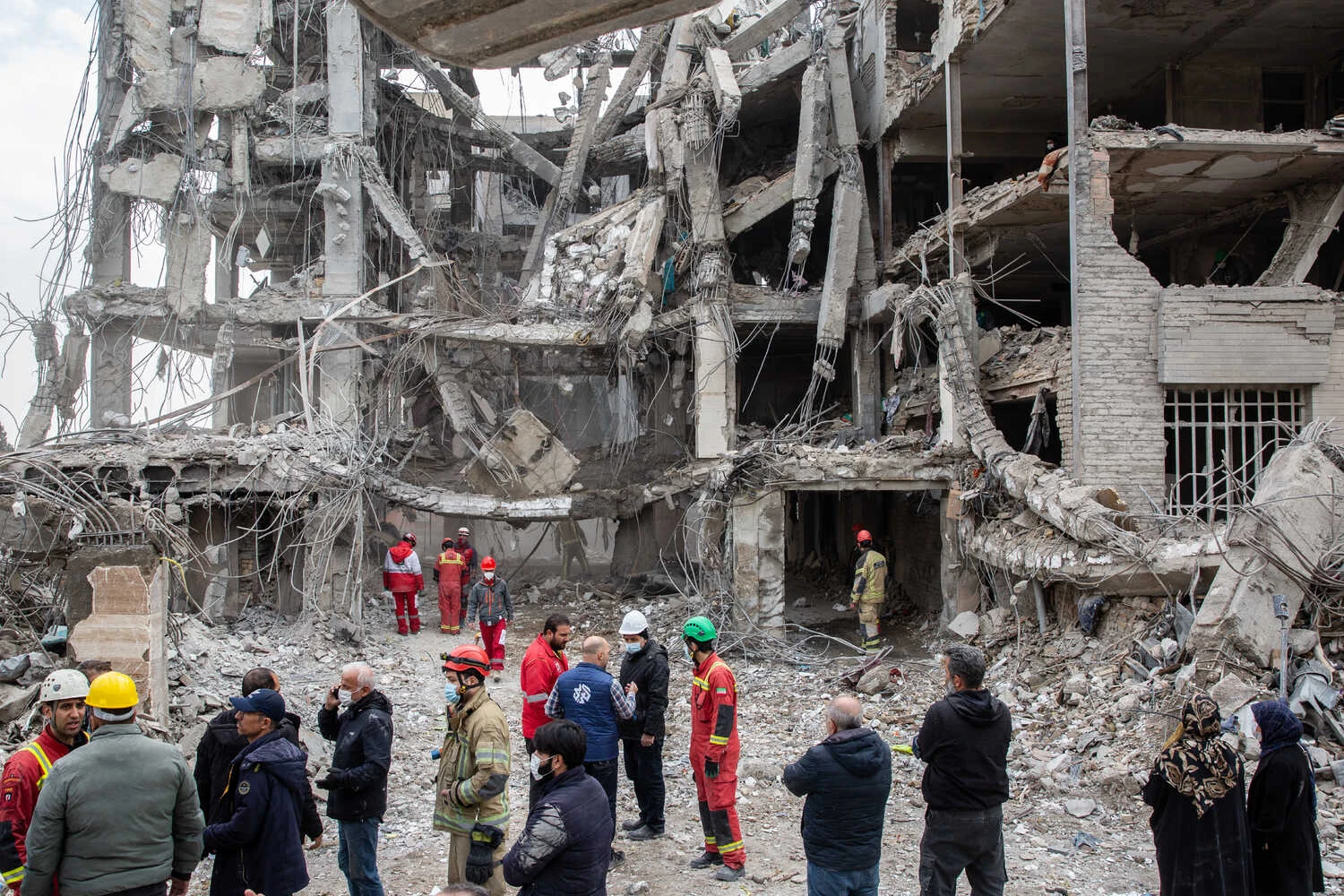
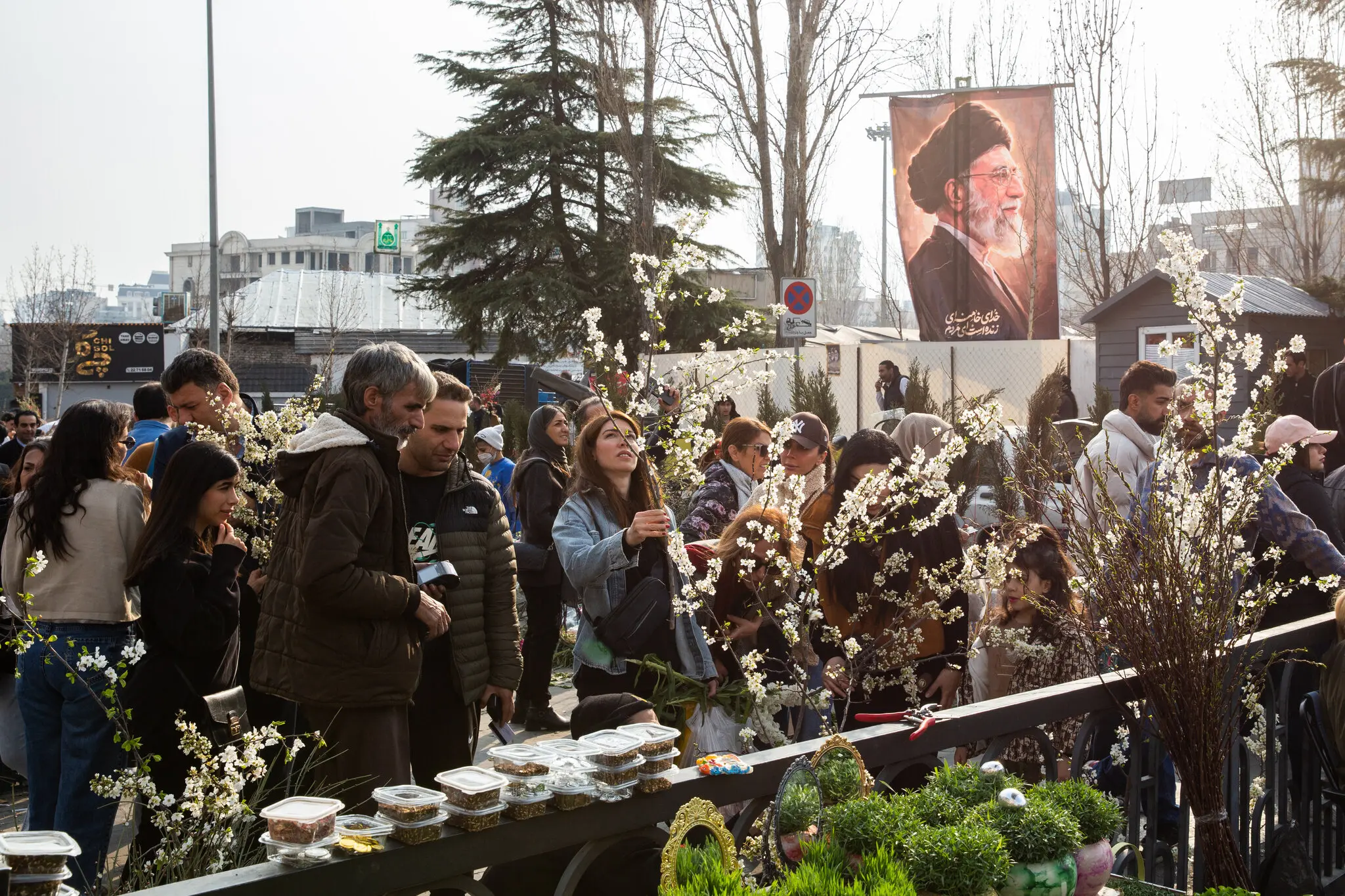
For Iran, the pause matters not only externally but internally. After nearly forty days of strikes, fear and exhaustion, the simple experience of waking up without expecting an air raid already feels like a psychological break in the war. But that does not erase the deeper reality. The country has emerged more damaged, poorer and more uncertain. Infrastructure has been hit, economic actors weakened, and society left in the uneasy space between relief and dread. Even in a country publicly celebrating “victory,” the real social mood is much closer to fatigue than triumph.

For Trump, too, the pause is double-edged. It gives him a chance to argue that hard pressure worked. But it also records a retreat from his own apocalyptic rhetoric. When a president threatens the destruction of “a whole civilization” and then, within hours, shifts into the language of negotiation, that can be presented as strategic flexibility. It can just as plausibly be read as an attempt to escape the trap of his own ultimatum. That is why the pause feels less like the completion of power than its ultimate stress test.
What the world has received, then, is not resolution but a very short line of credit in time. It can be used for real diplomacy, or for regrouping, new demands and another round of accusation. The greatest weakness of this cease-fire is not that it lasts only two weeks. Its greatest weakness is that almost all of its participants are already acting as though they did not reach a compromise, but imposed one on the other side. Peace rarely grows from that psychological ground.




 Як військовий радник президента та найвищий та найпомітніший офіцер армії, генерал Кейн має значну відповідальність перед військами, якими він керує — ВМС США
 Прес-секретарка Білого дому Каролайн Лівітт — Тірні Крос