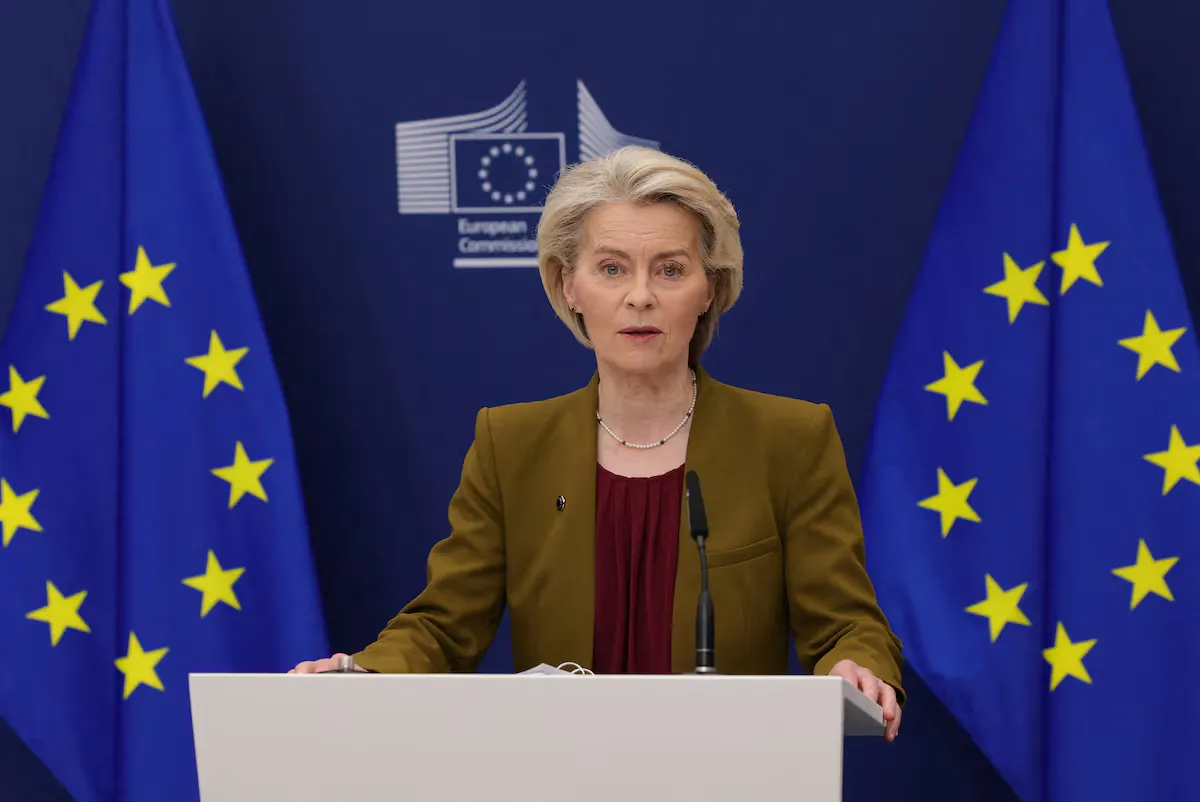




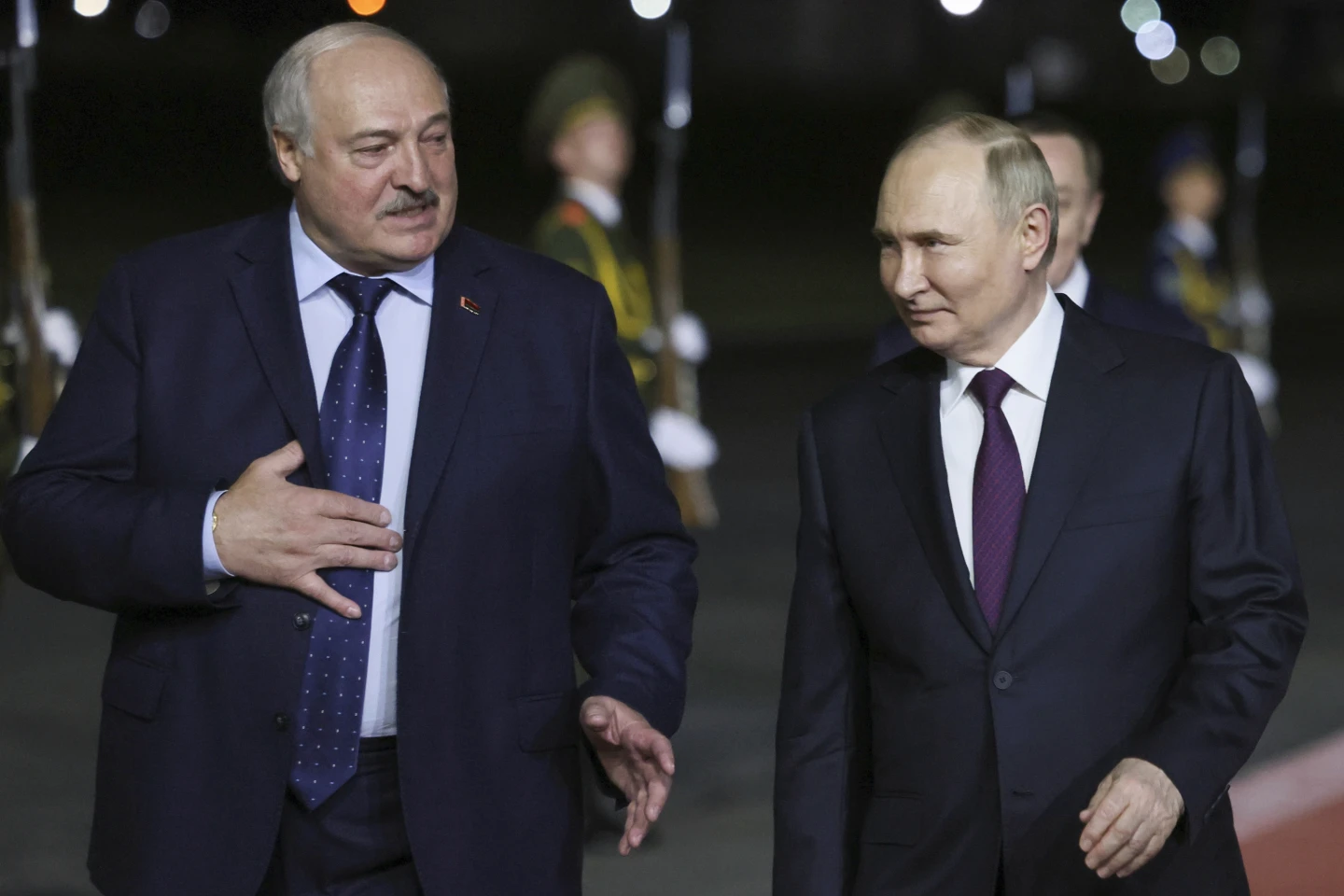















Donald Trump’s remarks on Iran should be read not as another burst of hard-line rhetoric, but as a compressed political doctrine. There was little diplomatic substance in them, yet more than enough to clarify his method: conflict, in this view, is not a breakdown of order but a way to impose a new one.
Publicly, Trump set a deadline, threatened strikes on bridges and power plants, brushed aside questions about possible war crimes, spoke about control over the Strait of Hormuz, invoked the language of “spoils,” and then pivoted to Greenland. In a conventional diplomatic framework, that would look like a chaotic stack of talking points. In Trump’s political framework, it forms a remarkably coherent pattern.
The core of that pattern is simple: he described a future deal not as a mutual compromise, but as an agreement that must be “acceptable to me.” That is the decisive detail. It moves the discussion from the realm of international security into the realm of personalized coercion, where regional stability becomes contingent on the preferences of a single leader.
Donald Trump’s remarks on Iran should be read not as another burst of hard-line rhetoric, but as a compressed political doctrine. There was little diplomatic substance in them, yet more than enough to clarify his method: conflict, in this view, is not a breakdown of order but a way to impose a new one.
Publicly, Trump set a deadline, threatened strikes on bridges and power plants, brushed aside questions about possible war crimes, spoke about control over the Strait of Hormuz, invoked the language of “spoils,” and then pivoted to Greenland. In a conventional diplomatic framework, that would look like a chaotic stack of talking points. In Trump’s political framework, it forms a remarkably coherent pattern.
The core of that pattern is simple: he described a future deal not as a mutual compromise, but as an agreement that must be “acceptable to me.” That is the decisive detail. It moves the discussion from the realm of international security into the realm of personalized coercion, where regional stability becomes contingent on the preferences of a single leader.
As Daycom argued in earlier analysis of crisis diplomacy, this style is dangerous not only because it is aggressive, but because it destroys predictability. If a cease-fire, sanctions relief, maritime security and even the reconstruction of a country all depend on the shifting instincts of one individual, no durable settlement can look credible.
The first major conclusion from this appearance is that Trump raised the stakes not only vis-à-vis Iran, but with regard to the nature of the conflict itself. His threats were aimed not merely at military assets, but at civilian infrastructure. That means pressure is no longer being framed as a limited military tool. It is being framed as a method of systemic paralysis.

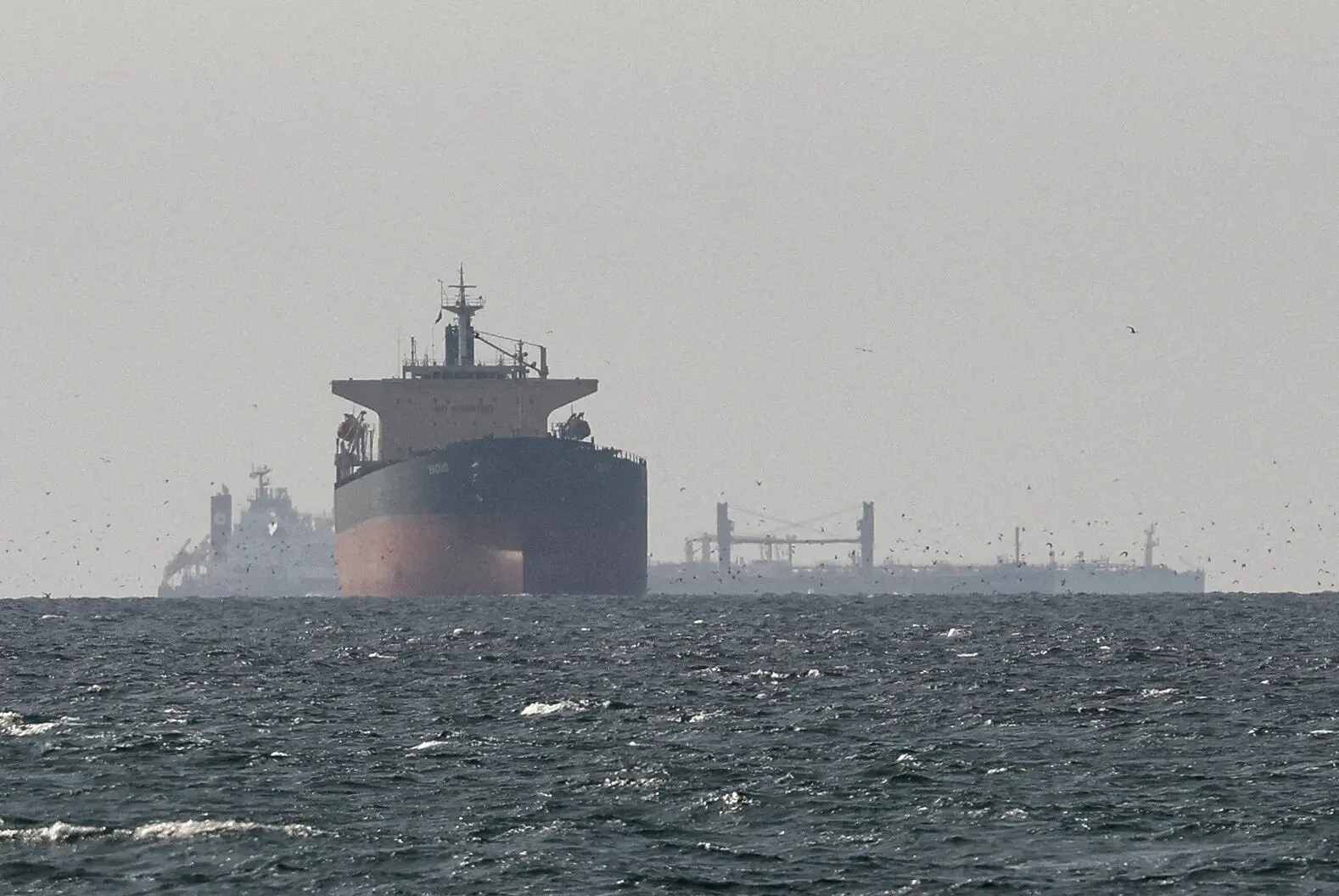
The second conclusion is that he deliberately blurred the line between warfare and commercial control. When the president of the United States talks about free oil traffic, possible tolls in the Strait of Hormuz and, in effect, the right of the stronger power to manage a vital artery of world trade, he is not describing the end of a war. He is describing a new regime of resource control. This is not the language of de-escalation. It is the language of redistributed power.
The third conclusion concerns international law. What matters is not only that Trump dismissed the question of whether bombing bridges and power plants could amount to war crimes. What matters is that his response made clear that legal constraints, in his political model, are not treated as binding limits but as obstacles to decisive action. That signal is heard not only in Tehran. It is heard by allies, adversaries, markets, militaries and mediators alike.
The fourth conclusion is that the speech contained almost none of the substance of a peace plan. There was a threat, there was a deadline, there were vague references to a possible agreement, but there was no clear explanation of how a cease-fire would work, who would provide guarantees, how compliance would be monitored, what would happen to sanctions, who would be responsible for the Strait of Hormuz, or what “free traffic” actually means in practice. That absence is revealing. The rhetoric of force is moving far ahead of the architecture of peace.
The fifth conclusion is that Trump tried to turn war into a televised narrative of heroism, speed and spectacle. The rescue story was presented in almost cinematic terms. That was not incidental. It is part of a political packaging strategy in which the public is offered not a serious accounting of strategic consequences, but an emotional montage of strength, danger and triumph. In such a frame, questions about fuel prices, regional escalation or the burden on allies recede into the background.
The sixth conclusion is that his remarks about a reporter and a leaked source exposed another important line of development: external escalation is unfolding alongside internal pressure on institutions of scrutiny. When a president threatens jail for a member of the press during an international crisis, it suggests that information control is being treated as part of wartime management. That has direct consequences for how the conflict will be narrated to the public.

Even the seemingly stray comment about Greenland fits into the same structure. It suggests that this is not about one conflict or one theater of pressure. It points to a broader worldview in which geopolitics returns to the language of territorial desire, resource leverage and the right of the stronger state to redraw space around its own interests.
The most troubling feature of the news conference was not even the threats themselves, but the philosophy beneath them. The phrase about the spoils belonging to the victor drags political rhetoric back toward a pre-institutional model of world order, one in which war legitimizes economic seizure. In the twenty-first century, that does not sound like a stray flourish. It sounds like an attempt to normalize a harsher rule of conduct in international affairs.
That leads to the central political conclusion. The news conference was not primarily about a cease-fire. It was about rewriting the terms on which the United States is prepared to recognize peace. If the earlier objective was to contain Iran, the emerging ambition appears much broader: not simply to stop a crisis, but to define the rules governing access to energy corridors, resources and the regional security order itself.
The practical conclusion is equally stark. If Trump does not carry out his threats, he risks weakening the credibility of his own ultimatum. If he does, he risks igniting a much wider escalation with unpredictable consequences for the Middle East, oil markets, U.S. allies and American domestic politics. That is why this appearance should be understood as a moment when the space for normal diplomacy narrowed sharply.
In the final balance, the picture is clear. Trump did not present a worked-out formula for peace. What he did present, with unusual clarity, was his model of order. In it, negotiations are subordinate to force, international law is pushed to the margins, energy becomes an instrument of geopolitical coercion, and war becomes a political spectacle as well. That is the central takeaway from his remarks: the conflict with Iran looks less and less like an attempt to secure peace, and more and more like an attempt to impose order through fear, resources and personal will.









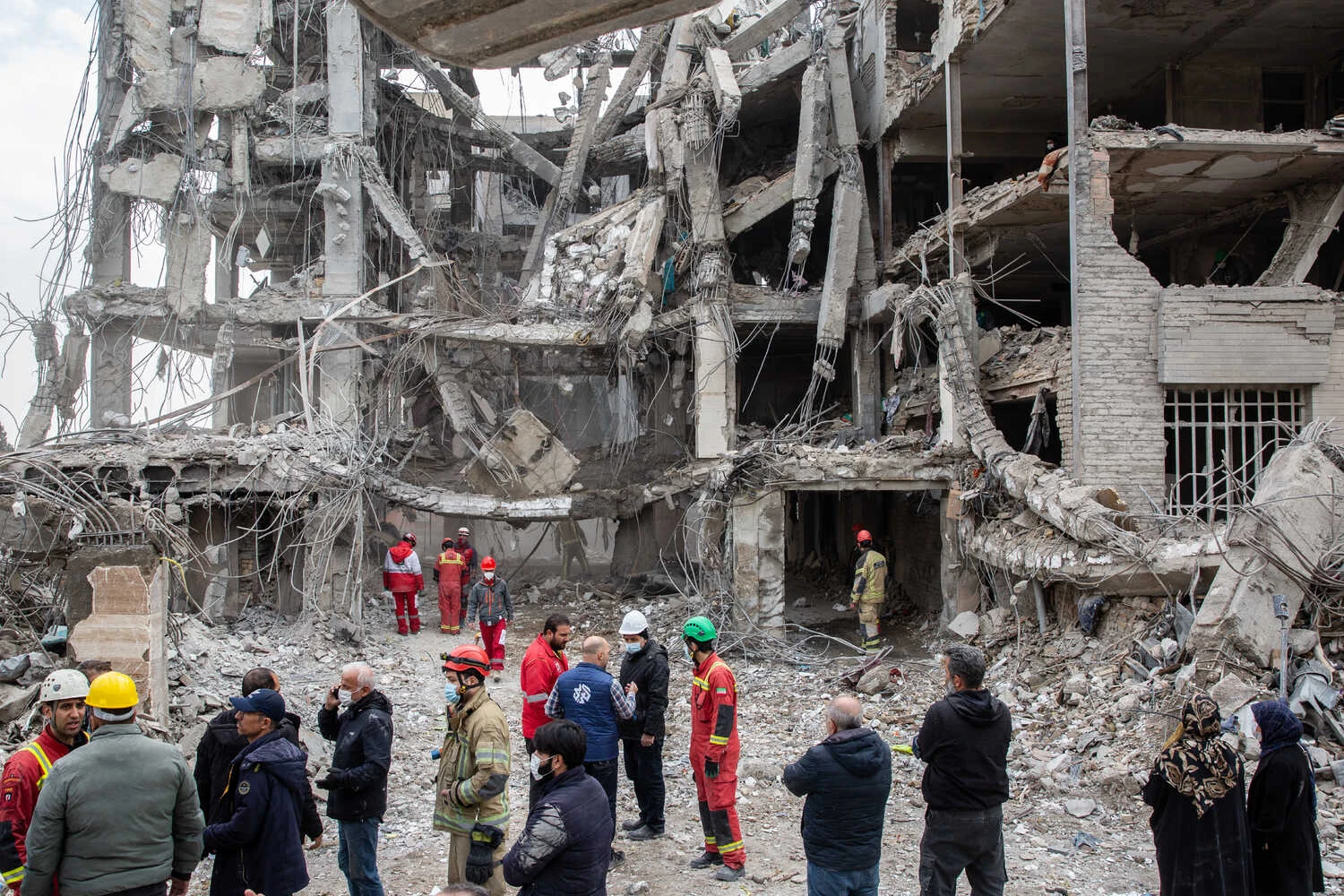


 Авіаудари зруйнували Тегеранський університет Шахіда Бехешті. У посібнику з воєнного права американських військових зазначено, що «захист цивільного населення від шкідливого впливу воєнних дій є однією з головних цілей воєнного права» — Араш Хамуші




 Генерал Кейн стикається зі складним становищем, оскільки пан Трамп посилює свої погрози не лише керівництву Ірану та його військовим, а й базовій інфраструктурі, яка забезпечує життя його людей — Кенні Голстон












 Пан Трамп заявив, що Іран, «на нашу думку, веде переговори добросовісно» — Кенні Голстон