






















When diplomacy begins to speak in the language of a countdown, it is usually no longer practicing diplomacy in the traditional sense. Deadlines can impose discipline, but they do not create trust. In the current U.S.-Iran confrontation, the clock looks less like a framework for compromise than a tool of coercion.
That is why the present phase of talks resembles something closer to a contest over the terms of submission than a genuine search for de-escalation. Washington wants a rapid decision. Tehran insists on a full end to hostilities, enforceable guarantees and compensation. Between those positions, the middle ground has become strikingly narrow.
The deeper problem is not merely the harshness of the rhetoric. It is that the negotiations have outgrown the ordinary meaning of a cease-fire. What is now under discussion is a wider architecture of force in the region: the future of the Strait of Hormuz, sanctions relief, reconstruction, maritime security and the political credibility of any promise either side is asked to accept.
As Daycom argued in earlier analysis of coercive diplomacy, an ultimatum works only when the weaker side believes punishment is unavoidable and the exit remains politically survivable. Once the exit begins to look like humiliation, and the threat begins to sound like obliteration, pressure stops containing the crisis and starts feeding it.
That is the central paradox of this moment. The broader the threats against bridges, power plants and other civilian infrastructure, the harder it becomes to imagine an agreement Tehran could present at home as anything other than defeat. In such conditions, compromise no longer looks like strategy. It looks like surrender.
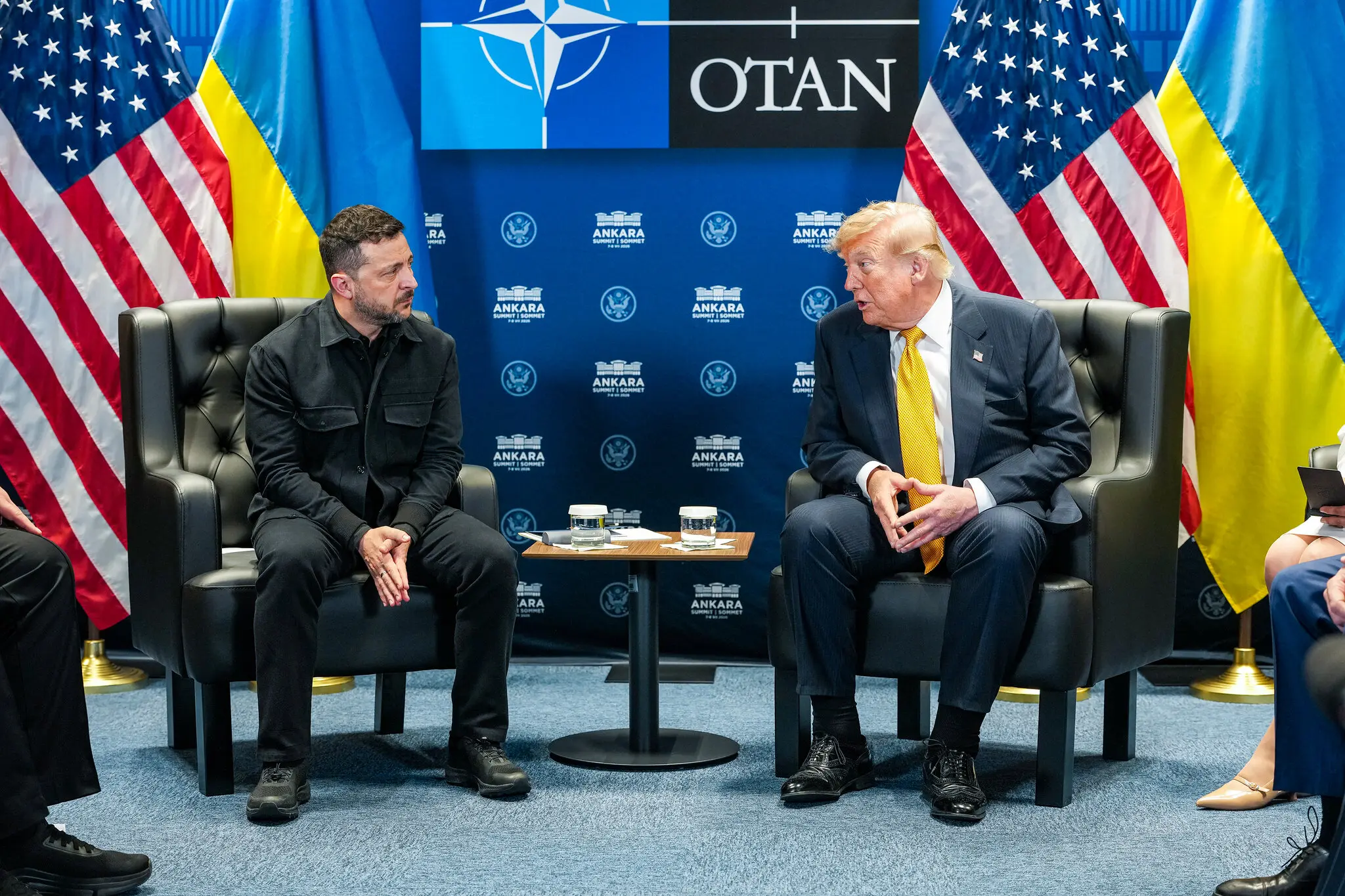
 Пан Трамп заявив, що Іран, «на нашу думку, веде переговори добросовісно» — Кенні Голстон
For the White House, the logic runs in the opposite direction. A deadline signals that the United States will not be trapped in another drawn-out process in which Iran buys time, tests resolve and uses regional intermediaries to raise the price of every concession. Politically, that logic is easy to understand. Toughness is legible. It can be framed as strength, especially when it promises results without a long ground war.
But that same logic contains a strategic trap. Strikes on civilian infrastructure may produce a short-lived shock effect, yet they would almost certainly widen the conflict’s scope. Iran would then have every incentive to move the confrontation away from the negotiating table and into the realm where it has long preferred to operate: asymmetric retaliation, proxy networks, maritime disruption and pressure on global energy flows.
The Strait of Hormuz is not simply a geographic chokepoint in this equation. It is a lever with worldwide consequences. Any uncertainty around its status immediately turns a regional crisis into a global question of oil prices, shipping insurance, tanker routes and energy security. Even limited interference there can radiate far beyond the Gulf and reshape calculations in markets, ministries and militaries at once.
It also matters who is carrying the diplomatic message. When intermediaries such as Pakistan and Oman become indispensable, that does not necessarily reflect the strength of the process. More often, it reveals the weakness of direct contact. Such channels can relay signals and lower the risk of immediate miscalculation, but they are fragile instruments for building a durable political settlement.
Iran’s demands should be read in that light. Calls for guarantees against renewed war, sanctions removal and compensation are not only bargaining positions. They are an attempt to shift the conflict into an institutional and legal framework that does not depend solely on the will of one administration in Washington. That is why the question of congressional approval enters the picture so quickly.
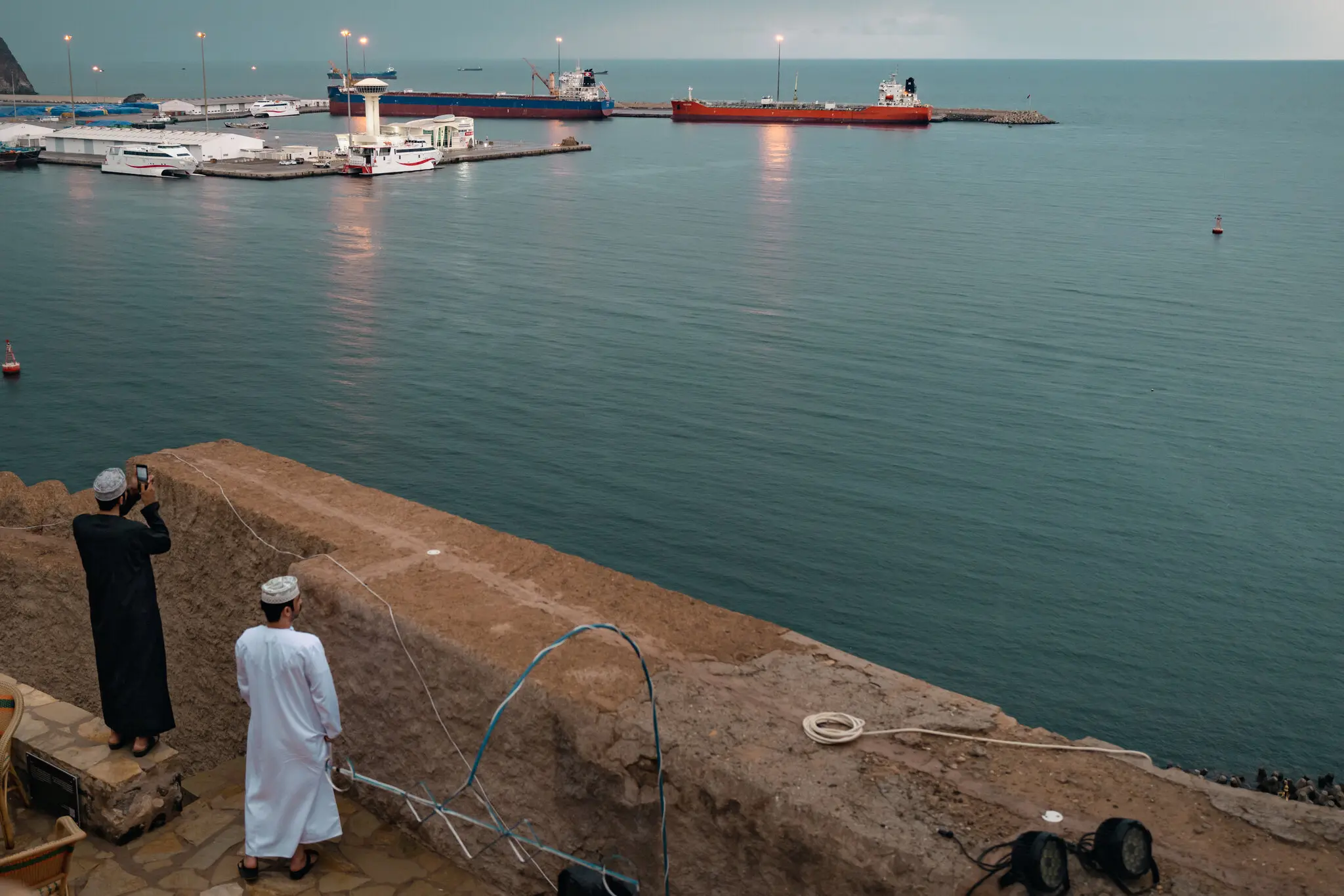 Фотографування суховантажів, що стояли на якорі в Маскаті, Оман, поблизу Ормузької протоки, минулого місяця — Елке Шольєрс

For the United States, that is precisely where the problem hardens. Bringing Congress into the structure of any deal would make the process slower, more complicated and more politically expensive. Yet without some institutional backbone, Tehran has little reason to believe that sanctions relief would endure beyond the next shift in power. The dispute is therefore not just over terms. It is over whether any enforcement mechanism can be trusted at all.
Against that backdrop, talk of helping rebuild Iran after a settlement sounds at once pragmatic and deeply cynical. Pragmatic, because major military action always ends with the question of who pays for reconstruction. Cynical, because offering to repair what one has threatened to destroy does not soften the ultimatum. It clarifies its logic: coercion first, stabilization later.
That is why this confrontation should not be read merely as a drama of one deadline. It is a test of whether Washington and Tehran can move from the language of punishment back to the language of security architecture. So far, the signs are not encouraging. Both sides invoke peace, but they mean fundamentally different things by it: one seeks swift compliance under pressure, the other demands guarantees that pressure will no longer define the order itself.
In the near term, that leaves a bleak conclusion. Even if a formal cease-fire is reached, it is unlikely to amount to true de-escalation. Without a new balance among sanctions, maritime security, mediation, deterrence and political guarantees, the parties will not resolve the crisis so much as postpone its next and possibly more dangerous phase. The deadline now presented as an instrument of peace may yet prove to be only the preface to a far wider escalation.