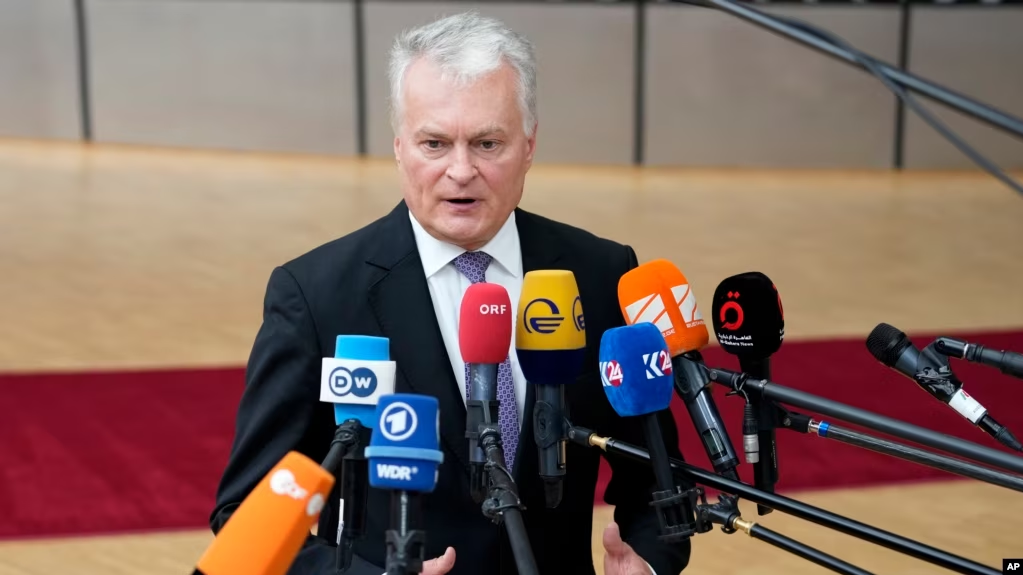




















Volodymyr Zelensky brought to the EU summit a formula that changes the usual logic of enlargement: Ukraine is not asking for a symbolic reward for endurance, but for a political decision on which Europe’s own security depends. His argument is simple: the continent’s future is being decided not in Brussels declarations, but in Ukraine’s defense.
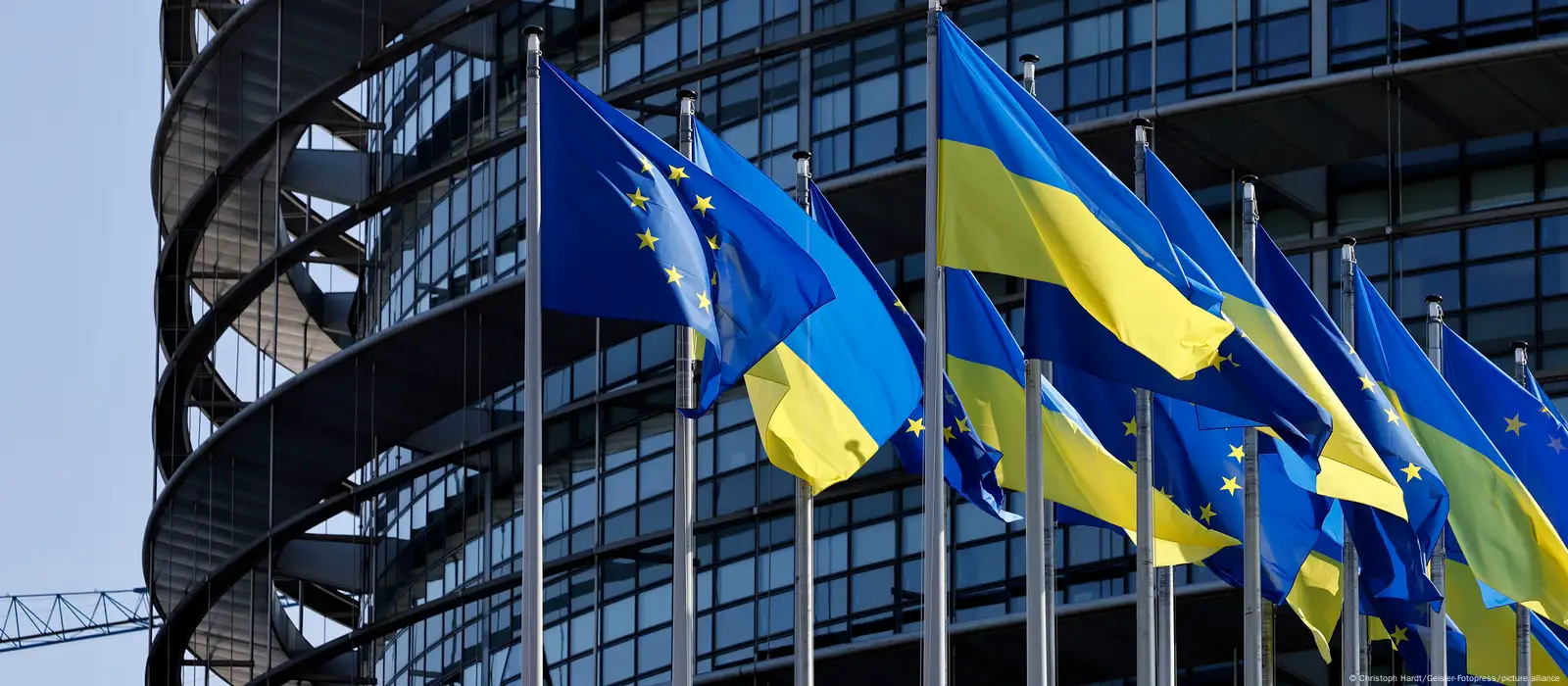
The president said the best guarantee for Europe’s future would be an accelerated path for Ukraine to join the European Union. There is more than diplomatic ambition in that phrase. It reflects a new reality in which the line between Ukraine’s war and European security has almost disappeared.
Ukraine has paid more than any other candidate country for the right to be free, independent and European. That is how Zelensky is trying to break the old bureaucratic frame in which EU accession is seen as a technical marathon after standards are met, rather than a strategic response to war.
According to Daycom’s assessment, Kyiv is placing before Europe a question it has long avoided: can a union that calls itself geopolitical allow Ukraine to remain in the waiting room for years while Ukraine itself is holding back the largest military threat to the continent?
This does not mean the path to membership can be replaced by political emotion. The EU is built on law, procedure, reforms, courts, anti-corruption guarantees and compliance with standards. But the war has changed the scale of the decision. Ukrainian membership is no longer only about Ukraine’s internal transformation. It is about Europe’s security architecture.
Last week, EU ambassadors agreed to advance membership talks with Ukraine and Moldova, including work on the first of six negotiation clusters. That is an important step, but it still speaks the language of gradualism. Zelensky is asking for the language of speed — not to bypass rules, but to ensure that political will does not lag behind military reality.
The greatest resistance still comes from Hungary. Budapest secured the removal of language on accelerating Ukraine’s accession from the summit statement. That exposes the main weakness of the European mechanism: even when the majority sees a strategic necessity, one government can slow a decision that concerns the security of the entire union.
Hungary’s position has long moved beyond technical objections. It has become an instrument of political blocking, which Moscow reads carefully as a sign of European fatigue and internal division. For Ukraine, this is not just a diplomatic obstacle, but the risk of turning a historic moment into another procedure without a date.
Zelensky is also speaking about ending the war this year. His formula is cautious: Ukraine wants to end the war before winter through diplomacy and pressure on Russia, but understands who it is dealing with. The phrase “Putin is war” sounds in this context like a warning: negotiations alone are not enough if coercive power does not stand behind them.
That is why the president is asking the EU at once for a political decision, military support and preparation for winter. Ukraine needs air-defense missiles, gas, diesel fuel, energy equipment and a package of at least 300 missiles if the war continues. This is not merely a list of needs, but a map of vulnerabilities Russia will try to exploit in the cold season.
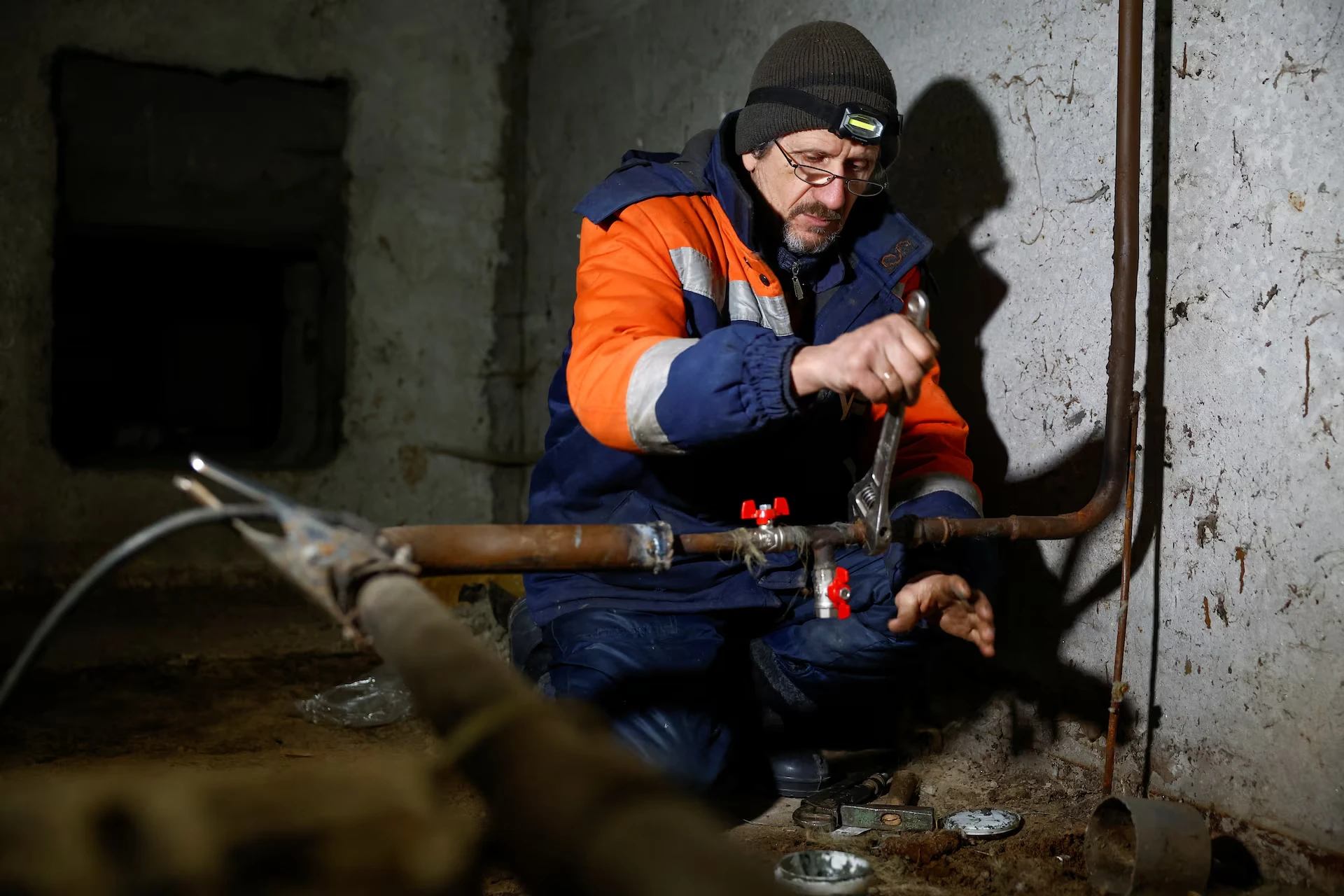
Winter may again become a separate front. Russia has repeatedly tried to strike Ukraine’s energy system in order to break civilian endurance. If it intensifies missile and drone attacks, air defense will become not only a military issue, but a humanitarian, economic and political one.
Zelensky directly warned Ukrainians of possible intensified Russian attacks and urged them to use shelters. That language does not contradict diplomatic efforts. It only shows that the prospect of talks has not yet cancelled the reality: Russia speaks about conditions for peace while preparing to strike cities.
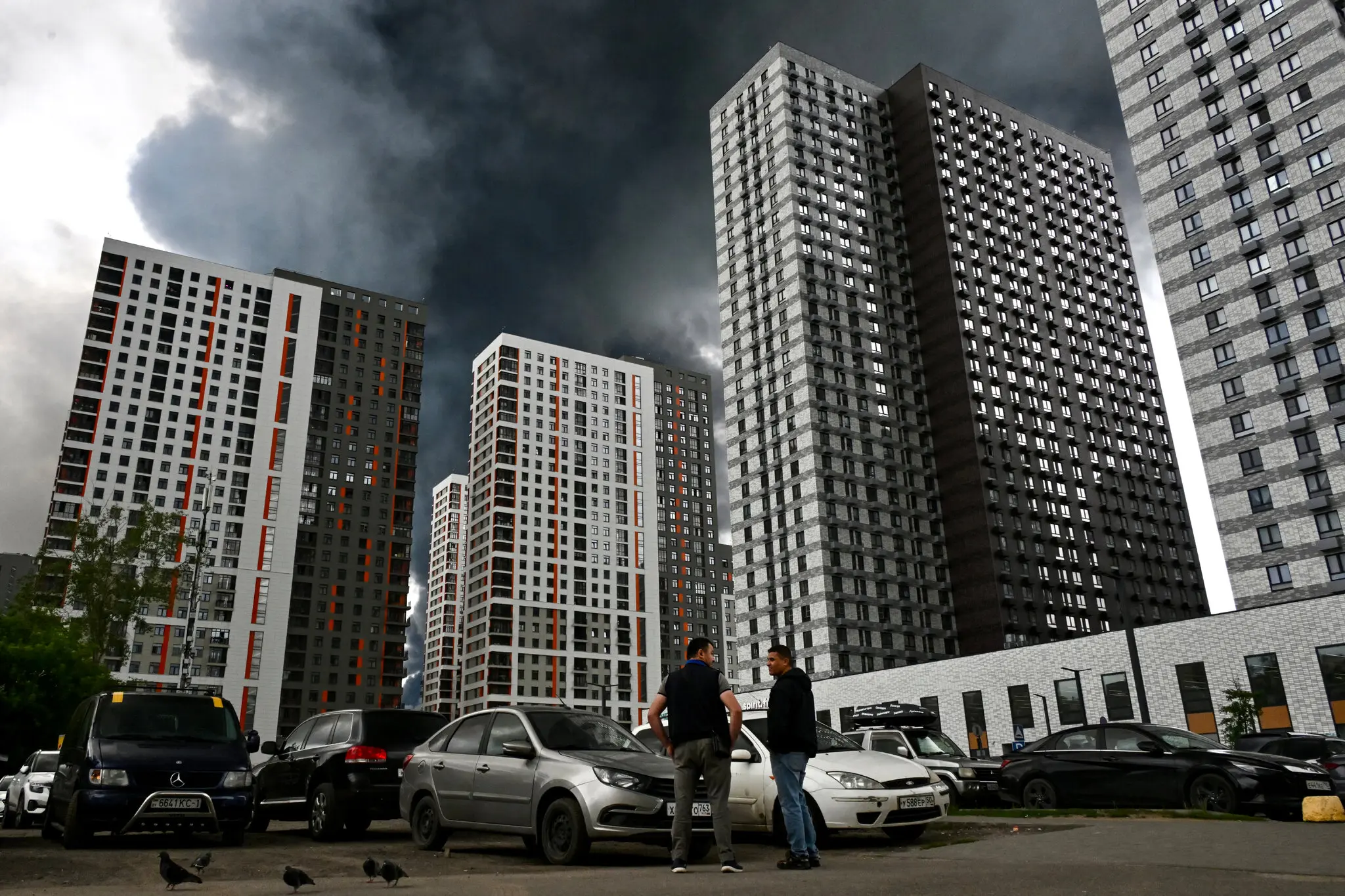
Against this backdrop, Ukraine’s long-range strikes inside Russia are becoming part of a broader strategy. The strike on the Moscow oil refinery, attacks on oil depots and logistics facilities show partners that Ukraine is not only absorbing blows, but is also able to impose costs on Russia’s war machine inside its own rear.
Kyiv is trying to turn this military dynamic into a diplomatic argument. If Russia feels losses not only at the front, but also in its fuel system, logistics and industrial nodes, it becomes harder for the Kremlin to pretend that time is working exclusively in its favor. That is what Zelensky has been showing European leaders and partners at the G7.
Europe, in turn, must decide whether it is ready to answer this dynamic financially. Zelensky called for stable mechanisms to fund Ukraine’s military, involving the EU and the “coalition of the willing,” and for the release of 6 billion euros from the European Peace Facility. Without money, even the strongest political formulas quickly lose practical force.
Kyiv’s separate demand is sanctions without loopholes, confiscation without exceptions and funding without delays. That triad reveals a new Ukrainian approach to European responsibility. This is not only about another support package, but about a system designed to deprive Russia of the ability to adapt to pressure.
European hesitation over the confiscation of Russian assets has long become a political paradox. Russia is destroying Ukraine, yet much of the Western debate still revolves around risks to the financial system rather than the price of inaction. Kyiv is trying to force allies to shift the center of gravity.
Fast-track EU accession for Ukraine is not a separate dream in this structure, but its political roof. Weapons, sanctions, funding, energy resilience and accession talks must work as one system. If one element falls out, Russia gains room for pressure.
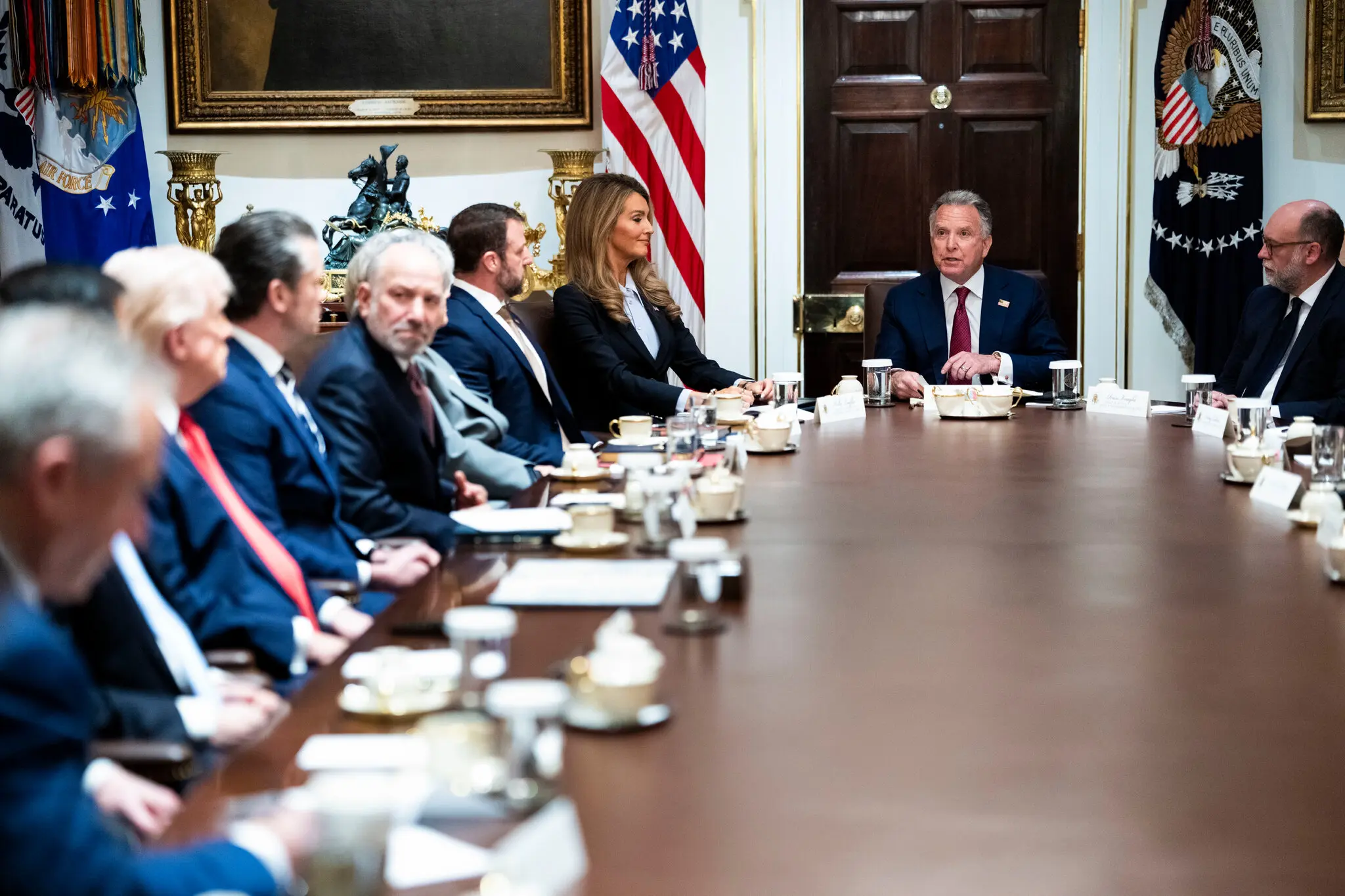
The EU summit showed that, formally, the door for Ukraine is open, but the pace remains contested. The final language supports negotiations and readiness to open other clusters according to the merit-based approach. What is still missing is the central recognition that Europe sees Ukrainian accession as its own security necessity, not merely as a long enlargement procedure.
For Zelensky, this is a question of time. If the war has a chance of ending by the end of the year, Europe must not merely observe the search for peace, but strengthen Ukraine’s position before any negotiations. A peace Ukraine reaches from weakness will only be a pause. A peace Russia is pushed toward by sanctions, weapons, drones and EU unity may become a result.
That is why his address to the European Union sounded like a demand for strategic honesty. Ukraine is not asking Europe to adopt someone else’s war. It is reminding Europe that this war has long been shaping the future of the entire continent. If the EU wants to be a union of security, not only a market and a procedure, Ukraine’s fast path to membership becomes not a gesture of solidarity, but a way to protect Europe itself.